English
 Español
 عربى
عربى 中文简体
中文简体Content
You pull the lid off a cooler after a long drive and find swordfish steaks still frozen at the core. That is the kind of result dry ice can deliver in food storage when you team it with a properly insulated container. Dry ice is not mysterious or unreliable. It is a cold source that works by sublimation and temperature control, and its performance depends heavily on what you put it in.
Why Dry Ice Works Better Than Water Ice
The simple answer is that dry ice has a much colder starting point. At -78.5°C (-109.3°F), carbon dioxide remains a solid until it sublimates directly into gas. Water ice sits at 0°C and melts into liquid, which raises humidity and can soften package materials. For food storage, that extreme cold has a practical advantage: it freezes food faster and holds it at temperatures that inhibit bacterial growth.
| Property | Dry Ice | Water Ice |
|---|---|---|
| Temperature | -78.5°C / -109.3°F | 0°C / 32°F |
| Phase change | Sublimation (solid to gas) | Melting (solid to liquid) |
| Moisture | None | Liquid water |
| Cold duration | Longer in insulated containers | Shorter, especially when melted |
| Main risk | Frostbite and CO2 buildup | Packing materials become wet |
When you compare the two, dry ice is the stronger choice for keeping frozen foods frozen or chilling meat and seafood fast. The key is not the ice itself but how you manage it.
How to Use Dry Ice for Food Storage Without Damaging the Food
Dry ice can cause freeze burn if it touches food directly. The gas is safe, but the temperature at the solid surface is far below the freezing point of water. So the rule is to add a buffer layer.
- Wrap the dry ice block in paper or a thin cotton cloth before placing it in the container.
- Put dry ice on top of the food if you want to freeze it faster; put it under the food if you only need chilled storage.
- Do not close the lid completely. Leave a small vent or keep the lid slightly ajar so CO2 can escape.
- Check the container every few hours and open it briefly in a well-ventilated area.
- Wear insulated gloves when handling dry ice. Never touch it with bare skin.
These steps sound simple, but they prevent the two failures that ruin most dry ice attempts: seal a container too tight and it can split; let food touch the block and it gets a hard frozen crust.
How Long Dry Ice Lasts in an Insulated Container
The answer depends on the container, not on the ice alone. A thin plastic tub might lose its cold in a few hours. A rotomolded double-walled container with polyurethane foam can hold the sublimation rate down significantly.
| Container type | 5 kg dry ice duration |
|---|---|
| Open-sided cardboard box | 4-6 hours |
| Standard household cooler | 12-18 hours |
| Insulated rotomolded bulk container | 24-36 hours |
These are practical ranges, not guarantees. Exposure to direct sun, a loose lid, or frequent opening will shorten them. The important takeaway is that a thick insulated shell pays for itself when you are moving temperature-sensitive food.
Choosing the Right Insulated Container for Dry Ice
The container you choose determines how long the cold lasts. Look for food-grade LLDPE material, seamless one-piece molding, and a lid that fits snugly but still allows controlled venting. A wall filled with polyurethane foam is the biggest reason a container can hold sub-zero temperatures for more than a day.
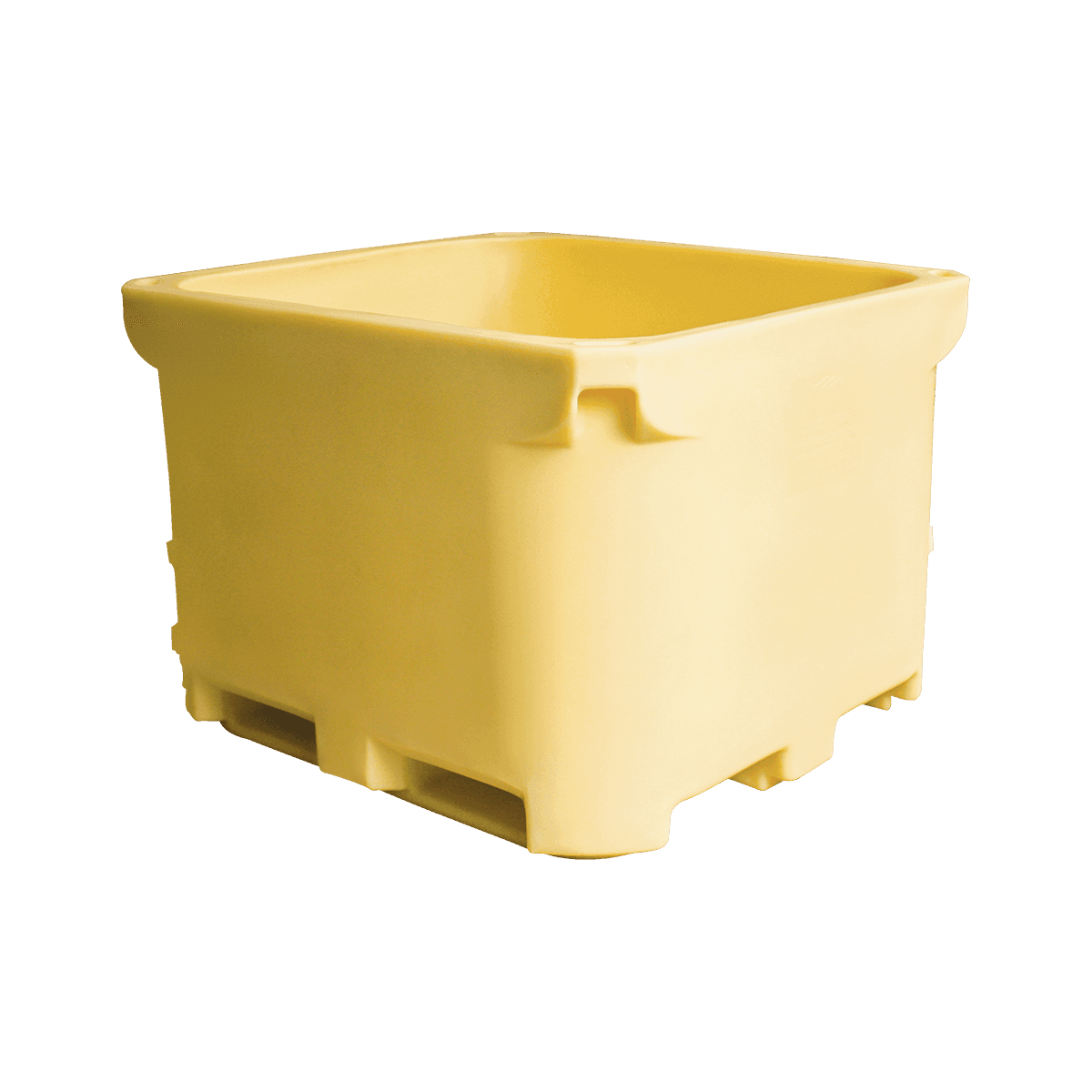 FDA-Approved 780L Insulated Food Container for Cold Chain and Warehouse UseThis FDA-certified 780-liter insulated container is ideal for large-scale food storage and transport. Its efficient insulation and sturdy build maintain stable temperatures, making it a reliable choice for catering and cold chain operations.View Product →
For businesses that store meat, seafood, or prepared meals, the practical result is fewer temperature excursions and less waste. Food-grade insulated containers are built for direct contact with food, and they have the material and molding quality to survive repeated cleaning and heavy use. A durable container also helps you control the rate at which dry ice sublimates, which means you need less ice to achieve the same holding time.
Using Dry Ice for Seafood and Meat Storage
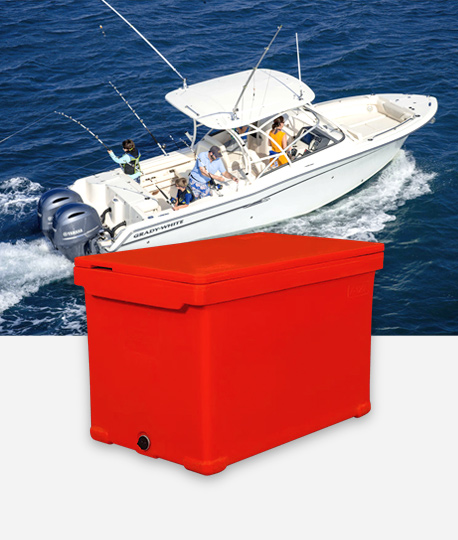
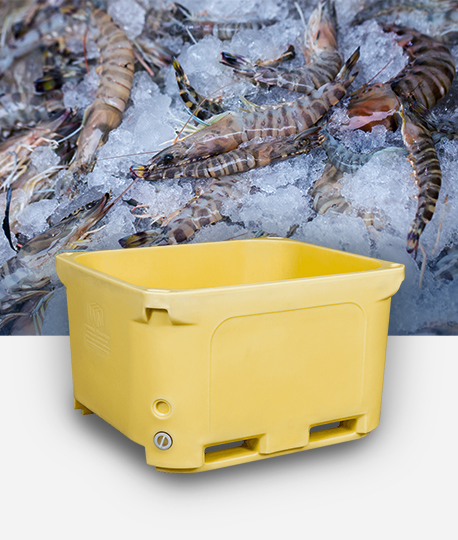
Seafood is the most obvious candidate for dry ice because a fish that stays below freezing is a fish that stays saleable. A fast pull-down from ambient temperature to sub-zero reduces enzymatic spoilage. For docks, processing plants, and boat operations, a robust insulated bin keeps the cold around the catch.
-2.png) 200L Insulated Ice Cooler Box for Seafood Storage and TransportWith a 200-liter capacity and robust insulation, this cooler box is designed to keep seafood fresh during transport and storage. Its high-quality materials prevent temperature fluctuations, ensuring product quality.View Product →
200L Insulated Ice Cooler Box for Seafood Storage and TransportWith a 200-liter capacity and robust insulation, this cooler box is designed to keep seafood fresh during transport and storage. Its high-quality materials prevent temperature fluctuations, ensuring product quality.View Product →
Meat and poultry need the same treatment. When the container is well insulated, the CO2 released from dry ice forms a dry environment that prevents moisture-related bacterial growth. The container itself must not be airtight, because pressure from sublimation will build up. A sealed box with no vent is a safety hazard, so always keep an escape route for the gas.
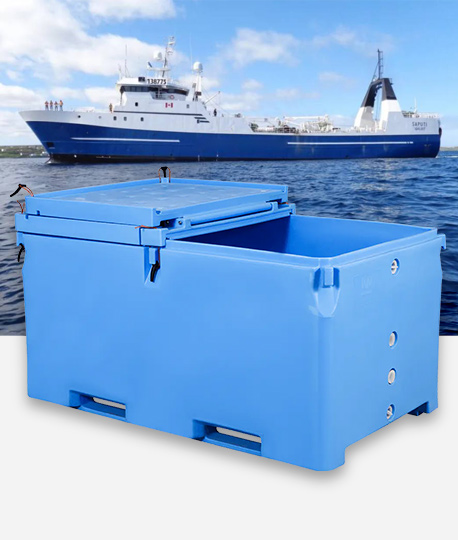
-1-1.png) 660L Insulated Storage Container for Meat and Poultry Industrial UseThis 660-liter insulated plastic container is engineered for meat and poultry storage. Its double-walled PUR core provides high insulation, and it offers easy handling with pallet jack and forklift access, making it a practical choice for industrial applications.View Product →
660L Insulated Storage Container for Meat and Poultry Industrial UseThis 660-liter insulated plastic container is engineered for meat and poultry storage. Its double-walled PUR core provides high insulation, and it offers easy handling with pallet jack and forklift access, making it a practical choice for industrial applications.View Product →
All of this points to one conclusion: dry ice cannot outperform a poor container. If you need long-haul protection, insulated bulk storage containers give you the volume and thermal retention to keep a back-up operation practical.
Take the time to match the dry ice amount, food volume, and container thickness. The combination of correct dry ice handling and a properly vented insulated container is what turns a good idea into a dependable food storage process.

-4.png "X-120L Insulated Fish Bin Ice Cooler Box")
-4.png "X-70L Insulated Fishing Ice Cooler Box")
-2.png "X-68L Ice Cooler Box To Keep Food Cold And Fresh")

-2.png "X-120L Live Seafood Transportation Tanks")
-2.png "X-70L Live Seafood Transportation Tanks")