English
 Español
 عربى
 中文简体
Content
- 1 Why Reusable Packaging Makes Sense for Rubber and Tyres
- 2 What Makes Rubber and Tyre Loads Difficult to Package
- 3 Matching Containers to Rubber and Tyre Workflows
- 4 Material and Construction Choices That Decide Service Life
- 5 Building a Return Loop That Actually Pays Off
- 6 Choosing a Manufacturing Partner
- 7 Key Takeaways
Walk through a tyre plant or a rubber compounding workshop and you will notice that packaging rarely gets much attention. It is the quiet part of the operation, yet it decides how much compound is scrapped, how many people it takes to move a load, and whether a batch arrives at the next station in the same condition it left. Uncured compound, extruded profiles, bead rings, hose sections, gaskets and finished tyres all behave differently in transit, and single-use packaging tends to serve none of them particularly well.
That is why more manufacturers are turning to reusable rubber and tyre packaging solutions. The idea is simple enough: build a container that protects the load, survives the journey, comes back empty, and does it all again hundreds of times. The difficult part is choosing containers that suit the loads you actually handle, and building a return loop that holds up in daily use. What follows is what we have learned after more than a decade of moulding heavy-duty rotomolded containers for customers who move temperature-sensitive, awkward and sometimes very heavy goods.
Why Reusable Packaging Makes Sense for Rubber and Tyres
Reusable packaging is often introduced as a sustainability project, but in most plants the operations case is stronger than the environmental one. When a container is designed around a specific load, it stops being a cost you pay on every shipment and becomes an asset you depreciate over hundreds of trips.
- Fewer purchases, because one durable container replaces a steady stream of cartons, liners, bags and one-way pallets.
- Better protection, because a rigid closed container shields compound and components from moisture, dust, sunlight and impact damage.
- More consistent handling, because every load arrives on the same footprint and can be stacked, palletised or lifted the same way.
- Easier housekeeping, because a smooth, washable interior is quicker to clean than disposable liners and reduces cross-contamination between batches.
- Less waste to declare, which matters when customers and auditors ask how packaging is handled at the end of the line.
The economics improve further when the same container type can serve several stages, such as mixing, internal transfer, storage and dispatch, instead of a different box for every department.
What Makes Rubber and Tyre Loads Difficult to Package
Rubber and tyre products are an awkward family of cargoes. A handful of characteristics come up again and again, whatever the plant layout looks like:
- Temperature sensitivity. Uncured compound can begin to scorch or change its handling behaviour if it stays too warm for too long, so the container may need to slow heat gain rather than simply carry weight.
- Tackiness. Fresh compound sticks to itself, to liners and to whatever it is stacked against, which makes smooth, easily cleaned surfaces important.
- Extremes of density. Bead wire and dense compound blocks punish weak bases, while finished tyres are bulky and light, so a single design rarely gives good cube utilisation for both.
- Contamination risk. Moisture, dust, oil and stray metal fragments all cause problems in later processing steps.
- Rough handling. Forklifts, hooks, wet docks and long road or sea journeys will find any weakness in a container shell within a few trips.
Matching Containers to Rubber and Tyre Workflows
Rather than searching for one universal box, it helps to match container characteristics to the job each load has to do. The stages below differ mainly in how much temperature control, protection and handling convenience they need.
| Handling stage | Typical load | What the container needs to do |
|---|---|---|
| Mixing and compounding | Uncured compound slabs, strip, pellets | Hold a stable temperature, seal out moisture, resist tacky residue |
| Extrusion and calendering | Warm profiles, rubber sheet | Allow quick access, smooth interior walls, easy cleaning |
| Component preparation | Bead rings, apex, ply, tread strip | Fixed footprint, stackable when loaded, light enough to lift |
| Curing and finishing | Gaskets, hoses, moulded parts | Drainage, ventilation, protection from crushing |
| Warehouse and dispatch | Palletised mixed loads | Fit standard pallet handling, absorb impact in transit |
| Returns and empties | Empty containers, dunnage | Nest or stack tightly, survive repeated forklift handling |
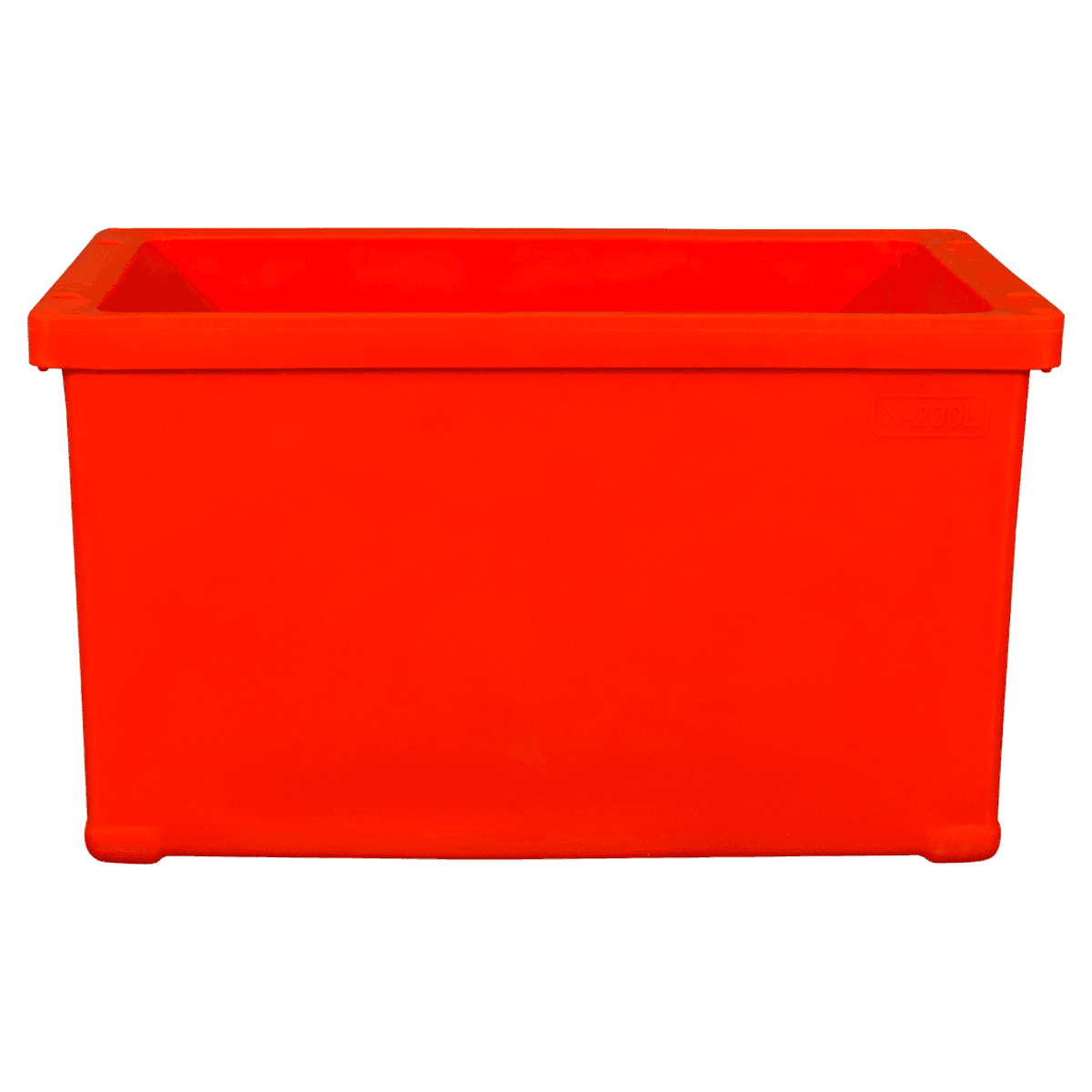
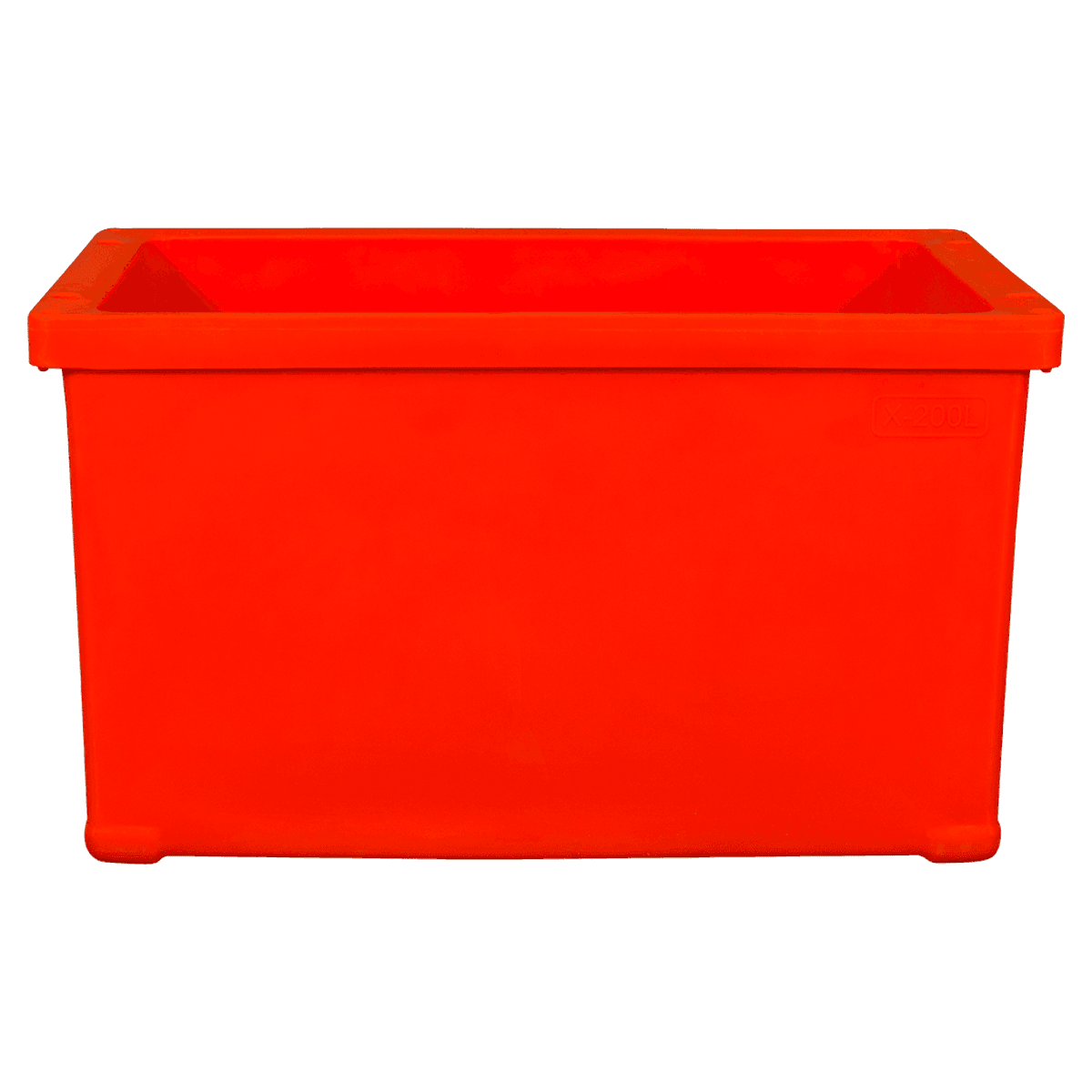
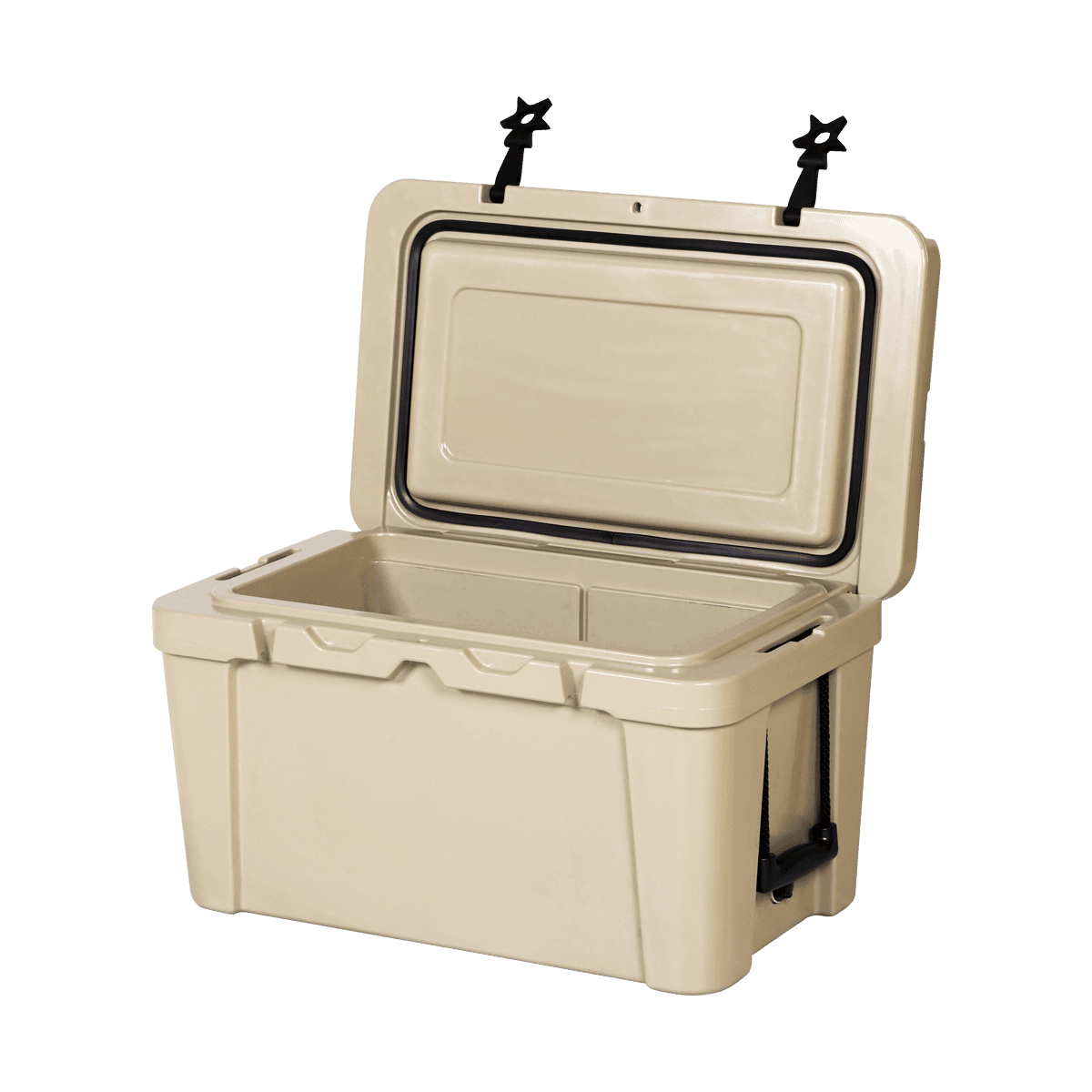
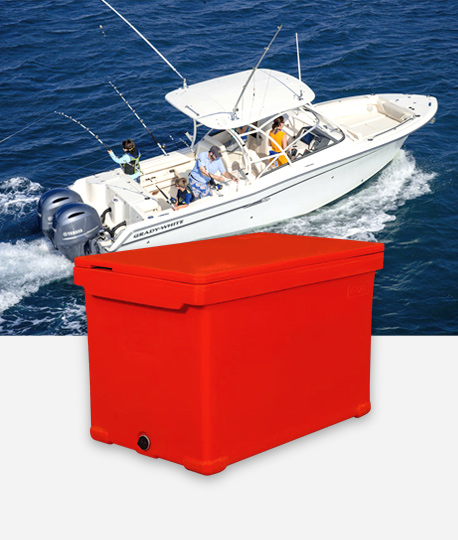
Insulated bulk containers are usually the natural fit for mixing and compounding, because they can hold a temperature band for hours while their closed lids keep moisture and contamination out. For smaller, higher-value components, stackable bins with a consistent footprint often make more sense than large containers, since they keep parts separated and make counting and picking quicker.
 AF-1700L Insulated Bulk Container for Cold ChainA 1700 L PUR-insulated bulk container for temperature-sensitive logistics, with forklift and pallet-jack access, stackable and suitable for live seafood transport.View Product →
Where loads are already palletised, a pallet-based insulated container lets you keep familiar forklift and racking practice while adding a layer of thermal and impact protection.
Material and Construction Choices That Decide Service Life
Most reusable packaging failures are not dramatic. A seam opens, a base cracks, a lid stops sealing, or a container becomes impossible to clean and quietly leaves the loop. The material and the forming process decide how long that takes.
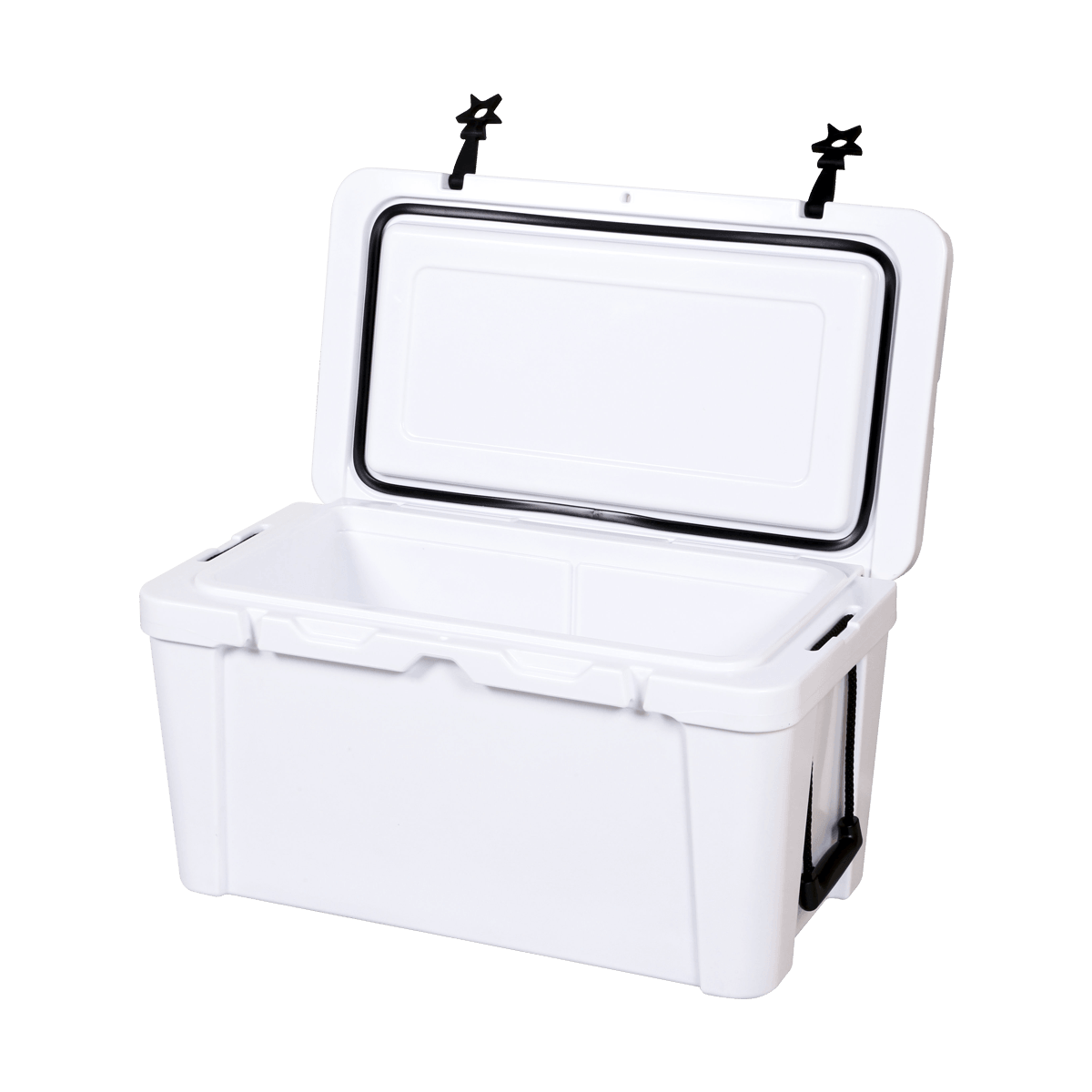
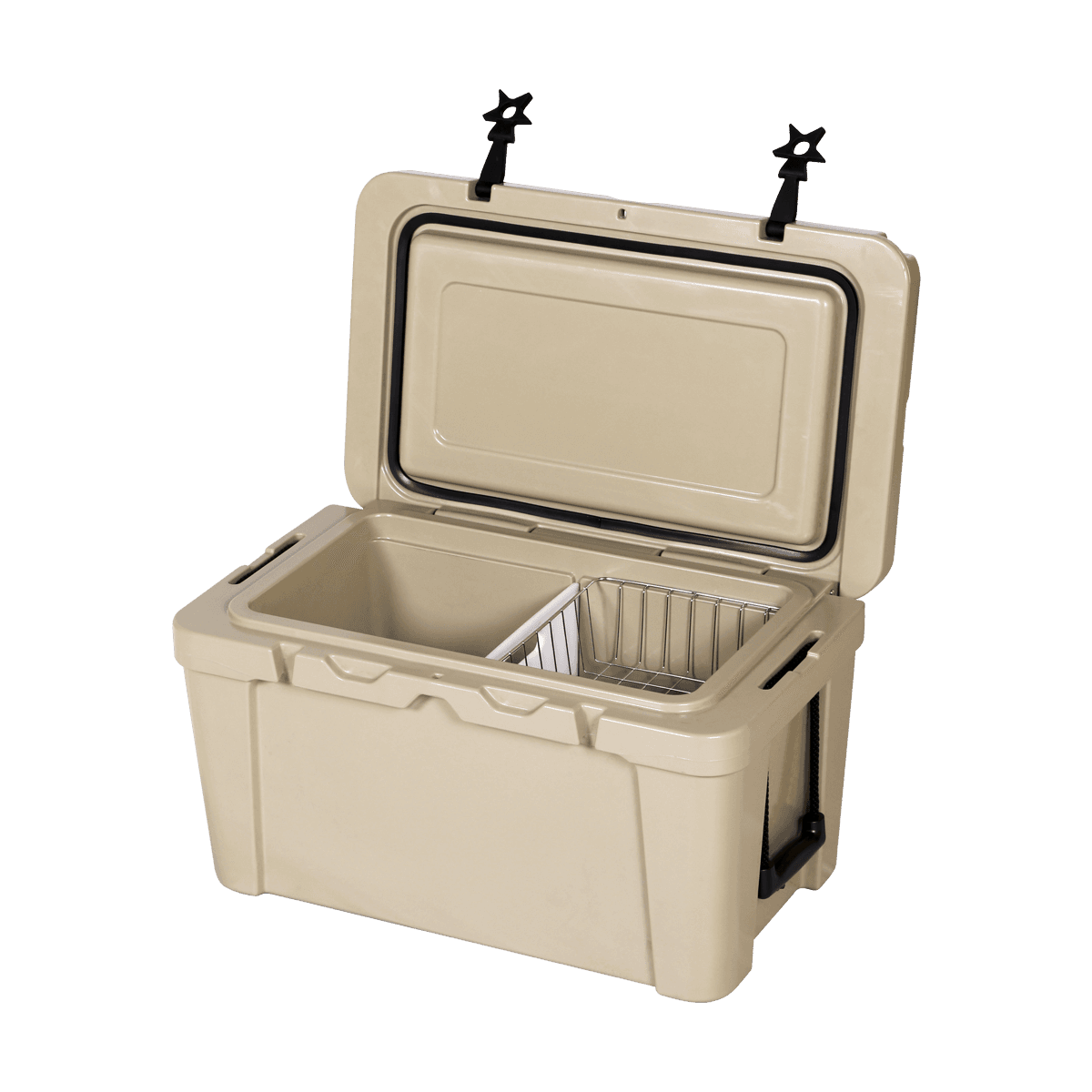
Rotomoulded linear low-density polyethylene, or LLDPE, is a sensible starting point for harsh environments. Because the part is formed in one piece inside a heated mould, there are no welded seams or joints to fail at the corners, and wall thickness can be built up exactly where impact and abrasion occur. Add a double-wall construction with a polyurethane-filled interlayer and the same container gains meaningful thermal resistance, which matters when compound or components need to stay inside a temperature band rather than simply stay dry.
The same design logic supports reuse. A smooth, seamless interior cleans quickly with normal wash-down, rounded corners reduce product trapping, and a damaged shell can often be repaired or refurbished instead of scrapped. The containers we mould at our Ningbo facility follow this approach: one-piece double-wall shells, polyurethane-filled insulation where thermal performance is needed, and LLDPE chosen for impact resistance rather than price.
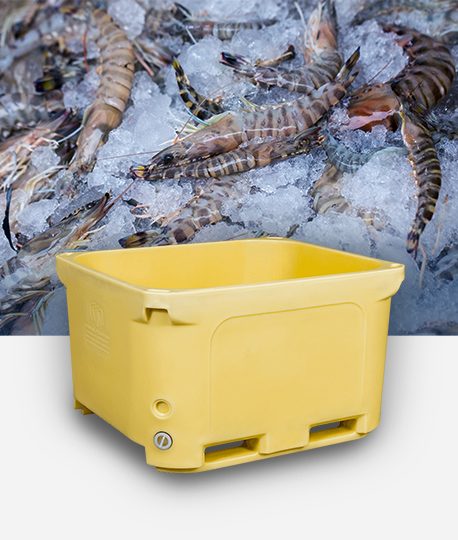
 AF-1000L Solid Insulated Pallet ContainerA pallet-mounted 1000 L container with PUR insulation and four-way forklift access, suited to fresh seafood and cold-chain storage in existing pallet flows.View Product →
Pallet-mounted versions are worth a close look if your plant already runs on standard pallet flows, since they slot into existing racking and truck loading without new equipment.
Building a Return Loop That Actually Pays Off
A reusable container only earns its keep when it comes back. Designing the return leg is often the difference between a system that works and one that quietly drifts back to disposables within a year.
- Standardise the footprint. A small number of container sizes that match your pallets, racks and truck beds will travel further through the business than a wide catalogue.
- Plan the empty leg. Nesting and stacking ratios decide how many empties fit on a returning vehicle, and that number drives the whole cost model.
- Write down the cleaning routine. Who washes, where, with what, and how the container is dried before it is reused.
- Track containers, not just loads. Simple numbering or barcodes make losses visible before they become normal.
- Budget for maintenance. Hinges, lids, casters and seals wear first, and small repairs are far cheaper than replacement.
For smaller components, stackable bins with matching footprints nest when empty and stack when loaded, which keeps both the outbound and the return trip tidy.
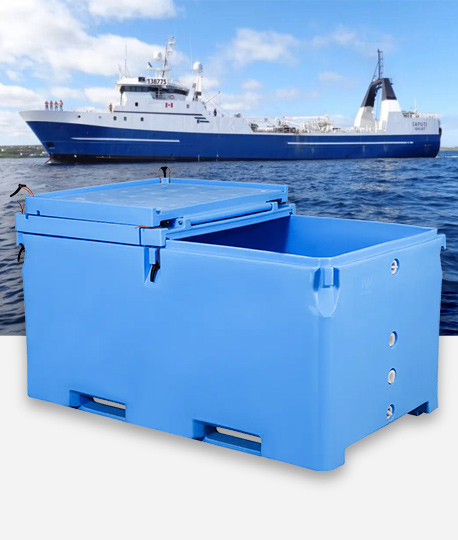
 F-660L Stackable Insulated Food ContainerA 660 L stackable, insulated container with LLDPE+PUR double-wall construction and forklift access, useful for frozen food transport, processing storage, and bulk handling.View Product →
It also helps to agree early on who owns the container at each stage of the journey. When ownership is vague, containers tend to accumulate in the wrong place.
Choosing a Manufacturing Partner
Moving from disposable packaging to a returnable system usually means adapting a container design to your loads rather than picking something off a shelf. Someone has to look at your compound temperature window, pallet size, wash-down arrangements and forklift fleet, then adjust wall thickness, lid design, drainage, casters or nesting geometry accordingly.
We are Ningbo Wanma Plastics, a rotomoulding manufacturer working from a site of more than 10,000 square metres in Fenghua, Ningbo. Since 2008 we have concentrated on insulated and heavy-duty rotomolded containers, with around 50 models shipped to more than 40 countries, from compact ice boxes to 1,700-litre bulk units. A growing share of that work involves adapting our platforms for industrial loads, including insulated material handling containers used in workshops and warehouses. If your loads need something that does not exist yet, our OEM and ODM programme covers mould design, tooling and production.
We would rather ask a few careful questions about your process first, because the right answer is usually a container that fits the way your team already works.
Key Takeaways
- Reusable packaging pays back through protection, handling consistency and reduced waste, not through purchase price alone.
- Match container type to the stage: insulated bulk units for compound, stackable bins for components, pallet-based containers for palletised loads.
- Seamless rotomoulded LLDPE shells, ideally with a polyurethane-filled double wall, handle repeated trips and wash-down far better than assembled boxes.
- The return loop, covering footprint, nesting ratio, cleaning and tracking, decides whether reuse survives its first year.
- Work with a manufacturer who will adapt the design to your loads instead of asking your loads to fit a catalogue.