English
 Español
 عربى
عربى 中文简体
中文简体Content
- 1 What Is an Ice Cooler Box? (And Why It Matters More Than You Think)
- 2 The Main Types of Ice Cooler Boxes
- 3 How to Choose the Right Ice Cooler Box for Your Needs
- 4 How to Use an Ice Cooler Box to Maximize Ice Life
- 5 Packing Your Ice Cooler Box the Right Way
- 6 Ice Cooler Boxes for Specific Use Cases
- 7 How to Maintain and Clean Your Ice Cooler Box
- 8 Key Features to Look For When Buying an Ice Cooler Box
- 9 Styrofoam Coolers vs. Hard Coolers: When to Use Each
- 10 Common Ice Cooler Box Mistakes (and How to Avoid Them)
- 11 Final Recommendations: Which Ice Cooler Box Should You Buy?
Whether you're heading to a beach, setting up camp, tailgating, or just need to keep drinks cold at a backyard party, an ice cooler box is one of the most practical pieces of gear you can own. But not all coolers are created equal — the right choice depends on your use case, budget, and how long you need to keep things cold. This guide cuts straight to what matters: what types exist, how to pick one, how to use it properly, and how to keep it working for years.
What Is an Ice Cooler Box? (And Why It Matters More Than You Think)
An ice cooler box — also called an ice chest, cooler, or icebox — is an insulated container designed to keep contents cold by retaining the temperature from ice or ice packs placed inside. The core principle is simple: the insulation slows the transfer of heat from the outside world into the interior, preserving ice for hours or even days.
The difference between a cheap cooler and a quality one comes down to insulation thickness, seal tightness, and build material. A budget foam cooler might keep ice for 12–24 hours. A premium roto-molded hard cooler can retain ice for 5 to 10 days under the right conditions. That's not a minor difference — it's the difference between a day trip cooler and a week-long expedition companion.
Today's cooler market covers a wide spectrum: from lightweight styrofoam ice chests costing under $5 to high-end insulated hard-sided coolers priced over $500. Knowing which category fits your needs prevents overpaying — or worse, underpaying and ending up with spoiled food.
The Main Types of Ice Cooler Boxes
Understanding the categories is the first step to buying smart. Each type has a distinct use case.
Hard-Sided Coolers
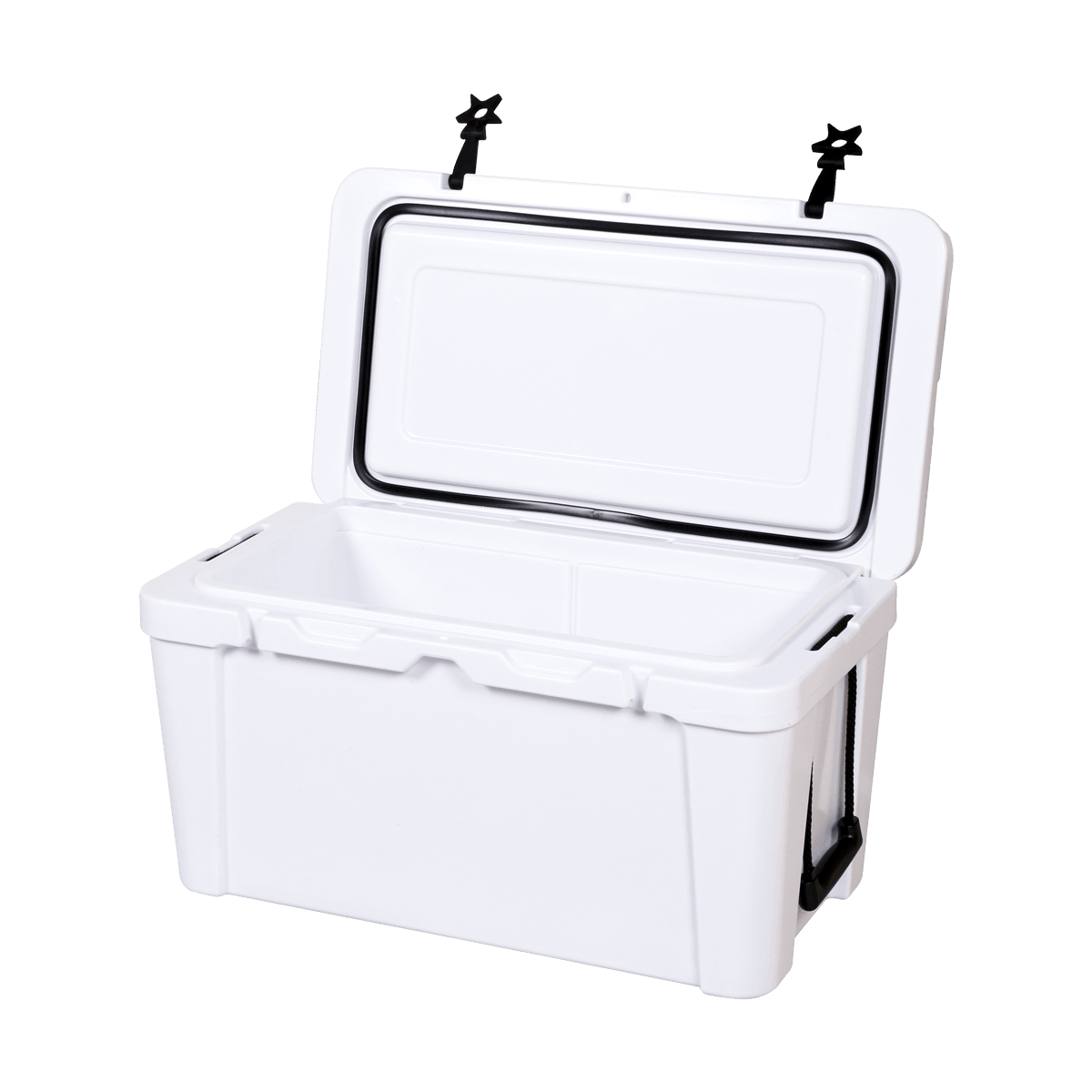
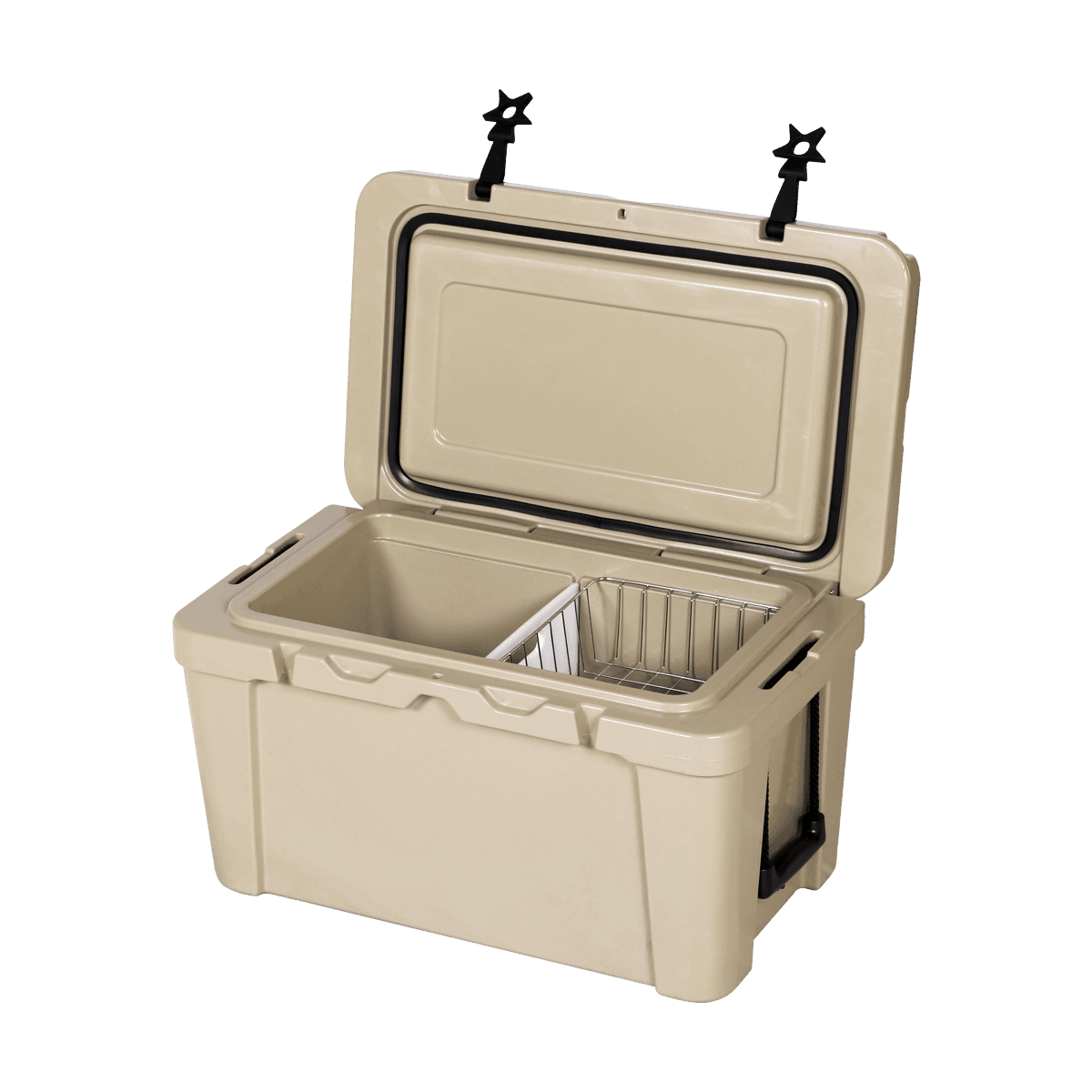
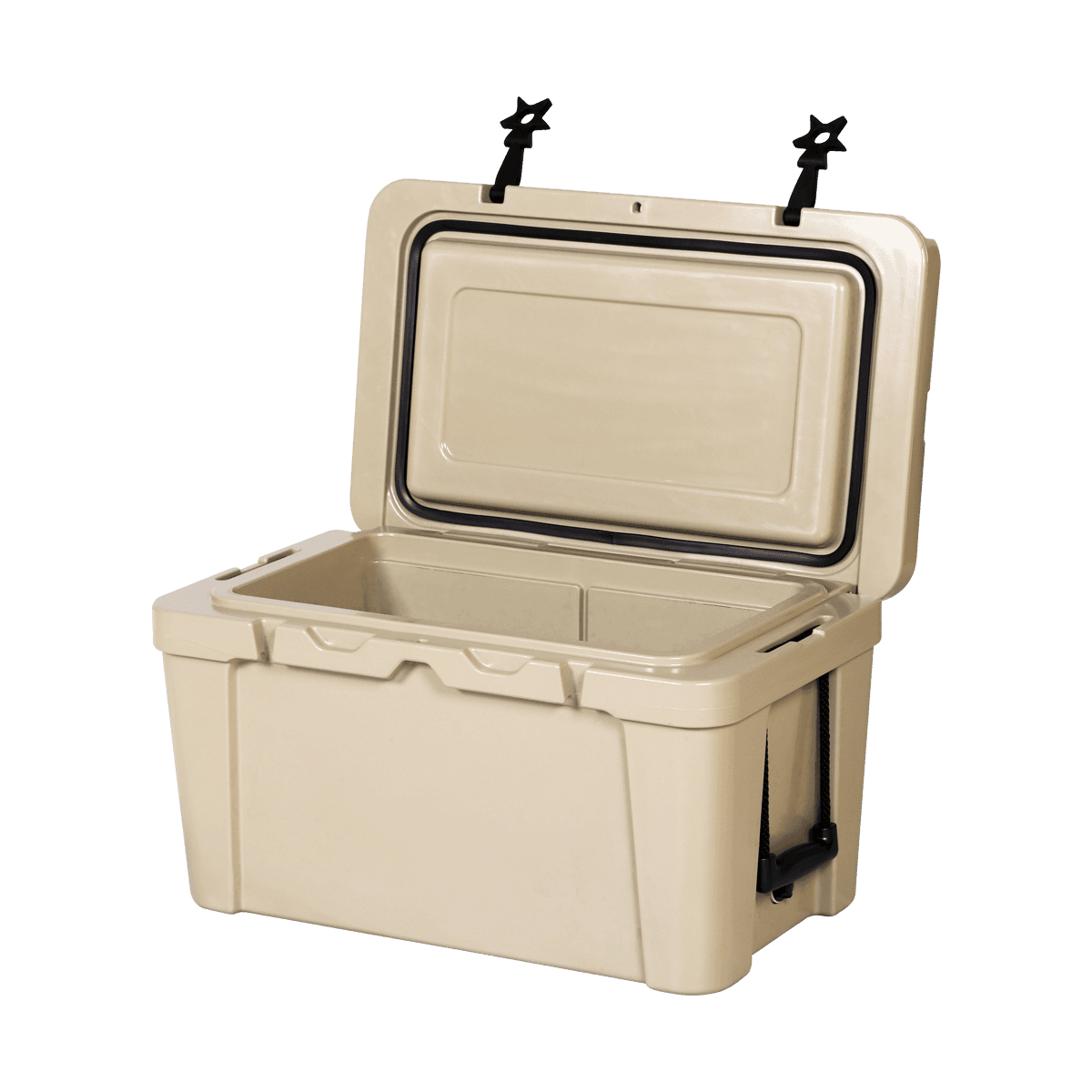
Hard-sided coolers are the workhorses of the cooler world. They use rigid plastic shells with thick polyurethane foam insulation walls. Entry-level models have 1–2 inches of foam; premium roto-molded versions can have up to 3 inches of insulation, yielding ice retention of 5–10 days. Brands like YETI, Coleman, and Igloo dominate this segment.
A large cooler box in this category — say, a 65–100 quart size — is the right choice for group camping trips, fishing expeditions, or road trips lasting multiple days. Expect to pay $50–$100 for a mid-range model and $200–$500+ for a premium roto-molded option.
Styrofoam / Foam Ice Chests
The classic styrofoam ice chest — sometimes called a styrofoam ice box or styro foam cooler — is made from expanded polystyrene (EPS). It's lightweight, inexpensive (often $3–$15), and surprisingly effective for short-term use. A quality large styrofoam ice chest can keep ice for 18–24 hours in moderate weather conditions.
Foam ice chests are ideal for single-day events: a picnic, a tailgate, transporting perishable groceries, or a casual beach outing. They are not reusable in the long run — the foam degrades and cracks with repeated use — but their low cost and disposability can be a feature, not a bug, in the right context.
Soft-Sided Coolers
Soft-sided coolers use flexible insulated fabric shells. They're lighter and more portable than hard coolers, making them popular for day hikes, lunches, and short outings. Ice retention is generally 12–36 hours depending on insulation quality. They fold flat when empty, which is a major space-saving advantage.
Cooler Boxes with Wheels
A cooler box with wheels is essentially a hard-sided cooler mounted on a wheeled trolley frame, often with a telescoping handle. These are the go-to option when carrying capacity is large but physical lifting is a concern. A 70-quart hard cooler fully loaded with ice and food can weigh over 80 lbs (36 kg) — wheels transform that from a two-person job to a one-person pull.
Wheeled coolers are especially popular as an ice chest for beach use, where dragging across sand is unavoidable, and for tailgating events in parking lots.
Insulated Ice Boxes (Premium Category)
The term insulated ice box or ice box insulated is often used to describe high-performance coolers with superior thermal retention. These go beyond standard injection-molded construction: roto-molded one-piece bodies eliminate weak points, and the insulation is typically injected foam rather than pre-formed sheets. If you need ice to last in 90°F+ heat for multiple days, this is your category.
| Type | Ice Retention | Best For | Price Range |
|---|---|---|---|
| Styrofoam Ice Chest | 12–24 hrs | Day trips, single-use events | $3–$15 |
| Soft-Sided Cooler | 12–36 hrs | Day hikes, lunch, short outings | $20–$120 |
| Standard Hard Cooler | 1–3 days | Weekend camping, tailgating | $30–$150 |
| Cooler Box with Wheels | 1–4 days | Beach, large groups, parties | $50–$200 |
| Premium Insulated Ice Box | 5–10+ days | Expeditions, fishing, hunting | $200–$500+ |
How to Choose the Right Ice Cooler Box for Your Needs
The "best" cooler is the one that matches your specific situation. Here are the key factors to evaluate before buying.
Duration: How Long Do You Need to Keep Things Cold?
This is the single most important factor. Be honest about your use:
- Under 24 hours: A styro foam cooler or basic soft-sided cooler is entirely sufficient.
- 1–3 days: A mid-range hard cooler (Coleman Xtreme, for example) is the sweet spot — good performance at a reasonable price.
- 4–7 days: A premium roto-molded insulated ice box becomes worth the investment. The extra insulation thickness makes a dramatic difference over multiple days.
- 7+ days: Consider a combination of a premium cooler and dry ice (more on that below).
Capacity: How Much Space Do You Actually Need?
Cooler capacity is measured in quarts (US) or liters. A general rule of thumb: allow 2 quarts of cooler space per person per day, then add 30–50% extra for the ice itself. Here's a practical breakdown:
- 20–30 quarts: Solo day trip, personal lunch cooler
- 45–55 quarts: 2–3 people for a weekend
- 65–75 quarts: Family of 4 for 3–4 days, or a large beach/party cooler
- 100+ quarts: Large group camping, fishing haul, serious outdoor expeditions
If you're shopping for a large cooler box, note that bigger isn't always better — a cooler that's too large and only half-full will actually lose ice faster because there's more air space to cool.
Portability: Will You Be Carrying or Rolling It?
If you're regularly transporting a full cooler across uneven terrain, parking lots, or sandy beaches, a cooler box with wheels is worth serious consideration. The best wheeled coolers feature large-diameter wheels (4 inches or more) that handle rough surfaces without getting stuck, telescoping handles, and a low center of gravity for stability.
For carrying rather than rolling, look for strong rope handles, wide bail arms, or backpack straps on soft-sided models. A 70-quart cooler full of ice and drinks is simply too heavy for one person to carry far without proper handles.
Use Environment: Beach, Camp, Party, or Home?
Your environment shapes which features matter most:
- Ice chest for beach: Prioritize UV resistance (dark plastic degrades faster in direct sun), sand-resistant feet, and easy drainage. A cooler box with wheels is especially useful on beach trips. Bright colors also help locate your cooler easily.
- Camping cooler box: Durability, bear resistance (for backcountry), and ice retention over multiple days matter most. Many national parks and campgrounds require bear-certified coolers in bear country — look for IGBC (Interagency Grizzly Bear Committee) certification.
- Beer cooling box / party use: Easy access matters — a top-opening cooler requires people to bend down repeatedly. Some party coolers feature front-opening doors or built-in cup holders and bottle openers.
- Fishing/hunting: Look for fish scale-friendly interiors, drain plugs positioned for full drainage, and antimicrobial liners to control odor.
Budget: What Should You Actually Spend?
There's a real performance cliff between price tiers in the cooler market. The biggest performance jump comes at around $50–$80, where you move from thin-walled coolers to models with 2+ inches of genuine polyurethane foam. Above $150, you're paying for premium materials, branding, and marginal ice retention improvements.
For most people who camp or go to the beach a few times a year, a $60–$100 mid-range hard cooler represents the best value. If you're a serious outdoorsman who's out every weekend, the investment in a premium insulated cooler pays off over years of use.
How to Use an Ice Cooler Box to Maximize Ice Life
The single biggest mistake people make with coolers is not pre-chilling them. A warm cooler interior acts like an oven when you first put ice in — the ice has to first cool down the walls before it can do its actual job. Here's the right technique.
Pre-Chill the Cooler the Night Before
At least 12 hours before your trip, fill the cooler with a sacrificial layer of ice (or frozen water bottles) to bring the interior temperature down. Dump that ice out, then load with your real contents and fresh ice. This simple step can extend ice life by 30–50% compared to using a warm cooler.
The Correct Ice-to-Content Ratio
The optimal ratio is 2:1 ice to contents by volume, or at minimum a 1:1 ratio. Fill all gaps and airspace with ice. Air is the enemy of ice retention — every air pocket is a place where warm outside air is trapped and slowly melts your ice from within. When in doubt, add more ice.
Block Ice vs. Cubed Ice: Which Lasts Longer?
Block ice lasts significantly longer than cubed ice because it has less total surface area exposed to warm air. A 10-pound block of ice might last 5–7 days; 10 pounds of cubed ice might last 2–3 days in the same cooler. For maximum performance, use block ice as your base layer and fill gaps with cubed ice to reach into tight spaces.
Using Dry Ice in an Ice Chest: What You Need to Know
Using dry ice for ice chest cooling is a powerful technique for long-duration cold-keeping, but it requires important precautions:
- Temperature: Dry ice is -109.3°F (-78.5°C) — far colder than regular ice. It can freeze everything in contact with it, including food you don't want frozen.
- Placement: Always place dry ice on top of contents, not underneath. Cold air sinks naturally.
- Ventilation: Dry ice sublimates into CO₂ gas. Never store a dry-ice cooler in an enclosed vehicle or small tent — CO₂ buildup can be dangerous. Always crack a window or vent the space.
- Handling: Always use insulated gloves when handling dry ice. Direct skin contact causes frostbite within seconds.
- Quantity: 5–10 lbs of dry ice per 24-hour period in a standard cooler is a typical starting guideline. Premium insulated boxes will need less.
Dry ice works best in a quality ice box insulated hard cooler. Not all coolers are rated for dry ice use — check manufacturer guidelines, as the extreme cold can damage lower-grade plastic.
Minimize Opening and Re-Opening the Cooler
Every time you open the cooler, warm ambient air rushes in. Studies and field tests show that a cooler opened 10 times per day loses ice up to 40% faster than one opened only 2–3 times. Strategies to minimize openings:
- Organize contents before departure so you know exactly where everything is
- Use a dedicated separate beer cooling box for drinks that gets opened frequently, and keep a separate cooler for food that stays closed
- Grab everything you need in one opening rather than going back repeatedly
Keep the Cooler in the Shade
A cooler sitting in direct sunlight can reach exterior surface temperatures of 120°F+ on a hot day, dramatically increasing heat transfer into the interior. Keep it in shade, under a tarp, or cover it with a reflective blanket. On a camping trip or beach day, this single step can add 12–24 hours of extra ice life.
Don't Drain the Cold Water
Unless food items (like bread or chips) will get wet, resist the urge to drain the melted water from your cooler. Cold water is more efficient at keeping contents cold than air is. The cold water helps maintain the overall internal temperature even as ice melts. Only drain if water is reaching undesirable levels or floating out packaged items.
Packing Your Ice Cooler Box the Right Way
The order and organization of packing has a bigger impact on performance than most people realize. Here's the layer-by-layer approach used by experienced campers and outdoor chefs:
- Layer 1 – Bottom ice: Start with a base layer of block ice or ice packs on the very bottom.
- Layer 2 – Dense, pre-chilled food: Meat, dairy, and other items that need to stay coldest go directly above the bottom ice. Always pre-chill your food before it goes into the cooler — warm food is a direct heat source.
- Layer 3 – Middle ice: Pack cubed ice around and between food items to eliminate air gaps.
- Layer 4 – Drinks and frequently accessed items: Place drinks and snacks in the upper zone so you access them without digging through the entire cooler.
- Layer 5 – Top ice: Fill the top with ice. Cold sinks, so having ice on top ensures the entire interior stays cold as it melts down.
For a camping cooler box used over several days, consider using a cooler divider to separate sections — raw meat on one side, ready-to-eat foods on the other. This is not just about organization; it's a basic food safety practice.
Food Safety Temperatures
The FDA defines the "danger zone" for food as 40°F to 140°F (4°C to 60°C) — the temperature range where bacteria multiply rapidly. Your cooler's goal is to keep perishable food below 40°F at all times. Check cooler interior temperature periodically with a thermometer, especially on multi-day trips. When ice is nearly gone and temperatures rise, it's time to replenish — not wait and see.
Ice Cooler Boxes for Specific Use Cases
The Best Camping Cooler Box Setup
For a camping cooler box, the priorities are multi-day ice retention, durability against rough handling, and ideally bear resistance if you're in bear country. The most practical setup for a 3–4 night camping trip for 2–4 people is a 50–65 quart hard cooler loaded with a mix of block ice and cubed ice, kept in the shade of a tree or under a tarp during the hottest hours.
Pair it with a small soft-sided cooler for day hike snacks. That way the main cooler stays shut (and cold) while you're on the trail with your personal cooler.
Ice Chest for Beach Days
Beach use is one of the harshest environments for an ice chest for beach: direct sunlight, hot sand, and repeated opening for drinks. Recommendations:
- Choose a white or light-colored cooler — white reflects up to 90% of sunlight, while dark-colored coolers absorb heat.
- Elevate the cooler off the sand using a folding stand or placing it on a towel — sand conducts heat upward into the bottom of the cooler.
- A cooler box with wheels is a must for beach access that involves walking more than 100 meters across sand.
- Pack drinks in a ratio of at least 1:1 ice to drinks, and use a separate smaller cooler for food.
Beer Cooling Box for Parties and Tailgating
A dedicated beer cooling box for a party has different priorities than a food cooler: it gets opened constantly, needs to hold cans and bottles efficiently, and ideally has a drain for easy cleanup. Tall, rectangular hard coolers work better for bottles than square models. Some beer-specific coolers feature built-in dispensers or tap systems for kegs.
For a party of 20 people over 4 hours, plan on approximately 1 pound of ice per person per hour, plus ice for the drinks themselves — roughly 100–120 lbs of ice total, which requires at least a 65–75 quart cooler (or two smaller ones).
Styrofoam Ice Chests for Shipping and Medical Use
Foam ice chests and large styrofoam ice chest models serve important roles beyond recreation. They're widely used in:
- Seafood and grocery shipping: Styrofoam's insulating properties and low weight make it ideal for shipping perishables via courier services.
- Medical transport: Vaccines, blood samples, and certain medications are transported in medical-grade EPS foam containers with dry ice, maintaining specific temperature windows for hours.
- Catering and food service: Single-use foam ice chests keep prepared food at temperature during transport from kitchen to venue.
How to Maintain and Clean Your Ice Cooler Box
A quality hard cooler, properly maintained, should last 10–20 years. Here's how to protect your investment.
Cleaning After Every Use
Never store a dirty cooler. Mold, mildew, and bacteria can take hold within 24–48 hours if a cooler is stored wet or with food residue. The cleaning process:
- Drain all water and remove all food items.
- Rinse with warm water to remove loose debris.
- Scrub the interior with a solution of warm water and mild dish soap using a soft brush or sponge.
- For stubborn odors or stains, make a paste of baking soda and water, apply, leave for 30 minutes, then scrub and rinse.
- For sanitizing (especially after raw meat contact), use a diluted bleach solution: 1 tablespoon of bleach per gallon of water. Apply, let sit 5 minutes, then rinse thoroughly.
- Air-dry completely — leave the lid open for several hours — before storing.
Dealing with Persistent Odors
If your ice box insulated cooler develops a persistent odor even after cleaning, fill it with crumpled newspaper (which absorbs odors), close the lid, and leave it for 24–48 hours. Alternatively, a bowl of activated charcoal left inside a sealed cooler overnight is highly effective.
Protecting the Lid Seal and Gasket
The rubber or silicone gasket around the lid is what creates the airtight seal responsible for ice retention. Over time, it can dry out, crack, or deform. Inspect the gasket annually, and treat it with a food-safe silicone lubricant or conditioner to keep it pliable. A damaged gasket is often the root cause of a "good cooler" that suddenly performs poorly.
Avoid Common Damage
- Don't use sharp objects: Metal ice picks or sharp knives used inside the cooler can scratch the liner and create micro-cracks where bacteria breed.
- Don't leave it in a hot car trunk long-term: Temperatures inside a parked car can exceed 160°F — enough to warp cheaper plastic coolers and degrade gaskets over time.
- Don't sit or stand on the lid (unless it's specifically rated for it — some premium coolers are certified to support 300+ lbs as a seat).
Long-Term Storage
Store a clean, dry cooler with the lid slightly ajar (prop it open with a small rolled-up towel or use the integrated vent if your model has one). This prevents mold growth and keeps the interior from developing stale odors during off-season storage. Store in a cool, dry place — not outside in direct sunlight, which degrades the plastic and can warp the lid seal over time.
Key Features to Look For When Buying an Ice Cooler Box
When evaluating specific models, these are the features that separate a good cooler from a great one:
| Feature | Why It Matters | What to Look For |
|---|---|---|
| Insulation Thickness | Primary driver of ice retention | 2–3 inches for premium performance |
| Lid Gasket | Prevents warm air infiltration | Wide, continuous gasket; replaceable |
| Drain Plug | Easy water removal after use | Large diameter, leak-proof, removable |
| Latch System | Keeps lid sealed under pressure | Ratchet or T-latch; rubber overmold |
| Handle Design | Ergonomics when loaded and heavy | Rope or bail handles; thick grips |
| Interior Liner | Food safety and easy cleaning | Antimicrobial, smooth, no sharp edges |
| Non-Slip Feet | Stability on wet or sloped surfaces | Rubber feet; textured base |
| Cup Holders / Accessories | Convenience for social use | Integrated holders, bottle opener |
Styrofoam Coolers vs. Hard Coolers: When to Use Each
The debate between foam ice chests and hard coolers comes down entirely to use case. Neither is universally superior — they serve different purposes.
When a Styrofoam Ice Box Is the Right Choice
- You need cold storage for a single day and don't want to clean or lug a hard cooler
- You're shipping perishables and need disposable packaging
- Budget is extremely tight (under $10)
- You need lightweight insulation for an event where weight matters
- You're buying in bulk for an event (seafood boil, outdoor wedding, catering)
When a Hard Insulated Cooler Is Worth It
- You use a cooler more than 5–6 times per year — at that frequency, a $60 hard cooler pays for itself over foam chests within a season
- You need ice to last more than one day
- You need to stand on it (as a camp seat or step), bear-proof it, or put it through rough handling
- You care about reducing single-use plastic/foam waste over time
One practical hybrid approach: keep a large-format insulated ice box as your primary cooler and stock a few styrofoam ice boxes for overflow, giving away leftovers, or single-use needs during large events. This covers nearly every scenario without over-investing in multiple hard coolers.
Common Ice Cooler Box Mistakes (and How to Avoid Them)
Even experienced outdoor enthusiasts make these errors. Avoid them and your ice will last noticeably longer:
- Putting warm food directly in the cooler: Warm food melts ice dramatically. Always pre-chill everything in your home fridge before packing.
- Not pre-chilling the cooler itself: As noted above, a warm cooler interior consumes a significant portion of your ice before anything else does.
- Draining cold water too early: Cold water is still doing refrigeration work. Let it stay until necessary.
- Using a cooler that's too big for the contents: Air space is the enemy. If your cooler is half-full of food, fill the other half with ice, not air.
- Placing the cooler in direct sun: Even an hour of direct sun exposure can significantly reduce ice life on a hot day.
- Using only bag ice when block ice is available: Block ice is always the better base. If you can get a block, use it.
- Neglecting cleaning: A dirty cooler performs worse because residue absorbs heat differently, and mold and odors make it unpleasant to use — which means people buy a new one when cleaning would have fixed the problem.
Final Recommendations: Which Ice Cooler Box Should You Buy?
To cut straight to the bottom line for different buyer types:
- Occasional use, day trips: A quality styrofoam ice chest (large size) or a soft-sided cooler in the $20–$40 range is all you need. Don't overspend.
- Regular camping or beach trips: A 45–65 quart hard cooler in the $60–$120 range from a reputable brand like Coleman, Igloo, or AO Coolers. This is the sweet spot for value.
- Beach and party focus: A cooler box with wheels in the 60–75 quart range — mobility is worth every dollar when you're crossing sand or a parking lot.
- Serious outdoorsman / multi-day expeditions: A premium roto-molded insulated ice box (YETI Tundra, Orca, or Pelican) combined with dry ice technique. Yes, they're expensive. Yes, they're worth it for heavy use.
- Large groups and events: Two mid-range coolers — one dedicated beer cooling box and one food cooler — beats one giant cooler every time. You'll open the drink cooler 50 times and the food cooler 5 times; keeping them separate saves ice dramatically.
The ice cooler box market has never offered better options across every price tier. Whether you need a disposable styrofoam ice box for a one-off event or a premium ice box insulated cooler that will outlast a decade of adventures, the right choice exists at every budget. Apply the principles in this guide — pre-chilling, ice ratios, sun avoidance, and proper maintenance — and you'll get significantly more from any cooler you choose.
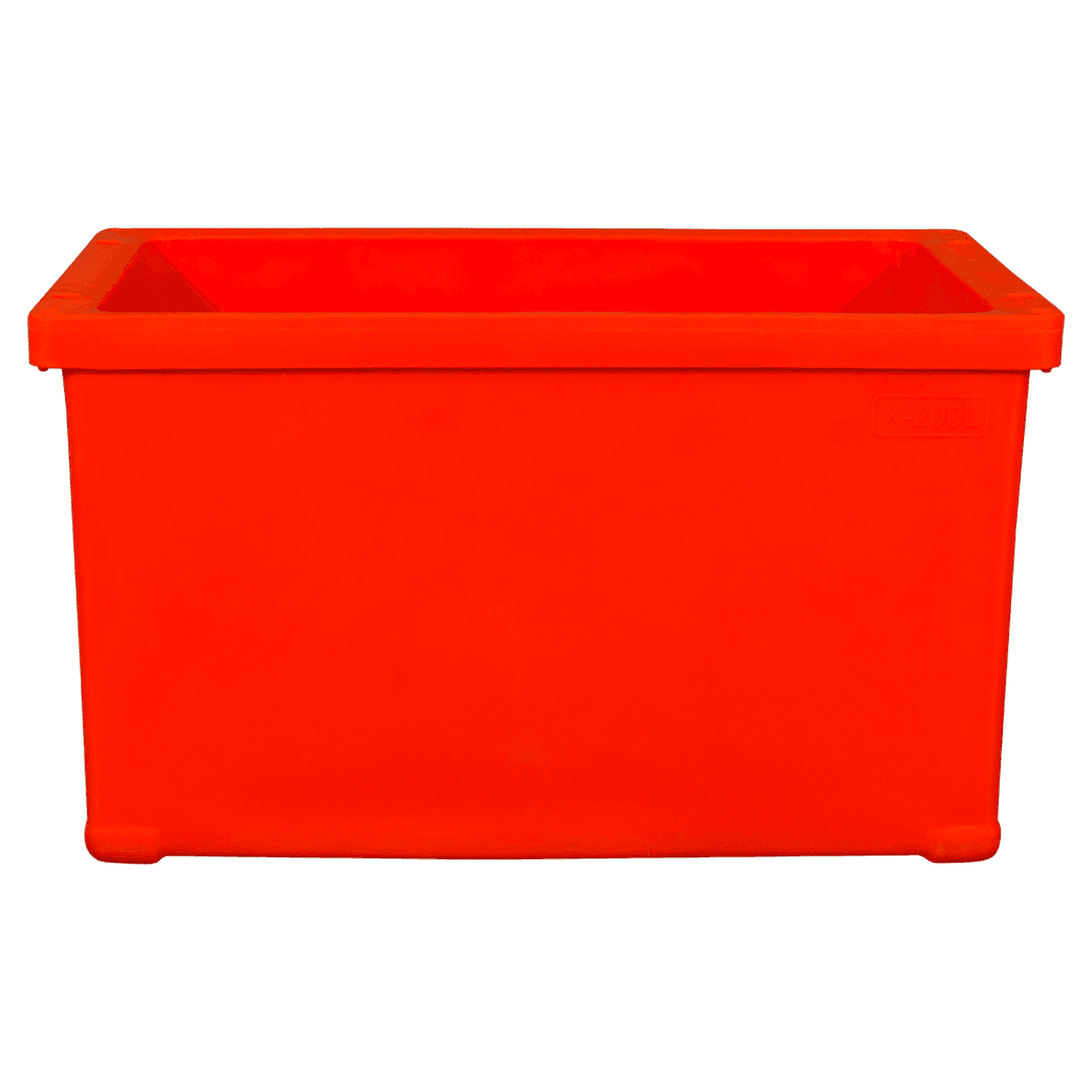
-4.png "X-120L Insulated Fish Bin Ice Cooler Box")
-4.png "X-70L Insulated Fishing Ice Cooler Box")
-2.png "X-68L Ice Cooler Box To Keep Food Cold And Fresh")
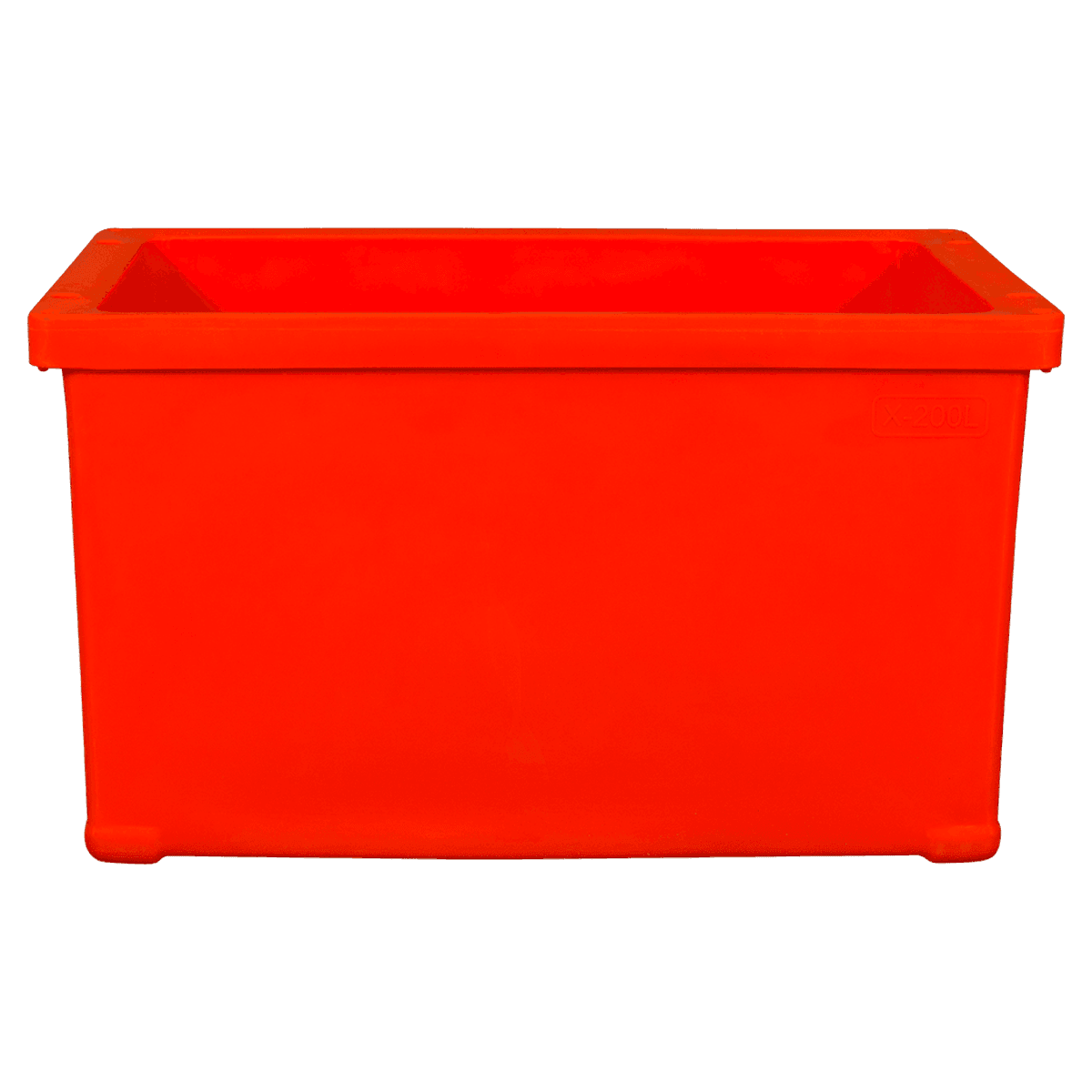
-2.png "X-120L Live Seafood Transportation Tanks")
-2.png "X-70L Live Seafood Transportation Tanks")