English
 Español
 عربى
عربى 中文简体
中文简体Yes, insulated food containers are safe for everyday use, as long as they are made from food grade, BPA free materials and used within their intended temperature range. Modern insulated foam boxes, insulated plastic containers, and thermal food jars go through food contact safety testing before they reach store shelves, and when the outer shell, inner liner, and seals are made correctly, they keep food at a safe temperature without leaching harmful chemicals into your meal.
This guide breaks down what insulated food containers are actually made of, how they compare to an expanded polystyrene box, when a bento box insulated design is the better choice, and how to pick the right cooler size for camping, hunting, or a weekend trip. Every section is written to answer one practical question at a time, so you can jump straight to the part you need.
Food safety questions around insulated containers tend to fall into two broad categories. The first is a question about materials, meaning whether the plastic, foam, or steel that makes up the container is safe to be near food at all. The second is a question about performance, meaning whether the container actually keeps food at a safe temperature long enough to matter for a given trip or workday. Both questions deserve a clear answer, and both are covered in detail below, along with real world sizing guidance for coolers used in camping, hunting, and everyday food storage.
What Is the Healthiest Container to Store Food In
What is the healthiest container to store food in is one of the most common questions people ask once they start paying closer attention to what touches their meals. The short answer is that the healthiest container is one made from food grade stainless steel, glass, or certified BPA free plastic, paired with a sealed lid that keeps air and moisture out. For hot or cold meals that need to hold a temperature for several hours, a well built insulated food container adds a layer of protection that a plain plastic box cannot offer, because the insulation slows down heat transfer and reduces the temperature swings that allow bacteria to multiply.
Three qualities separate a genuinely healthy container from one that only looks safe on the shelf.
- Certified food contact material. Look for containers labeled BPA free, food grade, or tested to FDA or LFGB standards, since these labels mean the plastic or foam has been checked for substances that could migrate into food.
- A tight, reliable seal. A container that seals well keeps warm food warm and cold food cold, which matters more for food safety than most people realize, because bacteria grow fastest between 40 and 140 degrees Fahrenheit.
- Material matched to the meal. Soups and sauces do well in a stainless steel insulated food jar, while dry snacks or a full meal with separate compartments are often better suited to a bento box insulated design or a rigid insulated plastic container.
No single material wins in every situation. Glass is inert and does not absorb odors, but it is heavy and not insulated on its own. Stainless steel is durable and naturally resists bacteria, and it is the material most thermal food container brands use for the inner liner. Food grade plastic, when certified BPA free, is lightweight and affordable, which is why it remains the most common choice for daily lunch boxes and picnic coolers.
It is also worth noting that the healthiest container for one meal is not always the healthiest container for another. A parent packing a school lunch may prioritize a lightweight, break resistant bento box insulated design that a child can carry and open without help, while a hunter transporting a large amount of fresh meat will prioritize a heavy duty insulated plastic cooler with a drain plug and thick walls over anything designed for portability. Thinking about the specific meal, the number of hours before it will be eaten, and who will be handling the container is a more useful starting point than searching for one single best material that applies to every situation.
How Insulated Food Containers Work
An insulated food container, sometimes called a thermal food container, works by slowing down the transfer of heat between the food inside and the air outside. Most designs rely on one of three insulation methods, and understanding the difference helps explain why some containers keep food warm for six hours while others only manage two.
Each method has a place. Vacuum insulated jars are the top performer for holding a single serving of soup or coffee near its starting temperature for the longest time. Foam boxes, including the classic expanded polystyrene box used by seafood and meal delivery companies, are prized for being lightweight and inexpensive while still giving strong short term insulation. Insulated plastic containers with a foam core are the most common choice for coolers and bulk food transport because they are rigid, stackable, and easy to clean.
Heat and Cold Retention Comparison
The chart below shows a general comparison of how long each container type can keep contents within a safe temperature range under normal room conditions. Actual results vary by brand, wall thickness, and how full the container is packed.
The wide range for coolers reflects wall thickness and how well the lid seals, since a thick walled insulated plastic container with a gasketed lid can outperform a thin walled model by two or three times.
Why Wall Thickness and Material Density Matter
The insulating power of any container comes down to how much it slows conductive heat flow, which is largely a function of wall thickness and material density rather than brand name alone. A thin single wall plastic box, even if it is marketed as insulated, offers only a fraction of the protection of a container with a true insulated core, whether that core is dense expanded polystyrene, closed cell foam, or a vacuum gap. This is why two products that look similar on a store shelf can perform very differently once they are actually packed with hot soup or cold drinks and left in a warm car for a few hours.
Density also affects how an insulated foam box or expanded polystyrene box holds up over repeated use. A higher density foam resists crushing and holds its insulating air pockets intact for more cycles, while a low density foam can compress after a few uses and lose much of its original insulating value. Buyers who plan to reuse a foam container multiple times, rather than treating it as single use packaging, should look for a higher density rating if the specification is available from the manufacturer.
Expanded Polystyrene Box vs Insulated Plastic Containers: A Safety Comparison
People often ask whether an expanded polystyrene box is as safe as a rigid insulated plastic container, since both are common in food delivery and cold chain shipping. Both materials are approved for food contact in most regions when manufactured correctly, but they differ in durability, reusability, and how they perform under stress.
| Feature | Expanded Polystyrene Box | Insulated Plastic Containers |
| Food contact safety | Safe when food grade certified, should not be microwaved | Safe when BPA free certified, many are microwave and dishwasher safe |
| Reusability | Usually single or limited use | Built for hundreds of reuse cycles |
| Weight | Very lightweight | Moderate weight, more durable |
| Insulation strength | Strong for short term shipping | Strong for extended cold or hot holding |
| Impact resistance | Cracks and crumbles under pressure | Resists drops, stacking, and rough handling |
| Typical use case | Seafood shipping, produce boxes, one time deliveries | Daily meal prep, coolers, catering, camping, hunting |
| Best paired with | Gel ice packs for short trips | Reusable ice packs or dry ice for multi day trips |
In practice, the two materials often work together rather than compete. A rigid insulated plastic cooler is frequently used as the outer shell, while an expanded polystyrene box or foam liner adds an extra layer of insulation inside for products like frozen seafood or vaccines that need very stable temperatures during transit.
Safety note. An insulated foam box should never be placed directly in a microwave unless it is specifically labeled microwave safe, since standard expanded polystyrene can warp or release odor compounds under high heat. Insulated plastic containers made from certified food grade polypropylene are more commonly rated for microwave reheating, but always check the base of the container for the correct symbol before heating.
Health Benefits of Using a Warm Food Container Every Day
Switching from a plain plastic box to a proper warm food container is a small change that adds up over a work week or a school term. The main benefit is food safety, but there are practical lifestyle benefits as well.
- Keeps food out of the bacterial danger zone. A well insulated container holds hot food above 140 degrees Fahrenheit and cold food below 40 degrees Fahrenheit for longer, which reduces the window where bacteria can multiply quickly.
- Preserves taste and texture. Rice, soup, and stir fried dishes taste closer to freshly cooked when they are kept at a stable temperature instead of slowly cooling to room temperature in an open lunch box.
- Reduces reliance on reheating. Fewer trips to a shared office microwave mean less risk of uneven reheating, which is a common cause of cold spots where bacteria can survive.
- Supports portion control. A structured thermal food container, especially a bento box insulated model with fixed compartments, naturally encourages balanced portions of protein, carbohydrate, and vegetables.
- Cuts down on single use packaging. A reusable insulated food jar or lunch container replaces disposable takeout boxes, which is both a health and an environmental benefit for people who eat on the go.
For families with young children, a warm food container also solves a common mealtime problem, since children are more likely to finish a meal that is still warm and appealing rather than a lukewarm portion that has been sitting in a bag since morning. For workers with irregular schedules, a well sealed insulated food jar means a meal packed at six in the morning can still be safe and enjoyable at lunchtime, even without access to a refrigerator or microwave.
There is also a nutritional argument for using a proper thermal food container instead of relying on vending machines or fast food when a stored meal turns out unappealing after hours of sitting out. When a homemade lunch stays close to its intended temperature and texture, people are more likely to actually eat it rather than discard it in favor of a less healthy convenience option nearby. Over weeks and months, this small behavioral shift can support more consistent eating habits, better portion awareness, and lower spending on takeout, all of which trace back to something as simple as the container the food was packed in.
For people managing specific dietary needs, such as diabetics who need to eat on a consistent schedule or athletes who need a precise post workout meal, a reliable warm food container removes one more variable from the day. Knowing that a prepared meal will still be at a safe and appetizing temperature several hours later makes it easier to stick to a nutrition plan without needing access to a kitchen at the exact moment the meal is needed.
Insulated Food Jar and Bento Box Insulated Options for On the Go Meals
Not every meal fits the same container. Choosing between an insulated food jar, a bento box insulated design, or a wider insulated plastic container depends mostly on what you are eating and how long the food needs to stay at temperature.
Insulated Food Jar
An insulated food jar is the best choice for liquid or semi liquid meals such as soup, stew, oatmeal, or noodles in broth. Vacuum insulated steel jars are the top performer here, and a good quality jar can hold soup near serving temperature for six hours or longer. Look for a wide mouth opening if you plan to eat directly from the jar, and a narrower opening if you mainly want to pour the contents into a bowl.
Bento Box Insulated
A bento box insulated design separates a meal into compartments, which keeps textures distinct, for example rice staying dry while sauce stays contained. Insulated bento boxes usually combine an outer thermal shell with inner stainless steel or BPA free plastic trays, giving a balance between temperature retention and the convenience of a multi compartment layout. This style works well for people who want variety in a single meal, such as a main dish, a side of vegetables, and a small snack, without flavors mixing together.
Warm Food Container for Larger Portions
For a single large portion, such as a full serving of pasta or curry, a wide mouth warm food container with a simple screw top lid is often more practical than a jar, since it allows easier access with a fork or spoon and is easier to clean afterward.
When comparing products across these three categories, it also helps to check how each one is meant to be opened during the meal. A narrow mouth insulated food jar is built to be poured or eaten from with a spoon in short sessions, so it holds heat well precisely because it stays closed most of the time. A bento box insulated design, by contrast, is usually opened once and left open while eating, which means its insulation matters most for the time between packing and the start of the meal rather than during the meal itself. Matching the container style to these real eating habits, rather than choosing based on appearance alone, is what determines whether the food is still at a good temperature by the time it is actually eaten.
Choosing the Right Cooler Size
Cooler size is one of the most overlooked details when people shop for insulated storage, yet picking the wrong cooler size is the most common reason food does not stay cold as long as expected. A cooler that is too large for its contents wastes cold air on empty space, while a cooler that is too small forces you to overpack ice or skip items entirely. Understanding what size cooler you actually need starts with matching capacity to trip length and group size.
It also helps to separate two different jobs a cooler can do, since people often shop for one cooler size when they actually need two coolers doing different jobs. A food cooler holding perishable items like meat, dairy, and prepared meals should be opened as little as possible to keep its internal temperature stable, while a drink cooler that gets opened constantly throughout the day is better kept separate so the food cooler is not repeatedly exposed to warm outside air. Splitting these two purposes across a smaller drink cooler and a dedicated food cooler is a simple change that noticeably extends how long perishable items stay safely cold on a long trip.
Cooler Sizes Chart
The cooler sizes chart below gives a general starting point based on quart capacity, which is the standard measurement most cooler brands use.
| Cooler Size | Approximate Capacity | Best Use |
| 16 to 20 quart | 1 to 2 people, day trip | Beach day, short picnic, single sport practice |
| 25 to 30 quart | 2 to 4 people, one day | Day hike, tailgate, small family outing |
| 35 to 45 quart | 4 to 6 people, weekend trip | Best cooler size for weekend camping trips |
| 50 to 65 quart | 6 to 8 people, multi day trip | Extended camping, group fishing trip |
| 70 to 100 quart | 8 or more people, or bulk storage | Cooler for deer meat, large game processing, long expeditions |
| 100 plus quart | Commercial or heavy duty use | Catering events, boat trips, off grid storage |
These figures are a general guide rather than a fixed rule, since two coolers of the same listed capacity can hold noticeably different amounts of usable space depending on wall thickness and internal shape.
What Size Cooler Do You Actually Need
To decide what size cooler fits your situation, work through three quick questions before you buy.
- How many people are you feeding, and for how many days? A simple planning rule is to allow roughly 8 to 10 quarts of cooler space per person per day for food and drinks combined, then add extra room for ice.
- How much ice retention time do you need? Longer trips need a thicker insulated wall and a larger overall cooler size, since more ice is needed to maintain temperature over several days, and that ice itself takes up space.
- What are you storing besides food? Bulky items like whole cuts of meat, a cooler for deer meat after a hunt, or large drink bottles need more usable interior volume than the raw quart number suggests.
Best Cooler Size for Weekend Camping Trips and Cooler for Deer Meat
Two situations come up often enough that they deserve their own breakdown: picking the best cooler size for weekend camping trips, and choosing the right cooler for deer meat after a successful hunt.
Best Cooler Size for Weekend Camping Trips
For a typical weekend camping trip of two to three nights with a group of four to six people, a 35 to 45 quart insulated plastic cooler is usually the sweet spot. This size holds enough food and drinks for the group while still leaving room for ice, and it remains manageable enough for one or two people to lift and load into a vehicle. Campers heading out for a full week, or groups larger than six, generally move up to the 50 to 65 quart range, paired with a second smaller cooler dedicated to drinks so the main food cooler is opened less often, which helps it hold temperature longer.
Cooler for Deer Meat
A cooler for deer meat has different requirements than a cooler for drinks and snacks, because it needs to safely hold a large volume of fresh meat at a cold, stable temperature, sometimes for several days during transport and initial processing. Hunters generally look for a 70 to 100 quart or larger insulated cooler with thick walls, a drain plug for meltwater, and enough depth to lay quarters flat without excessive folding. Packing the meat with a layer of ice both above and below, rather than only on top, helps maintain even cooling throughout transport.
Practical tip. For deer meat specifically, pre chilling the cooler with ice for an hour before loading the meat, and draining melted water regularly rather than letting meat sit in standing water, both help preserve meat quality and food safety during the trip home.
Safety Tips for Using Insulated Containers Correctly
Even a well made insulated food container or cooler cannot fully protect food if it is used incorrectly. These practical habits make a real difference in day to day safety.
- Pre heat an insulated food jar with boiling water for a minute before adding hot food, and pre chill it with cold water before adding cold food, since starting the container at the right temperature extends how long the contents stay safe.
- Fill a thermal food container as close to full as possible, since a mostly empty container has more air space that allows temperature to drift faster.
- Check the lid seal regularly for cracks or worn gaskets, since a compromised seal is the most common reason an otherwise good insulated plastic container stops performing well.
- Wash containers with warm soapy water and let them air dry fully before sealing them closed, since trapped moisture in a closed container can encourage mold growth between uses.
- Avoid leaving any food container, insulated or not, at unsafe temperatures for more than two hours, since insulation slows temperature change but does not stop it indefinitely.
- Replace an expanded polystyrene box after each use rather than reusing it for raw food storage, since foam surfaces are harder to fully sanitize than rigid plastic or steel.
- Keep raw meat separated from ready to eat items inside a shared cooler, ideally in a sealed bag on the bottom, so any leakage cannot come into contact with food that will not be cooked again before eating.
- Label containers with the date they were packed when meal prepping several days in advance, since even a well insulated container is not a substitute for proper refrigeration over multiple days.
- Store spare gaskets or replacement lids for frequently used containers, since a worn seal is inexpensive to replace but expensive in food waste if it goes unnoticed.
None of these habits require special equipment or extra cost, but together they close the gap between a container that is theoretically safe based on its materials and a container that is actually kept safe through consistent daily use. Insulation reduces risk, but it works best as one part of a broader food safety routine rather than a replacement for basic hygiene and common sense timing.
A Buying Checklist for Insulated Food Containers
With so many shapes and materials on the market, it helps to walk through a short checklist before buying an insulated food container, an insulated food jar, or a full sized cooler. The following points apply whether you are buying one item for personal use or sourcing products in bulk for a retail line.
Common Myths About Insulated Food Containers
A few misconceptions come up repeatedly when people discuss insulated food containers, and clearing them up helps set realistic expectations for how these products actually perform.
Myth: All plastic containers are unsafe once BPA is mentioned
Not all plastics contain BPA, and modern food grade plastics used in most insulated plastic containers are manufactured specifically without it. The presence of an old news story about BPA in plastics does not mean every plastic container on the market today carries the same risk, particularly when a product is clearly labeled BPA free and tested accordingly.
Myth: Foam containers cannot be recycled or reused at all
While a standard expanded polystyrene box is often treated as single use, some regions do accept clean foam for recycling through specialized programs, and higher density insulated foam boxes marketed for repeated use can be washed and reused several times before they need replacing.
Myth: A bigger cooler always keeps food colder for longer
Cooler size alone does not determine how long food stays cold. Wall thickness, lid seal quality, how full the cooler is packed, and how often it is opened all matter as much as raw capacity. A smaller, well insulated cooler packed efficiently can outperform a larger cooler that is only half full or opened frequently throughout the day.
Myth: Insulated containers do not need to be washed as often since they stay sealed
Insulation has no effect on how quickly bacteria can grow once food is inside the safe temperature range for eating, or once a container is opened and closed repeatedly. Every insulated food container, jar, or cooler still needs regular washing and full drying between uses, exactly like any other food storage item.
Why Choose Ningbo Wanma Plastics Co., Ltd for Insulated Food Containers
Ningbo Wanma Plastics Co., Ltd manufactures a wide range of insulated food containers, insulated plastic containers, thermal food container lines, and cooler products for both household and commercial buyers. For businesses and distributors looking for a reliable supply partner, Ningbo Wanma Plastics Co., Ltd offers several advantages worth considering.
- Food grade, BPA free material sourcing across the full insulated plastic container and cooler product range.
- Manufacturing experience covering insulated foam boxes, expanded polystyrene box packaging, insulated food jars, bento box insulated designs, and multiple cooler sizes from compact day coolers to large capacity coolers suited for a cooler for deer meat or bulk transport.
- Custom mold development for buyers who need a specific cooler size, wall thickness, or container shape for a private label product line.
- Quality control processes aligned with food contact safety expectations, supporting buyers who need consistent, certifiable products for retail or export markets.
Whether the requirement is a compact insulated food jar for daily commuters, a bento box insulated line for a retail catalog, or a large insulated plastic cooler suited to weekend camping trips and outdoor supply chains, Ningbo Wanma Plastics Co., Ltd works with buyers to match product specifications to real world use cases.
For buyers evaluating multiple suppliers, it is worth asking each candidate for sample units across different cooler sizes and wall thicknesses, since a supplier able to demonstrate consistent insulation performance across a full size range, from a small insulated food jar up to a large capacity cooler suited to a cooler for deer meat or bulk transport, is generally better positioned to support a growing product line without requiring a change of manufacturer later.
Frequently Asked Questions
What is the healthiest container to store food in?
The healthiest container to store food in is one made from certified food grade material, such as BPA free plastic, food grade stainless steel, or glass, combined with a tight sealing lid. For meals that need to stay warm or cold for several hours, an insulated food container built from these same certified materials adds the extra benefit of stable temperature control.
Is an expanded polystyrene box safe for reheating food?
Standard expanded polystyrene should not be reheated in a microwave unless the packaging is specifically labeled microwave safe, since regular foam can warp or release odor compounds under high heat. It remains safe for holding food at ambient or chilled temperature during shipping and short term storage.
How long does a thermal food container keep food safe to eat?
A quality vacuum insulated thermal food container can keep hot food above the safe temperature threshold for roughly six to twelve hours, and cold food safe for a similar range, depending on how full the container is and how often it is opened.
What size cooler should I buy for a family of four on a weekend trip?
For a family of four on a two to three night trip, a 35 to 45 quart insulated cooler is generally the best cooler size for weekend camping trips, giving enough room for food, drinks, and ice without becoming too heavy to carry.
Can insulated plastic containers be washed in a dishwasher?
Many insulated plastic containers are dishwasher safe, but this depends on the specific product, so it is best to check the base of the container for a dishwasher safe symbol before washing it that way, since some insulated seals can loosen under repeated high heat cycles.
What cooler size is best for storing a whole deer after processing?
Most hunters find a 70 to 100 quart or larger insulated cooler necessary for a cooler for deer meat, since the goal is to lay quarters as flat as possible while surrounding them with ice on multiple sides, and a smaller cooler usually cannot fit the meat without excessive folding or stacking that slows even cooling.
Do insulated food jars work for cold food as well as hot food
Yes, a vacuum insulated food jar works equally well in both directions, since the vacuum layer slows heat transfer regardless of whether the contents start hot or cold. The same jar can be used for hot soup on one day and a cold fruit salad or chilled smoothie on another, as long as it is rinsed and dried between different uses.
Conclusion
Insulated food containers, whether in the form of an insulated foam box, an expanded polystyrene box, a vacuum insulated food jar, a bento box insulated design, or a full sized cooler, are safe to use when they are made from certified food grade materials and used within their intended purpose. Choosing the healthiest container to store food in comes down to matching the material and the insulation type to the meal, the trip length, and the temperature it needs to hold. For daily meals, a warm food container or insulated food jar keeps portions safe and enjoyable for hours. For outdoor trips, matching the right cooler size, whether that is a 35 quart cooler for a weekend getaway or a large capacity cooler for deer meat after a hunt, makes the difference between food that stays fresh and food that goes to waste. Buyers and businesses looking for a manufacturing partner across this full range of products can look to suppliers such as Ningbo Wanma Plastics Co., Ltd for food grade, tested, and customizable insulated container solutions.
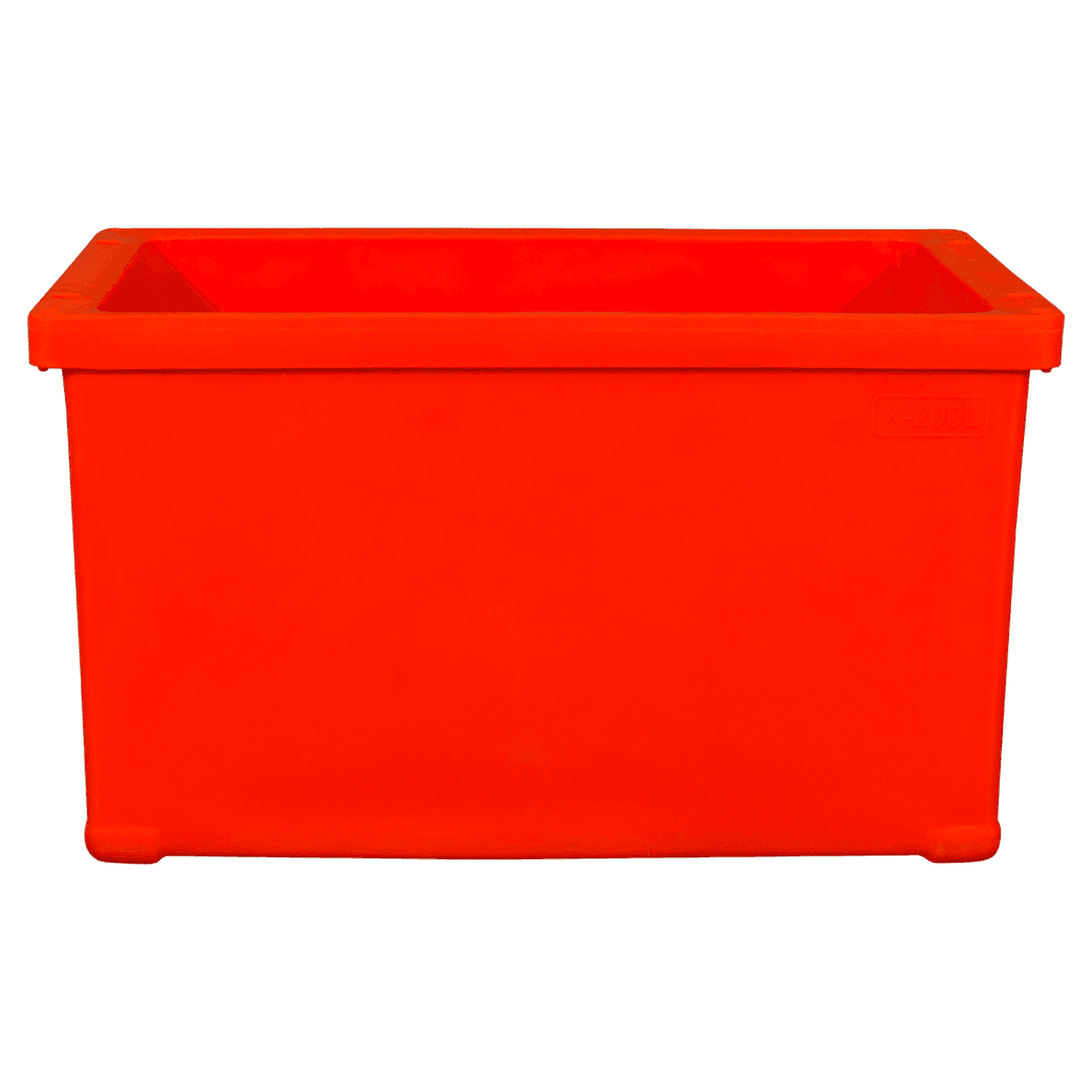
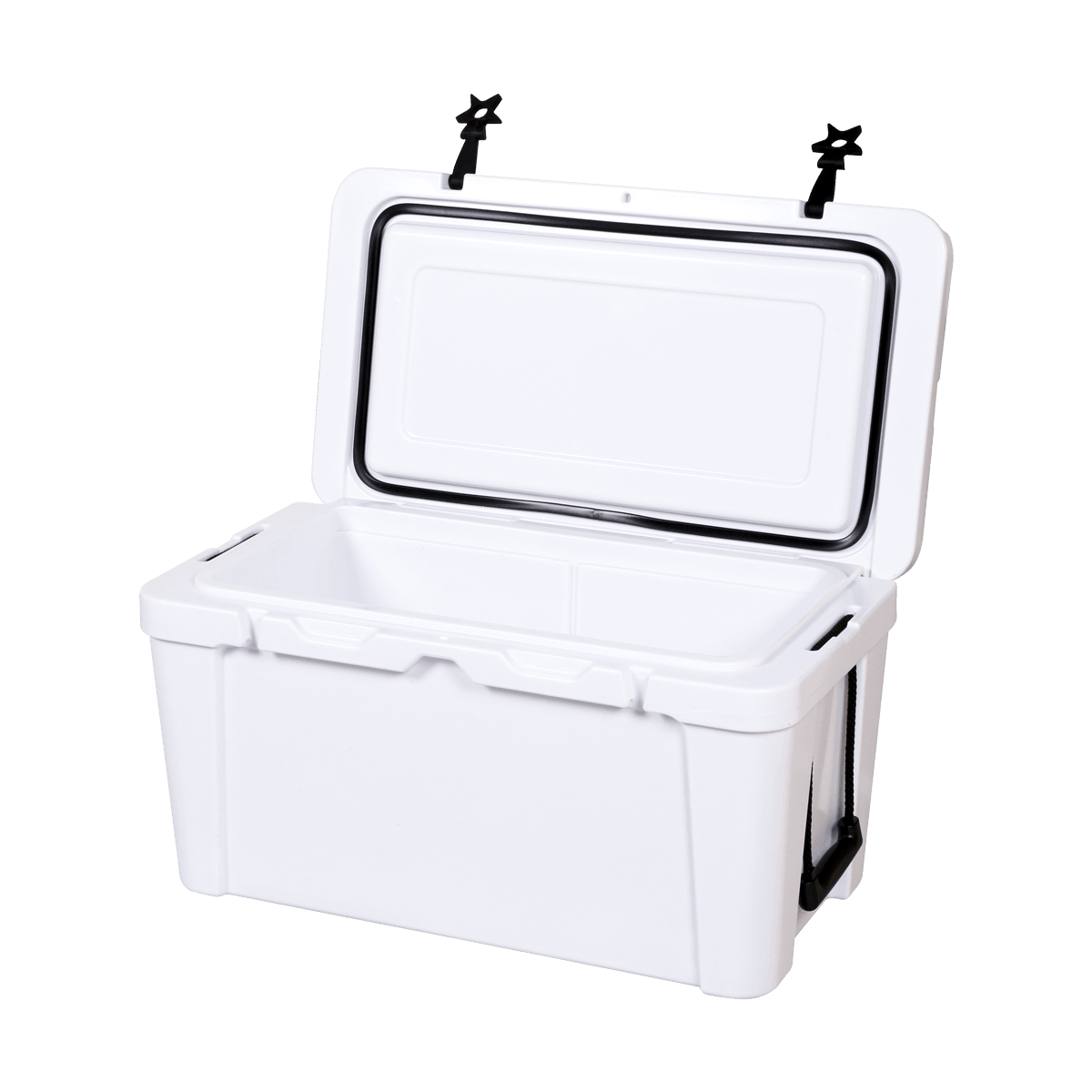
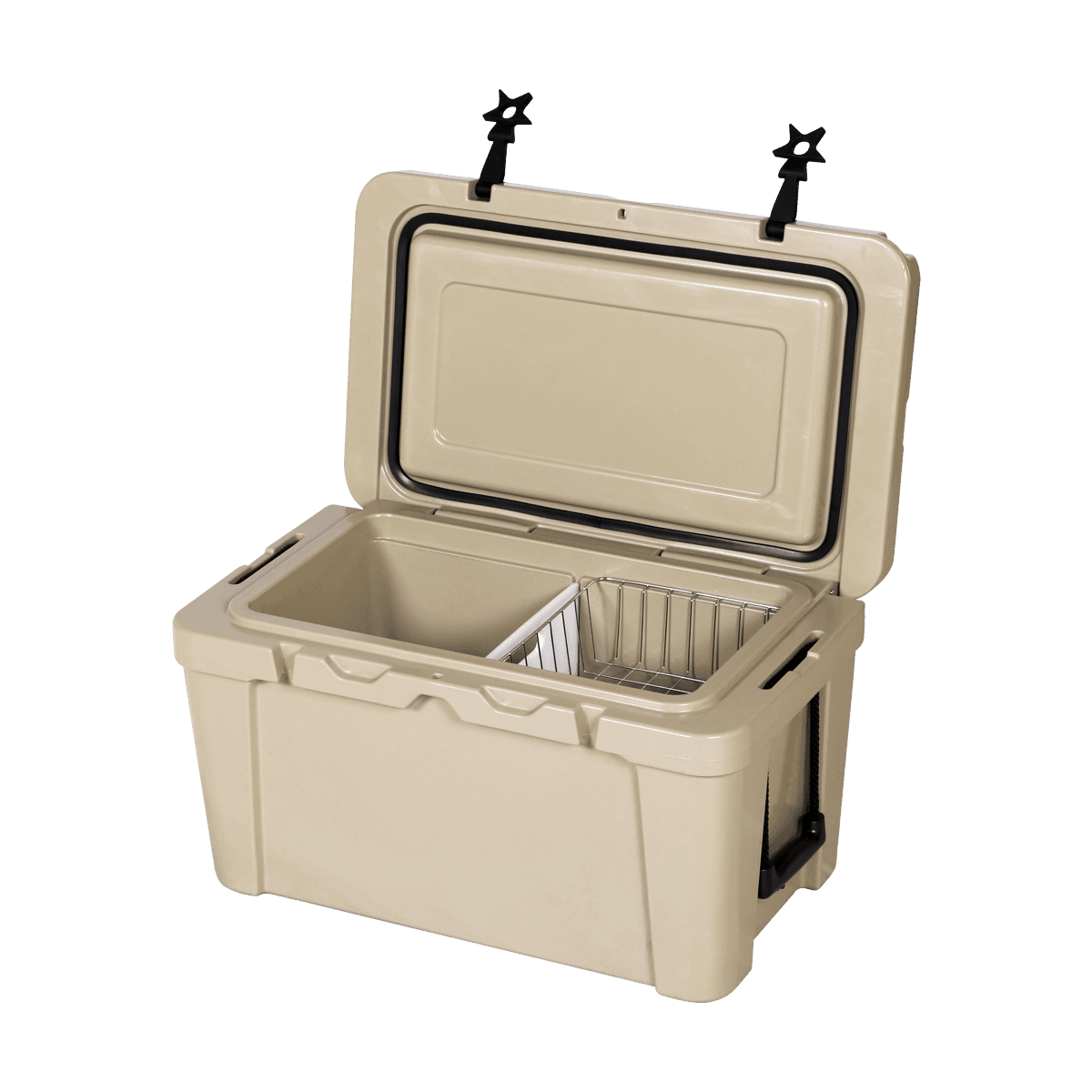
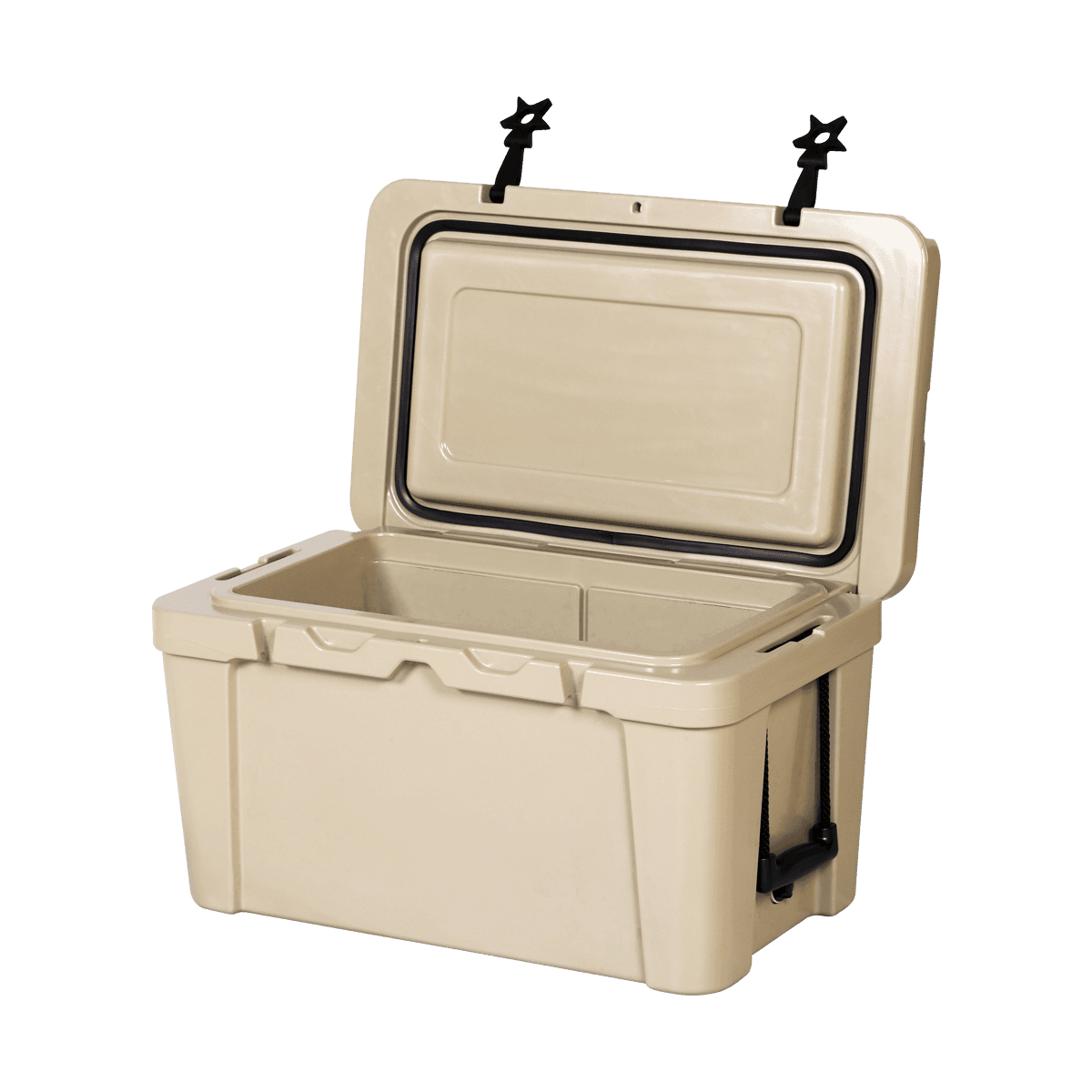
-4.png "X-120L Insulated Fish Bin Ice Cooler Box")
-4.png "X-70L Insulated Fishing Ice Cooler Box")
-2.png "X-68L Ice Cooler Box To Keep Food Cold And Fresh")
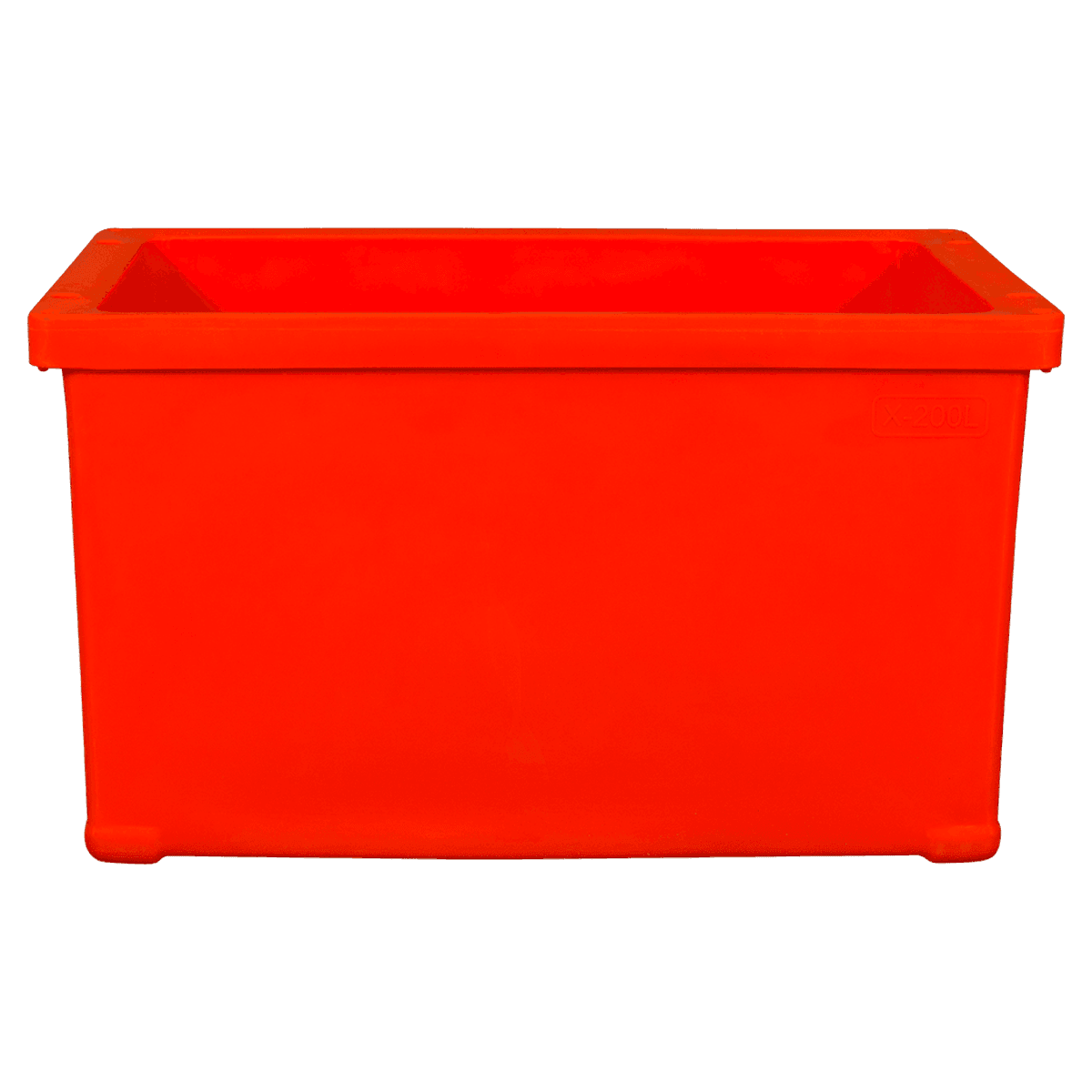
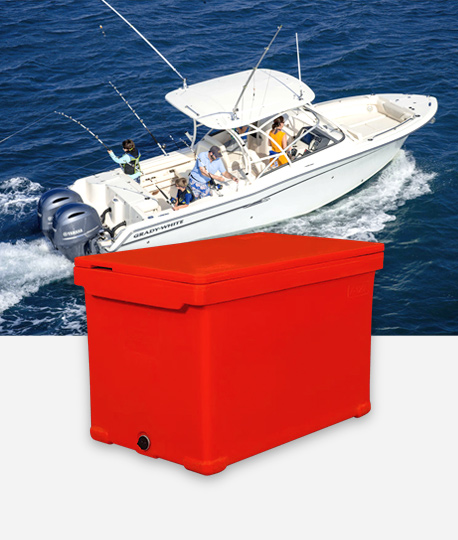
-2.png "X-120L Live Seafood Transportation Tanks")
-2.png "X-70L Live Seafood Transportation Tanks")