English
 Español
 عربى
عربى 中文简体
中文简体Content
- 1 1Why Ice Melts Faster Than You Expect in a Cool Box
- 2 2Choosing the Right Cool Box for the Job
- 3 3Pre-Chilling: The Step Most People Skip
- 4 4Where Do You Put Ice Packs in a Cool Box
- 5 5Ice to Food Ratio and Block Ice vs Cube Ice
- 6 6Will a Cool Box Keep Ice Frozen, and For How Long
- 7 7Ice Cooler Box vs Electric Cool Box
- 8 8How Long Does Dry Ice Last in a Cooler Box
- 9 9How to Use an Ice Box in an Air Cooler
- 10 10What Is the Best Ice Box Cooler for Your Needs
- 11 11Common Ice Melting Myths, Explained
- 12 12Adjusting Your Approach for Different Climates and Seasons
- 13 13Setting Up a Cool Box for Group Camping Trips
- 14 14Maintenance Habits That Extend Ice Life
- 15 15Choosing a Reliable Cooler Box Manufacturer
- 16 16Frequently Asked Questions
- 17 17Pre-Trip Packing Checklist
- 18 18Final Thoughts
Practical packing methods, product comparisons, and expert tips that keep ice frozen for days, not hours, in any cool box, ice cooler box, or electric cool box.
To make ice last longer in a cool box, pre-chill the box and its contents before packing, use a two-to-one ratio of ice to food, pack block ice on the bottom and around the sides rather than loose cubes, keep the lid closed as much as possible, store the box in shade away from direct sunlight, and choose a cool box with thick insulated walls and a tight-sealing lid. Combining these steps with a well-built ice cooler box can extend ice life from around 24 hours to 4 or more days, and up to a week or longer with a quality large cool box or an electric cool box used as a backup.
1Why Ice Melts Faster Than You Expect in a Cool Box
Most people assume a cool box is simply a container that keeps things cold. In reality, a cool box is a thermal barrier, and its entire job is to slow down the transfer of heat from the warm air outside into the cold interior. Ice does not actually cool anything by itself. It absorbs heat from its surroundings as it changes from a solid to a liquid, and once every cube has melted, that heat-absorbing capacity is gone. The faster heat enters the box, the faster this process happens.
Three forces work against your ice at all times: conduction through the walls of the box, convection every time the lid is opened, and radiant heat from sunlight hitting the outer shell. A thin, poorly insulated cool box loses its cold air within hours because heat conducts straight through the plastic. A cool box left in direct sun can see its internal temperature climb several degrees within minutes of exposure, since dark or thin walls absorb solar radiation efficiently.
Understanding these three forces is the foundation of every technique in this guide. Once you know what you are fighting against, packing a cool box correctly becomes intuitive rather than guesswork.
Consider a simple comparison. Two identical bags of ice, each weighing five kilograms, are placed in two different containers on the same hot afternoon. One sits in a thin, uninsulated plastic bin with a loose-fitting lid. The other sits in a properly built ice cooler box with two inches of dense foam insulation and a rubber gasket seal. By the end of the day, the ice in the thin bin has likely turned to slush or fully melted, while the ice in the insulated box may still be largely solid. The five kilograms of ice did not change. The only variable was how effectively each container slowed down heat transfer. This is exactly why two cool boxes marketed for the same use case can perform completely differently in practice, and why reading real specifications matters more than trusting a product photo of someone smiling on a beach.
It also explains why a cool box that performed well last year might seem to underperform this year. Rubber gaskets compress and wear down over repeated use, hinges loosen, and small cracks can form in a shell after being dropped or left in a hot car trunk. Inspecting your cool box before a big trip, and replacing a worn seal or gasket if your model allows it, is a simple maintenance step that restores lost performance without buying a new unit.
2Choosing the Right Cool Box for the Job
Not every cool box is designed to hold ice for the same length of time. A soft-sided lunch cooler and a rotomolded large cool box are built for completely different purposes, and picking the wrong one is often the real reason ice disappears too quickly.
| Cool Box Type | Best For | Typical Ice Retention |
| Portable cooler box (soft-sided) | Day trips, lunch boxes, short commutes | 6-12 hours |
| Standard hard-shell cool box | Weekend camping, picnics, beach days | 1-3 days |
| Large cool box (rotomolded) | Extended camping trips, group outings, fishing charters | 4-7 days |
| Cool box on wheels | Tailgating, festivals, family camping where mobility matters | 2-4 days |
| Electric cool box | Overland travel, road trips, off-grid cabins with a power source | Indefinite while powered |
If your priority is simply keeping drinks cold for an afternoon, a portable cooler box is perfectly adequate and there is no reason to overpay for heavy insulation you will not use. If you are heading out for a multi-day camping cool box trip, however, investing in a large cool box with thick walls will save you money on ice and food spoilage many times over across a single season.
When comparing specifications between models, pay close attention to wall thickness rather than exterior dimensions alone. A large cool box with a big footprint but thin walls will often underperform a smaller unit with genuinely thick, dense insulation. Manufacturers sometimes advertise total capacity in liters or quarts prominently while leaving wall thickness buried in a spec sheet, so it is worth searching for that number specifically before purchasing a cooler box for sale online. As a general benchmark, budget coolers often use walls around 1 inch thick, mid-range coolers use around 1.5 to 2 inches, and premium rotomolded large cool box models frequently use 2 to 3 inches of foam-injected insulation, which correlates closely with the multi-day ice retention figures quoted by serious outdoor brands.
Lid design deserves equal attention. A flat lid with a continuous rubber gasket around its entire perimeter will seal far more effectively than a lid that only presses against a thin lip of plastic. Latches matter too: over-center metal or heavy-duty plastic latches that pull the lid down under tension create a tighter seal than simple snap-fit clips, which can loosen and let air seep in after repeated use, especially on a cool box on wheels that gets jostled during transport.
Cool Box on Wheels: Mobility Without Sacrificing Cold
A cool box on wheels solves a very specific problem: moving a heavy, fully packed cooler across sand, gravel, or long distances from a parking area to a campsite. The tradeoff is that wheeled units often have a telescoping handle and axle assembly that can slightly reduce wall thickness compared to a solid block design. When shopping for a cool box on wheels, prioritize models that still maintain at least 2 inches of insulated wall thickness, since the convenience of wheels is wasted if the ice melts by lunchtime.
3Pre-Chilling: The Step Most People Skip
The single biggest mistake people make with any cool box, ice cooler box, or camping cool box is loading it with room-temperature food and drinks and expecting the ice to instantly bring everything down to a safe temperature. Ice has a limited capacity to absorb heat, and a large portion of that capacity gets used up simply cooling down warm items rather than maintaining a low temperature over time.
- Chill the cool box itself the night before by placing a bag of ice or a few frozen bottles inside and closing the lid.
- Refrigerate or freeze all food and drinks before packing. Nothing should go into the box at room temperature.
- Freeze reusable ice packs or water bottles for at least 24 hours in advance.
- Empty the pre-chill ice right before packing, then load the box quickly to limit warm air exposure.
- Pack the box in a cool, shaded area rather than in direct sun or a hot car trunk.
Freeze several plastic bottles of water solid before your trip. As they melt they double as extra ice packs and provide clean, cold drinking water once the ice around your food has done its job.
4Where Do You Put Ice Packs in a Cool Box
Where you position ice packs and loose ice inside a cool box has a measurable effect on how long everything stays cold. Cold air sinks, so ice placed at the top of a cool box will chill the contents below it more evenly than ice placed only at the bottom.
Correct Layering Method
- Place a layer of block ice or frozen ice packs on the bottom of the cool box first.
- Add food and drinks in the middle, grouping items that need to stay coldest closest to the ice.
- Fill remaining gaps and the top layer with loose ice or a second set of ice packs.
- Line the inner walls with thin ice packs if space allows, since heat enters through the sides fastest.
Common Mistakes to Avoid
- Leaving large air gaps between items, since air pockets speed up melting.
- Placing all the ice on only one side of the box.
- Packing raw meat directly against produce without a barrier, risking contamination as ice melts.
- Opening the lid repeatedly to search for items, which lets warm air flood in.
So do you put ice in a cool box directly on top of food, or should it be separated? For most uses, a combination works best: a solid base layer of ice beneath food keeps everything cold, while a top layer of ice or reusable packs seals in the cold from above. If you are keeping items like sandwiches or bread that should not get soggy, use a waterproof container or a separate dry compartment rather than letting them sit in direct contact with melting ice.
5Ice to Food Ratio and Block Ice vs Cube Ice
The ratio of ice to contents matters just as much as placement. A cool box that is mostly empty air will lose cold faster than one that is well packed, because air has far less thermal mass than solid ice or dense food.
| Trip Length | Recommended Ice Ratio | Ice Type |
| Half-day outing | 1 part ice to 2 parts food | Cube ice or reusable packs |
| 1-2 day trip | 1 part ice to 1 part food | Block ice plus cube ice for gap filling |
| 3-7 day camping cool box trip | 2 parts ice to 1 part food | Block ice as primary, dry ice as optional booster |
Block ice melts more slowly than cube ice because it has less surface area exposed to warm air relative to its volume. Cube ice cools items faster on contact but disappears sooner. A practical approach many experienced campers use is to freeze water in a large plastic container, a milk jug, or a dedicated block ice mold to create a slow-melting base layer, then supplement with cube ice around food items for faster initial cooling.
6Will a Cool Box Keep Ice Frozen, and For How Long
Yes, a properly insulated cool box will keep ice frozen, but the duration depends heavily on wall thickness, lid seal quality, ambient temperature, and how often it is opened. A budget cool box with thin walls and a loose-fitting lid might only keep ice solid for a day in warm weather. A high-density large cool box built with rotomolded polyethylene and a rubber gasket seal can keep ice frozen for four to seven days even in summer heat.
No cool box keeps ice frozen forever without power. Ice will always eventually melt because it is absorbing ambient heat by design. The goal is to slow that process, not stop it entirely, unless you switch to an electric cool box with active refrigeration.
Ambient temperature has an outsized effect. A cool box that keeps ice solid for five days at 20 degrees Celsius might only manage two days at 35 degrees Celsius. This is why shade, minimizing lid openings, and starting with pre-chilled contents are so important in hot climates.
7Ice Cooler Box vs Electric Cool Box
Choosing between a traditional ice cooler box and an electric cool box depends on your access to power, trip length, and budget. Both have clear strengths.
| Feature | Ice Cooler Box | Electric Cool Box |
| Power source | None required | 12V car socket, wall outlet, or portable battery |
| Cooling duration | Limited by ice supply, typically 1-7 days | Indefinite while powered |
| Upfront cost | Lower | Higher |
| Ongoing cost | Repeated ice purchases | Electricity or battery use |
| Weight when packed | Heavier due to ice mass | Lighter, no ice needed |
| Best use case | Camping cool box trips without power access | Road trips, overlanding, off-grid cabins with power |
Many experienced campers actually use both. An electric cool box handles the main food supply reliably over a long trip, while a smaller ice cooler box acts as a backup for drinks or as extra capacity when the main unit is full. If you regularly camp near a vehicle with a 12V outlet, an electric cool box removes the ice question entirely, but if you are hiking into remote areas without power, a well-packed ice cooler box remains the more practical choice.
8How Long Does Dry Ice Last in a Cooler Box
Dry ice, which is solid carbon dioxide, sublimates directly into gas rather than melting into liquid, and it reaches temperatures far colder than regular ice at around minus 78 degrees Celsius. In a well-insulated cooler box, dry ice typically lasts between 18 and 24 hours per 10 kilograms in a standard cooler, and up to several days in a heavy-duty large cool box with minimal lid openings.
Dry Ice Safety Basics
- Never touch dry ice with bare hands, always use gloves or a cloth.
- Do not seal a cool box completely airtight with dry ice inside, since the released gas needs somewhere to vent.
- Keep dry ice away from children and pets.
- Use it in a ventilated area, never in a sealed vehicle cabin for extended periods.
How to Combine Dry Ice with Regular Ice
- Place dry ice at the bottom or top of the cool box, wrapped in newspaper or cardboard.
- Add regular ice or ice packs around food items for a more even temperature.
- Keep dry ice away from direct contact with items like soft drinks in glass bottles, since extreme cold can cause them to crack.
Dry ice is especially useful for trips of five days or longer where regular ice would need replenishing, or for transporting items that must stay frozen solid rather than just cold, such as meat for a longer camping cool box expedition.
9How to Use an Ice Box in an Air Cooler
An ice box inside an evaporative air cooler works differently from a standalone cool box, but the underlying principle of managing ice melt still applies. In an air cooler, the ice box is typically placed inside the water tank or in a designated ice compartment so that the air passing over the wet cooling pads is chilled further before being blown into the room.
- Freeze the ice box or ice packs fully solid for at least 12 hours before use.
- Fill the air cooler water tank to the recommended level, then place the frozen ice box into its designated slot or float it in the tank if the unit allows this.
- Run the cooler on its normal fan and pump setting so water continues to circulate over the cooling pads.
- Replace the ice box with a fresh frozen one every few hours during peak heat for the strongest cooling effect.
- Keep a second ice box in the freezer at all times so you always have one ready to swap in.
This rotation method is the most reliable way to keep an air cooler performing at its best, since a single ice box will only stay effective for a limited window before the surrounding water reaches equilibrium temperature.
10What Is the Best Ice Box Cooler for Your Needs
There is no single best ice box cooler for everyone, because the right choice depends on trip length, group size, budget, and how the box will be transported. The best cool box for camping for a solo hiker looks very different from the best cool box for camping for a family of six on a week-long trip.
| Use Case | Recommended Type | Key Feature to Prioritize |
| Solo day hikes | Small portable cooler box | Light weight and a shoulder strap |
| Weekend camping for two | Mid-size hard-shell cool box | Thick insulated walls and a secure latch |
| Family camping trips | Large cool box or cool box on wheels | High capacity and easy mobility |
| Extended overlanding | Electric cool box | Low power draw and digital temperature control |
| Fishing and boating trips | Heavy-duty rotomolded cool box | Bear-resistant latches and drain plug |
When comparing cool boxes for camping, look closely at wall thickness in centimeters rather than relying on marketing terms alone, check whether the lid uses a rubber gasket seal, and confirm the latch system holds firmly without flexing. These three details are the strongest predictors of real-world ice retention, far more than the brand name printed on the lid.
11Common Ice Melting Myths, Explained
A lot of advice about cool boxes circulates among campers that sounds reasonable but does not hold up in practice. Separating myth from fact can save you money on ice and prevent disappointment on longer trips.
Myth: A Bigger Cool Box Always Keeps Ice Longer
Size alone does not determine ice retention. A large cool box that is only half full will actually lose cold faster than a smaller cool box packed tightly, because the extra air space inside acts as an insulator against the ice rather than helping it. If you are using a large cool box for a short trip, fill empty space with extra ice, folded towels, or air-free bags of water rather than leaving open gaps.
Myth: Metal Coolers Keep Ice Colder Than Plastic
Vintage metal ice chests look rugged, but metal is actually a poor insulator compared to modern rotomolded plastic. A rotomolded cool box, ice cooler box, or large cool box made from high-density polyethylene with thick foam-injected walls will consistently outperform an old-style metal cooler of the same size, because the plastic shell traps insulating foam far more effectively.
Myth: Ice Melts at the Same Rate No Matter How It Is Frozen
How ice is frozen changes how it melts. Ice frozen slowly in a large block, such as in a milk jug or dedicated ice mold, contains fewer air pockets than standard ice cube tray ice, which means it has a denser structure and melts more slowly. This is why campers who plan ahead often freeze several large blocks of ice at home rather than buying bags of cube ice right before a trip.
Myth: Adding Salt to Ice in a Cool Box Helps It Last Longer
Salt lowers the freezing point of ice, which is useful for rapidly chilling drinks in an ice bath, but it is counterproductive inside a cool box meant for long-term storage, since it actually speeds up melting rather than slowing it. Salt should be reserved for quick-chill situations, not for extending ice life over multiple days.
12Adjusting Your Approach for Different Climates and Seasons
The techniques that work for a cool box in a mild spring climate are not always enough for a cool box on wheels being hauled across hot summer sand, and a camping cool box used in cooler autumn weather has more forgiving conditions overall. Adjusting your strategy to the season and climate you are traveling in makes a noticeable difference in ice life.
| Condition | Main Challenge | Adjustment to Make |
| Hot summer, direct sun | Rapid heat absorption through the shell | Increase ice ratio, add a reflective cover, keep in shade at all times |
| Humid coastal climate | Warm, moisture-laden air entering with every lid opening | Minimize lid openings, use a secondary small cooler box for frequently accessed drinks |
| High altitude or cool mountain trips | Lower ambient temperatures reduce ice demand | Standard ice ratio is usually sufficient, focus on food safety rather than melt rate |
| Desert or arid heat | Extreme daytime temperature swings | Pack heavily in the morning, take advantage of cooler nights to top up ice if a source is available |
If you regularly travel between climates, it is worth having more than one cooler box for sale in your gear collection: a smaller portable cooler box for cool, short trips, and a heavy-duty large cool box reserved for hot-weather, multi-day camping cool box adventures.
13Setting Up a Cool Box for Group Camping Trips
Group trips introduce a variable that solo or couple trips do not have to deal with as much: multiple people opening the lid throughout the day. Every additional lid opening lets warm air in and speeds up ice melt, so managing access becomes just as important as the initial packing strategy.
- Use two cool boxes instead of one when camping in a group: a food cool box that stays closed except at mealtimes, and a separate drinks cool box on wheels that people can access freely throughout the day.
- Assign one person to manage the food cool box so the lid is not opened unnecessarily by multiple people searching for items.
- Pre-portion snacks and drinks into a smaller cooler box for sale near the campsite seating area, refilled once or twice a day from the main large cool box rather than leaving the main box open to browsing.
- Label contents on the outside or keep a simple packing list so people know where to find items without digging through ice.
This two-box strategy is one of the most effective ways to protect ice supply on any camping cool box trip involving more than two or three people, since it isolates the temperature-sensitive main storage from the high-frequency access points.
14Maintenance Habits That Extend Ice Life
How you use a cool box during a trip matters just as much as how you pack it. Small habits repeated over several days add up to a significant difference in how long ice lasts.
- Open the lid as briefly and as rarely as possible, and pack frequently used items near the top so they are quick to grab.
- Drain melted water regularly if your cool box does not have a drain plug, since standing water speeds up temperature transfer through the walls.
- Keep the cool box in shade, under a tarp, or inside an insulated cover whenever possible.
- Avoid placing the box directly on hot ground, sand, or a vehicle floor that absorbs sun, and use a small stand or blanket underneath if you can.
- Top up with fresh ice or ice packs before the existing supply fully melts rather than waiting until everything is warm.
- Group frequently accessed items together so the lid does not need to stay open while you search.
A reflective cover or wet towel draped over a cool box can lower the surface temperature significantly on a hot day through evaporative cooling, buying extra hours of ice life at almost no cost.
15Choosing a Reliable Cooler Box Manufacturer
If you are searching for a cooler box for sale and want consistent quality rather than a one-off purchase, working with an experienced manufacturer makes a measurable difference in wall thickness, insulation density, and lid seal engineering. This is especially important for buyers sourcing cool boxes in bulk for retail, rental fleets, or outdoor equipment brands.
Ningbo Wanma Plastics Co., Ltd.
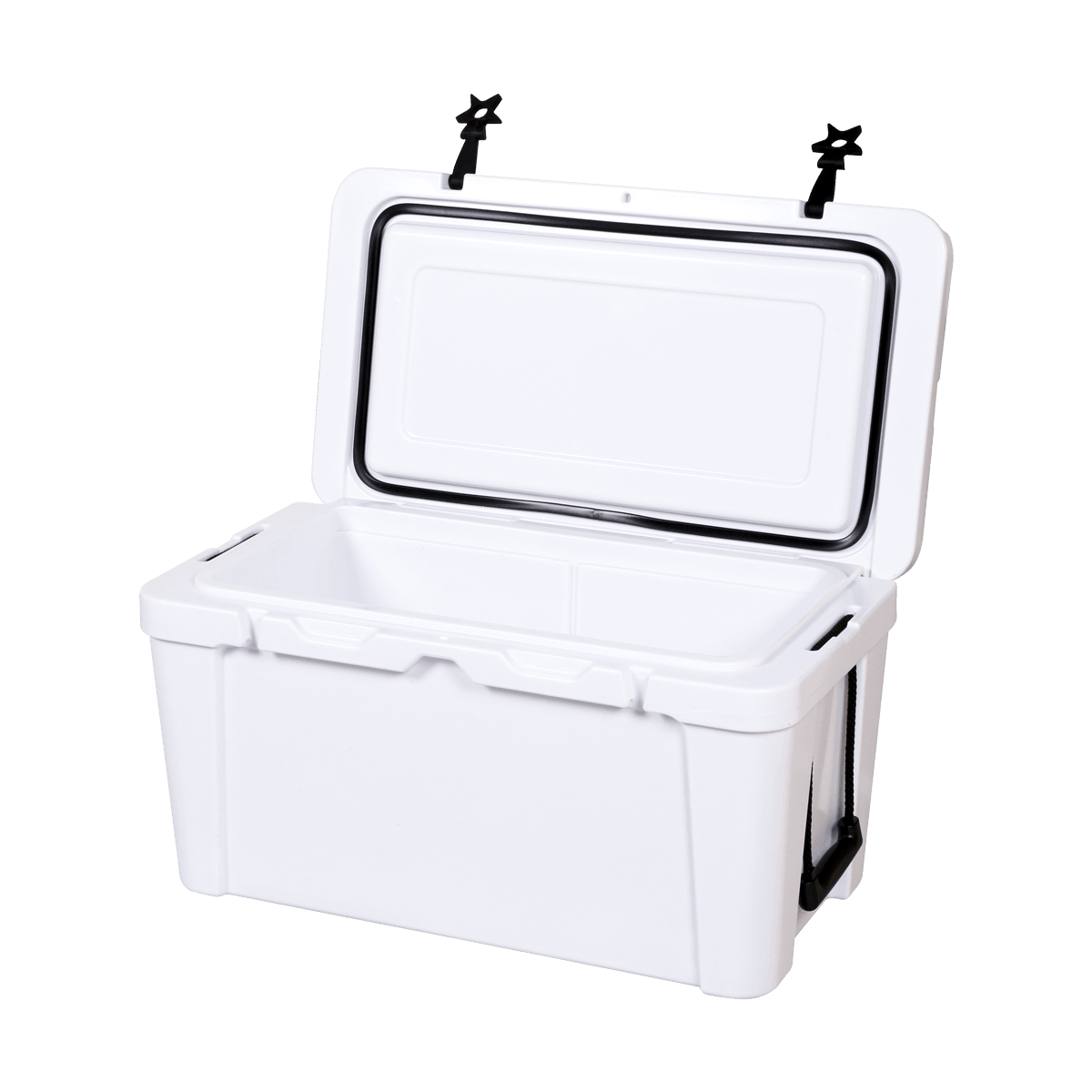
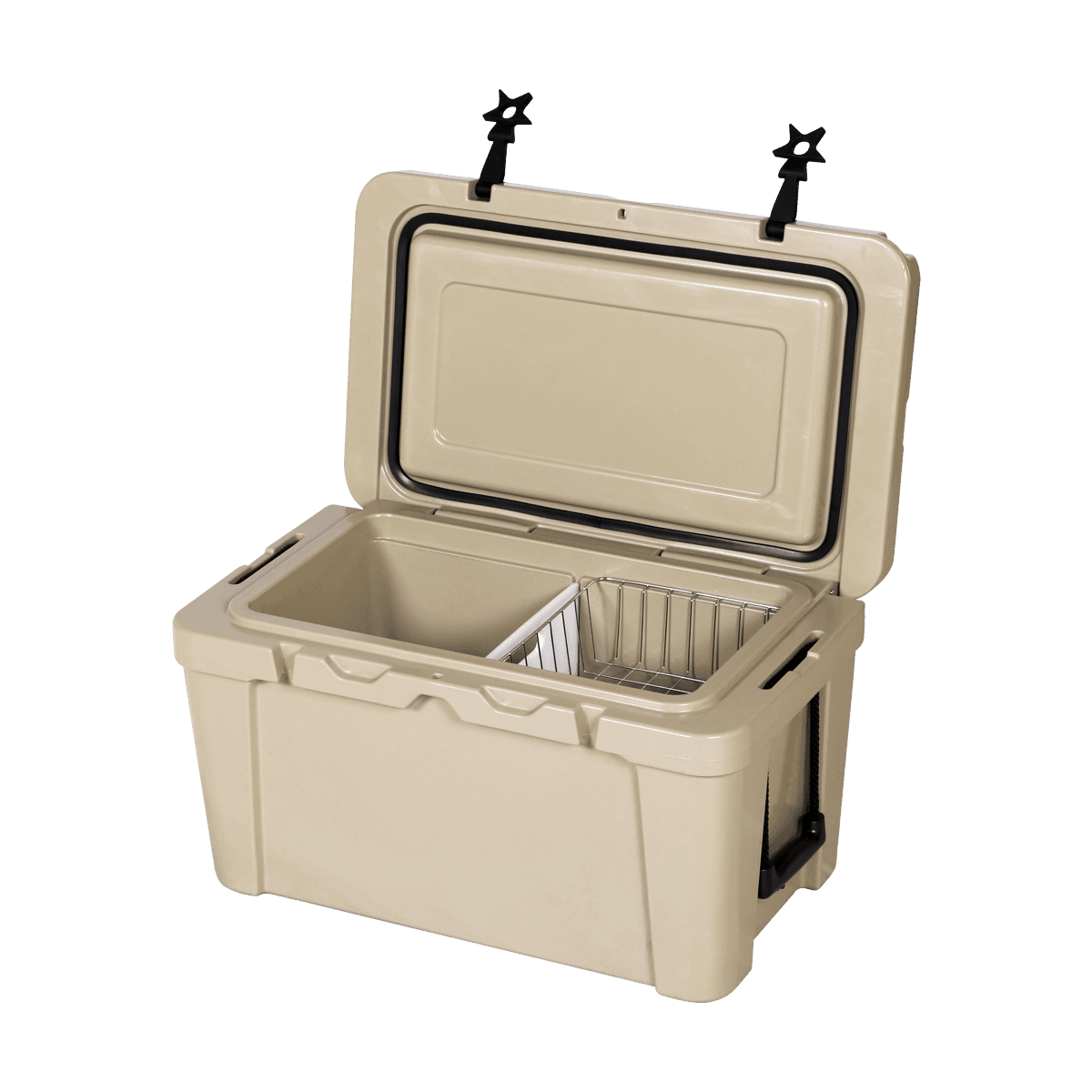
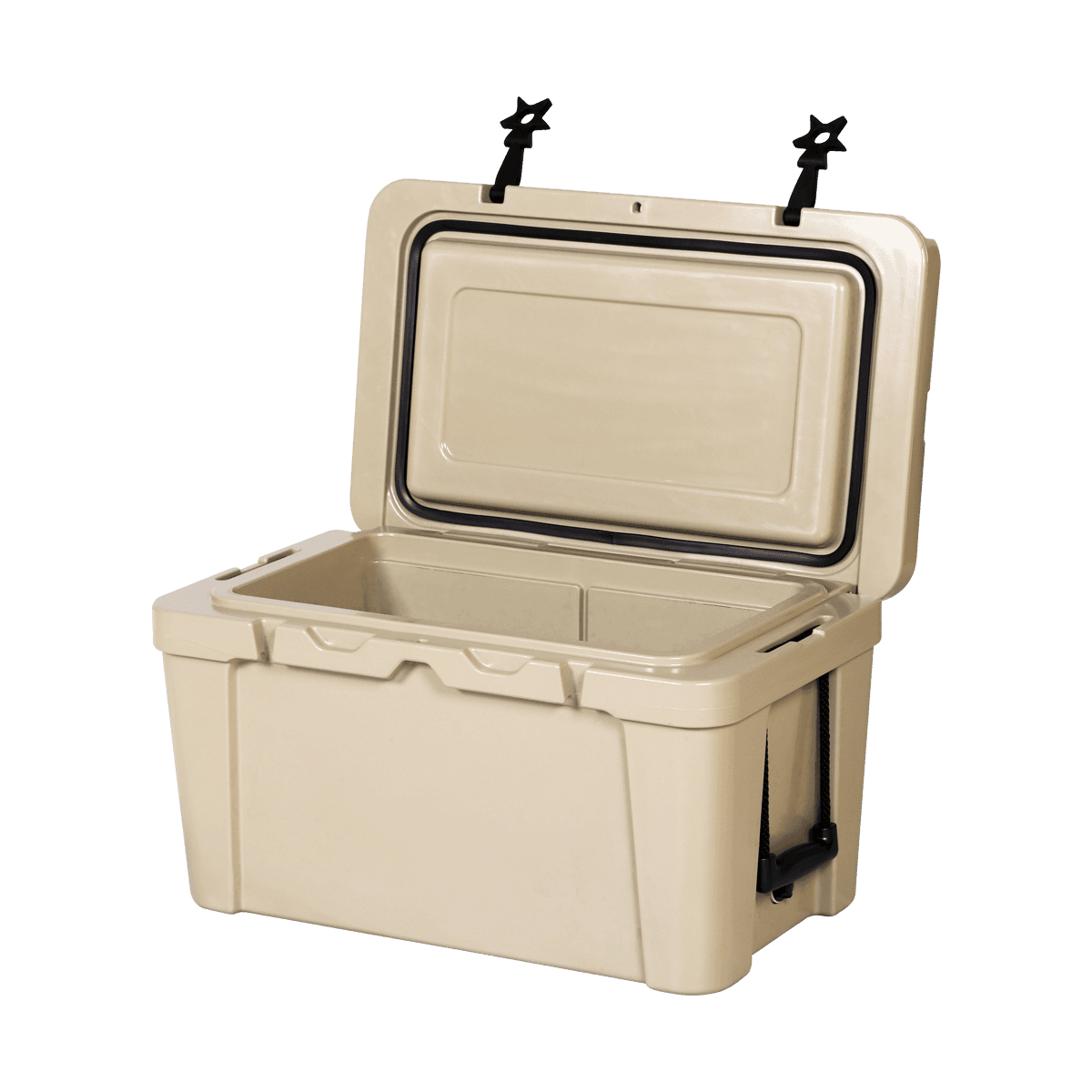
Ningbo Wanma Plastics Co., Ltd. is a manufacturer specializing in plastic cool box production, including hard-shell cool boxes, large cool box models, cool box on wheels designs, and portable cooler box lines built for camping, fishing, and outdoor retail markets. Buyers looking for a dependable cooler box for sale in bulk or custom specifications commonly evaluate suppliers on wall insulation thickness, mold quality, and production consistency, all of which are core strengths for an experienced plastics manufacturer serving the outdoor equipment industry.
- Manufacturing experience in rotomolded and injection-molded plastic cool boxes
- Product range covering small portable cooler box units through large cool box capacities
- Options including cool box on wheels for retail and rental markets
- Suitable for businesses sourcing camping cool box products at scale
Businesses and distributors researching a cooler box for sale from an established factory may find it worthwhile to request product samples and specification sheets directly from Ningbo Wanma Plastics Co., Ltd. to compare insulation performance against their target market needs.
16Frequently Asked Questions
Pre-chill the cool box the night before, freeze all food and drinks in advance, pack a solid layer of block ice on the bottom, load food in the middle, and top with more ice or ice packs. Keep the lid closed as much as possible and store the box in shade throughout your trip.
A combination works best. Use a base layer of ice beneath food and a top layer above it, but keep items that should stay dry, such as bread or crackers, in a sealed container so they are not sitting in melted ice water.
A high-quality large cool box with thick insulated walls and a tight seal can keep ice frozen for around four to seven days, and combining regular ice with dry ice can extend that further, though performance always depends on ambient temperature and how often the lid is opened.
Place ice packs on the bottom and along the top of the packed contents, since cold air sinks and this layering chills items from both directions. Lining the inner side walls with thin ice packs also helps if there is enough space.
Dry ice typically lasts around 18 to 24 hours per 10 kilograms in a standard cooler box, and considerably longer in a heavy-duty insulated large cool box, which generally outperforms the same weight of regular water ice for keeping items frozen solid.
For a family trip lasting several days, a large cool box or a cool box on wheels with thick insulated walls and a high liter capacity is generally the best cool box for camping, since it holds enough ice and food while remaining manageable to transport around a campsite.
Freeze the ice box fully solid, place it in the designated compartment or float it in the water tank of the air cooler, and run the unit as normal. Rotate in a fresh frozen ice box every few hours for the best continuous cooling performance.
An electric cool box is better when you have consistent access to power, since it cools indefinitely without needing ice. A traditional ice cooler box is better for trips without power access, and it is generally lighter on the wallet upfront.
17Pre-Trip Packing Checklist
Before loading up your cool box, ice cooler box, or electric cool box for a trip, running through a short checklist can prevent the most common causes of early ice melt. Print this list or save it to your phone so you can review it the night before departure.
- Cool box, ice packs, and any spare containers have been washed and dried after their last use, since leftover moisture and odors can affect insulation performance over time.
- Food and drinks have been refrigerated or frozen for at least several hours, never packed at room temperature.
- The cool box itself has been pre-chilled with a bag of ice for at least an hour before final packing.
- Block ice or large frozen water containers are ready as the base layer, with cube ice or gel packs available for gap filling.
- A drain plug, if the cool box has one, is confirmed to be working so melted water can be released without opening the main lid.
- A shade solution, such as a reflective cover, tarp, or simply a plan to park the cool box under a tree or awning, has been considered.
- If traveling with a group, a plan for a separate drinks cooler box or cool box on wheels has been arranged to reduce lid openings on the main food supply.
- For trips longer than five days, dry ice or an electric cool box has been considered as a supplement to standard ice.
A few minutes spent on this checklist before departure consistently outperforms any single packing trick on its own, because ice retention in a cool box is the sum of many small decisions rather than one magic step.
18Final Thoughts
Making ice last longer in a cool box comes down to a handful of consistent habits rather than any single trick: pre-chill everything before packing, choose block ice over loose cubes when possible, layer ice both below and above your contents, keep the lid closed as much as you can, and store the box out of direct sunlight. Whether you are using a compact portable cooler box for a day trip or a large cool box on a week-long camping expedition, these fundamentals apply across every type of cooler.
If ice supply and replenishment are a recurring hassle on longer trips, pairing a traditional ice cooler box with an electric cool box gives you the best of both worlds. And if you are shopping for a cooler box for sale, whether for personal use or bulk sourcing, paying attention to wall thickness, seal quality, and manufacturer experience, such as that offered by Ningbo Wanma Plastics Co., Ltd., will make a far bigger difference to your ice retention than price alone.
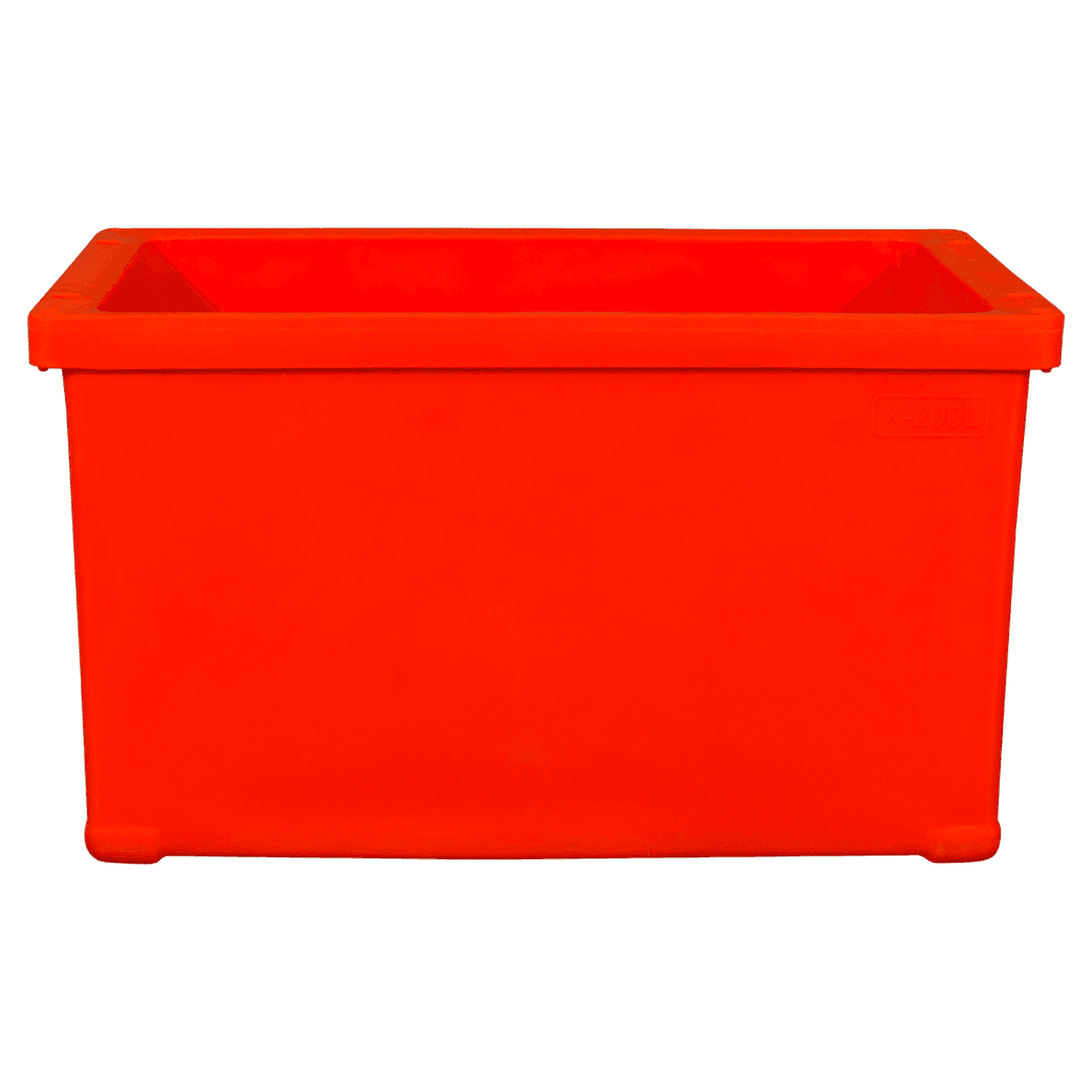
-4.png "X-120L Insulated Fish Bin Ice Cooler Box")
-4.png "X-70L Insulated Fishing Ice Cooler Box")
-2.png "X-68L Ice Cooler Box To Keep Food Cold And Fresh")
-2.png "X-120L Live Seafood Transportation Tanks")
-2.png "X-70L Live Seafood Transportation Tanks")