English
 Español
 عربى
عربى 中文简体
中文简体Content
- 1 What a cooler shipping box does and why it matters
- 2 Insulation factors that determine how long your shipment stays cold
- 3 Choosing the right size and configuration
- 4 Real-world applications across the cold chain
- 5 Verification points before ordering
- 6 Cleaning, maintenance, and service life
- 7 Final takeaway
The temperature range you need to hold determines almost everything about a cooler shipping box. If you are shipping fresh seafood at 0 to 4°C, a container with 40 to 60 mm of polyurethane foam and a seamless double-wall structure will maintain that range for 24 hours or longer under normal ambient conditions. When delivery routes extend to 48 or 96 hours, the box needs more insulation thickness and a tighter lid seal. A thin-walled box with no foam core will not reach half that duration.
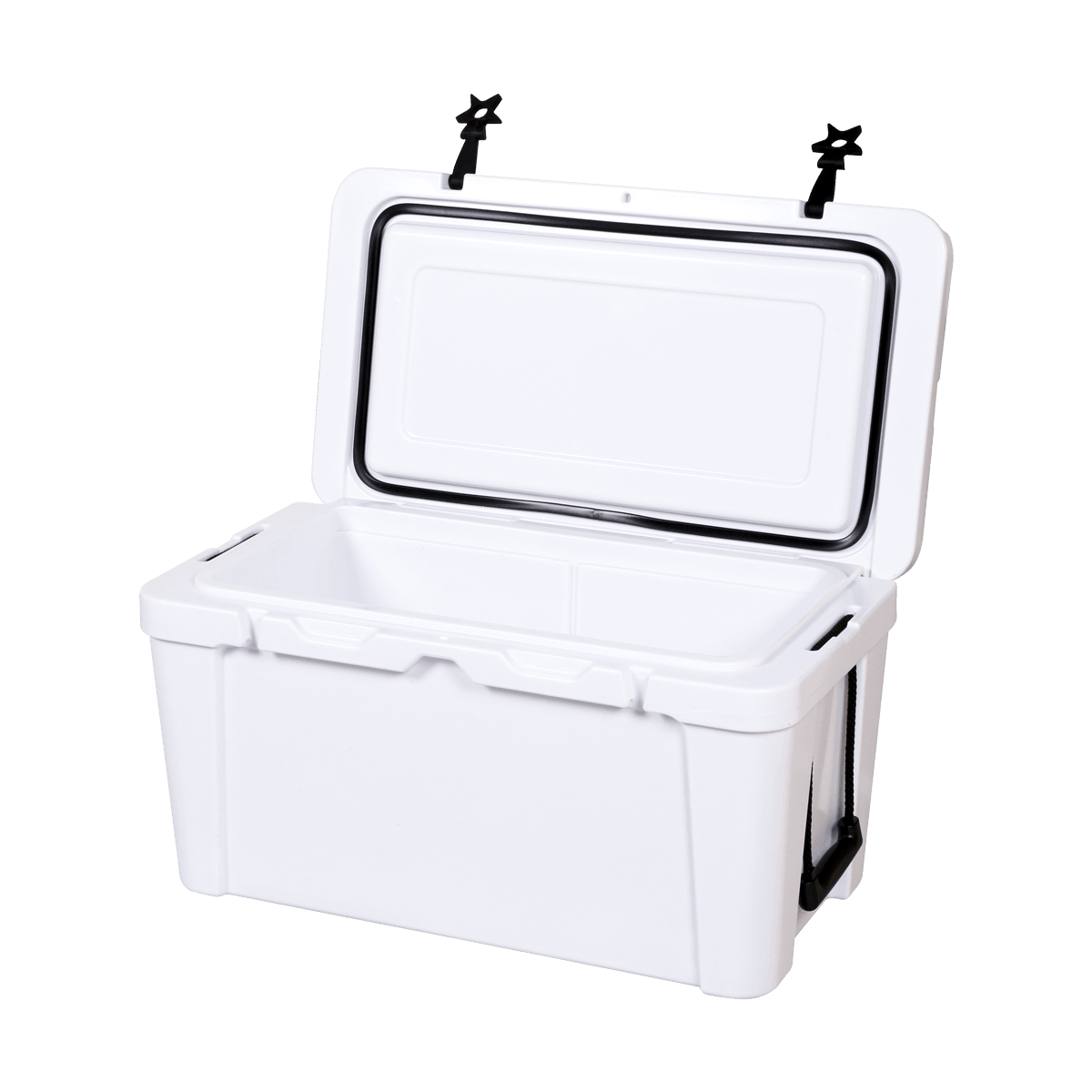
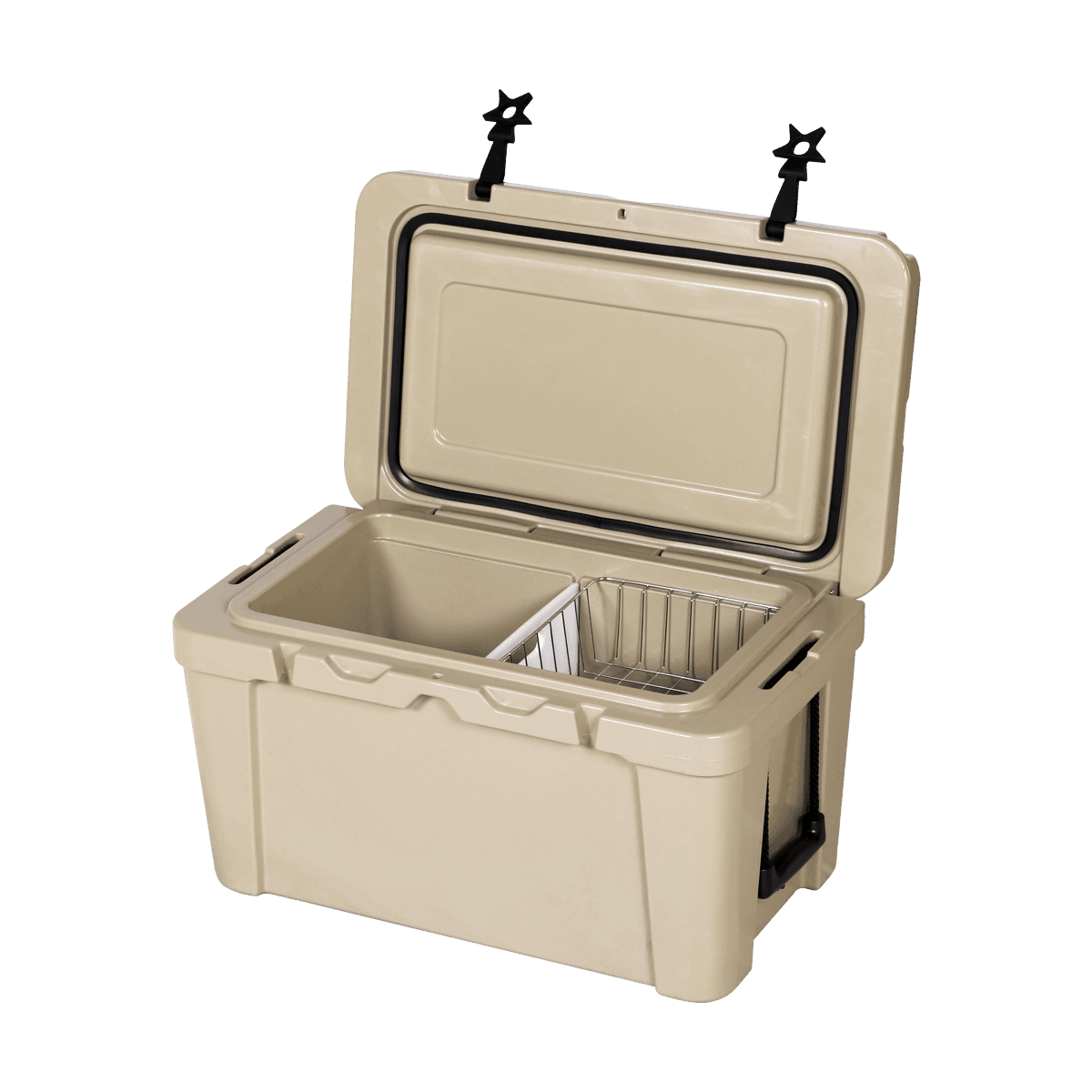
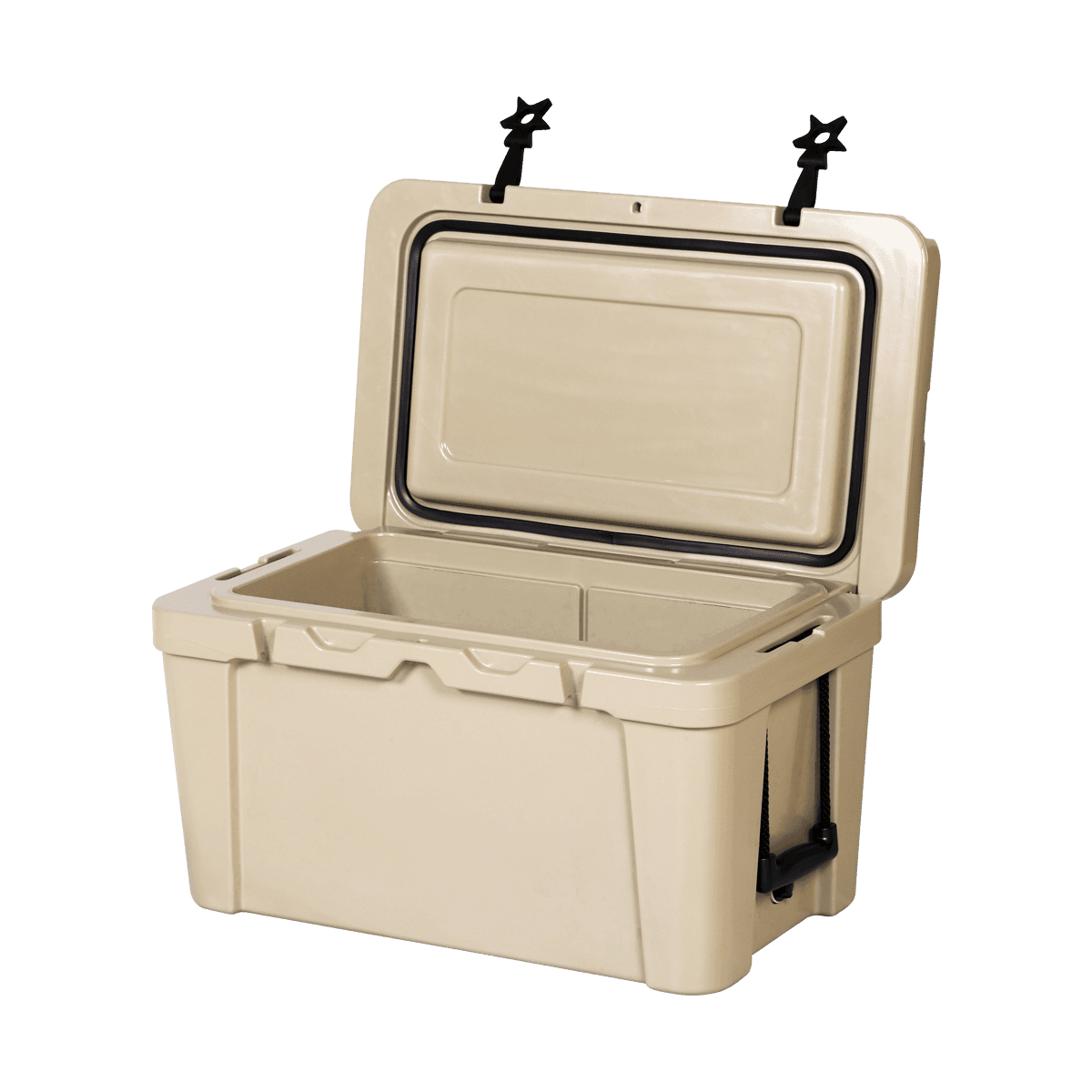
A cooler shipping box is not a single product category. It covers 25 L portable units for small deliveries and 1700 L insulated bins for bulk fish transport. The common thread is the passive insulation layer that delays heat ingress so the product reaches the destination inside its safe temperature window.
What a cooler shipping box does and why it matters
A cooler shipping box is not the same as a disposable cardboard mailer with foam inserts. It is a reusable insulated container designed to hold a stable internal temperature while the product moves through loading, transit, and unloading. The box does not generate cold. It slows down the temperature exchange between the product and the outside air.
The key metric is the temperature hold time. For a given wall thickness and foam density, the box slows heat transfer at a predictable rate. The thicker the wall and the denser the foam, the longer the product stays within the required range. This is why industrial buyers look at the insulation structure before they compare price.
There are two ways to control temperature in shipping. Active systems use refrigeration units that consume fuel or electricity. Passive systems use insulated boxes with ice packs, dry ice, or refrigerant gel. A cooler shipping box belongs to the passive category. For shippers who want a reusable, low-maintenance, and cost-effective solution, passive insulation often makes more sense than running a diesel-powered refrigerator for the same route. Passive containers also avoid the maintenance burden of mechanical components and the risk of equipment failure mid-delivery.
Insulation factors that determine how long your shipment stays cold
Not every insulated box performs the same way. Three factors separate a reliable cooler shipping box from a short-lived container.
Wall structure and foam fill
The single most important factor is the wall structure. A rotomolded box with a seamless double wall and a polyurethane foam core provides a continuous thermal barrier. The foam fills the cavity between the inner and outer walls, leaving no air gaps. Air gaps are the enemy of insulation because heat moves through them by convection, which is much faster than conduction through solid foam. In practice, a box with a 50 mm foam core holds its internal temperature far longer than a box with the same external dimensions but a hollow shell.
Material and molding quality
Material choice also matters. LLDPE, or linear low-density polyethylene, is a common material for industrial containers because it resists impact, supports food-contact surfaces, and does not crack under repeated temperature cycling. Seamless molding eliminates weak points where water could enter or stress cracks could form. That matters for two reasons. It keeps the insulation dry, and it extends the working life of the container under repeated cleaning and heavy loading.
Lid and seal performance
The lid is the second most common heat loss point after the walls. A well-fitted lid with a gasket or overlapping flange reduces the amount of warm air that enters when the box is closed. Containers with recessed handles or tiedown points also help the lid stay in place during transport, preventing a common failure mode where a loose lid lets cold air escape.
Choosing the right size and configuration
Size selection is not about picking the biggest box you can afford. It is about matching the internal volume to the chilling method, the packing density, and the route duration.
| Capacity range | Typical use case | Loading method |
|---|---|---|
| 25 to 70 L | Small retail orders, short-haul deliveries, mobile catering | 1 to 2 ice packs, product pre-chilled |
| 100 to 200 L | Fish processing, medium seafood transport, outdoor and marine use | Layered ice, food-grade liner |
| 300 to 800 L | Meat and poultry, pallet-based cold chain, long-distance transport | Ice packs or frozen coolant, pallet base |
| 1000 to 1700 L | Bulk cold chain, live seafood tanks, large production facilities | Bulk ice, insulated pallet, optional casters |
Beyond capacity, configuration options affect whether the box fits your workflow. Containers with casters move easily in a processing hall. Containers with a pallet base work with forklifts. Containers with a drain plug let melted ice flow out without tipping the box. These features change the daily cost of operating the box more than the purchase price implies.
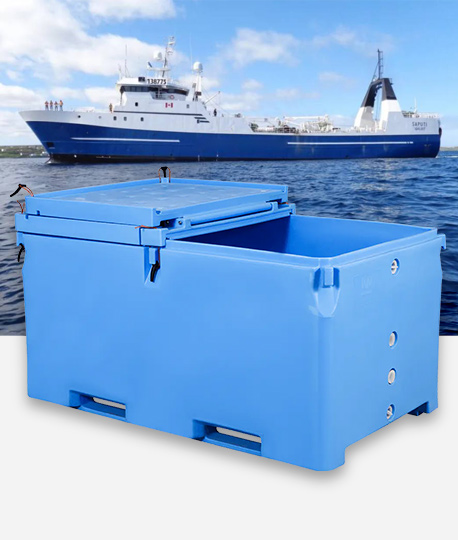
-2.png) 120L Insulated Fish Bin with Attached Lid for Cold StorageThis 120-liter insulated bin features a hinged lid, smooth interior, and strong thermal insulation for efficient ice retention. Its stackable design and durable construction make it a practical choice for dockside and processing plant use.View Product →
120L Insulated Fish Bin with Attached Lid for Cold StorageThis 120-liter insulated bin features a hinged lid, smooth interior, and strong thermal insulation for efficient ice retention. Its stackable design and durable construction make it a practical choice for dockside and processing plant use.View Product →Real-world applications across the cold chain
Seafood processing and transport
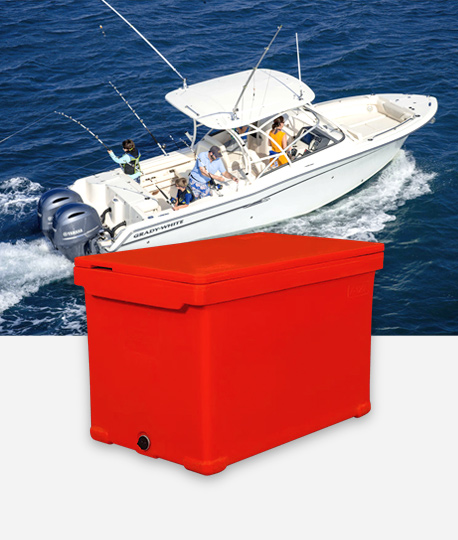
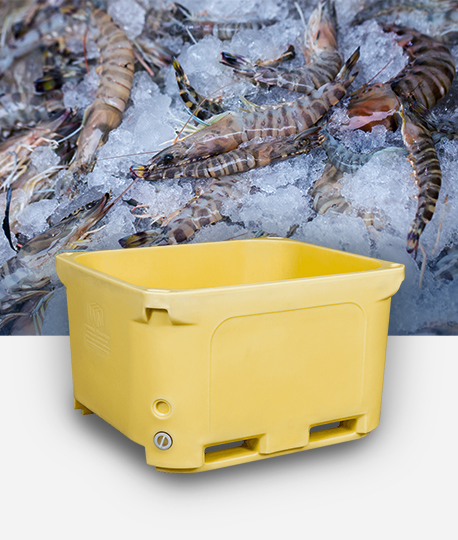
Fish totes and tubs at the dock or in processing plants need to handle ice, water contact, and rough handling. Insulated fish totes in the 380 to 800 L range are common for this role because they combine stacking strength with enough thermal mass to survive a full shift outdoors. Alongside commercial-grade insulated totes, these containers form the standard equipment for dockside and in-plant temperature control.
-1.png) 1000L Insulated Fish Tote for Seafood Processing and TransportThis large-capacity insulated tote is made from food-grade LLDPE with PU insulation, offering excellent thermal performance and durability. It suits bulk fish handling, with options for lids and marking to streamline workflow.View Product →
1000L Insulated Fish Tote for Seafood Processing and TransportThis large-capacity insulated tote is made from food-grade LLDPE with PU insulation, offering excellent thermal performance and durability. It suits bulk fish handling, with options for lids and marking to streamline workflow.View Product →
Meat and poultry facilities
Containers with lids and casters help move product between temperature-controlled rooms without exposing surfaces to ambient air. The boxes need to be food-grade, easy to clean, and able to withstand frequent wash-downs. A meat buggy or trolley-style container with a drain valve reduces manual lifting and keeps product moving through the production line efficiently.
Workshop and warehouse cold chain
Insulated pallet containers reduce loading and unloading frequency because they integrate with standard pallet jacks. They hold frozen goods, manage bulk storage, and reduce temperature fluctuations in facilities without continuous refrigeration. For long routes and multi-stop delivery, insulated containers link directly with cold chain logistics containers to keep the same product batch together from the plant to the final stop.
-1-2.png) 1000L Insulated Pallet Container for Cold Chain StorageThis insulated pallet container integrates with standard pallet jacks, simplifying bulk handling. Its robust rotomolded construction and high insulation reduce temperature fluctuations, making it ideal for warehouse and cold-chain logistics.View Product →
1000L Insulated Pallet Container for Cold Chain StorageThis insulated pallet container integrates with standard pallet jacks, simplifying bulk handling. Its robust rotomolded construction and high insulation reduce temperature fluctuations, making it ideal for warehouse and cold-chain logistics.View Product →Verification points before ordering
A few checks avoid the most common buying mistakes in cooler shipping box procurement. The following points are worth confirming with the supplier before you commit.
- Confirm the foam density and wall thickness in the technical specification rather than a marketing description.
- Verify that the box holds the temperature range you need. A box rated for 0 to 4°C may not perform at -18°C for frozen goods.
- Check for food-grade material certification that matches the destination market requirement.
- Inspect the molding process. Seamless construction is preferable to welded seams that can leak after repeated use.
- Ask about spare parts for the lid, casters, or pallet base, and the expected mold life.
- Confirm the capacity works with existing loading equipment such as pallet jacks, forklifts, or conveyors.
Cleaning, maintenance, and service life
Industrial rotomolded containers are built to last for years. In practice, a well-maintained box with a seamless double wall survives hundreds of cycles. The main factors that shorten service life are repeated impacts in rough handling, long exposure to UV radiation, aggressive chemical cleaners, and overloading beyond the rated capacity.
A proper wash-down after each use with food-safe cleaner and warm water keeps the box hygienic and prevents contamination. If the box has casters or lids, inspect those parts regularly. Check the drain plug for debris or cracking, because a blocked drain can cause water pooling and temperature drift inside the container. A cost-per-use calculation almost always favors a durable cooler shipping box over a disposable solution.
Final takeaway
A cooler shipping box is a capital equipment decision, not a packaging consumable. Buyers who choose a rotomolded insulated container with dense foam fill and a seamless double wall get predictable temperature hold times, lower product loss, and a container that performs for years. Ask the supplier about wall thickness, foam properties, and food-grade material certification before comparing prices. The right box pays for itself through reduced spoilage and fewer replacement purchases.
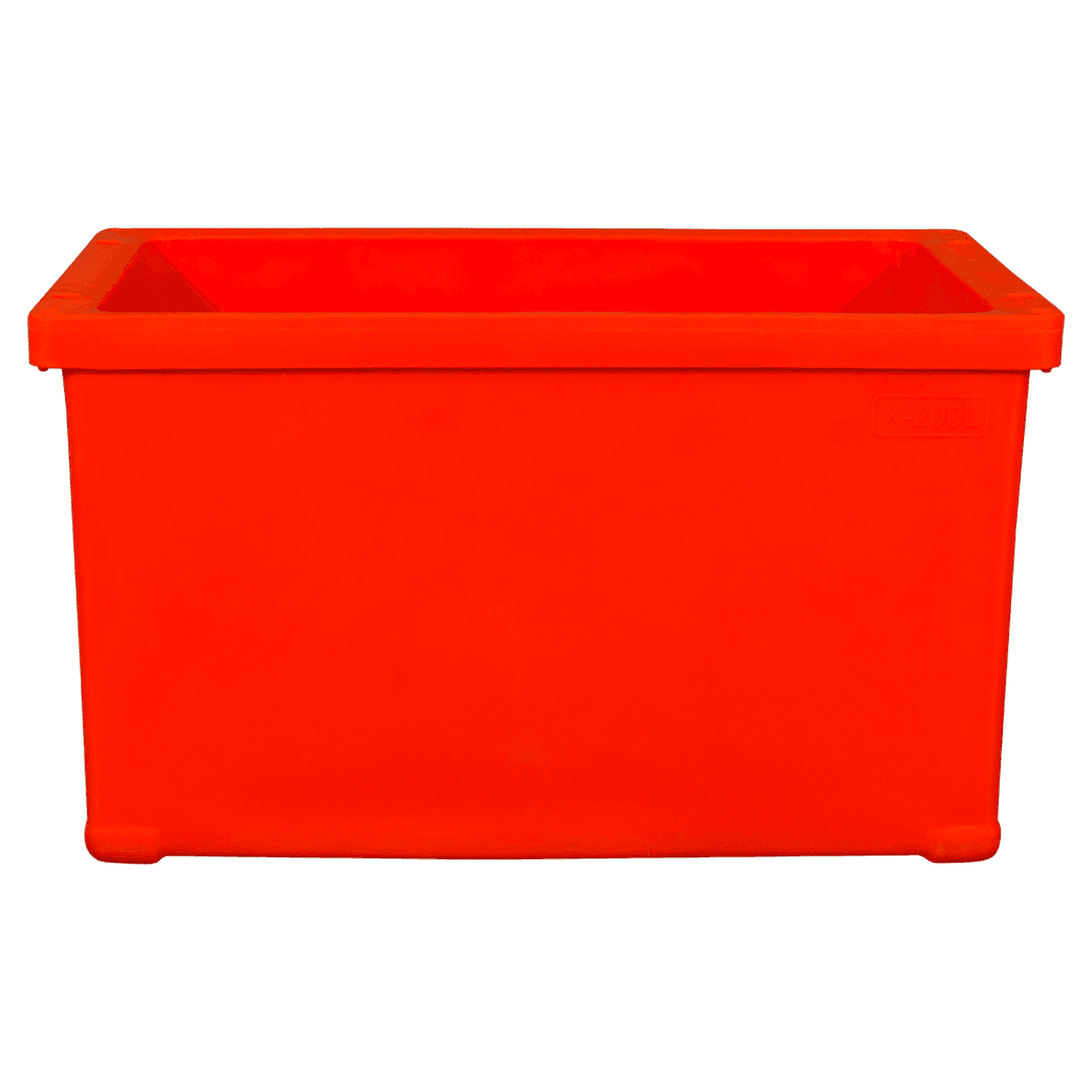
-4.png "X-120L Insulated Fish Bin Ice Cooler Box")
-4.png "X-70L Insulated Fishing Ice Cooler Box")
-2.png "X-68L Ice Cooler Box To Keep Food Cold And Fresh")
-2.png "X-120L Live Seafood Transportation Tanks")
-2.png "X-70L Live Seafood Transportation Tanks")