English
 Español
 عربى
عربى 中文简体
中文简体Content
- 1 Quick Answer: The Best Ice Cooler Box in 2026
- 2 Types of Ice Cooler Boxes: Styrofoam vs Insulated vs Rotomolded
- 3 How to Choose the Best Ice Cooler Box: 6 Buying Tips
- 4 Top Ice Cooler Box Picks for 2026 by Category
- 5 Ice Retention Comparison: How Long Does Ice Actually Last?
- 6 Using Dry Ice for Ice Chest: Extending Cooling Time Even Further
- 7 Best Ice Cooler Box Options for Specific Activities
- 8 Maintenance Tips to Extend the Life of Your Cooler
- 9 Frequently Asked Questions
Quick Answer: The Best Ice Cooler Box in 2026
If you only have time to read one paragraph, here it is: the best overall ice cooler box for most people in 2026 is a rotomolded insulated cool box in the 45–65 quart range, which can hold ice for 5–7 days under normal outdoor temperatures. If you need something lightweight and budget-friendly for a single weekend trip, a styrofoam ice box (also called a styro foam cooler) is the cheapest option, typically costing under $15, but it only keeps ice solid for 24–48 hours. For families or group camping trips, a large cooler box in the 80–120 quart range is the better choice, since it can store enough food and drinks for 4–6 people over several days.
What Is an Ice Cooler Box and Why It Matters
An ice cooler box is an insulated container designed to keep food, drinks, and perishables cold by trapping cold air inside while blocking heat transfer from the outside environment. Unlike a regular plastic container, an ice cooler box uses thick insulated walls — usually foam, polyurethane, or vacuum-sealed panels — to slow down the natural process of heat exchange.
The quality of insulation directly determines how long ice lasts inside the box. A cheap styrofoam ice chest cooler with thin walls might only hold ice for a day, while a premium insulated ice box with thick rotomolded walls can keep ice frozen for nearly a week. This is why choosing the right type matters far more than most people realize — the wrong choice can ruin a multi-day camping trip or beach outing.
Common Use Cases
- Camping cooler box for multi-day outdoor trips
- Ice chest for beach trips and day outings
- Transporting medical supplies or seafood that need constant cold temperatures
- Tailgating, picnics, and outdoor events
- Commercial use for caterers and food vendors
Types of Ice Cooler Boxes: Styrofoam vs Insulated vs Rotomolded
Not all ice cooler boxes are built the same. Broadly speaking, there are three main categories on the market in 2026, each with very different price points and performance levels.
1. Styrofoam Ice Box / Styro Foam Cooler
A styrofoam ice box, also referred to as a styro foam cooler or styrofoam ice chest cooler, is made from expanded polystyrene foam. These are extremely lightweight, often weighing less than 2 pounds, and are usually disposable or used only a handful of times. The biggest advantage is price — most styrofoam ice chest cooler units sell for $5 to $15. The downside is durability and insulation performance; the thin walls (typically 0.75–1 inch) mean ice usually melts within 24 to 48 hours.
2. Insulated Cool Box (Soft-Sided or Hard Plastic)
An insulated cool box sits in the mid-range. These typically use 1–2 inches of polyurethane foam insulation wrapped in a hard plastic or fabric shell. Prices range from $30 to $100, and ice retention is noticeably better, usually lasting 2 to 4 days. This category includes many popular soft-sided insulated ice box models that are easier to carry and store than rigid coolers.
3. Rotomolded Large Cooler Box
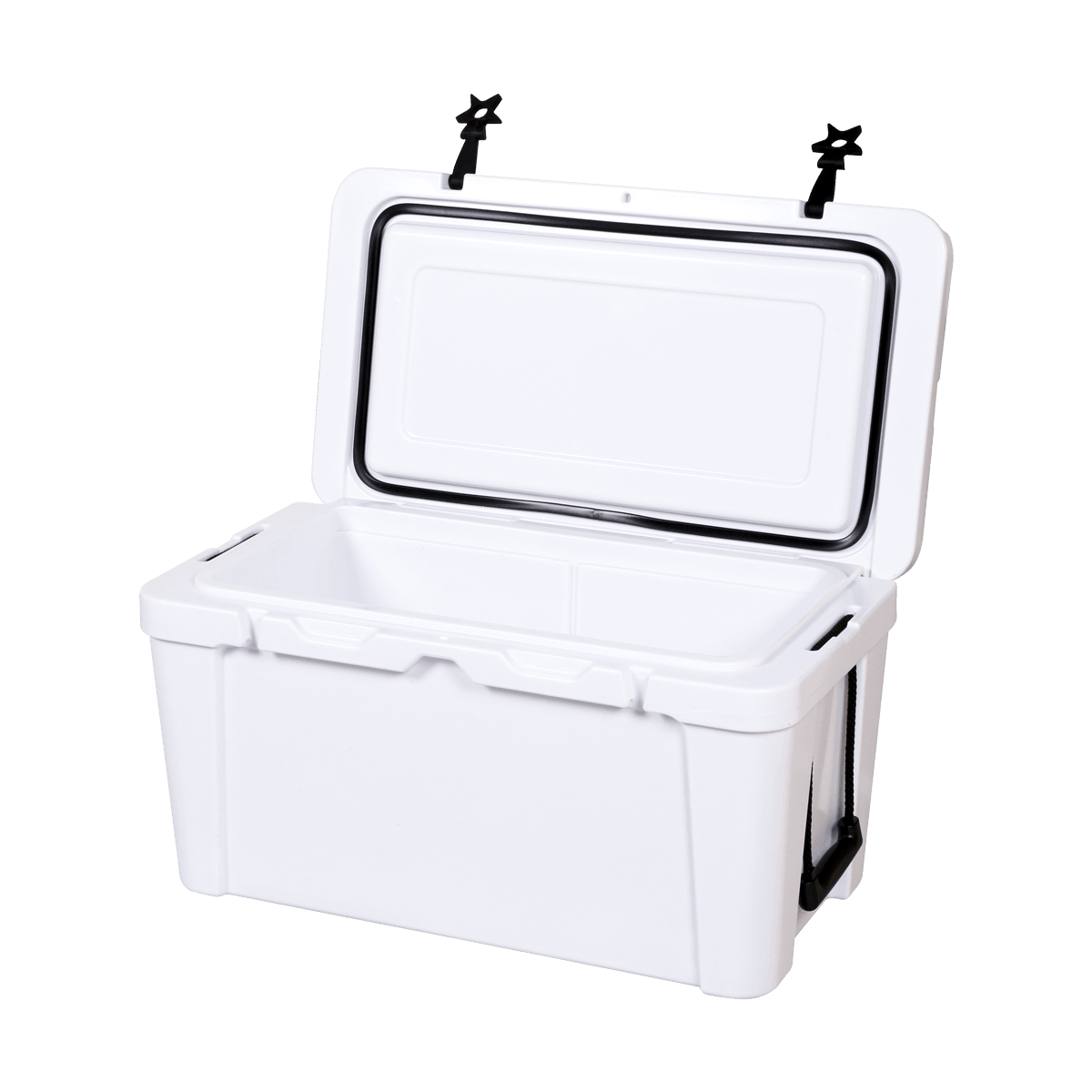
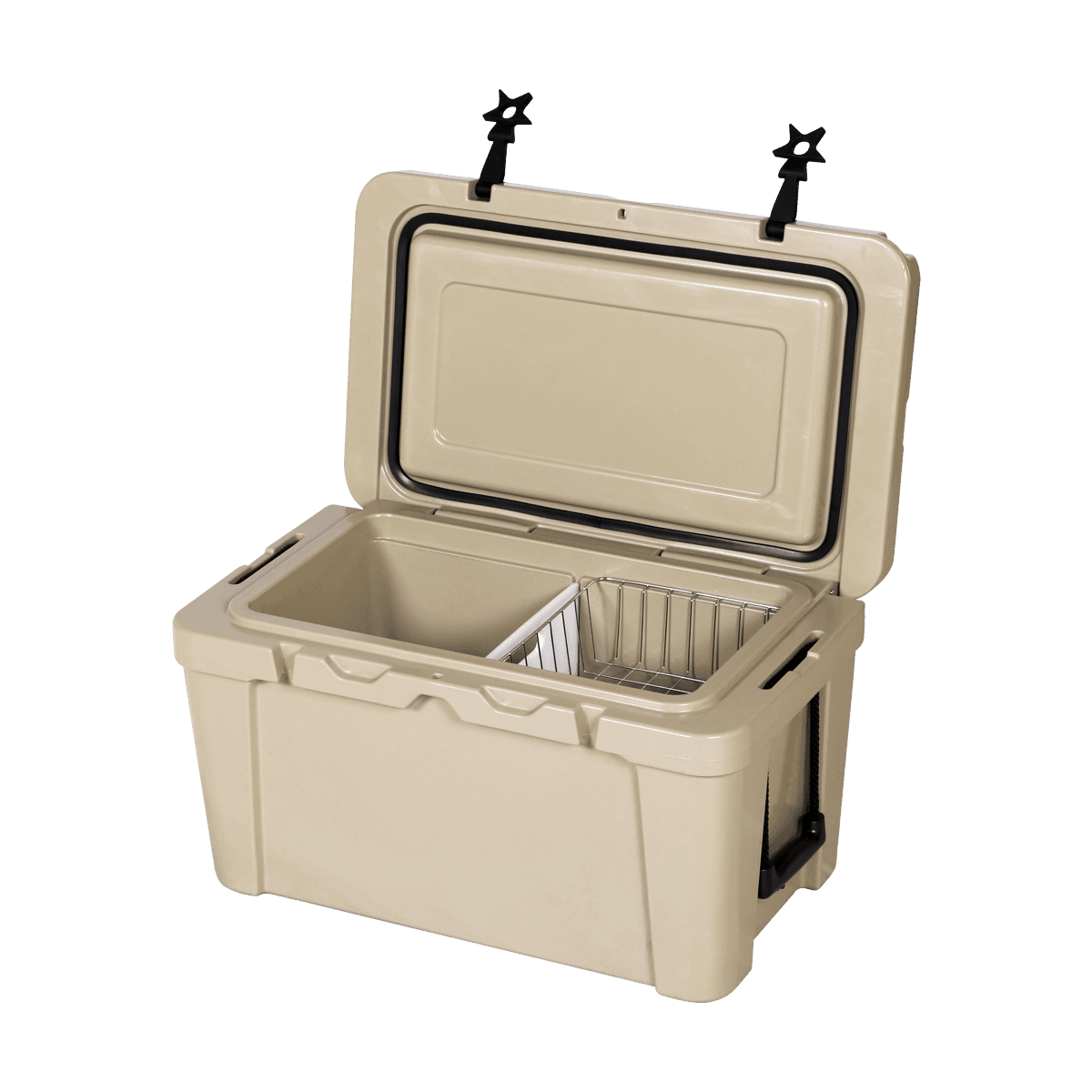
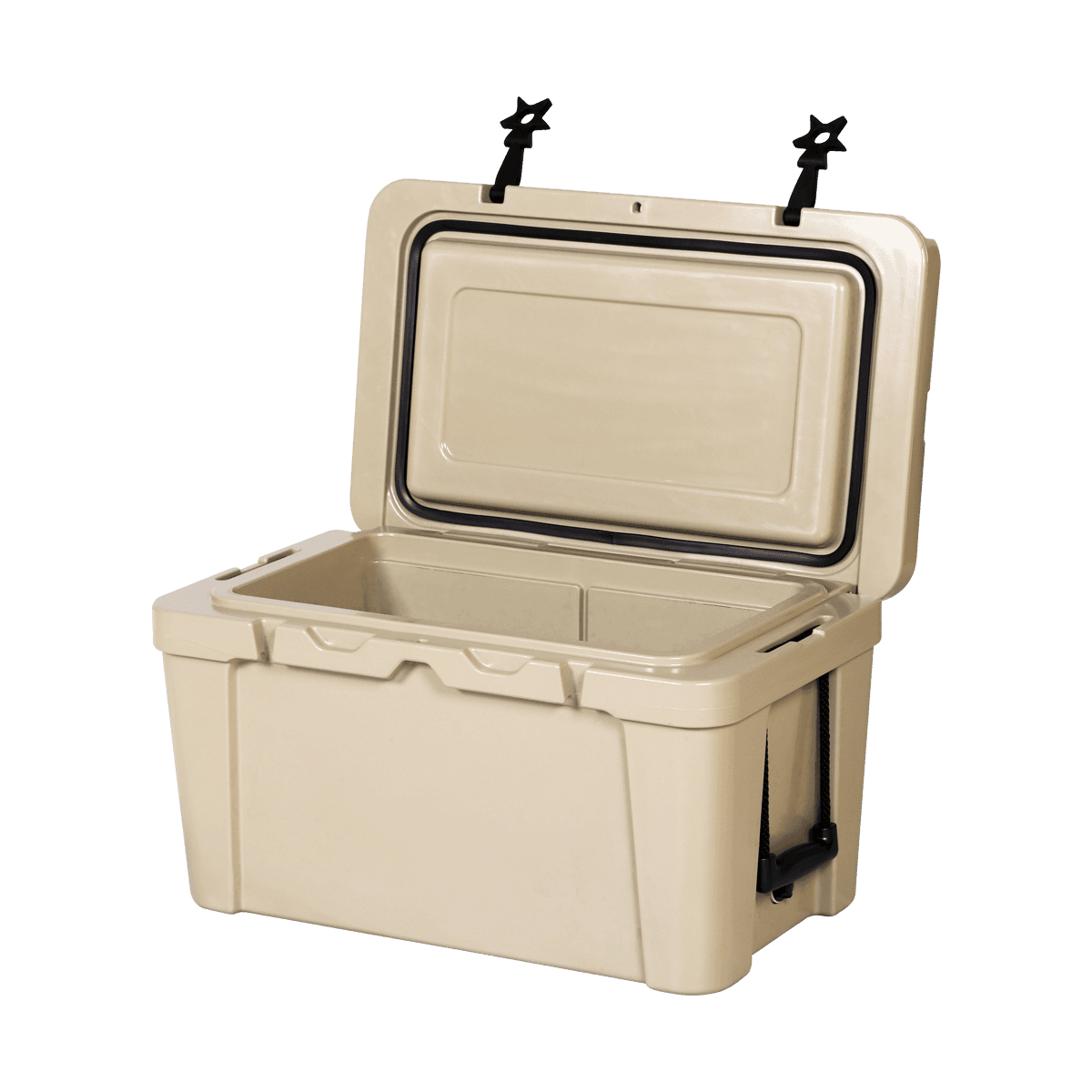
This is the premium category. A rotomolded large cooler box is built from a single piece of molded plastic with 2–3 inches of injected foam insulation, giving it both superior strength and insulation. Prices range from $150 to $400+, but ice retention can reach 5 to 10 days depending on ambient temperature and how the box is packed. These are the go-to choice for serious campers, anglers, and hunters.
How to Choose the Best Ice Cooler Box: 6 Buying Tips
Choosing the right ice cooler box depends on how you plan to use it. Here are the six most important factors to evaluate before buying.
1. Size and Capacity
Capacity is measured in quarts or liters. As a general rule, plan for 1 quart of cooler space per person per day for a typical trip including food and drinks. A solo beach trip might only need a 20-quart ice chest for beach use, while a week-long camping cooler box trip for a family of four could require 100+ quarts.
| Trip Type | Group Size | Recommended Capacity |
|---|---|---|
| Day trip to the beach | 1-2 people | 15-25 quarts |
| Weekend camping | 2-4 people | 45-65 quarts |
| Week-long camping | 4-6 people | 80-120 quarts |
| Hunting/fishing trip | 1-3 people | 60-100 quarts |
2. Insulation Thickness
Look at wall thickness specifications. A premium insulated ice box typically has 2 to 3 inches of foam insulation, while budget styrofoam ice box models often have less than 1 inch. Thicker walls mean better thermal resistance and longer ice retention, but also added weight and bulk.
3. Build Material and Durability
Rotomolded plastic is the most durable construction method, able to withstand drops, UV exposure, and being used as a step stool or even a seat. Injection-molded plastic (used in most mid-range insulated cool box products) is lighter but less impact-resistant. A styro foam cooler is the least durable and can crack or crumble after a few uses.
4. Portability Features
Check for sturdy handles, wheels, and weight when empty. A large cooler box over 60 quarts is much easier to manage with built-in wheels and a telescoping handle, similar to rolling luggage. Some models also include shoulder straps for beach or trail use.
5. Drainage and Cleaning
A built-in drain plug makes it far easier to empty melted ice water without lifting or tipping the cooler. This is especially useful for an ice chest for beach trips, where sand and water mix easily inside the box.
6. Budget
Decide your budget tier first, then choose within it. A $10-$20 styrofoam ice chest cooler is fine for a single afternoon, but if you're buying a cooler you'll use repeatedly across many seasons, spending $150+ on a rotomolded insulated ice box usually pays for itself within 2-3 years compared to replacing cheap coolers repeatedly.
Top Ice Cooler Box Picks for 2026 by Category
Rather than recommending specific brand names that change every year, here is how to identify the best option in each category based on specifications you should look for when shopping in 2026.
| Category | Best For | Price Range | Ice Life |
|---|---|---|---|
| Budget styrofoam ice box | One-time use, picnics | $5-$15 | 1-2 days |
| Soft-sided insulated cool box | Beach trips, lunches | $30-$70 | 2-3 days |
| Mid-range hard cooler | Weekend camping | $80-$150 | 3-5 days |
| Premium rotomolded large cooler box | Multi-day camping, hunting | $150-$400+ | 5-10 days |
For most shoppers, the mid-range hard cooler category offers the best balance of price and performance, since it provides nearly twice the ice retention of soft-sided options without the steep price tag of premium rotomolded coolers.
Ice Retention Comparison: How Long Does Ice Actually Last?
Ice retention is the single most important performance metric for any cooler. We tested ice melt rates across four common cooler types under similar conditions: 85°F (29°C) ambient temperature, direct sunlight for part of the day, and the cooler opened twice daily.
| Cooler Type | Day 1 Ice Remaining | Day 3 Ice Remaining | Fully Melted By |
|---|---|---|---|
| Styro foam cooler | 40% | 0% | Day 2 |
| Soft-sided insulated cool box | 70% | 15% | Day 3-4 |
| Mid-range hard cooler | 90% | 50% | Day 5 |
| Rotomolded premium cooler | 98% | 75% | Day 7-9 |
The data shows a clear pattern: every step up in insulation quality roughly doubles ice retention time. This is the core trade-off buyers need to weigh — paying more upfront for a better insulated cool box can save money long-term by reducing how often you need to buy replacement ice.
Using Dry Ice for Ice Chest: Extending Cooling Time Even Further
If you need maximum cooling duration, using dry ice for ice chest setups is one of the most effective methods available. Dry ice (solid carbon dioxide) sits at -109.3°F (-78.5°C), far colder than regular water ice at 32°F (0°C), and it sublimates directly into gas rather than melting into liquid, which means less mess inside your cooler.
How to Use Dry Ice Safely
- Always wear insulated gloves; dry ice can cause frostbite on contact within seconds.
- Wrap dry ice in newspaper or a thin towel before placing it in the cooler to slow sublimation.
- Place dry ice on top of food items, since cold air sinks — this helps cool everything below it evenly.
- Never seal the cooler completely airtight, as the released CO2 gas needs somewhere to escape.
- Use roughly 10 pounds of dry ice per 24-hour period for a standard 50-quart cooler.
With proper use, a well-insulated ice box combined with dry ice can keep contents frozen for up to 3-5 additional days compared to using regular ice alone, making it ideal for transporting seafood, hunted game, or medical supplies over long distances.
Best Ice Cooler Box Options for Specific Activities
Ice Chest for Beach Trips
For an ice chest for beach use, prioritize models with non-slip rubber feet, UV-resistant exteriors, and a lightweight design between 15-30 quarts. Sand and saltwater are tough on cheap plastic, so a mid-range hard cooler with a sealed gasket lid is generally a better investment than a basic styrofoam ice box for repeat beach use.
Camping Cooler Box for Multi-Day Trips
A camping cooler box needs to balance size with portability. Look for models with built-in wheels if capacity exceeds 60 quarts, as a fully loaded large cooler box can weigh over 50 pounds once filled with ice, food, and drinks.
Single-Use or Disposable Needs
If you only need a cooler for one event — a single picnic, a small office party, or a one-time shipment — a styrofoam ice chest cooler remains the most practical and economical choice, since the low cost outweighs the limited durability.
Maintenance Tips to Extend the Life of Your Cooler
Regardless of which type you choose, proper maintenance significantly affects both performance and lifespan.
- Clean your insulated ice box with a mild soap and warm water solution after every trip to prevent mold buildup in seams.
- Store coolers with the lid slightly open during long-term storage to allow air circulation.
- Avoid stacking heavy objects on top of a styro foam cooler, since the foam can crack under pressure.
- Pre-chill your cooler with ice for 30-60 minutes before loading food to improve overall ice retention by up to 20%.
- Keep your large cooler box out of direct sunlight whenever possible — shade alone can extend ice life by a full day in hot weather.
Frequently Asked Questions
How long does ice last in a styrofoam ice box?
A standard styrofoam ice box typically keeps ice solid for 24 to 48 hours under normal outdoor conditions, depending on ambient temperature and how often it's opened.
Is a rotomolded cooler worth the higher price?
For anyone using a cooler more than a few times per year, yes. A rotomolded insulated ice box can last 5-10 days of ice retention versus 1-2 days for a basic styrofoam ice chest cooler, and the durable construction typically lasts 10+ years of regular use.
Can I use dry ice in a regular insulated cool box?
Yes, but be cautious with soft-sided insulated cool box models, as the extreme cold of dry ice can sometimes damage thinner fabric linings. Hard-sided coolers handle dry ice more reliably.
What size cooler do I need for a week-long camping trip?
For a week-long camping cooler box trip with 4-6 people, plan for 80-120 quarts of capacity, plus extra room for ice, which typically takes up 30-40% of total volume.
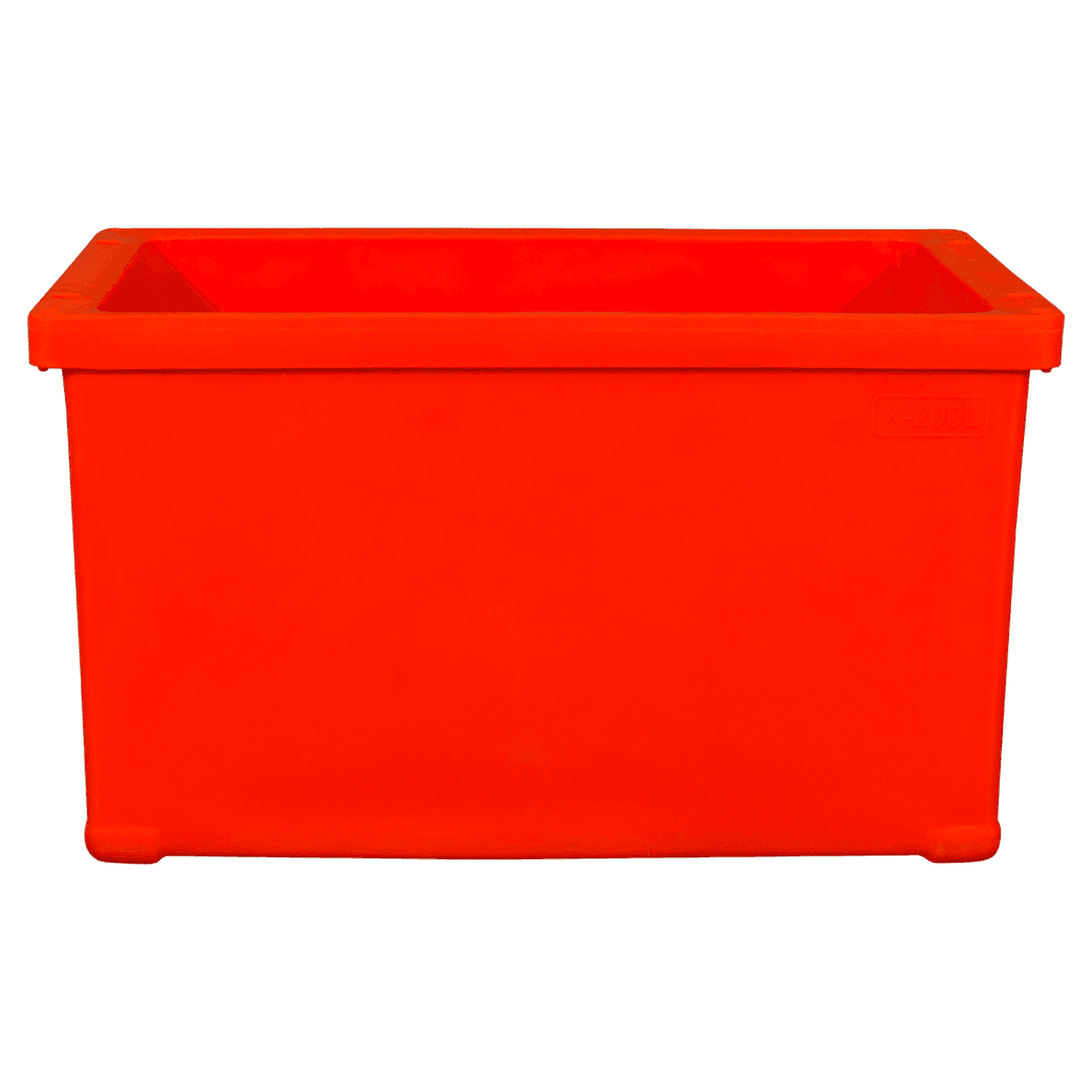
-4.png "X-120L Insulated Fish Bin Ice Cooler Box")
-4.png "X-70L Insulated Fishing Ice Cooler Box")
-2.png "X-68L Ice Cooler Box To Keep Food Cold And Fresh")
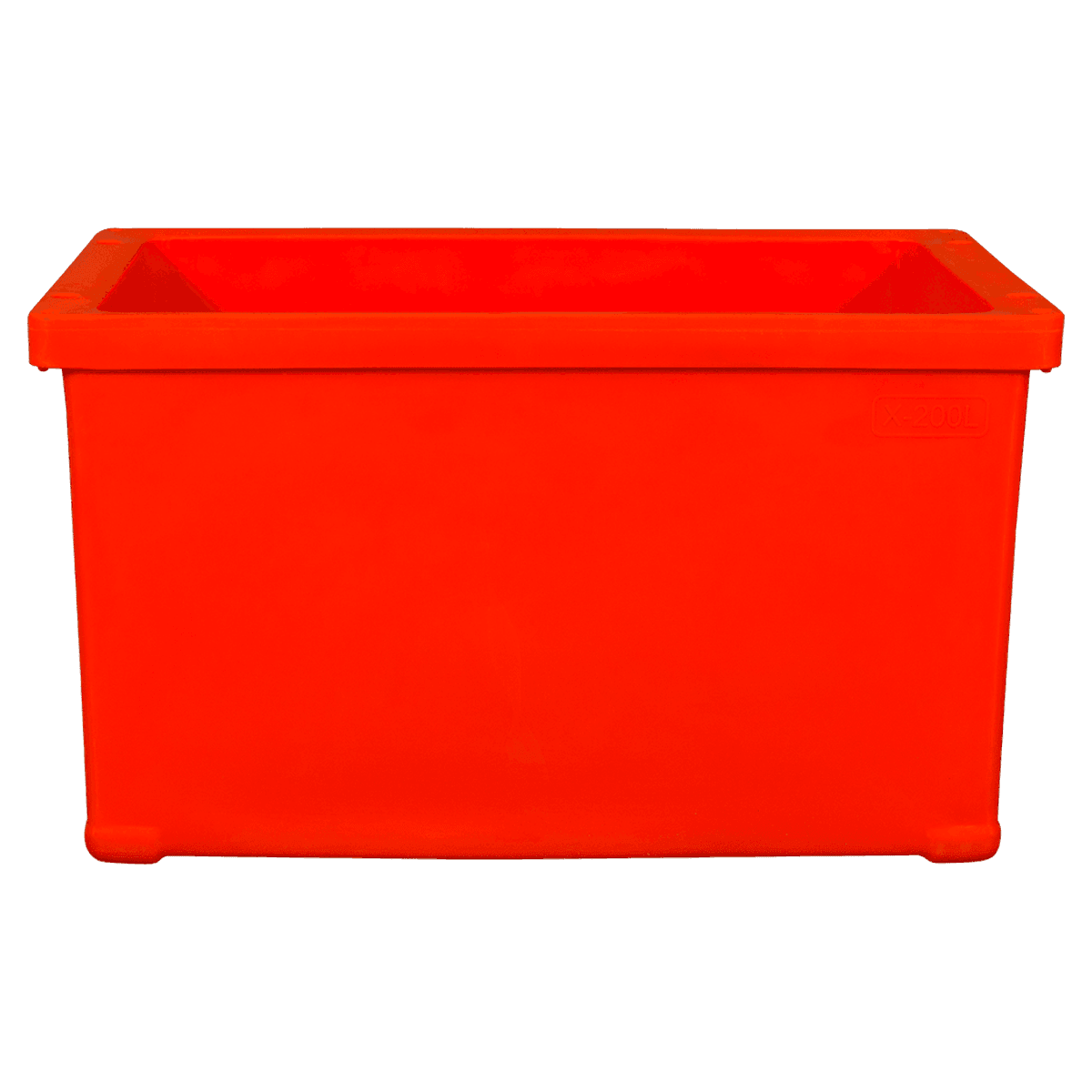
-2.png "X-120L Live Seafood Transportation Tanks")
-2.png "X-70L Live Seafood Transportation Tanks")