English
 Español
 عربى
عربى 中文简体
中文简体Content
- 1 What Is an Insulated Plastic Container and Why It Matters
- 2 Core Materials Used in Insulated Plastic Containers
- 3 How Insulation Actually Works Inside a Plastic Container
- 4 Types of Insulated Plastic Containers by Use Case
- 5 Insulated Plastic vs Other Common Materials
- 6 How to Choose the Right Insulated Plastic Container
- 7 Manufacturing Considerations and Quality Standards
- 8 Industry Applications and Field Performance
- 9 Working with a Reliable Insulated Plastic Container Manufacturer
- 10 Key Takeaways
What Is an Insulated Plastic Container and Why It Matters
An insulated plastic container is a rigid or semi rigid box built with a plastic shell that traps air or uses foamed cellular materials to slow heat transfer, keeping the contents warm or cold for a longer period than an ordinary plastic box could manage. The most common construction methods are single wall foamed plastic such as expanded polystyrene box designs, double wall vacuum plastic, and foam filled composite walls using expanded polypropylene or polyurethane cores.
In short: the insulation comes from trapped air pockets inside a cellular plastic structure or from a sealed air gap between two plastic walls, and the right choice depends on your target temperature range, budget, and how many times the container needs to be reused.
This guide breaks down the materials used, the physical principles behind the insulation, how different container types perform against each other, and the practical criteria buyers and product teams use to select the right option for food delivery, medical transport, industrial packaging, or household storage.
Core Materials Used in Insulated Plastic Containers
Not all insulated plastic containers are built the same way. The material choice affects thermal performance, weight, cost, and how the container can be recycled or reused. Below is a breakdown of the five materials most commonly used across the industry.
| Material | Typical Density | Thermal Conductivity | Common Use |
| Expanded Polystyrene (the classic expanded polystyrene box) | 15 to 30 kg per cubic meter | 0.033 to 0.040 W per m per K | Seafood shipping, vaccine transport, disposable cold packs |
| Expanded Polypropylene (EPP) | 30 to 90 kg per cubic meter | 0.035 to 0.045 W per m per K | Reusable meal kit boxes, medical delivery totes |
| Polyurethane Foam Core (PU) | 35 to 45 kg per cubic meter | 0.022 to 0.028 W per m per K | High performance coolers, pharmaceutical shippers |
| Double Wall Vacuum Plastic | Not foam based, air gap design | 0.005 to 0.010 W per m per K in the vacuum layer | Lunch boxes, beverage containers, small food carriers |
| High Density Polyethylene (HDPE) Shell with Foam Liner | Shell 950 kg per cubic meter, liner varies | Depends on liner, shell itself is a poor insulator alone | Industrial totes, roto molded coolers |
Among these, the expanded polystyrene box remains the most widely used option for single use or short term cold chain shipping because it is lightweight, inexpensive to mold, and provides dependable insulation for typical transit windows of 24 to 72 hours. Expanded polypropylene has grown in popularity for reusable programs since it tolerates repeated compression and washing far better than expanded polystyrene, while polyurethane cores are reserved for premium applications where temperature stability is critical, such as vaccine or blood sample transport.
How Insulation Actually Works Inside a Plastic Container
Heat moves through three mechanisms: conduction, convection, and radiation. Insulated plastic containers are engineered mainly to slow conduction and convection, since these are the dominant pathways for heat gain or loss in a sealed box.
- Trapped air cells: Foamed plastics like expanded polystyrene and expanded polypropylene are made of millions of tiny closed air pockets. Air is a poor conductor of heat, so the more evenly distributed and smaller these cells are, the slower heat can pass through the wall.
- Wall thickness: Thermal resistance increases roughly in proportion to wall thickness. A wall that goes from 20mm to 40mm can nearly double the time it takes for internal temperature to drift toward ambient conditions, though returns diminish past a certain thickness due to added weight and cost.
- Sealed air gap in double wall designs: Rather than foam, some plastic containers use two separate plastic walls with a sealed air or vacuum gap between them, similar in principle to double glazed windows. A true vacuum gap removes almost all conductive and convective heat transfer, which is why vacuum insulated plastic tumblers can outperform even thick foam coolers for holding a stable beverage temperature.
- Reflective lining: Some higher end containers add a foil or metallized layer on the inner wall to reduce radiant heat transfer, which matters more in direct sunlight exposure than in typical warehouse or vehicle transport.
A useful way to think about performance is the R value, a measure of thermal resistance used in building insulation and increasingly applied to packaging design. A 25mm wall of expanded polystyrene provides an R value close to 4, while the same thickness in polyurethane can reach an R value near 6.5, explaining why polyurethane cored containers are chosen when a shipment must survive extended transit delays.
Types of Insulated Plastic Containers by Use Case
Selecting the right container starts with matching the insulation type to the actual use case, since a design built for a one time cold chain shipment is rarely the best fit for a daily reusable lunch box.
| Use Case | Recommended Container Type | Typical Hold Time |
| Seafood and perishable food shipping | Expanded polystyrene box with gel packs | 24 to 48 hours |
| Meal kit and grocery delivery | Expanded polypropylene reusable tote | 6 to 12 hours |
| Vaccine and pharmaceutical transport | Polyurethane cored validated shipper | 48 to 96 hours |
| Personal lunch and beverage carrying | Double wall vacuum plastic container | 4 to 8 hours |
| Industrial parts and chemical storage | HDPE shell with foam liner tote | Varies by ambient conditions |
Food delivery platforms in particular have driven demand for reusable expanded polypropylene totes over the past several years, as restaurants and catering companies look to reduce the waste associated with single use expanded polystyrene box shipments while still holding food at a safe temperature during the typical 30 to 45 minute delivery window.
Insulated Plastic vs Other Common Materials
Buyers often ask how insulated plastic containers stack up against stainless steel, glass, or plain corrugated cardboard with foam liners. Each material trades off differently across weight, cost, and durability.
| Material | Weight | Relative Cost | Insulation Performance | Reusability |
| Insulated Plastic (EPP or PU core) | Light | Low to medium | Good to very good | High, up to hundreds of cycles |
| Expanded Polystyrene Box | Very light | Very low | Good for short transit | Low, typically single use |
| Stainless Steel Vacuum Container | Heavy | High | Excellent | Very high |
| Glass with Foam Sleeve | Heavy, fragile | Medium | Fair | Medium, breakage risk |
| Cardboard with Foam Liner | Light | Low | Fair, weakens if wet | Low, single use |
The clear takeaway is that insulated plastic sits in the middle of the field: it is far lighter than stainless steel, far more durable than glass, and offers better long term reuse economics than the traditional expanded polystyrene box, while stainless steel still wins outright when the absolute longest hold times or highest durability standards are required, such as multi day outdoor equipment.
How to Choose the Right Insulated Plastic Container
Before placing a bulk order or specifying a container for a new product line, work through the following criteria in order, since each one narrows the field considerably.
- Define the required hold time. A same city food delivery box has very different needs than a three day interstate pharmaceutical shipment.
- Decide between single use and reusable. Single use favors an expanded polystyrene box for low cost, while reusable programs favor expanded polypropylene or double wall vacuum plastic for durability.
- Check the target temperature range. Frozen goods generally need thicker walls or a polyurethane core, while chilled goods can often be served well by standard expanded polystyrene.
- Consider stacking and transport efficiency. Collapsible or nesting designs reduce empty return freight costs for reusable container fleets.
- Confirm food safety and regulatory compliance. Containers touching food or pharmaceuticals should meet relevant food contact material standards in your target market.
- Evaluate the supplier's tooling and customization ability. Custom cavity shapes, branding, and closure systems often require a manufacturer with in house mold design rather than a trading company reselling stock designs.
Manufacturing Considerations and Quality Standards
Production quality has a direct effect on how well an insulated plastic container performs in the field. A few manufacturing details are worth understanding even for buyers who are not engineers.
Poor mold design or inconsistent bead fusion during steam molding can leave gaps in the cellular structure, creating weak points where heat escapes faster than the rest of the wall. This is why buyers sourcing large volumes should ask for third party lab test reports on thermal performance rather than relying only on marketing claims, and should request sample units for real world hold time testing before committing to a production run.
Industry Applications and Field Performance
Cold chain logistics operators frequently report that a well designed expanded polypropylene tote can maintain contents below 4 degrees Celsius for 8 to 10 hours in ambient conditions near 25 degrees Celsius, which comfortably covers most same day grocery and meal delivery routes. Meanwhile, seafood exporters relying on the traditional expanded polystyrene box commonly pair a 30mm wall thickness with gel or dry ice packs to extend hold times to roughly 40 hours, sufficient for regional air freight routes.
In the medical sector, validated polyurethane cored shippers used for vaccine distribution are commonly tested to maintain a 2 to 8 degree Celsius range for up to 96 hours under controlled lab conditions, a requirement driven by the last mile challenges of reaching clinics without reliable refrigeration infrastructure. These figures illustrate why the material and construction choice cannot be separated from the actual logistics environment the container will operate in.
Working with a Reliable Insulated Plastic Container Manufacturer
Because insulation performance depends so heavily on mold precision, material grade, and consistent bead density, the manufacturer you choose matters as much as the material itself. A supplier with in house tooling can also adjust wall thickness, rib structure, and closure design to match your specific hold time targets rather than forcing your product into an off the shelf mold.
Ningbo Wanma Plastics Co.,Ltd. is one such manufacturer worth evaluating for buyers researching insulated plastic containers, including expanded polystyrene box products and expanded polypropylene reusable totes. The company operates with in house mold development capability, which allows for custom cavity shapes, branded lids, and adjusted wall thickness to fit different hold time requirements across food delivery, cold chain, and industrial packaging projects. For buyers comparing suppliers, it is worth requesting their material certifications, sample units for hold time testing, and minimum order quantities before finalizing a sourcing decision.
Key Takeaways
- Insulation in plastic containers comes from trapped air cells in foamed materials or a sealed air gap in double wall designs, not from the plastic itself.
- The classic expanded polystyrene box remains the most cost effective choice for single use or short term cold chain shipping.
- Expanded polypropylene and polyurethane cored containers suit reusable programs and longer hold time requirements such as pharmaceutical transport.
- Wall thickness, closed cell content, and mold quality all directly affect real world performance, so requesting test data and samples before bulk ordering is a sound practice.
- Matching the container type to the actual logistics environment, including transit time, temperature range, and reuse cycle, is the single most important decision in the selection process.
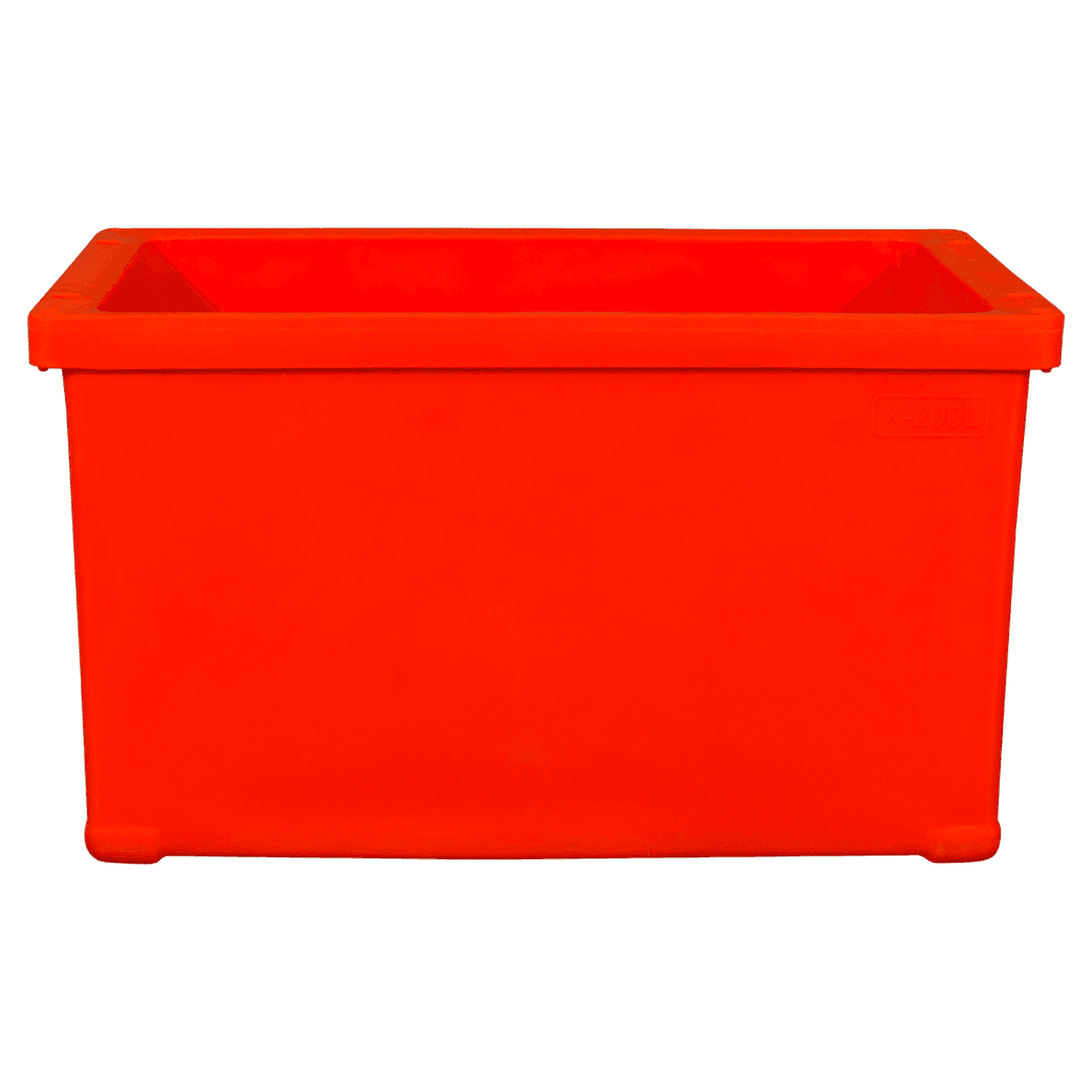
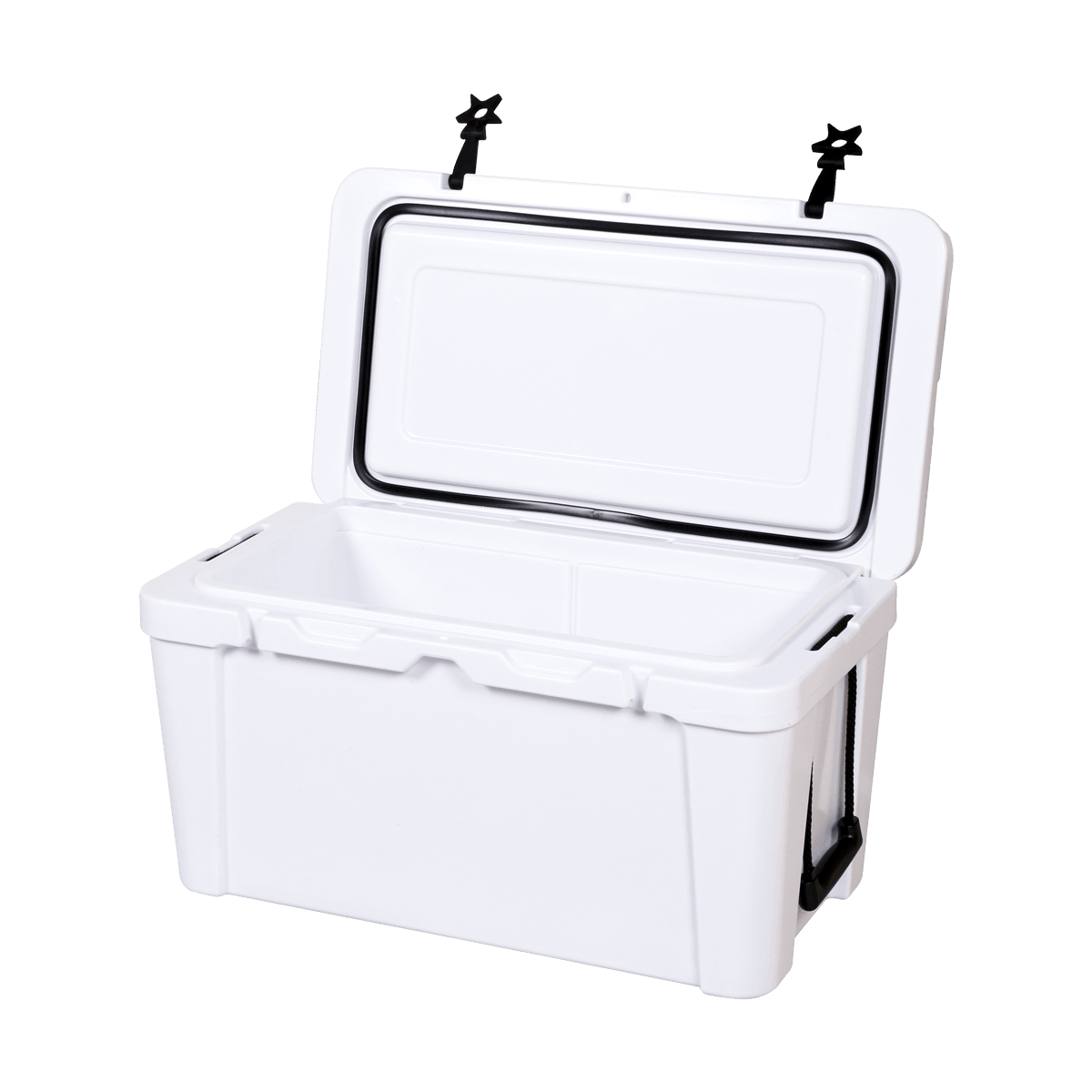
-4.png "X-120L Insulated Fish Bin Ice Cooler Box")
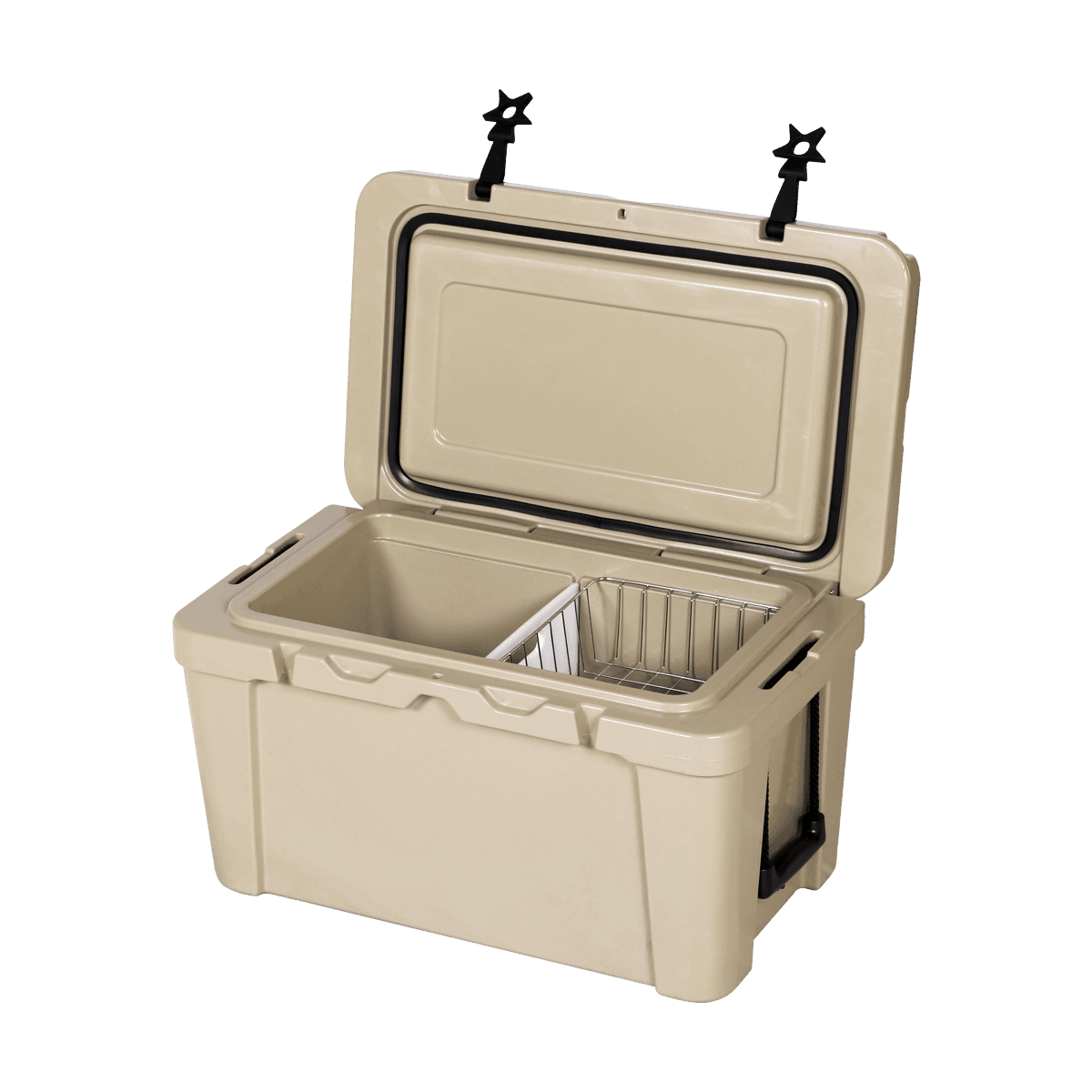
-4.png "X-70L Insulated Fishing Ice Cooler Box")
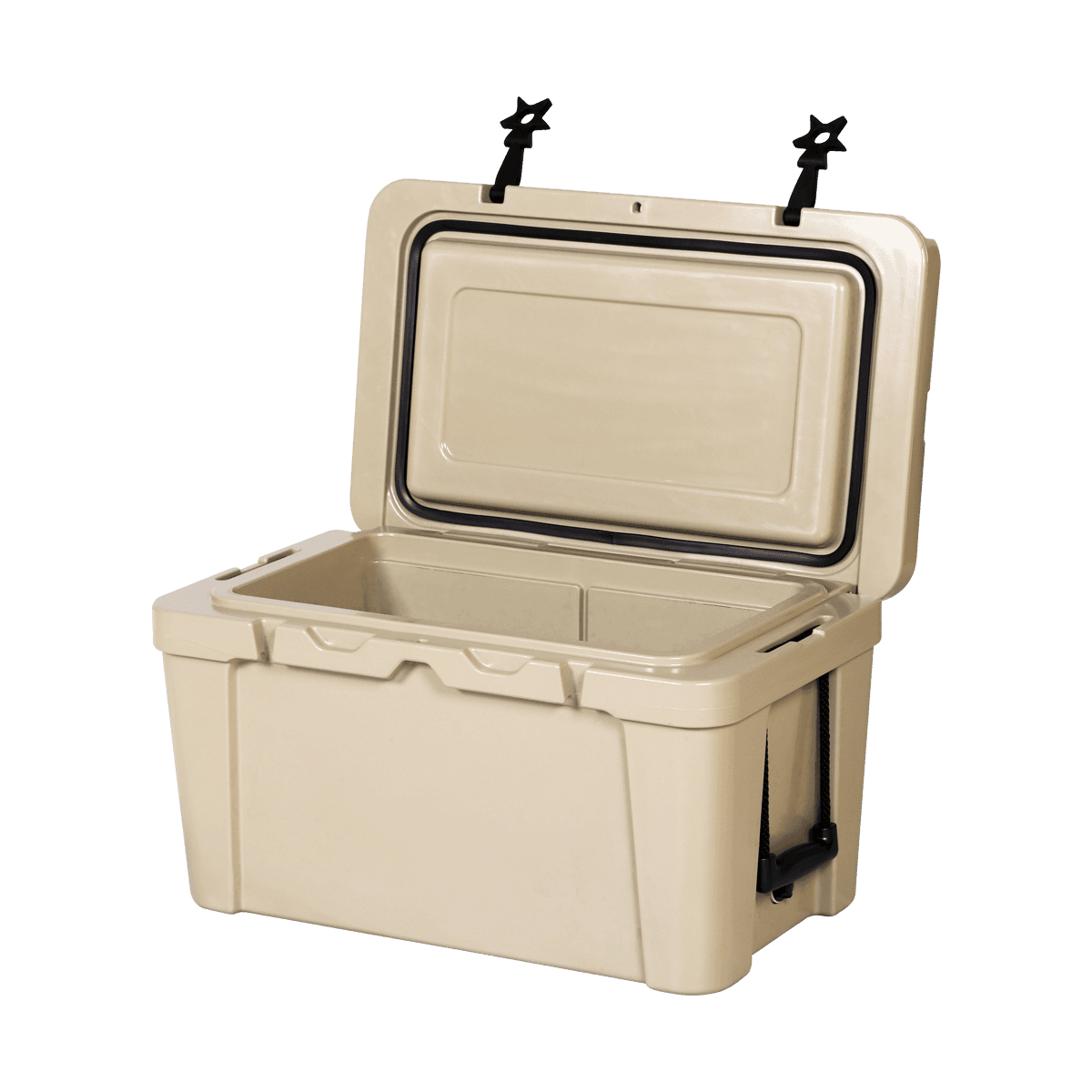
-2.png "X-68L Ice Cooler Box To Keep Food Cold And Fresh")
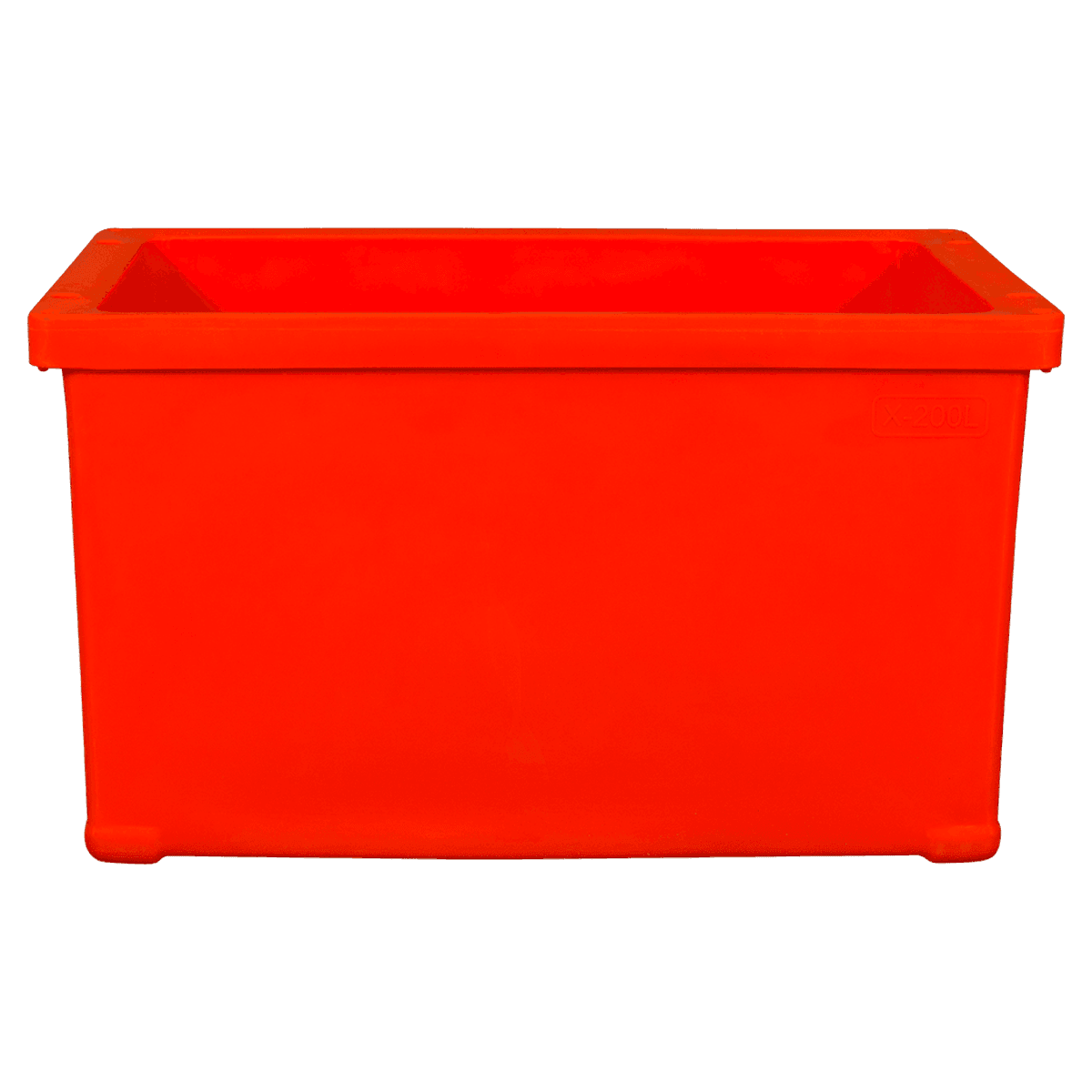
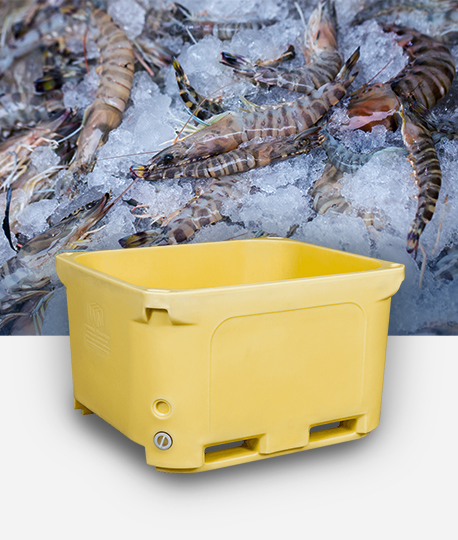
-2.png "X-120L Live Seafood Transportation Tanks")
-2.png "X-70L Live Seafood Transportation Tanks")