English
 Español
 عربى
عربى 中文简体
中文简体Content
A quality-control lab has just three hours to pack 24 temperature-sensitive samples for an overnight courier pickup. The purchasing team searches online for a "248c foam insulated shipping kit" because it is the standard answer for low-volume cold shipping. For occasional, single-parcel use, that answer is correct. But when your shipping volume rises to multiple parcels per week, the same foam kit becomes a recurring cost, a disposal problem, and a weak link in your cold chain. In that situation, a reusable rotomolded insulated container is the smarter long-term choice.
What Exactly Is a 248C Foam Insulated Shipping Kit?
A 248C foam insulated shipping kit is a combination of a molded foam inner container and a corrugated outer carton. The "248C" designation refers to a specific size in the 240 series, with a nominal footprint around 18 inches long and 14 inches wide. The foam insert, usually made of expanded polystyrene or polyurethane, creates a cavity around the product. Cold packs, gel packs, or phase-change materials are placed above, below, or beside the payload to hold the desired temperature during transit.
This simple design works because closed-cell foam reduces convective heat transfer and slows temperature change. A well-packed kit can maintain a cold chain for 24 to 48 hours under moderate ambient conditions. Typical contents include:
- An outer corrugated shipper with printed label areas
- Top and bottom foam panels that form the insulated lid and base
- Side wall foam inserts that fit snugly inside the carton
- Cold packs or gel packs, usually ordered separately
- Optional temperature data logger or indication label
Where a 248C Kit Makes Sense
Buyers choose a 248c foam insulated shipping kit for applications that need a lightweight, single-use cold chain solution. Clinical trial samples, diagnostic specimens, fresh food samples, and some pharmaceutical shipments all fit this pattern. Courier networks accept these kits because they stay within standard dimensional weight limits and do not require return logistics. That makes them ideal when the receiver is a hospital, a clinical site, or a patient who will discard the packaging after opening.
Operating a foam kit is straightforward: condition the cold packs, place the product in the foam cavity, fill any empty space with soft dunnage or additional foam, close the inserts, tape the carton completely, and hand it to the courier. This simplicity is the main reason foam kits remain popular.
The Limits to Know Before You Buy
The same characteristics that make a 248c foam insulated shipping kit convenient also create predictable problems. The first is economics. If your operation ships ten kits a week, the cost of foam, cartons, and cold packs repeats every time. The second is durability. EPS foam can crush under stacking pressure, and a crushed foam wall loses much of its insulating air space. The third is temperature stability. A kit rated for 24 hours may fail in high ambient heat if the cold packs are not pre-conditioned or are placed incorrectly.
There is also the environmental side. Most foam kits are made from expanded polystyrene, and recycling channels are inconsistent. Even if the carton is recyclable, the foam insert often ends up in a landfill. Finally, the kit has a fixed cavity size. If you need to ship larger volumes or mixed container sizes, you must manage a separate inventory of foam SKUs with different dimensions, which makes procurement harder than it needs to be.
When to Move to a Reusable Insulated Container
Once your weekly shipping volume crosses a small handful of parcels, compare the total cost of a 248c foam insulated shipping kit against a reusable rotomolded insulated container. A rotomolded box with a polyurethane foam core provides better impact resistance, a seamless inner liner, and a lid that can be latched shut. These containers are designed to be cleaned with food-grade detergents and used hundreds of times. The higher initial purchase price pays back quickly when the alternative is buying foam kits again and again.
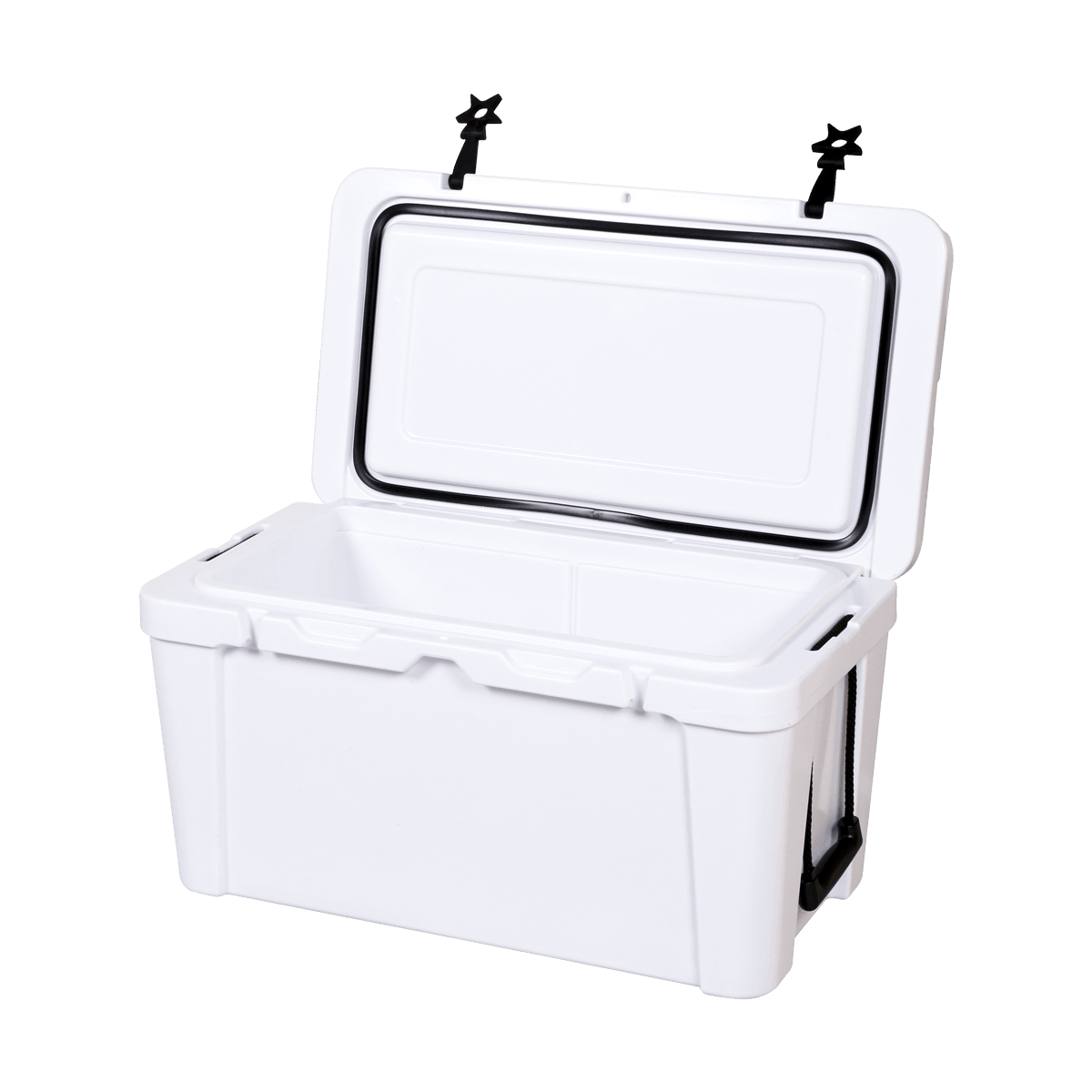
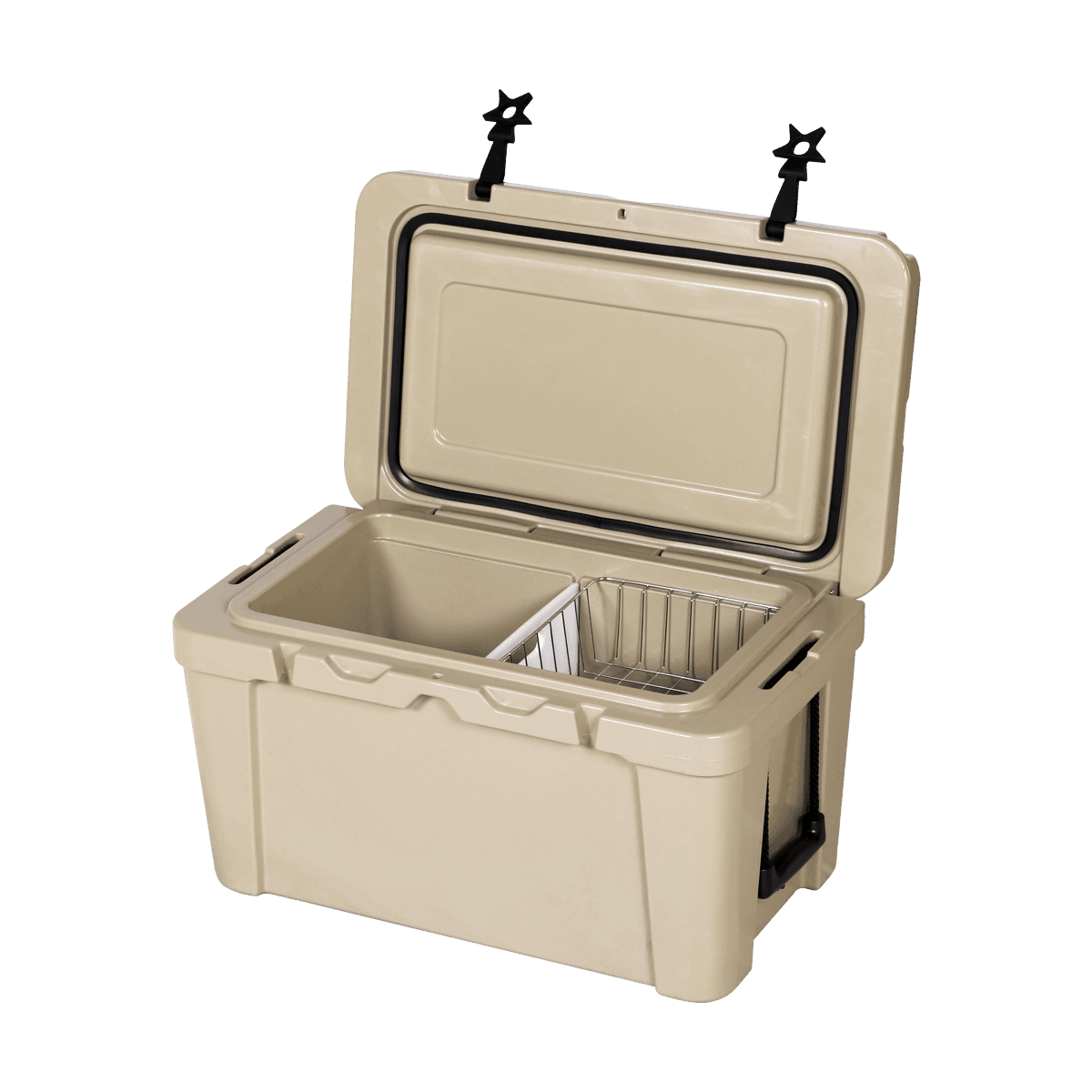
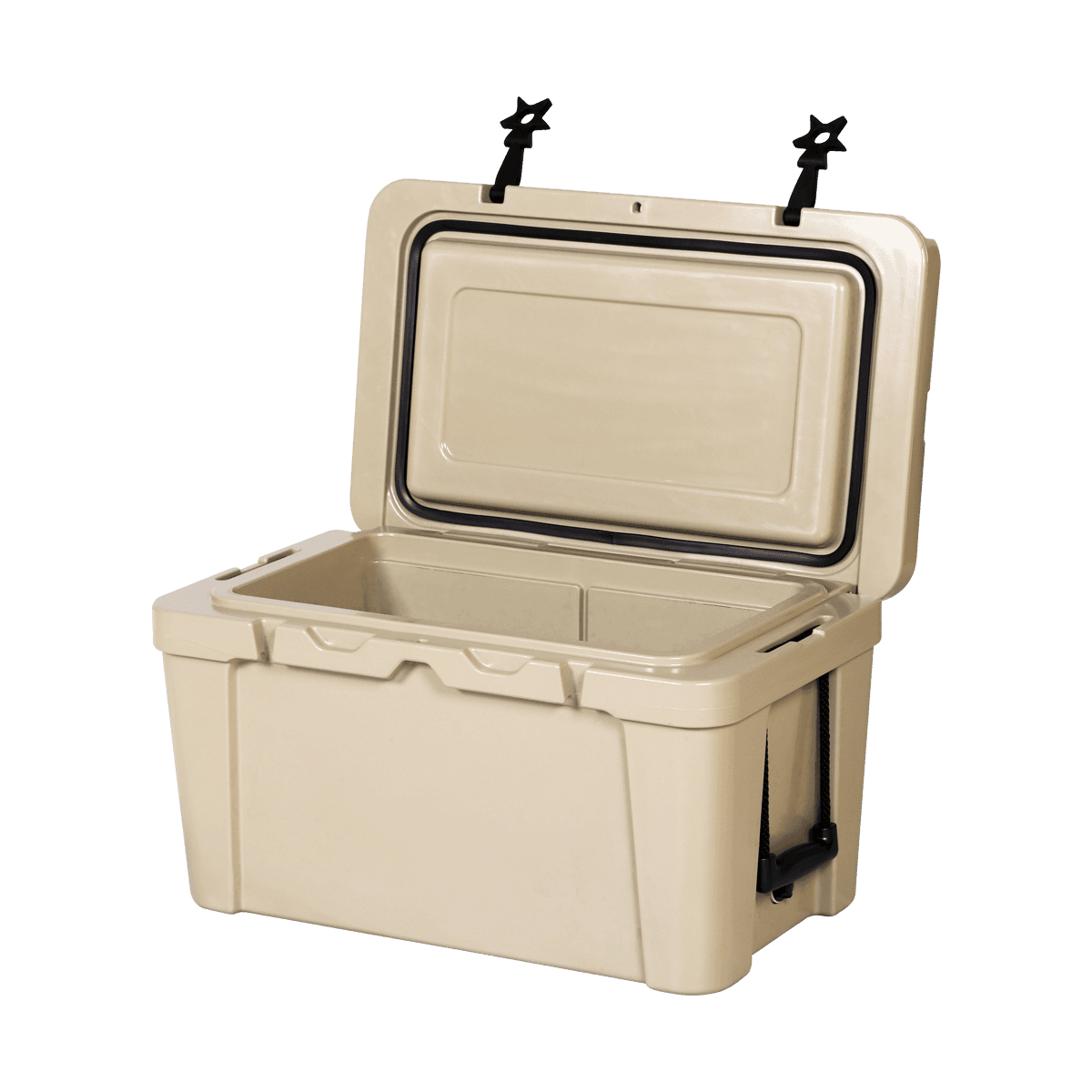
Container size also opens up new shipping options. A 68-liter rotomolded ice cooler, for example, can hold far more product than a 248C-style foam kit while still being portable enough for a single person to move. It will also stand up to repeated courier handling without crushing.
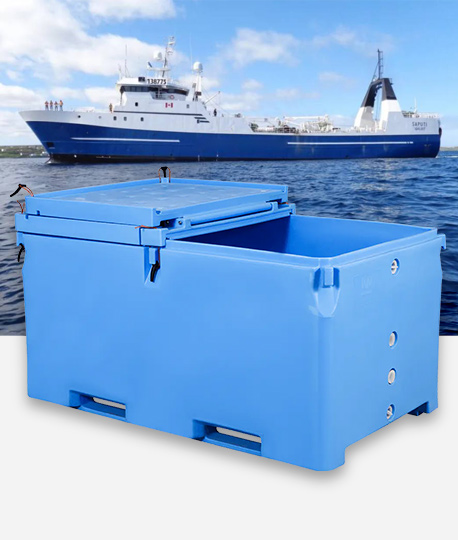
-1.png) X-68L Rotomolded Ice Cooler Box for Cold ShippingThis 68-liter reusable cooler offers durable double-wall insulation for repeated cold-chain routes. Its hinged lid and smooth, easy-to-clean surface make it a practical alternative to disposable foam kits.View Product →
X-68L Rotomolded Ice Cooler Box for Cold ShippingThis 68-liter reusable cooler offers durable double-wall insulation for repeated cold-chain routes. Its hinged lid and smooth, easy-to-clean surface make it a practical alternative to disposable foam kits.View Product →
| Factor | 248C Foam Kit | Rotomolded Insulated Container |
|---|---|---|
| Initial purchase cost | Low | Higher |
| Cost per shipment | Recurring on every order | Decreases with reuse |
| Crush resistance | Low | High |
| Cleaning method | Not designed for reuse | Food-grade washdown |
| Temperature hold | 24 to 48 hours typical | Depends on volume and cold packs |
Switching to a reusable container simplifies inventory too. Instead of ordering 240C, 246C, and 248C foam components separately, you maintain one durable body for repeated cold-chain routes. If your operation relies on palletized or warehouse-level cold storage, a dedicated cold chain logistics container will tolerate forklift contact and stacking much better than a foam kit. For products that need a stable frozen state, insulated containers for frozen goods offer the same double-wall insulation without the need to reorder foam boxes.
Sizing and Selection Considerations
Choosing between a 248c foam insulated shipping kit and a reusable container is not about exterior dimensions alone. The real measure is thermal performance under your actual route. A larger container with a thicker insulated wall can outperform a smaller foam kit if the cold packs are placed correctly. Start by calculating the payload volume and the required duration at your worst-case ambient temperature.
Keep these factors in mind when comparing products:
- Internal volume: the payload should fit without excessive dead space.
- Insulation type: polyurethane foam gives higher R-value per inch than EPS.
- Seal quality: a gasketed lid or overlap closure limits air leakage.
- Cold pack ratio: too many cold packs can freeze sensitive cargo; too few can allow warming.
- Handling environment: foam is fine for a parcel network; plastic containers are better for docks, warehouses, and repeated use.
What to Check Before You Order
Before replacing your foam kits with reusable containers, evaluate the materials and manufacturing process. For food and pharmaceutical cold chains, confirm that the plastic is food-contact safe and, if required, FDA approved. A seamless double-wall construction is easier to clean than an open-cell foam panel, and it avoids the small cracks where bacteria can hide.
Ask for a documented insulation test if the shipment requires a specific hold time. Reputable suppliers should be able to tell you the measured temperature curve under defined conditions. Also calculate the cost per shipment over 12 months: include initial purchase, cleaning labor, storage space, and freight. In many operations, a reusable container reaches payback within the first few months.
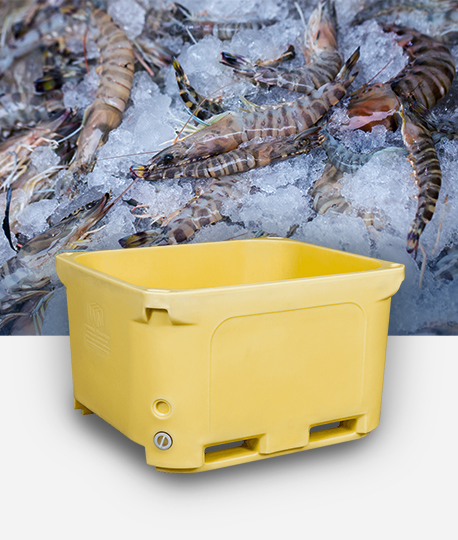
If you need a large, food-grade solution for repeated daily use, a 780-liter FDA-approved insulated food container can hold the same volume as dozens of foam kits while keeping your workflow clean and predictable.
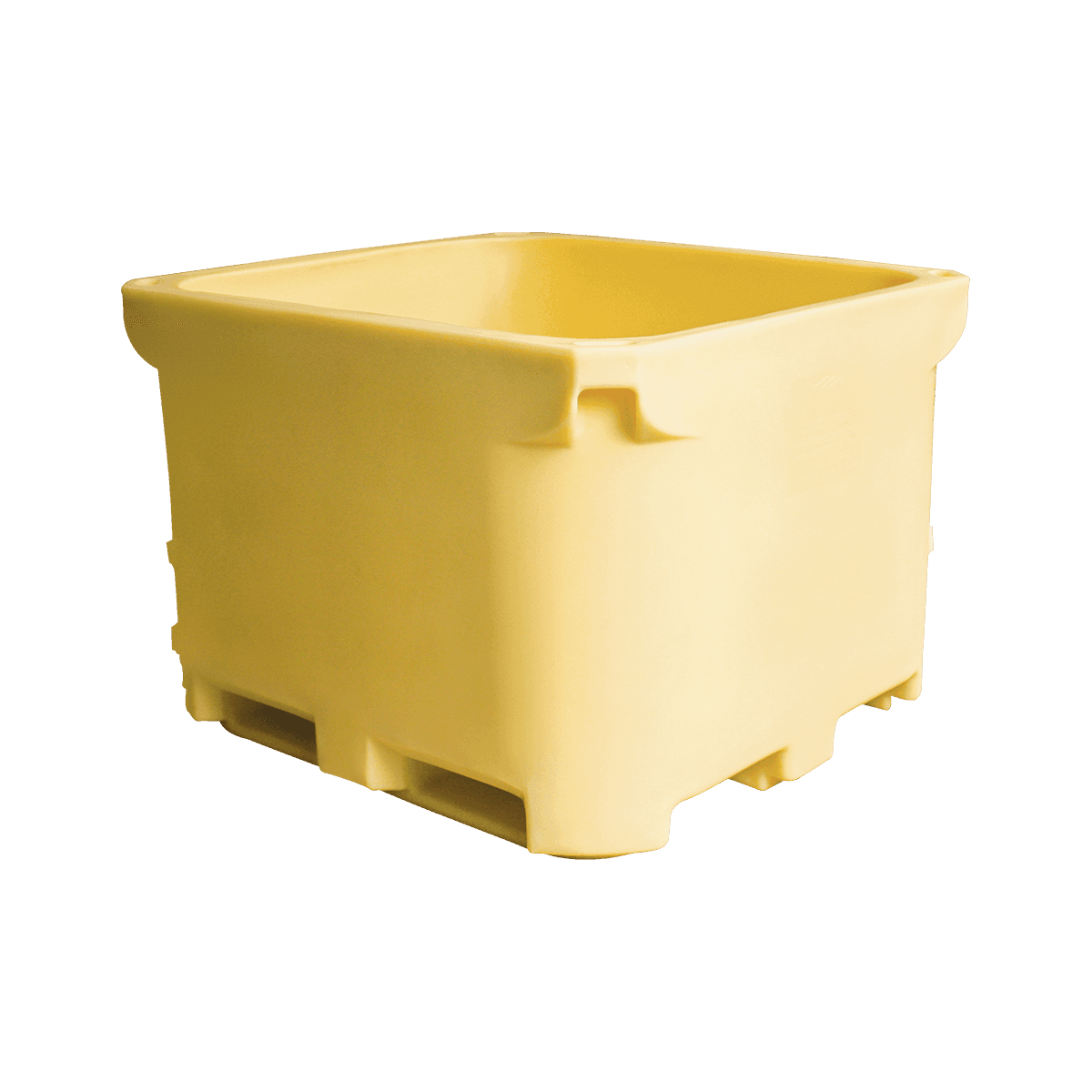 CF-780L FDA-Approved Insulated Container for Bulk Cold StorageWith 780-liter capacity and FDA-certified food-safe materials, this heavy-duty insulated container suits warehouse and workshop use. It holds the volume of many foam kits, providing stable temperature control for large-scale operations.View Product →
The bottom line is straightforward. A 248c foam insulated shipping kit is a dependable option for once-in-a-while, small-scale cold shipping. It is cheap, lightweight, and easy to dispose of at the receiving end. Once the volume picks up, the foam kit's advantages disappear and the drawbacks add up. Map your routes, calculate the cost per shipment, and test one or two reusable rotomolded containers against your current kit. You will likely find that the switch pays for itself faster than you think.
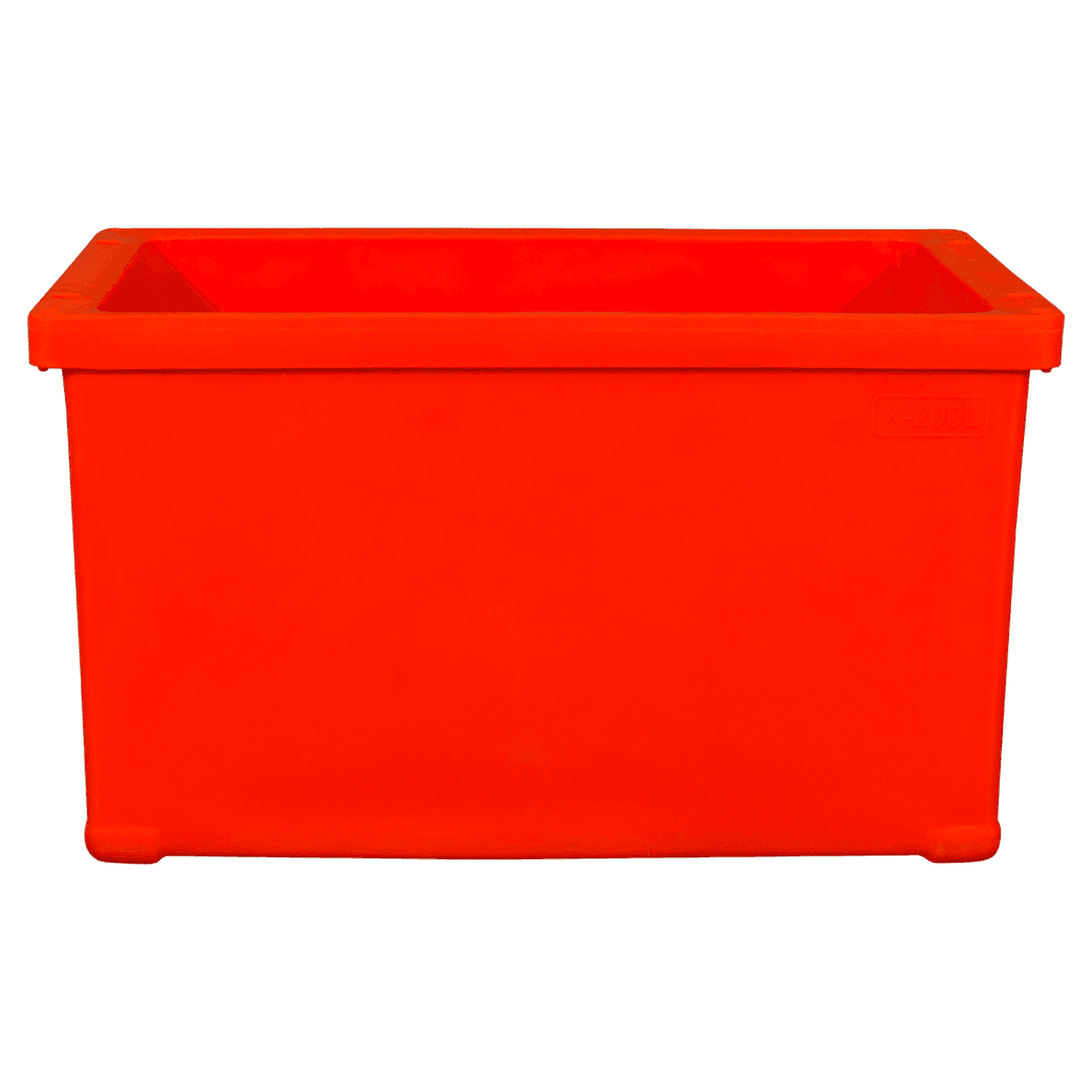
-4.png "X-120L Insulated Fish Bin Ice Cooler Box")
-4.png "X-70L Insulated Fishing Ice Cooler Box")
-2.png "X-68L Ice Cooler Box To Keep Food Cold And Fresh")
-2.png "X-120L Live Seafood Transportation Tanks")
-2.png "X-70L Live Seafood Transportation Tanks")