English
 Español
 عربى
عربى 中文简体
中文简体Content
- 1 Quick Answer: Where to Put Ice Packs in a Cool Box
- 2 Do You Put Ice in a Cool Box or Use Ice Packs Instead
- 3 How Many Ice Blocks for a Cool Box and How Many Ice Packs for a Cool Box
- 4 How Long Does Ice Last in a Cooler Box
- 5 How Long Do Ice Packs Last in a Cool Box
- 6 How Long Does Dry Ice Last in a Cooler Box
- 7 Will a Cool Box Keep Ice Frozen and How Long Will a Cool Box Keep Ice
- 8 How to Use an Ice Cooler Box the Right Way
- 9 How to Make an Ice Box Cooler Perform Better
- 10 How to Use Ice Box in Air Cooler Systems
- 11 What Is the Best Ice Box Cooler to Buy
- 12 Final Summary and Practical Checklist
Quick Answer: Where to Put Ice Packs in a Cool Box
The short answer is this: ice packs should go on top of your food and drinks, not underneath. Cold air sinks, so placing frozen ice packs above your items lets the cold settle downward and surround everything inside the box. If you have several ice packs, a better method is to sandwich your food between two layers, placing one flat layer on the bottom of the cool box before loading your items, then placing the remaining packs on top once everything is packed in.
This layering method keeps items cold from both directions and reduces the time it takes for warm air trapped inside the box to be pulled down and cooled. For long trips, many people also place thin ice packs along the inside walls of the box, since this reduces the amount of warm air that touches your food directly through the sides.
Now that you have the direct answer, the rest of this guide covers everything else you need to know, including how long ice and ice packs actually last inside a cooler, how many blocks or packs you need for different box sizes, and how to get the most cooling performance out of any ice box cooler.
Do You Put Ice in a Cool Box or Use Ice Packs Instead
This is one of the most common questions people ask before a trip, and the honest answer is that it depends on what you are cooling and for how long. Both loose ice and reusable ice packs work, but they behave differently inside a cooler.
Loose Ice
Loose block ice or cubed ice cools faster than ice packs because it has more direct surface contact with the items around it, and as it melts it creates a layer of near freezing water that continues to keep drinks and food cold. The downside is that loose ice eventually turns into water, which can soak food packaging, dilute drinks if bottles are not sealed properly, and add extra weight as you travel.
Ice Packs
Reusable ice packs, sometimes called gel packs, do not melt into liquid, which keeps your cool box dry and your food protected from water damage. They are reusable trip after trip and are generally considered cleaner and more convenient for food storage, though a single ice pack typically holds less total cooling capacity than an equivalent volume of solid ice.
A practical approach used by many campers and delivery drivers is to combine both: use a layer of ice packs against the walls and on top for structure and cleanliness, then add loose ice around food items that need the fastest and coldest contact cooling.
How Many Ice Blocks for a Cool Box and How Many Ice Packs for a Cool Box
The amount of ice or ice packs you need depends almost entirely on the size of your cooler and how long you plan to keep it closed between uses. Below is a general reference table based on typical cool box sizes measured in liters.
| Cool Box Size | Ice Blocks Needed | Ice Packs Needed |
|---|---|---|
| Small, 10 to 20 liters | 1 to 2 blocks | 2 to 3 packs |
| Medium, 25 to 40 liters | 2 to 4 blocks | 4 to 6 packs |
| Large, 45 to 70 liters | 4 to 6 blocks | 6 to 10 packs |
| Extra large, 75 liters and above | 6 to 10 blocks | 10 to 14 packs |
As a general rule, a well insulated cool box should have its contents filled with roughly one third to one half ice by volume for multi day trips. Packing too loosely with a lot of empty air space around your food actually reduces performance, since air holds far less cold than solid ice or tightly packed items. Filling gaps with extra ice packs or even a rolled towel helps maintain a consistently cold internal temperature.
How Long Does Ice Last in a Cooler Box
How long does ice last in a cooler box is one of the most searched questions among campers, fishermen, and anyone transporting food for extended periods, and the honest answer depends heavily on insulation quality, ambient temperature, and how often the box is opened. In a well insulated hard sided cooler kept in shade with minimal lid opening, block ice can last anywhere from three to seven days, while cubed ice usually lasts one to three days because it has more surface area exposed to warm air and melts faster.
How Long Can Ice Last in a Cooler Box Under Different Conditions
| Cooler Type | Ambient Temperature | Approximate Ice Duration |
|---|---|---|
| Basic foam cool box | Warm, around 30 degrees Celsius | 1 to 2 days |
| Standard hard sided cooler | Moderate, around 22 degrees Celsius | 3 to 4 days |
| High performance rotomolded cooler | Moderate, around 22 degrees Celsius | 5 to 7 days |
| High performance rotomolded cooler kept in shade | Cool, around 15 degrees Celsius | 7 to 10 days |
How long will ice last in a cooler box ultimately comes down to three controllable factors. First is insulation thickness, since thicker walls with tightly sealed lids trap cold far more effectively than thin, budget models. Second is how often the lid is opened, because every time warm air rushes in it accelerates melting significantly, so packing drinks and snacks in a separate small bag near the top can reduce how often you need to open the main compartment. Third is starting temperature, meaning a cool box that is pre chilled before ice is added will always outperform one that is loaded while still warm from a hot car trunk or direct sunlight.
How Long Do Ice Packs Last in a Cool Box
How long do ice packs last in a cool box is a slightly different question from loose ice, since gel packs typically hold a smaller total cooling capacity per unit of volume compared to solid ice. In practical terms, a standard reusable ice pack will usually keep a well insulated cooler cold for one to two days before it needs to be swapped out or refrozen, though larger commercial grade ice packs designed for medical or food transport can extend this to three or four days.
For trips longer than two days, most experienced coolers users recommend either bringing a rotation of frozen ice packs to swap in partway through the trip, or combining ice packs with loose block ice for a longer lasting result. Freezing your ice packs for at least twenty four hours before use, rather than just a few hours, also significantly improves how long they stay effective.
How Long Does Dry Ice Last in a Cooler Box
How long does dry ice last in a cooler box is a common question for people transporting frozen food, medical samples, or items that need to stay well below freezing rather than just cold. Dry ice, which is solid carbon dioxide, sublimates directly into gas rather than melting into liquid, and in a well insulated cooler it typically lasts eighteen to twenty four hours per five to ten pounds, depending on how well sealed the box is.
How long does dry ice last in cooler box performance can be extended significantly by using a cooler with thick insulation and a tight fitting lid, since dry ice sublimates faster in boxes with gaps or thin walls. It is important to never store dry ice in a fully airtight sealed container, since the gas released during sublimation needs somewhere to escape, and pressure buildup in a completely sealed box can be dangerous. Always keep dry ice wrapped in a towel or newspaper rather than placing it directly against plastic cooler walls, since direct contact for extended periods can occasionally cause cracking due to the extreme cold.
| Amount of Dry Ice | Cooler Insulation Quality | Approximate Duration |
|---|---|---|
| 5 pounds | Standard insulation | 18 to 24 hours |
| 10 pounds | Standard insulation | 24 to 36 hours |
| 10 pounds | High performance insulation | 36 to 48 hours |
| 20 pounds | High performance insulation | 48 to 72 hours |
Will a Cool Box Keep Ice Frozen and How Long Will a Cool Box Keep Ice
Will a cool box keep ice frozen depends largely on the build quality of the cooler itself rather than the ice you put inside it. A cheap thin walled foam box may only keep ice fully frozen for a matter of hours in warm weather, while a thick walled, well sealed cooler with a tight gasket around the lid can keep ice solid for several days even in outdoor heat.
How long will a cool box keep ice frozen is influenced by several design factors that are worth checking before you buy or rely on a cooler for an important trip.
- Wall thickness, since thicker insulated walls slow down heat transfer from the outside environment
- Lid seal quality, since a loose or warped lid allows warm air to continuously leak in
- Material type, since rotomolded plastic coolers generally outperform basic foam or thin injection molded plastic boxes
- Color and surface finish, since lighter colored exteriors reflect more sunlight and heat up more slowly than dark colored ones
- Drain plug design, since a well sealed drain plug prevents both leaks and warm air intrusion from the bottom
If you follow good practices such as pre chilling the box, packing it fully rather than leaving empty air space, and minimizing how often the lid is opened, even a mid range cool box can keep ice frozen for a surprisingly long time, often matching or coming close to the performance of far more expensive premium coolers.
How to Use an Ice Cooler Box the Right Way
Knowing how to use ice cooler box correctly makes a bigger difference to cooling performance than most people expect. Follow this simple process for the best results on any trip.
- Pre chill the cooler at least a few hours before loading it, either by placing ice inside temporarily or storing it in a cool indoor space rather than a hot car or garage.
- Chill your food and drinks in a refrigerator before packing them, since items that start cold will not draw as much cooling power away from your ice.
- Place a layer of ice or ice packs on the bottom of the box before adding food.
- Pack food and drinks tightly together, minimizing empty air gaps, since a fully packed cooler retains cold far longer than a loosely packed one.
- Add a final layer of ice packs or loose ice on top, since cold air sinks and this keeps the entire load surrounded by cold from above and below.
- Keep the cooler in shade whenever possible and avoid placing it directly in a hot vehicle trunk if you can help it.
- Limit how often you open the lid, and consider packing frequently accessed items such as drinks in a separate smaller bag near the top.
How to Make an Ice Box Cooler Perform Better
If you are wondering how to make ice box cooler perform closer to a premium model without buying new equipment, there are several practical upgrades and habits that make a real difference in cooling performance.
Add Extra Insulation
Wrapping a basic cooler in a reflective survival blanket or foam sleeve can noticeably reduce heat transfer through the walls, especially for lower cost coolers with thinner insulation. This is a simple and low cost way of learning how to make an ice box cooler retain cold longer without any major modification.
Seal Gaps Around the Lid
Over time, lid gaskets can wear down or warp slightly, allowing warm air to seep in continuously. Checking the lid seal and replacing worn gaskets, or adding a strip of weatherstripping foam tape around the rim, can meaningfully slow down warm air intrusion.
Pre Chill Everything
As mentioned earlier, pre chilling both the cooler itself and every item going inside it reduces the total cooling workload placed on your ice, which directly extends how long that ice stays frozen.
Minimize Empty Space
Filling remaining gaps with extra ice packs, frozen water bottles, or even a rolled towel reduces the volume of warm air trapped inside the box, which in turn reduces how quickly your ice melts.
Freezing spare water bottles ahead of time is a popular trick, since they double as both ice packs and drinking water once they melt, giving you two benefits from a single item packed into your cooler.
How to Use Ice Box in Air Cooler Systems
How to use ice box in air cooler setups is a slightly different topic from food storage coolers, referring instead to evaporative air coolers that use ice to lower the temperature of circulated air in a room. In these systems, an ice box or ice compartment is typically built into or placed alongside the air cooler unit, and ice or frozen gel packs are loaded into this compartment so that air passing over or near it is cooled before being blown into the room.
To use this type of system effectively, load the ice compartment fully with either block ice or multiple frozen gel packs, since a partially filled ice box will only provide a short burst of noticeably cooler air before the effect fades. Running the air cooler fan at a lower speed when using ice, rather than the highest setting, often allows air more time to pass over the cold surface, resulting in a more noticeable cooling effect compared to a high speed setting that moves air past the ice too quickly to absorb much cold.
What Is the Best Ice Box Cooler to Buy
What is the best ice box cooler really depends on your specific use case, whether that is weekend camping, long distance road trips, commercial food transport, or fishing trips where ice retention over several days is critical. That said, there are common features that separate genuinely high performing coolers from average ones.
| Feature | Why It Matters |
|---|---|
| Wall and lid thickness | Thicker insulated walls slow heat transfer and extend ice retention time |
| Seal quality | A tight gasket prevents warm air from continuously entering the box |
| Build material | Rotomolded plastic is generally more durable and better insulated than basic injection molded plastic |
| Drain plug design | A leak proof drain plug prevents both spills and warm air intrusion |
| Latch and hinge strength | Durable latches maintain a tight seal even after repeated daily use |
| Exterior color | Lighter colors reflect sunlight and reduce internal heat buildup |
For buyers or businesses sourcing cool boxes in bulk, working directly with an experienced manufacturer rather than a general reseller often results in better build consistency, more reliable insulation quality, and more flexibility for custom sizing or branding requirements.
Recommended Manufacturer: Ningbo Wanma Plastics Co., Ltd
For buyers looking for a reliable source of ice box coolers, Ningbo Wanma Plastics Co., Ltd is a manufacturer worth considering. The company specializes in plastic cooler boxes and related insulated storage products, offering a range of sizes suitable for camping, fishing, food delivery, and general outdoor use.
As a factory direct manufacturer, Ningbo Wanma Plastics is generally positioned to provide more competitive pricing compared to trading companies, along with the flexibility to support custom sizing, wall thickness, and branding for buyers with specific requirements. Businesses or individuals sourcing cool boxes in larger quantities may find it useful to request product samples and insulation performance details directly from the manufacturer before placing a bulk order, ensuring the final product meets the ice retention expectations outlined throughout this guide.
Final Summary and Practical Checklist
Bringing everything together, the placement and management of ice inside a cool box has a direct and measurable impact on how long your food and drinks stay properly cold. Use the checklist below as a quick reference before your next trip.
- Place ice packs on top of food, with an optional bottom layer for a sandwich cooling effect
- Pre chill both the cooler and its contents before loading
- Pack tightly to minimize empty air space inside the box
- Choose block ice for longer lasting cold and cubed ice for faster initial cooling
- Use dry ice only in a cooler that is not fully airtight, and never place it in direct contact with skin
- Keep the cooler in shade and limit how often the lid is opened
- Invest in a well insulated, tightly sealed cooler for trips longer than a single day
Whether you are packing a small cooler for a day at the beach or sourcing insulated boxes for a commercial food delivery operation, understanding exactly where to place ice packs and how different cooling materials behave inside a cool box will help you get consistently better results every time you pack one.
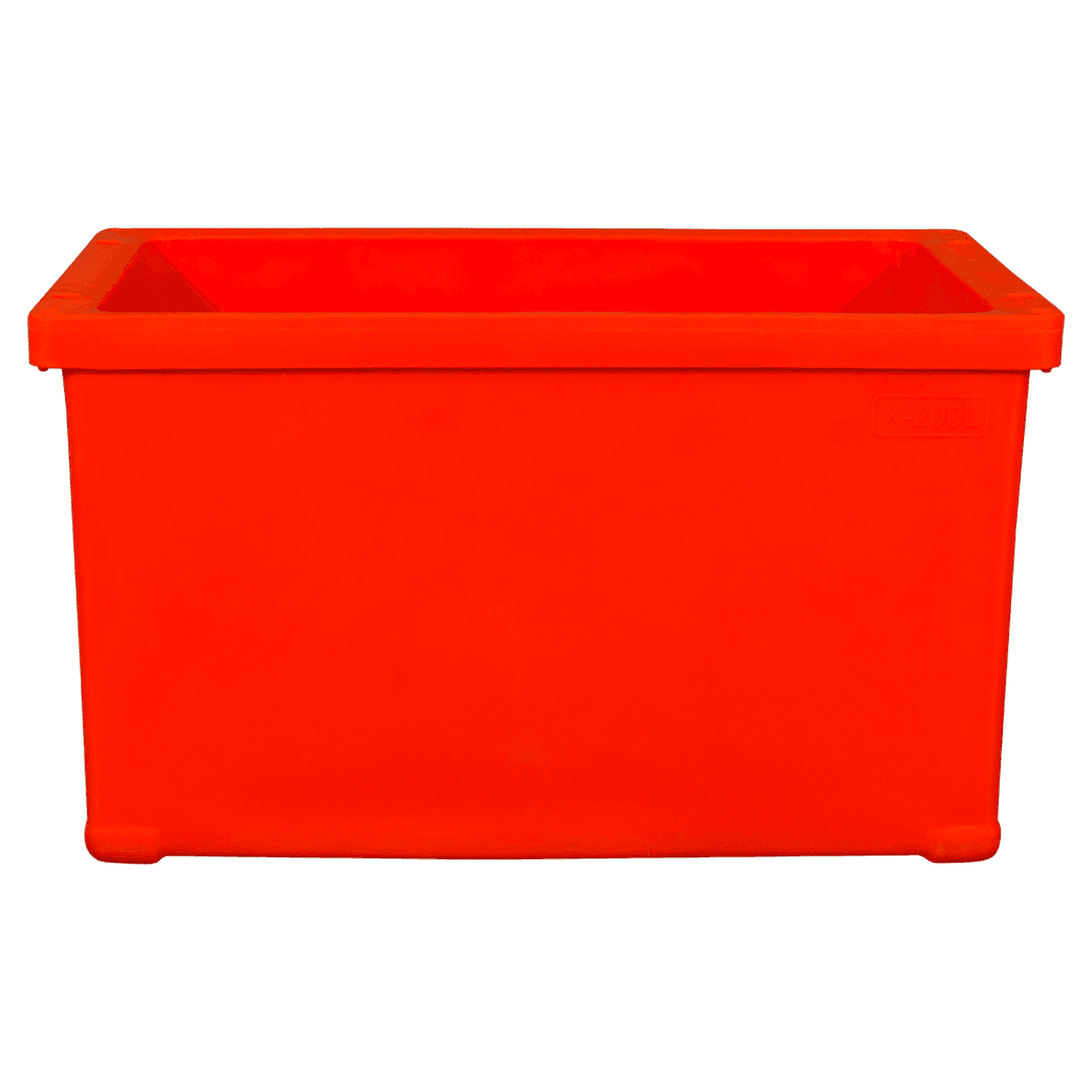
-4.png "X-120L Insulated Fish Bin Ice Cooler Box")
-4.png "X-70L Insulated Fishing Ice Cooler Box")
-2.png "X-68L Ice Cooler Box To Keep Food Cold And Fresh")
-2.png "X-120L Live Seafood Transportation Tanks")
-2.png "X-70L Live Seafood Transportation Tanks")