English
 Español
 عربى
عربى 中文简体
中文简体Content
Choosing the right ice cooler container is no longer just about picking a plastic box to hold ice. In today’s market, the technology behind thermal insulation has split into two dominant categories: the rugged, heavy-duty Rotomolded Coolers and the lightweight, flexible Soft-Sided Coolers. For outdoor enthusiasts, logistics managers, or professional anglers, understanding the structural differences between these two is the key to a successful investment.
Introduction: The Evolution of the Ice Cooler Container
The modern ice cooler container has evolved from a simple picnic accessory into a high-performance piece of equipment. Whether you are planning a week-long off-grid camping trip or simply need a reliable way to transport temperature-sensitive beverages to a local job site, the efficiency of your cooler impacts your experience and your budget.
The primary conflict for buyers usually boils down to Durability vs. Portability. Rotomolded coolers represent the “heavy armor” of the cooling world, designed to withstand bear attacks and desert heat. Soft-sided coolers, on the other hand, represent “light infantry”—built for speed, comfort, and daily convenience. In this guide, we will dissect the engineering, thermal performance, and practical applications of both to help you decide which ice cooler container aligns with your specific requirements.
What is a Rotomolded Ice Cooler Container?
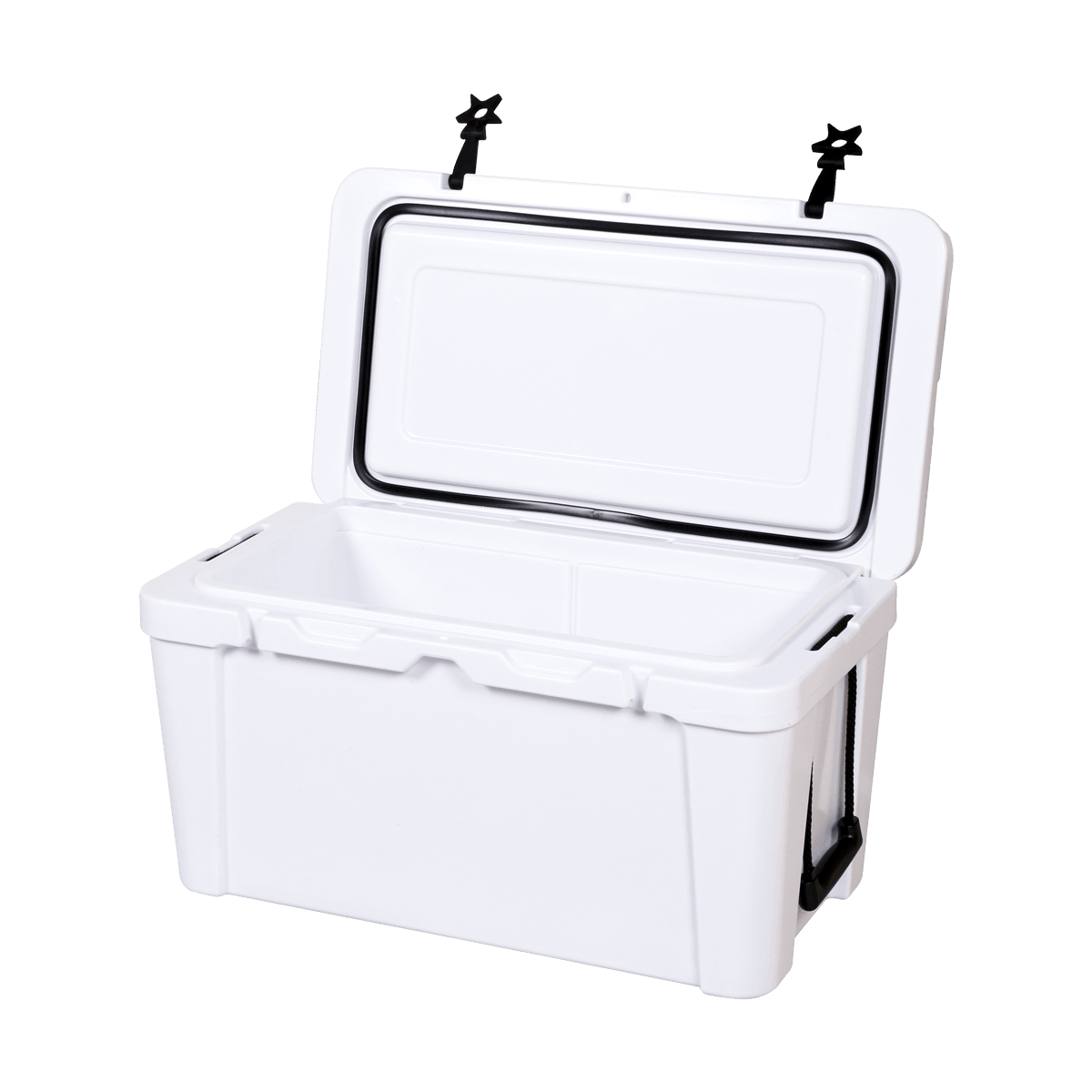
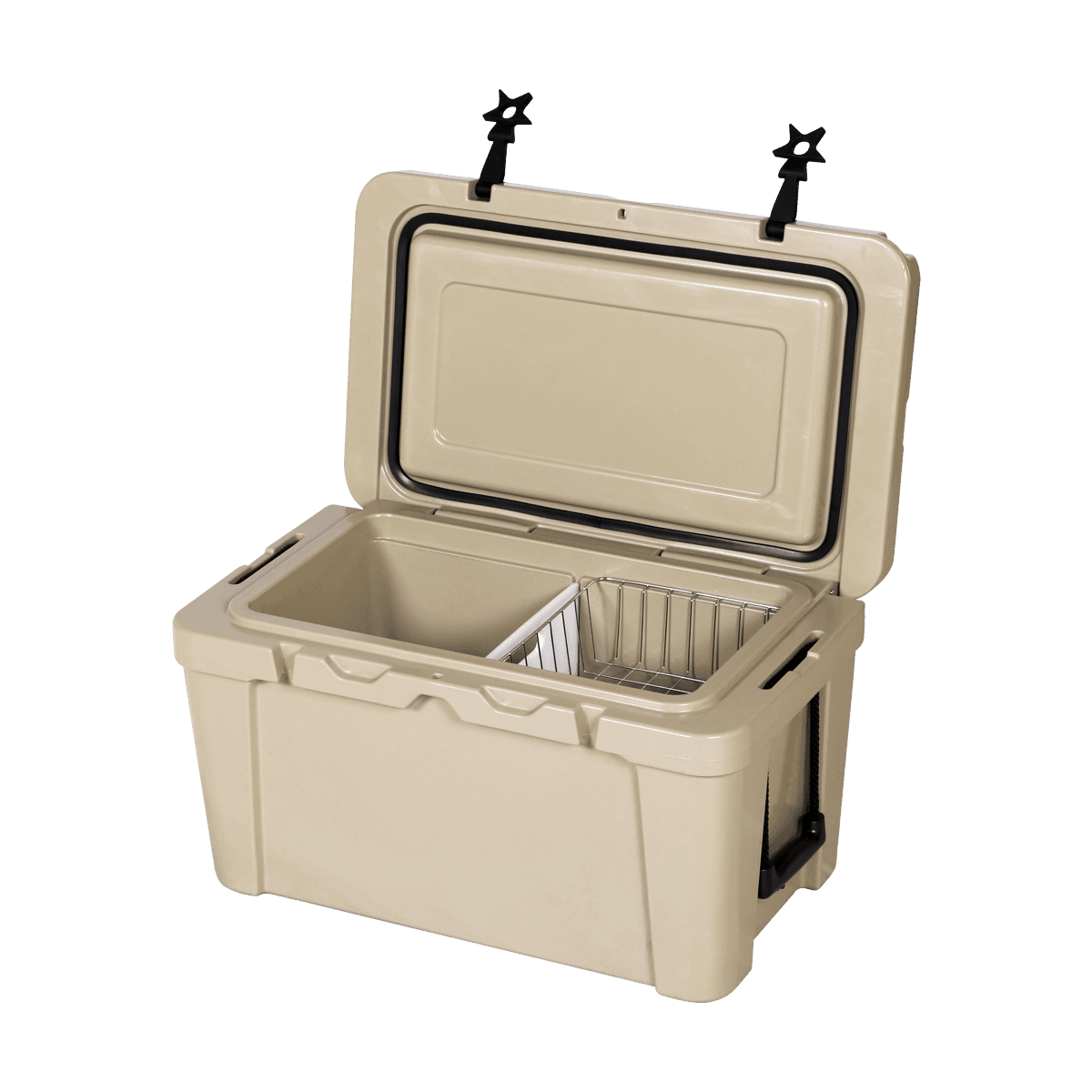
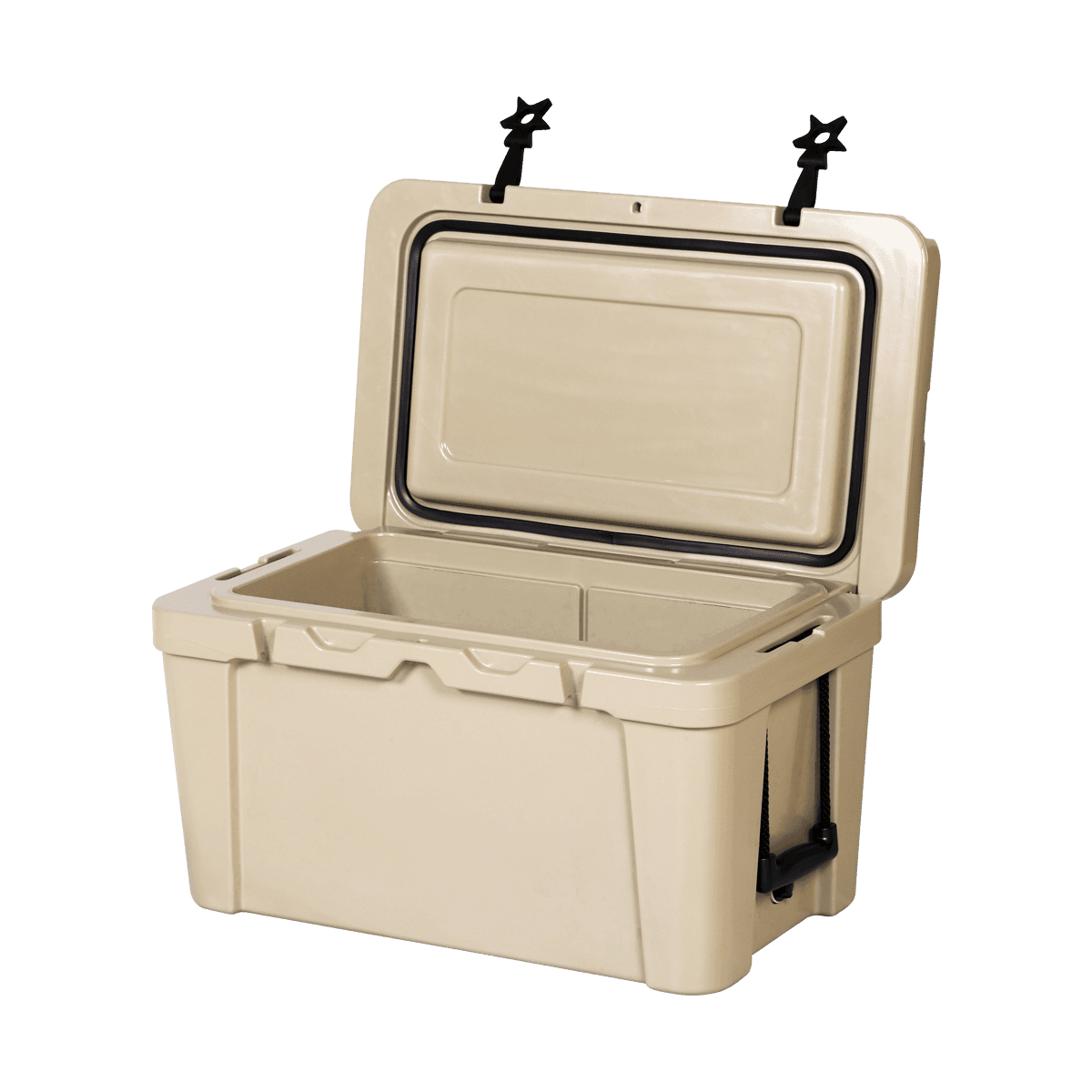
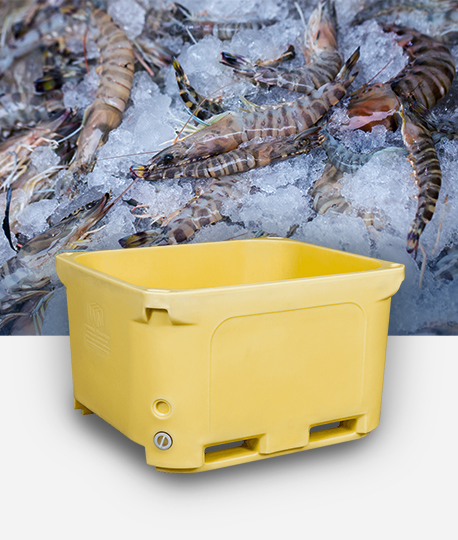
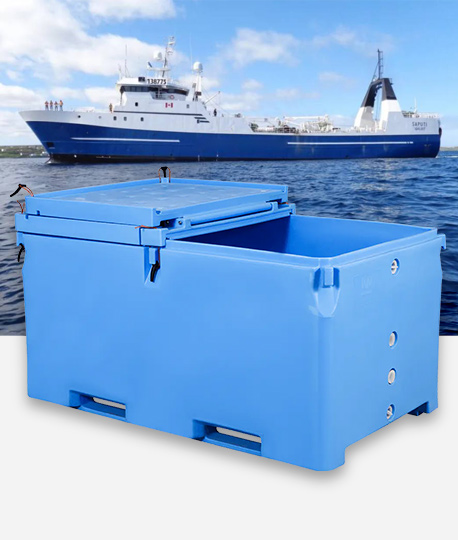
A Rotomolded ice cooler container (short for rotationally molded) is defined by its manufacturing process. Unlike traditional coolers where two plastic shells are glued together, a rotomolded cooler is created by placing high-quality polyethylene resin into a mold that rotates over a high-heat oven. This ensures that the plastic spreads evenly, resulting in a single-piece, seamless shell.
The Engineering Advantage of Rotomolding
The “seamless” nature of a rotomolded ice cooler container is its greatest strength. Because there are no seams or joints, there are no weak points where the structure can crack or where cold air can escape.
- Thick Pressure-Injected Insulation: Most rotomolded containers feature 2 to 3 inches of closed-cell polyurethane foam. This is significantly thicker than standard hardware-store coolers.
- Gasket Seals: These coolers often utilize freezer-grade silicone gaskets (similar to those on high-end refrigerators) to create an airtight seal, preventing thermal exchange.
Durability and Longevity
If you need an industrial-grade ice cooler container, rotomolding is the gold standard. These units are virtually indestructible. Many are certified “Bear-Resistant,” meaning they can withstand hours of clawing and biting from a grizzly bear without breaking. For B2B applications, such as construction sites or maritime use, the long-term ROI is high because these containers can last 10 to 15 years even under heavy UV exposure and rough handling.
What is a Soft-Sided Ice Cooler Container?
A soft-sided ice cooler container is designed for the user on the move. Instead of a rigid plastic shell, these use high-density fabrics—often 840D nylon with a TPU coating—that are puncture-resistant and waterproof. While they lack the “armor” of their rotomolded cousins, they offer a level of flexibility that rigid boxes simply cannot match.
Portability and Ergonomics
The primary selling point of a soft-sided ice cooler container is its weight. A 20-quart rotomolded cooler can weigh 15 lbs when empty; a similar-sized soft-sided cooler might weigh only 3-4 lbs.
- Shoulder Straps and Backpack Styles: Many soft-sided models come with padded straps or are designed as backpacks, allowing for hands-free transport across hiking trails or crowded beaches.
- Space-Saving Design: When not in use, many soft-sided containers can be compressed or folded, making them ideal for apartment dwellers or small vehicle trunks where every inch of space matters.
Thermal Performance of Soft Materials
Don’t let the “soft” label fool you. High-end soft-sided coolers use closed-cell foam technology. While they cannot match the 7-day ice retention of a rotomolded box, a premium soft-sided ice cooler container can easily keep ice frozen for 24 to 48 hours, even in direct sunlight. This makes them perfect for “day-trippers” who prioritize convenience over multi-day storage.
Deep Dive Comparison: Technical Specifications
To give you a clearer picture of which ice cooler container fits your workflow, we have summarized the key metrics below.
Performance Metric Table
| Feature | Rotomolded Container | Soft-Sided Container |
|---|---|---|
| Ice Retention | 5 to 10+ Days | 1 to 3 Days |
| Weight (Empty) | Heavy (15 lbs - 50 lbs) | Ultra-light (2 lbs - 8 lbs) |
| Puncture Resistance | Extreme (Hard Plastic) | High (Heavy-duty Fabric) |
| Capacity Range | 20Qt to 350Qt+ | 10Qt to 40Qt |
| Storage | Fixed Size (Large Footprint) | Collapsible (Space-saving) |
| Best For | Hunting, Fishing, Long Trips | Picnic, Gym, Daily Commute |
Capacity and Scaling
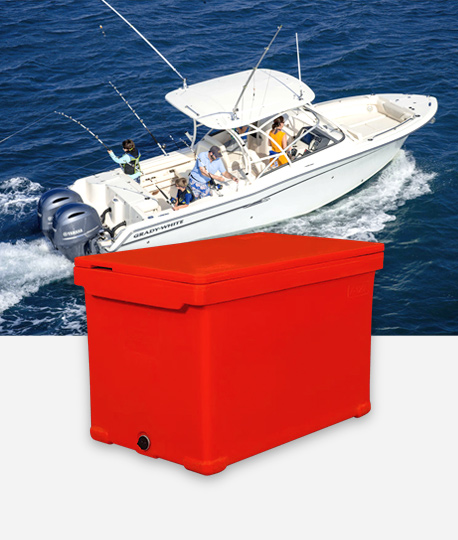
When selecting a rotomolded ice cooler container, you have the option to scale up to massive sizes suitable for catering or commercial fishing. Soft-sided containers are generally limited in size; once you fill a 50-quart bag with ice and beverages, it becomes too heavy to be “portable,” defeating the purpose of the soft design. Therefore, for large-scale logistics, rotomolding remains the superior choice.
Which One Should You Buy?
The decision between a rotomolded and a soft-sided ice cooler container ultimately depends on your “mission profile.” If you are an adventurer who spends weeks in the wilderness or a business owner looking for a rugged, long-term cooling solution for outdoor crews, the Rotomolded Ice Cooler Container is a necessary investment. Its thermal efficiency and indestructible nature make it the king of the “Ice Chest” world.
However, if your needs are focused on mobility—such as a weekend at the lake, a morning at the golf course, or transporting a cold lunch to a job site—the Soft-Sided Ice Cooler Container wins. It offers “good enough” insulation with significantly better ergonomics.
FAQ: Frequently Asked Questions
Q1: How do I maximize ice retention in my rotomolded ice cooler container?
- A: Pre-chill the cooler with a “sacrificial” bag of ice 24 hours before use. Keep the lid closed as much as possible and use a 2:1 ice-to-contents ratio.
Q2: Are soft-sided ice cooler containers waterproof?
- A: Most premium models use TPU-coated liners and “T-zip” waterproof zippers that are leak-proof, even if the bag is turned upside down.
Q3: Can I use dry ice in a rotomolded cooler?
- A: Yes, rotomolded containers are generally dry-ice compatible due to their thick walls, but you must ensure there is a way for gas to vent to prevent pressure buildup.
Q4: Which is easier to clean?
- A: Rotomolded coolers are easier to sanitize with a hose and mild soap. Soft-sided containers require more care to ensure the fabric dries completely to prevent mold.
References and Citations
- Journal of Thermal Science (2025): “Comparative Analysis of Closed-Cell Polyurethane Foam in Portable Insulation Systems.”
- Outdoor Gear Lab: “The Science of Rotomolding in the Modern Cooler Industry.”
- International Trade Administration (ITA) Report on Manufacturing Processes for High-Performance Outdoor Equipment.
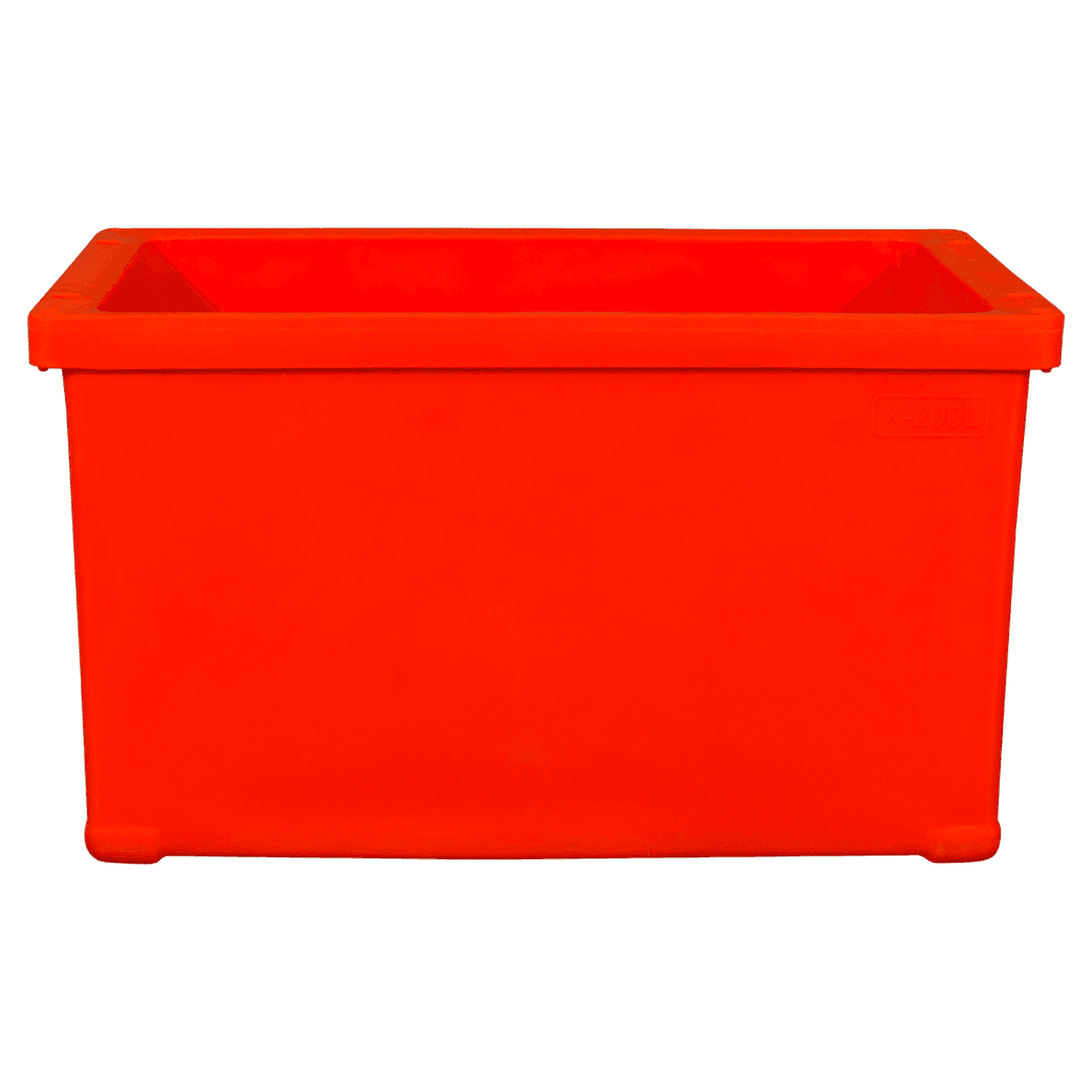
-4.png "X-120L Insulated Fish Bin Ice Cooler Box")
-4.png "X-70L Insulated Fishing Ice Cooler Box")
-2.png "X-68L Ice Cooler Box To Keep Food Cold And Fresh")
-2.png "X-120L Live Seafood Transportation Tanks")
-2.png "X-70L Live Seafood Transportation Tanks")