English
 Español
 عربى
عربى 中文简体
中文简体Content
- 1 The Resin Identification Code: What Every Plastic Number Means
- 2 What Number on Plastic Is Safe — A Direct Answer by Use Case
- 3 Plastic 4 (LDPE): The Underappreciated Safe Plastic in Insulated Systems
- 4 BPA Free Plastic Bottles and Containers: What the Label Actually Guarantees
- 5 Plastic Pollution Statistics America: Why Material Choice in Containers Matters
- 6 Materials Used in Insulated Plastic Container Construction
- 7 Manufacturing Methods: How Construction Determines Performance
- 8 Thermal Performance: How It Is Measured and What the Numbers Mean
- 9 The Recycle 1 Symbol and the 5 Recycle Symbol: What They Mean for Insulated Containers
- 10 Selecting an Insulated Plastic Container: A Specification Checklist
Insulated plastic containers are multi-layer engineered systems that slow heat transfer between their contents and the surrounding environment. The single most important factor in selecting any plastic container — insulated or otherwise — is the plastic number stamped on its base. That number is the resin identification code (RIC), part of the plastic identification code system introduced in 1988, and it tells you everything about the material's chemical safety, recyclability, and thermal suitability. Choosing a container without checking its plastic number meaning exposes users to unnecessary risks: chemical leaching, BPA exposure, and products that will never be recycled despite the recycling symbol on their base.
This guide covers all three dimensions of insulated plastic containers: the materials used (including what number on plastic is safe and what plastic number is safe for different uses), the construction methods that determine structural and thermal integrity, and the performance metrics that let buyers compare products objectively.
The Resin Identification Code: What Every Plastic Number Means
The resin identification code — also called the plastic identification code — is a numbering system developed by the Society of the Plastics Industry (now the Plastics Industry Association) to help recycling facilities sort post-consumer plastic waste by resin type. Each code appears inside or below a triangle of arrows (a recycling-style symbol) on the base or side of a plastic product. The number ranges from 1 to 7, and each has a distinct plastic number meaning in terms of chemical composition, food safety, microwave compatibility, and recyclability.
A widespread misconception is that the recycling triangle itself means the product is recyclable. It does not. The recycle 1 symbol (PET) and the 5 recycle symbol (PP) are among the most commonly accepted by curbside programs — but many other numbered plastics bearing the same triangular icon are rarely or never recycled in practice. Understanding the plastic number is the starting point for any informed decision about container selection, reuse, and disposal.
| Plastic Number | Abbreviation | Full Name | Food Safe? | BPA Risk? | Recyclable (US)? |
|---|---|---|---|---|---|
| #1 PETE | PETE / PET | Polyethylene Terephthalate | Single-use only | No | Yes — widely |
| #2 HDPE | HDPE | High-Density Polyethylene | Yes | No | Yes — widely |
| #3 PVC | PVC / V | Polyvinyl Chloride | No | No (phthalates) | Rarely |
| #4 LDPE | LDPE | Low-Density Polyethylene | Yes | No | Drop-off only |
| #5 PP | PP | Polypropylene | Yes | No | Growing programs |
| #6 PS | PS | Polystyrene | Avoid heated use | No (styrene) | Rarely |
| #7 Other | OTHER | Mixed / Polycarbonate / Tritan | Varies | Possible (PC type) | Rarely |
The critical takeaway from this table: only #2 HDPE, #4 LDPE, and #5 PP carry a consistently safe profile for repeated food contact. Of these, #2 and #5 dominate insulated container manufacturing because of their structural rigidity, temperature resistance, and widespread curbside recyclability.
What Number on Plastic Is Safe — A Direct Answer by Use Case
The question of what number on plastic is safe — or equivalently, what plastic number is safe — depends on how the container will be used. Safety is not a single threshold; it varies by temperature exposure, contact duration, food type, and whether the container will be reused. Here is a use-case breakdown:
For Cold Food and Beverage Storage
Safe plastic numbers: #2, #4, and #5. All three resins remain chemically stable at refrigerator and freezer temperatures (down to −40°C for HDPE). None contain BPA, phthalates, or styrene. For insulated containers intended for ice storage, cold drink transport, or frozen food shipping, #2 HDPE is the preferred outer shell material because of its exceptional impact resistance even at sub-zero temperatures.
For Hot Food and Microwave Use
Safe plastic number: #5 PP only. Polypropylene has a heat deflection temperature of approximately 100–135°C and does not leach measurable quantities of harmful monomers under repeated microwave heating when intact. #2 HDPE softens above 70–90°C and is not recommended for direct microwave use. All other plastic numbers — particularly #6 polystyrene and #1 PET — should never be used with hot food or in a microwave.
For Reusable Water Bottles and Long-Term Beverage Contact
What number of plastic is safe for repeated drinking use? #2 HDPE and #5 PP are the safest conventional choices. For clarity and aesthetics, Tritan copolyester (a subcategory of #7, specifically labeled BPA-free and BPS-free by the manufacturer Eastman Chemical) is also considered safe and is widely used in premium BPA free plastic bottles and insulated tumblers. Avoid any #7 container that does not explicitly state both BPA-free and BPS-free — older polycarbonate #7 bottles leach BPA, especially when scratched or heat-exposed.
What Are Safe Plastic Numbers for Industrial and Commercial Containers
In commercial food processing, pharmaceutical cold chain, and laboratory sample transport, what are safe plastic numbers is governed by regulatory frameworks rather than consumer guidance alone. FDA 21 CFR (US) and EU Regulation 10/2011 specify which resins and additives are approved for food-contact materials. In these contexts, #2 HDPE remains the gold standard for rigid container bodies — it is inert, cleanable, autoclavable (in certain formulations), and approved under both regulatory systems. #5 PP is the standard for inner liners and lids due to its heat resistance and low extractables profile.
Plastic 4 (LDPE): The Underappreciated Safe Plastic in Insulated Systems
Plastic 4 — low-density polyethylene (LDPE) — is frequently overlooked in discussions of safe plastics because it lacks the rigidity needed for structural container walls. However, it plays a significant role in insulated container systems as a liner and barrier material. LDPE's key properties for insulated applications include:
- Excellent low-temperature flexibility: Unlike HDPE, which can become brittle at extreme cold, LDPE remains pliable down to approximately −60°C — useful for flexible insulated pouches and bag-in-box cold-chain packaging.
- Low moisture vapor transmission rate (MVTR): LDPE film is a standard moisture barrier in insulated packaging, preventing condensation from migrating through insulation layers and compromising thermal performance.
- No BPA, no phthalates: LDPE was never manufactured with BPA and carries a clean toxicological profile for food contact under both FDA and EFSA regulations.
- Recyclability limitation: The primary drawback of plastic 4 in container applications is end-of-life. Flexible LDPE film and pouches are rejected by most curbside programs in the US; dedicated drop-off locations at major grocery retailers are the primary recovery pathway for LDPE film in America.
In multi-layer insulated packaging (such as pharmaceutical cold-chain shippers), LDPE film is often laminated with aluminum foil and polyurethane foam to create a composite insulating liner. Each layer contributes a distinct function: the LDPE provides moisture resistance, the foil provides radiant heat reflection, and the foam provides conductive insulation.
BPA Free Plastic Bottles and Containers: What the Label Actually Guarantees
BPA free plastic bottles are now the market standard across most consumer categories, following regulatory bans and consumer pressure that accelerated from 2008 onward. Canada was the first country to declare BPA a toxic substance (2010); the EU banned BPA in baby bottles in 2011 and extended restrictions to all food-contact plastics in 2022 under Commission Regulation (EU) 2022/1, which set a specific migration limit of 0.05 mg/kg for BPA in food-contact materials — down from the previous 0.6 mg/kg limit.
However, the BPA-free label has significant limitations that buyers of insulated containers should understand:
- BPS and BPF substitution: Many manufacturers replaced BPA with bisphenol S (BPS) or bisphenol F (BPF). Research published in Environmental Science & Technology (2015) identified these alternatives as having comparable estrogenic activity to BPA. A container can be accurately labeled "BPA-free" while still containing structurally similar endocrine-disrupting compounds.
- Heat and UV degradation increase migration: Even genuinely BPA-free containers made from #7 Tritan or #5 PP can release other plastic additives (UV stabilizers, antioxidants, slip agents) when subjected to UV exposure, repeated dishwashing, or high-temperature contact over time.
- The safest approach remains resin-based selection: Rather than relying on BPA-free claims alone, selecting containers made from #2 HDPE or #5 PP eliminates BPA risk at the resin level — these plastics were never manufactured with BPA. The BPA-free label is most relevant for #7 containers, where it distinguishes polycarbonate (BPA-containing) from safer alternatives like Tritan copolyester.
For insulated containers specifically, the outer shell (typically #2 HDPE) presents negligible BPA risk. The relevant question is the material used for the inner food-contact liner and lid gasket — both of which should be #5 PP or food-grade silicone in any quality-manufactured insulated container.
Plastic Pollution Statistics America: Why Material Choice in Containers Matters
The material choices made in insulated plastic container design and procurement have significant environmental consequences at scale. Plastic pollution statistics America reveal the magnitude of the problem:
- The US generates approximately 42 million metric tons of plastic waste per year, according to the 2020 Science Advances study by Law et al. — the highest of any nation in absolute terms.
- Of that total, only about 5–6% is actually recycled — a dramatic drop from the approximately 8.7% rate recorded in 2018, following China's National Sword policy restricting plastic waste imports from the US in 2018.
- Expanded polystyrene (#6 PS) — the dominant material in single-use insulated food containers — accounts for an estimated 30% of US landfill volume by space despite representing a smaller percentage by weight, due to its extremely low density.
- The EPA estimates that food service packaging represents approximately 31% of all municipal solid waste in the US — a category dominated by insulated foam containers, cups, and single-use trays.
- At least eight US states have enacted bans or levies on polystyrene foam food containers as of 2024, including California, New York, and Maryland, accelerating a shift toward reusable insulated PP and HDPE containers in food service supply chains.
These plastic pollution statistics underscore why the choice between a single-use EPS (#6) insulated container and a reusable #2 HDPE or #5 PP alternative carries consequences far beyond individual transactions. A reusable HDPE insulated container, over 100 use cycles, produces approximately 85% less plastic waste per delivery than single-use EPS equivalents, based on lifecycle analysis data from the Reusable Packaging Association (2022).
Materials Used in Insulated Plastic Container Construction
Insulated plastic containers are not single-material products. Every layer in the container wall performs a specific function, and the combination of materials determines both safety and thermal performance. Here is how each component layer is specified in practice:
Outer Shell: Structural Integrity and Environmental Resistance
The outer shell is the load-bearing, impact-absorbing layer of the container. #2 HDPE is the dominant choice for premium and industrial insulated containers because of its combination of tensile strength (20–37 MPa), impact resistance across a wide temperature range (−40°C to +120°C), and resistance to UV degradation when carbon black or UV stabilizers are incorporated into the resin. The alternative for lighter-duty or consumer containers is injection-molded #5 PP, which offers good stiffness-to-weight ratio but lower impact resistance at cold temperatures compared to HDPE.
Wall thickness of the outer shell ranges from 3–5 mm for injection-molded containers to 8–12 mm for rotomolded HDPE containers. Thicker walls directly improve structural protection of the insulation core but add weight — a relevant trade-off in air freight applications where excess container weight reduces payload capacity.
Insulation Core: The Thermal Performance Engine
Three insulation materials dominate the market, each suited to different performance and cost tiers:
- Expanded Polystyrene (EPS, #6 plastic): Thermal conductivity of 0.033–0.040 W/m·K. Cheap, lightweight, effective for 12–48 hour temperature hold applications. The standard for single-use fish boxes, pharmaceutical shipping, and food delivery. Major environmental liability: EPS is rejected by the vast majority of US curbside recycling programs and contributes disproportionately to plastic pollution statistics in America's waterways and coastlines.
- Polyurethane (PU) Foam: Thermal conductivity of 0.022–0.028 W/m·K — roughly 30–40% better than EPS at the same thickness. Injected as a two-component liquid into the cavity between inner and outer shells, where it expands and bonds to both surfaces. This seamless, void-free fill is why PU foam insulated containers outperform EPS equivalents by a factor of 3–5× in ice retention time. Premium rotomolded HDPE coolers with 50–75 mm PU foam walls achieve ice retention of 5–10 days at 32°C ambient temperature.
- Vacuum Insulation Panels (VIPs): Thermal conductivity of 0.004–0.007 W/m·K — the highest performing insulation material available for container applications. VIPs consist of a microporous silica or fumed silica core encased in a gas-barrier film envelope, evacuated to near-vacuum pressure. The absence of gas molecules eliminates conductive and convective heat transfer, leaving only radiation (which is further reduced by internal reflective barriers). VIPs are used where compact size and extreme thermal hold time are simultaneously required — pharmaceutical temperature-controlled packaging and high-value food cold chain applications. Cost is 10–30× higher than PU foam equivalents per unit of insulation performance.
Inner Liner: Food Contact and Cleanability
The inner liner is the food-contact surface and must meet the highest safety requirements of any component in the container. Standard materials are #2 HDPE or #5 PP, both of which satisfy FDA 21 CFR and EU Regulation 10/2011 food-contact requirements without additives that would compromise safety. The inner liner must be smooth, non-porous, and resistant to common cleaning agents and sanitizers used in food service environments (quaternary ammonium compounds, peracetic acid solutions).
In pharmaceutical-grade containers, the inner liner may additionally require antistatic treatment (to prevent particulate adhesion) or certification to ISO 15747 (plastics for intravenous injections) if used in parenteral drug transport.
Lid and Gasket System
The lid assembly is a critical but often underspecified component. Heat infiltration through a poorly sealed lid can account for 30–50% of total heat gain in an insulated container, even when wall insulation is excellent. Premium containers use compression-fit gaskets made from food-grade EPDM rubber or silicone — materials that maintain elasticity and sealing force across the temperature range from −40°C to +100°C. Lid bodies are typically the same resin as the outer shell (#2 HDPE or #5 PP) and may incorporate a secondary insulation layer (PU foam or EPS) above the gasket plane.
Manufacturing Methods: How Construction Determines Performance
The manufacturing process used to form the outer shell of an insulated plastic container directly determines its structural performance, insulation thickness consistency, and ultimately its thermal hold time. Three processes account for the vast majority of production:
Rotational Molding (Rotomolding)
Rotomolding is the process of choice for premium insulated containers. HDPE powder resin is loaded into a hollow mold, which rotates biaxially inside an oven at 260–370°C. As the mold rotates, the melting plastic coats the interior surface evenly. The result is a seamless, single-piece shell with uniform wall thickness — no weld lines, no seams, no stress concentration points that could fail under impact or temperature cycling. After cooling, the two-part mold opens to release the finished shell. PU foam is then injected into the cavity between the outer shell and a separately produced inner liner, creating the final bonded assembly.
Rotomolded containers are heavier and more expensive than injection-molded alternatives — a premium 45-litre rotomolded cooler weighs approximately 8–10 kg empty versus 2–3 kg for an injection-molded equivalent. The performance trade-off is significant: rotomolded containers routinely achieve 5–10 day ice retention versus 12–24 hours for basic injection-molded models.
Injection Molding
Injection molding is the standard process for mass-market insulated containers, lunch boxes, and food delivery boxes. Molten #5 PP or #2 HDPE is injected under high pressure into a precision steel mold, producing consistent parts with tight dimensional tolerances in cycle times of 15–60 seconds. Wall thicknesses are typically thinner (2–5 mm) than rotomolded parts, and the process inherently creates parting lines and gate marks where the mold halves meet. For containers that will be assembled with foam insulation, the injection-molded shell halves are bonded together with adhesive or mechanical clips after foam injection.
Thermoforming
Thermoforming is used primarily for thin-wall insulated trays and single-use food packaging. A flat sheet of #5 PP or #1 PET is heated and vacuum-formed over a mold to produce the container shape. Wall thicknesses are typically 0.5–2 mm — far thinner than injection or rotomolded parts — and thermal performance is limited without a separate insulating liner. Thermoformed containers are common in airline catering, hospital food service, and retail prepared food packaging where lightweight, cost, and disposability take priority over thermal hold time.
Thermal Performance: How It Is Measured and What the Numbers Mean
Thermal performance is the defining specification of any insulated container, yet it is frequently misrepresented in marketing claims because there is no universally mandated test standard for consumer coolers and food delivery boxes. Understanding how performance is measured allows buyers to make valid comparisons between products.
Key Thermal Performance Metrics
- Ice retention time: The most commonly cited consumer metric — the number of hours or days a pre-chilled container can keep ice frozen at a specified ambient temperature (typically 32°C / 90°F). Test methodology matters: results differ significantly depending on whether the container is pre-chilled, how much ice is loaded relative to capacity, and whether the container is in direct sunlight.
- U-value (thermal transmittance): A standardized engineering metric expressing the rate of heat transfer through the container wall in W/m²·K. Lower U-values indicate better insulation. This metric is more commonly used in pharmaceutical and industrial cold-chain specifications than in consumer product marketing.
- Temperature qualification profile: For pharmaceutical containers, ISTA 7D and ASTM D3103 testing protocols define standardized temperature and duration exposure profiles (summer ambient, winter ambient, excursion) against which the container must maintain its contents within the specified temperature range. A container's "qualified autonomy" — the maximum duration it maintains target temperature under the worst-case tested profile — is the critical specification for regulatory submissions.
- Delta-T capacity: The temperature difference between container interior and ambient environment that the insulation system can sustain over time. A container maintaining 4°C contents at 38°C ambient has a delta-T of 34°C — a demanding performance requirement that most EPS containers cannot sustain for more than 24 hours without refrigerant packs.
Comparative Thermal Performance by Container Type
| Container Type | Shell Material | Insulation Type | Insulation Thickness | Ice Retention (approx.) | Relative Cost |
|---|---|---|---|---|---|
| Basic injection-molded cooler | #5 PP | EPS or air gap | 15–25 mm | 12–24 hours | Low ($) |
| Mid-range injection-molded with PU foam | #5 PP or #2 HDPE | PU foam | 25–40 mm | 2–4 days | Medium ($$) |
| Premium rotomolded HDPE cooler | #2 HDPE (rotomolded) | PU foam | 50–75 mm | 5–10 days | High ($$$) |
| Pharmaceutical VIP shipper | #2 HDPE | Vacuum Insulation Panels | 20–30 mm (VIP) | 48–96+ hours | Very high ($$$$) |
| Single-use EPS fish/food box | #6 EPS | EPS (self-insulating) | 20–40 mm | 12–36 hours | Very low ($) |
The Recycle 1 Symbol and the 5 Recycle Symbol: What They Mean for Insulated Containers
Of all the plastic identification codes, the recycle 1 symbol (PET) and the 5 recycle symbol (PP) represent the two plastics with the broadest recycling infrastructure in the US and EU. Understanding their recyclability is essential for anyone specifying or purchasing insulated containers with sustainability criteria.
Recycle 1 Symbol (#1 PET): Widely Collected, Rarely Used in Insulated Containers
PET (#1) is accepted by approximately 90% of US curbside recycling programs for bottles and jugs and has a robust secondary market — post-consumer PET is widely used in polyester fiber, carpet, and new bottle production. However, PET is rarely used in insulated container construction. Its relatively low heat tolerance (begins to soften around 70°C), susceptibility to crystallization under stress, and poor impact resistance at low temperatures make it unsuitable for the structural demands of insulated containers. PET appears in insulated systems primarily in thermoformed single-use trays and as a barrier film component in laminated insulation liner structures.
The 5 Recycle Symbol (#5 PP): The Most Important Plastic in Insulated Container Systems
The 5 recycle symbol — polypropylene — is both the safest food-contact plastic and the one with the fastest-growing recycling infrastructure. In the US, acceptance of #5 PP in curbside programs grew from approximately 35% of programs in 2015 to over 60% by 2023, driven by investment in advanced sorting technologies (near-infrared spectroscopy) at materials recovery facilities. PP's secondary market is robust — recycled PP is used in automotive parts, furniture, and new food containers — and its recyclability is improving annually.
For insulated container manufacturers, the dominance of #5 PP in injection-molded shell and lid production means that the plastic components of many mid-range containers can now be recycled at end-of-life — provided they are separated from any bonded PU foam insulation. This material separation requirement is the primary barrier to circular economy models for insulated plastic containers: current bonding and co-molding techniques make foam separation difficult without specialized equipment.
Selecting an Insulated Plastic Container: A Specification Checklist
Buyers across consumer, food service, and industrial segments should evaluate insulated plastic containers against the same core criteria, weighted by application requirements:
- Confirm the plastic number: The outer shell should be #2 HDPE or #5 PP. The inner liner must be #2 HDPE, #4 LDPE film, or #5 PP. Any #7 component requires explicit BPA-free and BPS-free documentation. Reject any container where the resin identification code is absent or illegible — this alone indicates non-compliance with standard marking requirements.
- Match insulation type to hold-time requirement: For under 24 hours — EPS acceptable. For 2–5 days — PU foam required. For 48–96+ hours in pharmaceutical applications — VIPs with phase-change material packs required.
- Verify food safety certification: Look for NSF/ANSI 61 (consumer), FDA 21 CFR compliance statement (US food service), or EU Regulation 10/2011 declaration of compliance (European markets).
- Assess lid seal integrity: Request pressure decay test data or confirm EPDM/silicone gasket material. A poor lid seal negates even excellent wall insulation.
- Confirm recyclability pathway: For containers intended to be part of a sustainability program, verify that shell and lid materials (typically #2 or #5) are accepted by the target recycling program and that a foam separation plan exists for end-of-life.
- Request third-party thermal validation data: Performance claims should be supported by test results from an accredited laboratory using a defined protocol (ASTM D3103, ISTA 7D, or equivalent), not just manufacturer marketing assertions.
The convergence of safe plastic numbers (#2, #5), advanced insulation (PU foam and VIPs), precision manufacturing (rotomolding), and growing recycling infrastructure for PP and HDPE is producing a new generation of insulated plastic containers that simultaneously meet the highest food safety, thermal performance, and sustainability standards. The era of defaulting to #6 EPS foam as the only practical option is ending — replaced by reusable, food-safe, thermally superior alternatives built on the safest plastics the industry has ever produced.
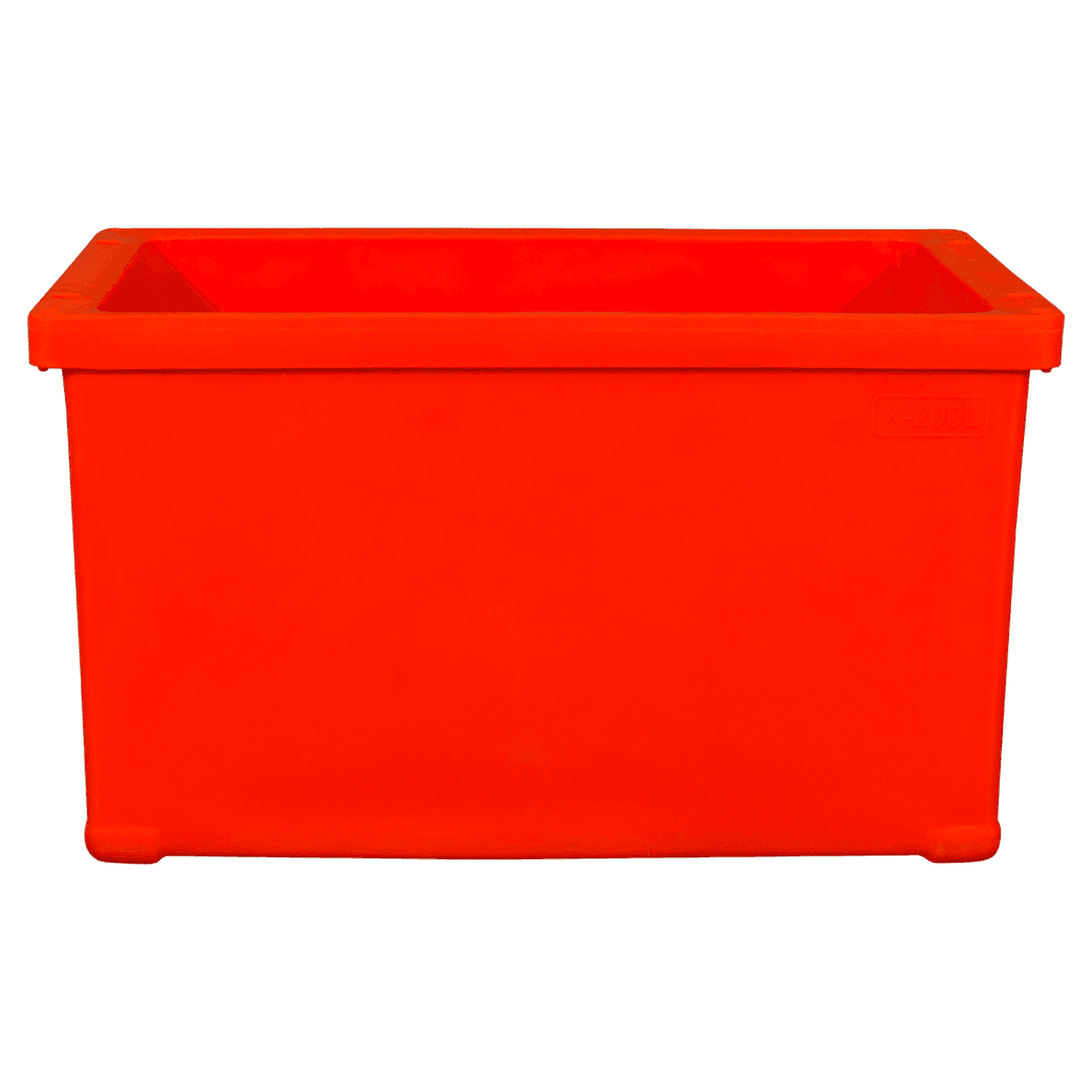
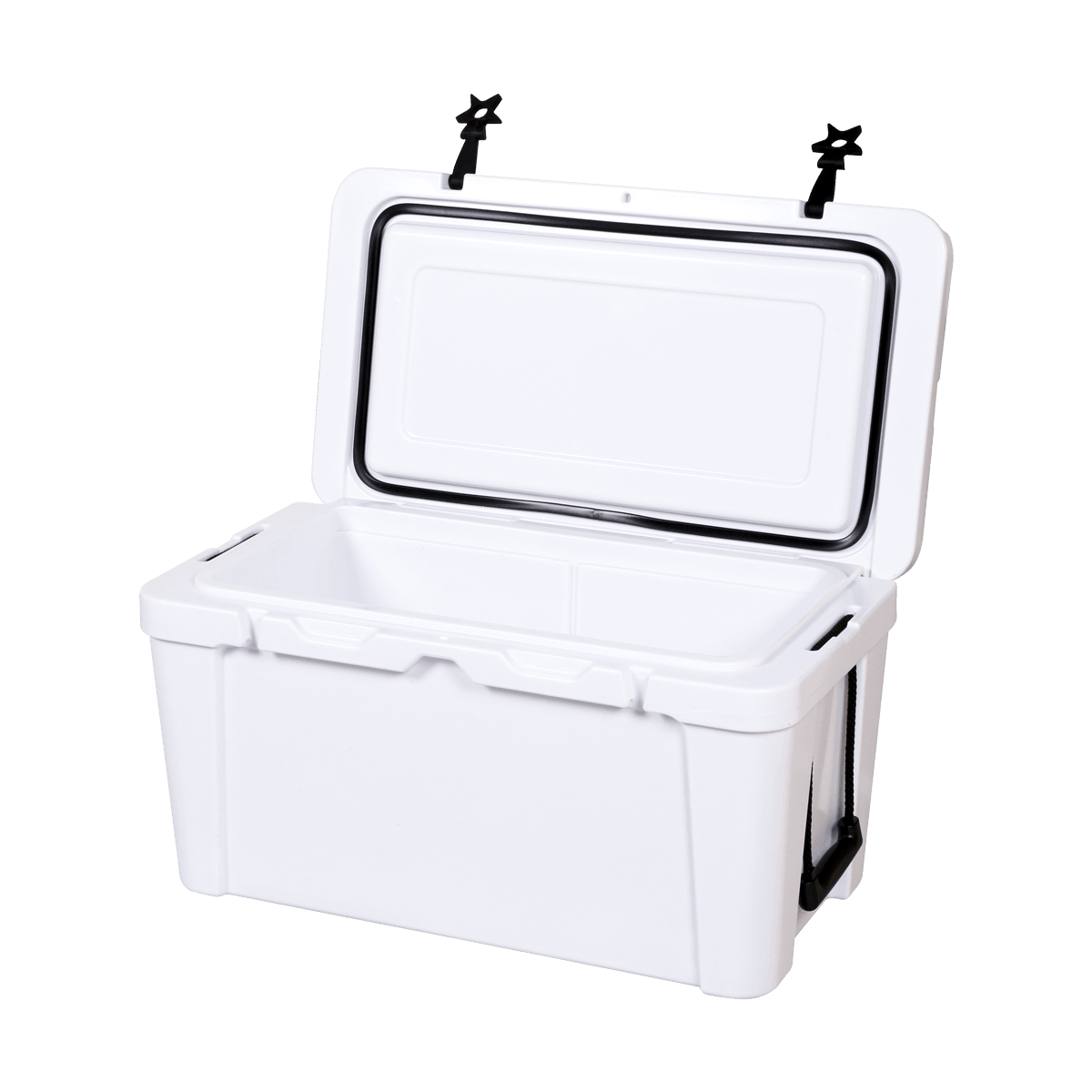
-4.png "X-120L Insulated Fish Bin Ice Cooler Box")
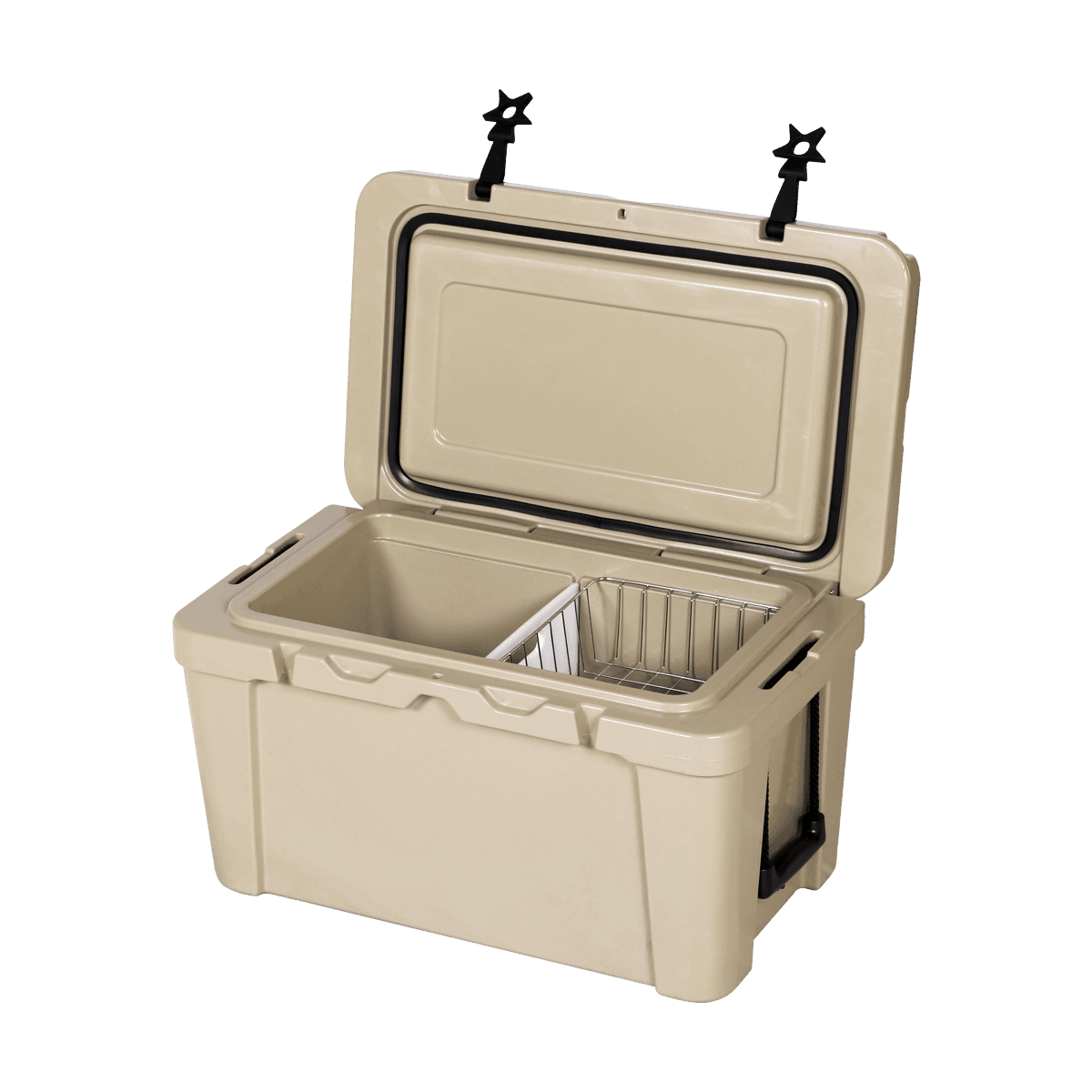
-4.png "X-70L Insulated Fishing Ice Cooler Box")
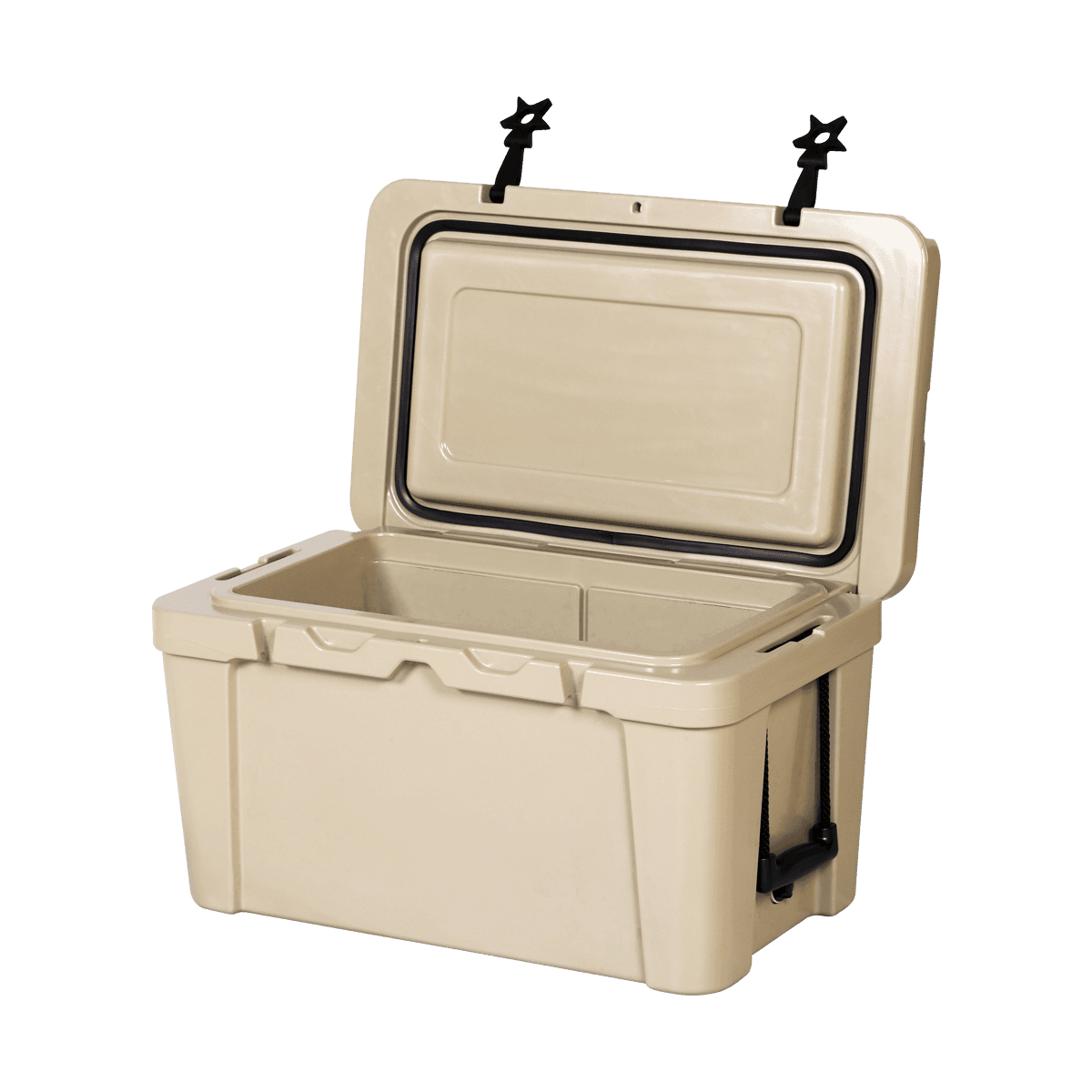
-2.png "X-68L Ice Cooler Box To Keep Food Cold And Fresh")
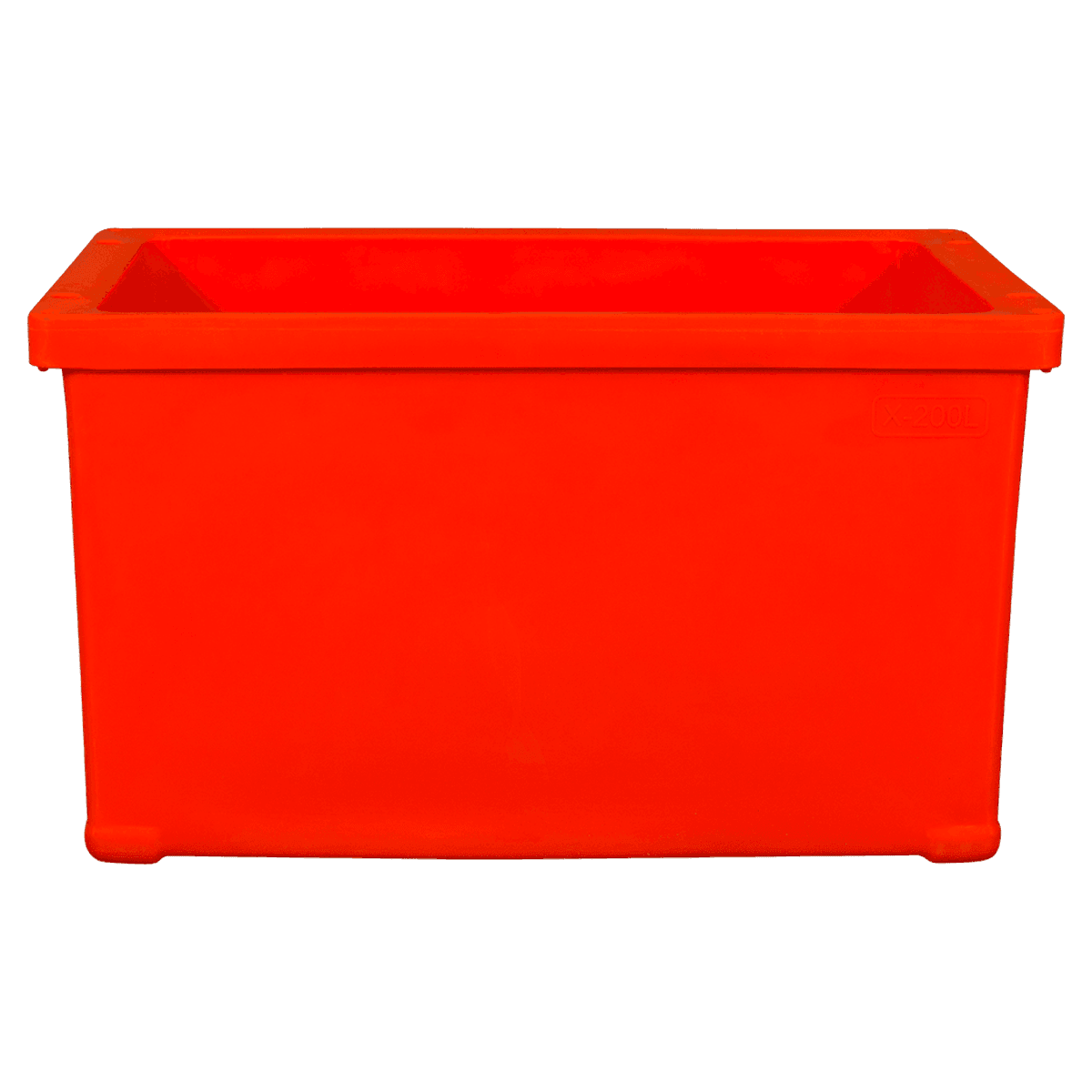
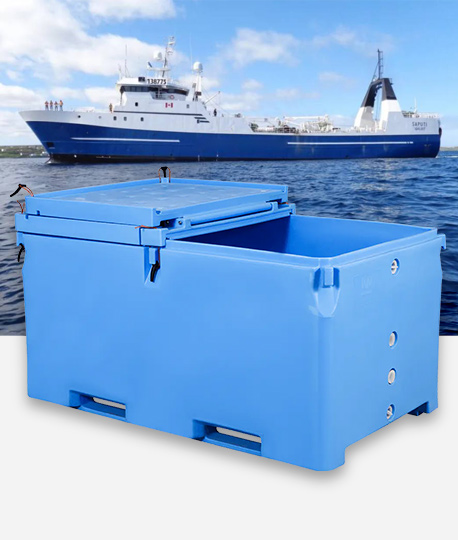
-2.png "X-120L Live Seafood Transportation Tanks")
-2.png "X-70L Live Seafood Transportation Tanks")