English
 Español
 عربى
عربى 中文简体
中文简体Content
Frozen fish that leaves your facility in good condition can still arrive thawed if the shipping box is wrong. Seafood processors, fish guides, and online sellers all face the same decision: choose a container that holds temperature for the entire journey, or risk lost product and unhappy customers. A frozen fish shipping box is not just a cooler; it is a temperature shield. This guide covers the key selection criteria, realistic hold times, coolant choices, and packing steps that make the difference.
What to Look for in a Frozen Fish Shipping Box
The first and most important decision is the container itself. A reliable frozen fish shipping box combines thick insulation, a rigid outer shell, a tight seal, and food-safe interior surfaces. Rotomolded double-wall construction with polyurethane foam filling is the industry standard for long-duration shipments because it eliminates the thin spots and air gaps found in cheaper molded foam boxes. The outer material should be a durable plastic such as linear low-density polyethylene (LLDPE), able to survive stacking and rough handling. Look for a lid that seats firmly; even a small gap lets warm air in and shortens ice retention.
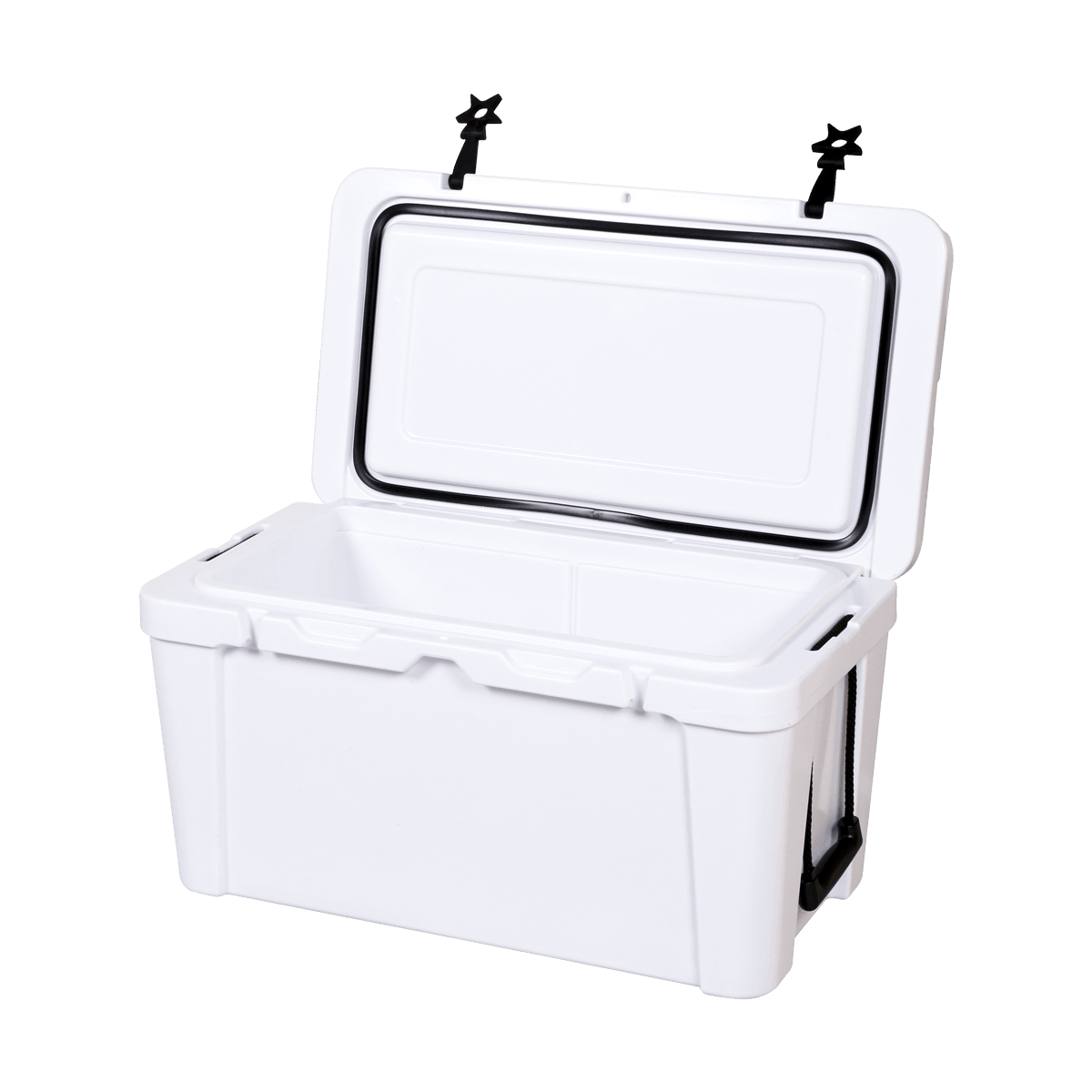
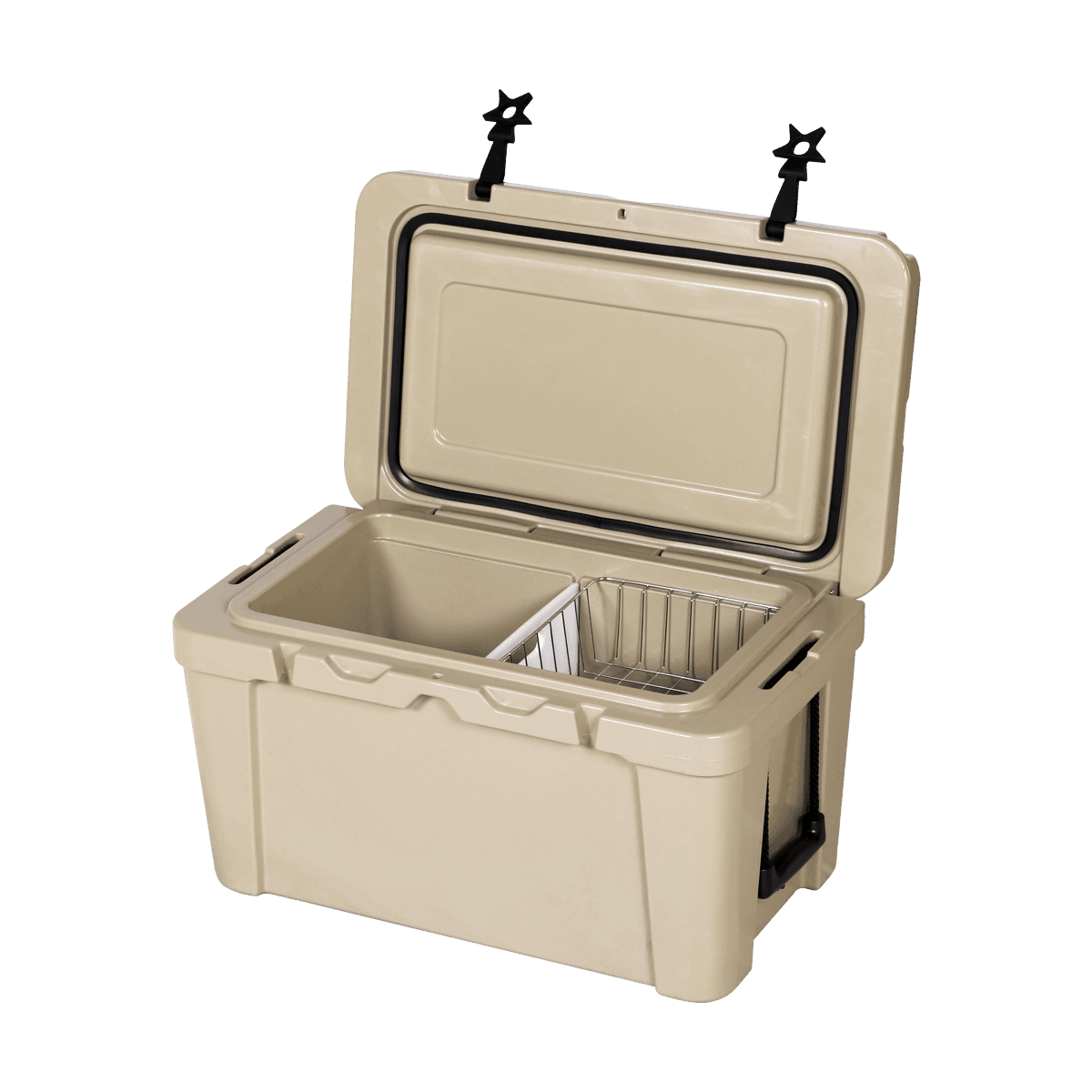
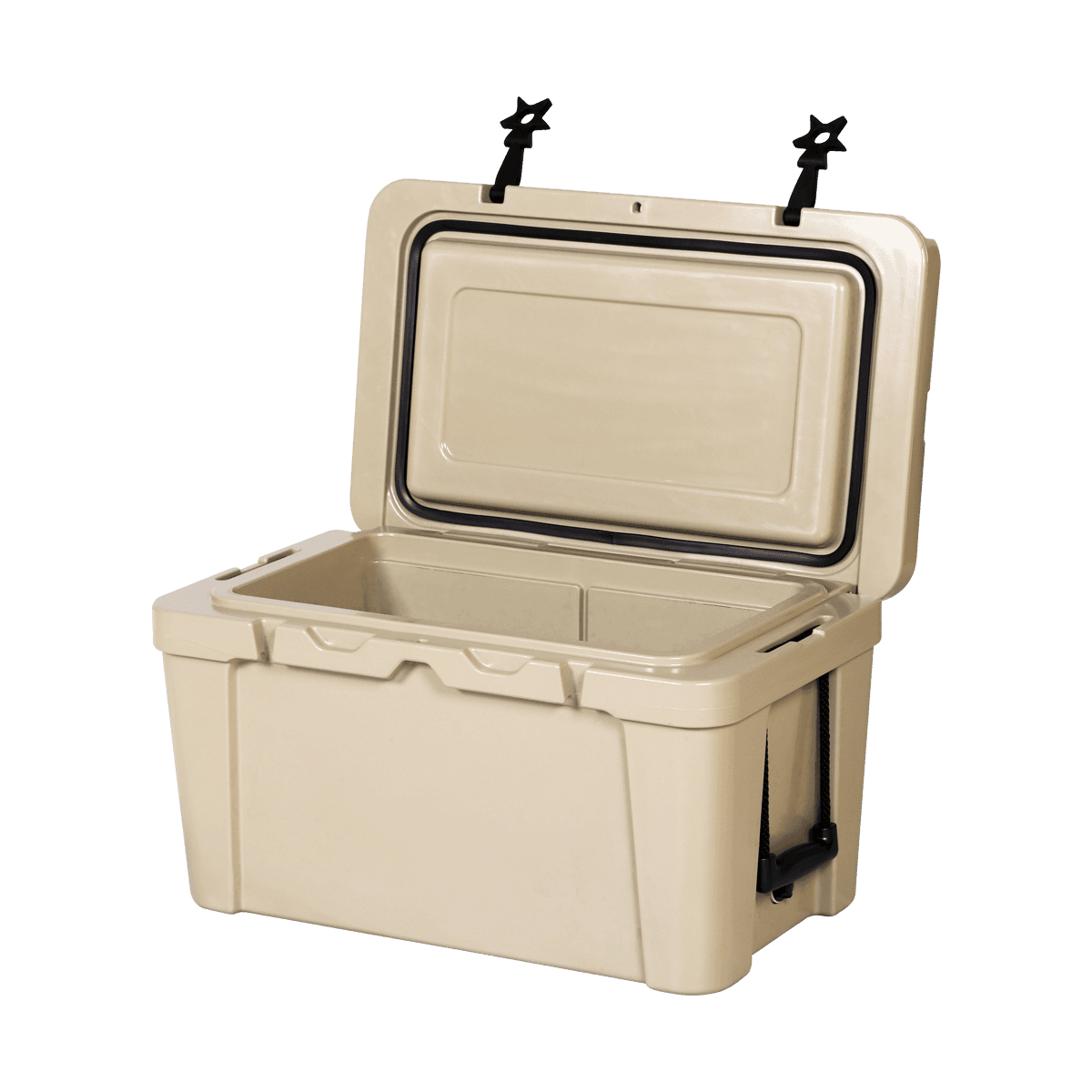
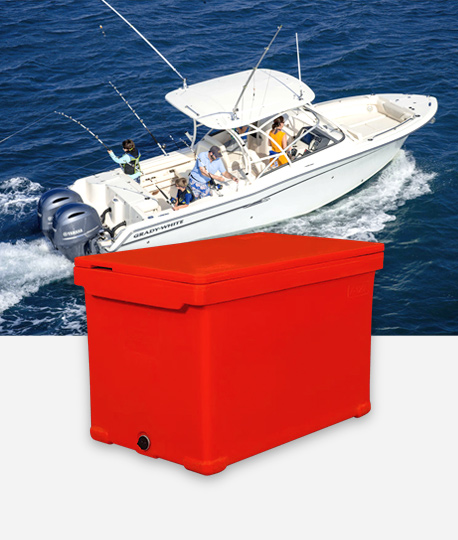
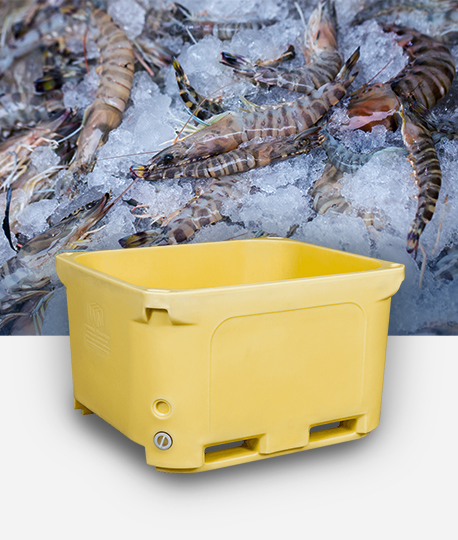
For commercial seafood operations, a heavy-duty rotomolded fish tub such as the AF380L insulated fish tubs is a practical choice because it is sized for handling whole fish or fillet boxes while still fitting on standard pallets. For smaller runs, an insulated ice cooler box can work, but a commercial tub gives you better thermal mass and is easier to sanitize between loads. You also want a box with no sharp internal corners, which are hard to clean and can damage packaging.
-1.png) China Custom Insulated Fish Tubs Suppliers, OEM/ODM FactoryAs China Custom Insulated Fish Tubs Suppliers and OEM/ODM Factory, Ningbo Wanma Plastics Co., Ltd offers wholesale Insulated Fish Tubs Se...View Product →
China Custom Insulated Fish Tubs Suppliers, OEM/ODM FactoryAs China Custom Insulated Fish Tubs Suppliers and OEM/ODM Factory, Ningbo Wanma Plastics Co., Ltd offers wholesale Insulated Fish Tubs Se...View Product →
Insulation thickness is not the only metric; the quality of the foam joint and the lid seal matters just as much. In a rotomolded container, the walls are formed as one piece, so there is no seam for air to leak through. This seamless construction is one of the reasons rotomolded fish tubs outperform assembled plastic boxes in demanding shipments.
How Long Can a Frozen Fish Shipping Box Keep Fish Frozen?
Shipping times vary, so you need a realistic estimate of how long your box can hold a safe temperature. Frozen fish should remain below roughly 0°F (-18°C) to protect quality, though slight warming during handling is common. A high-quality polyurethane-insulated rotomolded container with dry ice can maintain that range for 48 to 72 hours under normal conditions. With frozen gel packs, expect 12 to 24 hours depending on the outside temperature, box size, and how full the box is packed.
| Container and coolant | Approximate hold time | Best use |
|---|---|---|
| EPS foam box with gel packs | 6-12 hours | Overnight local shipments |
| Rotomolded polyurethane box with gel packs | 12-24 hours | Short regional courier routes |
| Rotomolded polyurethane box with dry ice | 48-72 hours | Cross-country or air freight |
| Insulated pallet container with dry ice | 48-96 hours | Large wholesale shipments |
These numbers depend on ambient temperature, how often the box is opened, and the amount of coolant used. A box that is too large for its load will have extra air space, which slows temperature stabilization. A box that is overfilled can reduce the space for coolant and cause uneven cooling. For this reason, do not automatically select the biggest box you can find; match the container volume to the actual shipment. In cold chain logistics, the hold time of a container is only one part of the equation.
A simple way to validate your box is to run a test with a data logger. Pack the box with dry ice or gel packs and the same weight of fish simulant, then check the temperature after 24 and 48 hours. This tells you the real hold time for your specific box, not just a generic estimate.
Dry Ice vs. Gel Packs: Which One Should You Use?
For most frozen fish shipments, dry ice is the better coolant. At -109°F (-79°C), it keeps the entire box below freezing far longer than gel packs. But dry ice creates pressure and must be handled correctly. Carriers require specific labels and limit the weight of dry ice per package. Gel packs are simpler and do not need special labeling, but they are less effective for long hauls. If you are shipping within the same state or with a guaranteed next-day route, pre-frozen gel packs can be enough; for anything longer, dry ice is usually the safer choice.
When using dry ice, never block the venting of the container. Wrap the dry ice in paper or cardboard to prevent direct contact with the fish, and follow the carrier's dry ice shipping instructions. If the shipment is being routed through multiple hubs, the extra handling time can push the temperature past the safe limit. In that case, the insulated containers for frozen goods designed for cold chain use are a stronger choice than a one-time corrugated box.
For dry ice, a common starting point is 5 to 10 pounds for a box under 2 cubic feet, and 15 to 25 pounds for a larger tub. The exact amount depends on the outside temperature and the duration of the trip. Too little dry ice will leave a warm spot in the center. Too much can make the box brittle and difficult to handle.
Sizing and Loading Tips for Frozen Fish Shipments
Choosing the right size starts with the weight and shape of the fish. A whole 50-pound salmon takes more space than 50 pounds of fillets, so measure the cargo in cubic feet, not just weight. A general rule is to allow 20 to 30 percent extra volume for coolant and void-fill. If the box is too large, the fish may move and the cold air gets trapped in empty pockets. If it is too small, you cannot place enough coolant and the fish may sit against the warm sidewall.
For larger loads, an insulated fish tote like the AF1000L insulated fish totes holds several hundred pounds of frozen product in one unit and reduces the need for multiple smaller boxes. It also gives you a single point of handling, which saves time and lowers the risk of accidental warming.
-1.png) China Custom Insulated Fish Totes Suppliers, OEM/ODM FactoryAs China Custom Insulated Fish Totes Suppliers and OEM/ODM Factory, Ningbo Wanma Plastics Co., Ltd offers wholesale Insulated Fish Totes ...View Product →
China Custom Insulated Fish Totes Suppliers, OEM/ODM FactoryAs China Custom Insulated Fish Totes Suppliers and OEM/ODM Factory, Ningbo Wanma Plastics Co., Ltd offers wholesale Insulated Fish Totes ...View Product →
Follow these packing steps to get the most from your box:
- Pre-freeze the fish to its coldest storage temperature before packing.
- Place a layer of coolant on the bottom of the box.
- Add a protective liner or food-grade film between the fish and the coolant.
- Pack fish tightly, leaving only the necessary spaces for coolant.
- Insert a temperature data logger if you need to verify the transit profile.
- Close the lid immediately and tape the corners or latch the lid if required.
Carrier and Compliance Considerations
Even the best box will not help if you ignore the rules. Each carrier has its own policy on dry ice, frozen seafood, and express shipping. Some require a special dry ice label with the weight written clearly. Others ban dry ice on passenger aircraft. Check the carrier's website before you book. Also, many countries and states require that imported or exported seafood be accompanied by temperature documentation. Your shipping box should be able to accommodate a temperature recorder if the buyer asks for it.
Do not forget that the box is only part of the system. The fish itself should be individually wrapped or vacuum-sealed to prevent moisture loss and odor transfer. If you ship whole fish, gut them first and pack them in food-grade plastic bags. This reduces the load on the coolant and keeps the interior cleaner.
When you are shipping large volumes on pallets, a single insulated pallet container gives you the thermal capacity to meet strict cold chain requirements. It is easier to load, unload, and monitor than a collection of small boxes, and it reduces the number of package-level inspections at the carrier terminal.
-1-2.png) Custom AF-1000L Solid Insulated Pallet Container Workshop And Warehouse Use ColdNingbo Wanma Plastics Co., Ltd is China custom AF-1000L Solid Insulated Pallet Container Workshop And Warehouse Use Cold-chain Containers...View Product →
Custom AF-1000L Solid Insulated Pallet Container Workshop And Warehouse Use ColdNingbo Wanma Plastics Co., Ltd is China custom AF-1000L Solid Insulated Pallet Container Workshop And Warehouse Use Cold-chain Containers...View Product →Frozen fish shipping boxes are not a place to cut corners. The right container, the correct coolant, and a disciplined packing routine will keep your product safe through most shipping scenarios. Start by matching the box to the transit time and volume, then test with a temperature logger. When you do that, you can ship frozen fish anywhere with confidence.
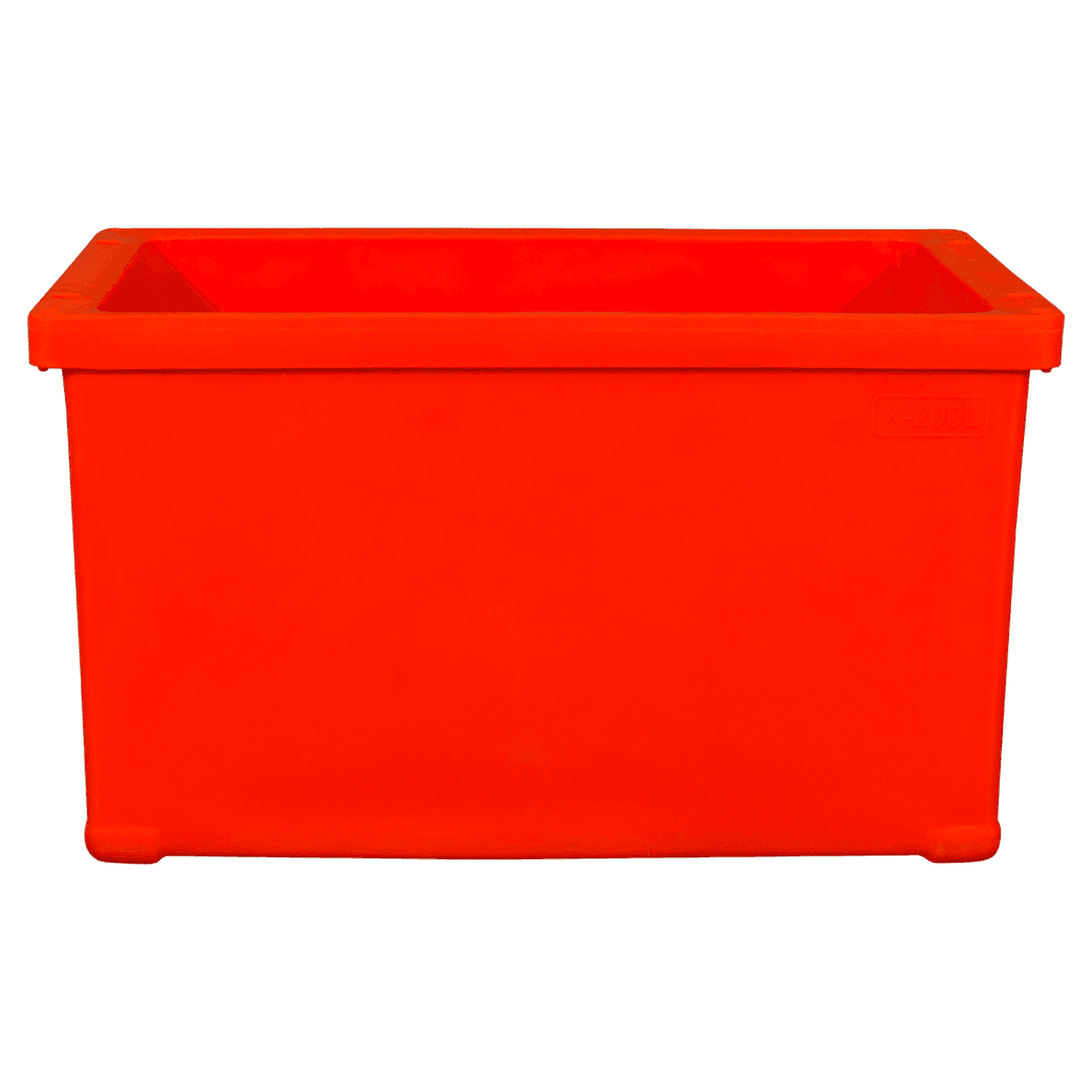
-4.png "X-120L Insulated Fish Bin Ice Cooler Box")
-4.png "X-70L Insulated Fishing Ice Cooler Box")
-2.png "X-68L Ice Cooler Box To Keep Food Cold And Fresh")
-2.png "X-120L Live Seafood Transportation Tanks")
-2.png "X-70L Live Seafood Transportation Tanks")