English
 Español
 عربى
عربى 中文简体
中文简体Content
A seafood processor newly adding dry ice to its packing line usually buys the first large insulated bin that fits a pallet, then learns two weeks later that a poorly filled foam core turns the shipment upside down: product arrives soft, dry ice disappears hours early, and the container itself shows stress cracks. The conclusion is simple: a dry ice box is a temperature battery, and its construction decides how long the charge lasts. For industrial catch handling, cold-chain logistics, and serious outdoor use, the right rotomolded insulated container outperforms flimsy alternatives precisely because insulation density, sealing, and venting are built in rather than improvised.
What Sets a Dry Ice Box Apart
Dry ice sublimates at about -78.5 °C (-109 °F), which means the temperature difference between the ice and a warm warehouse is much larger than the difference you get with regular ice or gel packs. Heat flows into the box faster, so a cooler that works fine for beverages can fail completely when asked to hold dry ice. A proper dry ice box minimizes that heat flow through three mechanisms: a thick insulating core, a seamless wall so nothing can shift or settle, and a lid design that keeps warm air out while letting carbon dioxide escape.
Every kilogram of dry ice expands into roughly 0.8 cubic meters of carbon dioxide gas at atmospheric pressure. If that gas has nowhere to go, pressure builds until the lid pops or the structure fails. This is why a dry ice box is never sealed airtight. Whether you use a latched lid without a gasket or a designated vent, the gas path must remain open in normal use.
Why Double-Wall Rotomolding Matters
The most reliable dry ice containers on the market today are rotomolded, not blow-molded or welded. Rotomolding creates a double-wall structure as one seamless piece: the inner liner, the outer shell, and the cavity between them are all formed in the same process. There are no welded corners and no seams where polyurethane foam can leak out or where a thermal short circuit can develop.
Manufacturers such as Ningbo Wanma Plastics fill that cavity with polyurethane foam, which gives the container its real insulating power. A dense, fully filled foam layer is what separates a product that holds ice for days from one that loses it in hours. The outer material in most Wanma production lines is linear low-density polyethylene (LLDPE), a food-contact-safe plastic that handles sub-zero temperatures without becoming brittle and absorbs impact well when stacked or dropped on hard surfaces.
For commercial buyers the operational difference is visible in daily use. A seamless double-wall body does not flex under load, keeps moisture out of the foam, and can be cleaned aggressively without compromising the shell. These are the qualities that turn a dry ice box from a single-use shipping aid into a multi-year asset.
Venting Safety Rules That Protect People and Cargo
Shipping regulations for dry ice center on one physical fact: solid carbon dioxide becomes gas, and the gas must escape. If you pack dry ice in any container, including a rigid insulated box, never seal it airtight. The vapor needs a path out; otherwise the container can rupture. When a dry ice box travels as freight, the outer package is also marked as UN 1845 with a Class 9 hazard label, so handlers know that carbon dioxide is present.
Follow these basic rules on every dry ice job:
- Leave the box unsealed or open the vent during storage and transport. Do not tighten a rubber-gasket lid with locking levers as you would for a normal cooler.
- Place dry ice on a layer of cardboard or a spacer when it will sit against the floor for long hours. This spreads the cold and reduces thermal stress on the plastic surface.
- Handle dry ice with insulated gloves. Direct contact with bare skin causes frostbite almost immediately.
- Keep the box in a ventilated space. Carbon dioxide is heavier than air and can pool in a closed van, walk-in, or cabin; continuous airflow prevents an oxygen-deficient atmosphere.
None of this is complicated, but the consequences of ignoring venting are severe enough that operators should make the rules part of standard training before the first shipment leaves the dock.
How to Compare Dry Ice Boxes
When evaluating products, check the specification sheet rather than the marketing language. The table below summarizes the factors that separate a dependable dry ice box from a disposable one.
| Factor | What to verify | Why it matters |
|---|---|---|
| Insulation core | Polyurethane foam, fully filled cavity | Determines ice retention over hours and days |
| Wall construction | Seamless double-wall rotomolding | Eliminates weak points and foam leaks |
| Material | Food-grade LLDPE | Safe for food contact and resists cold cracking |
| Capacity | From about 25 L portable units to 1700 L bulk containers | Match the volume of catch, product, or medical load |
| Venting and lid | Non-airtight lid or clear vent opening | Prevents dangerous pressure build-up |
| Handling features | Lids, casters, stackable profiles | Improves workflow in workshops and on boats |
Price per liter is a tempting shortcut, but the real metric is cost per successful delivery. A cheap box with a weak foam core costs more in lost product, replacement dry ice, and wasted labor than a mid-tier unit bought once and used for years.
Matching the Box to the Job
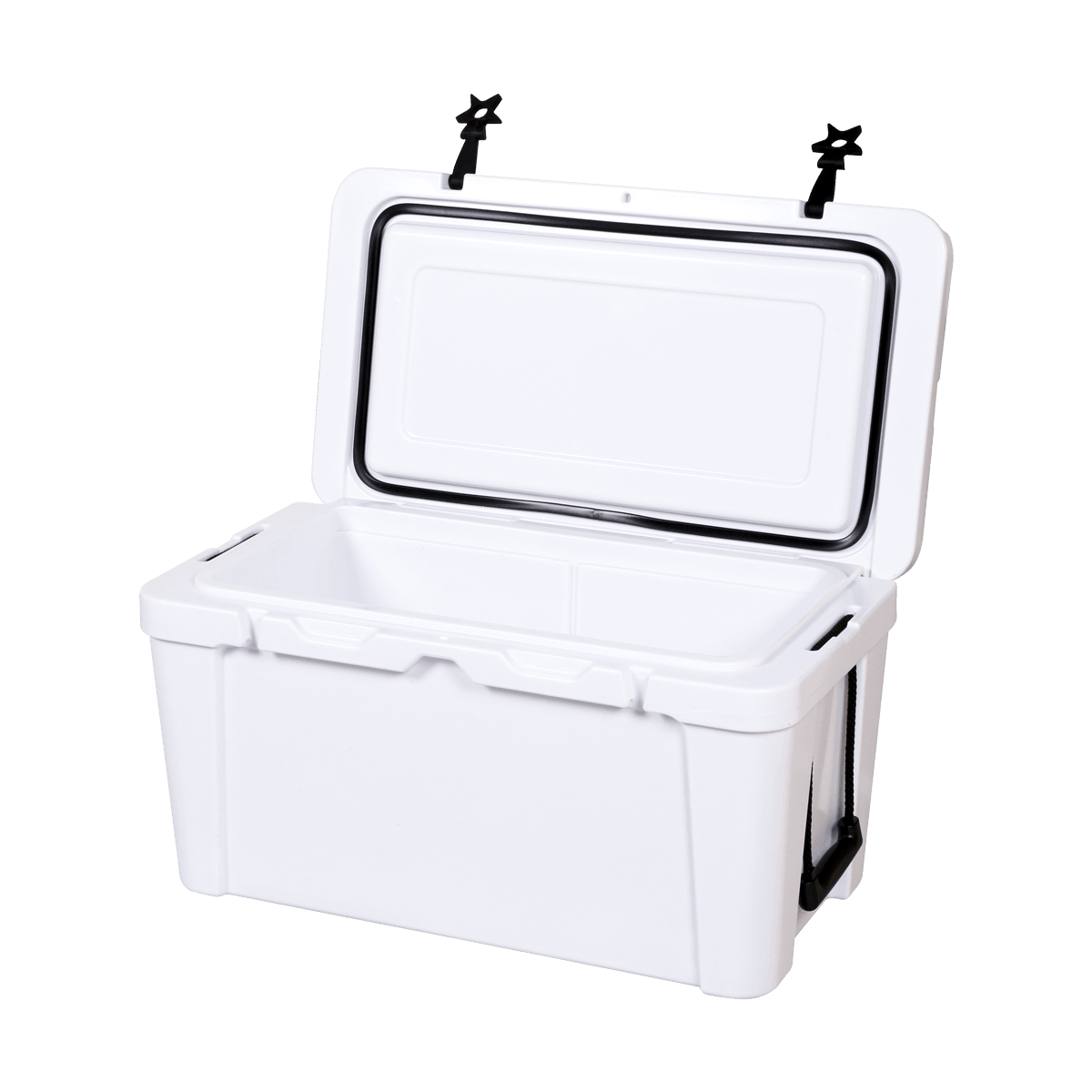
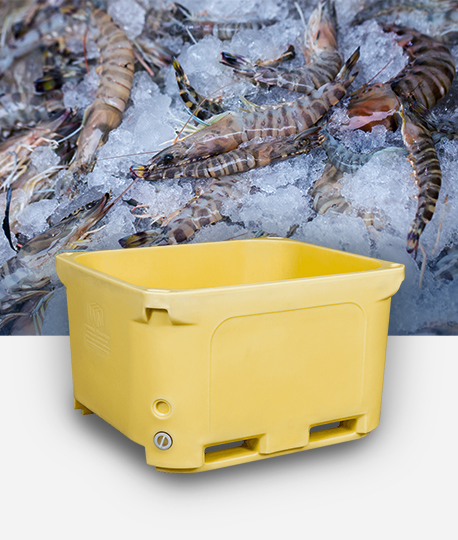
Different operations need different dry ice boxes, and the good news is that the same rotomolded platform extends from portable coolers to full pallet-scale containers. For a seafood processing line that packs chilled and frozen catch with dry ice, a medium-capacity insulated bin such as the 120L insulated fish bin ice cooler box offers enough space for a batch of boxes while remaining manageable for two workers.
-2.png) Custom X-120L Insulated Fish Bin Ice Cooler Box Suppliers, OEM/ODM Factory - NinNingbo Wanma Plastics Co., Ltd is China custom X-120L Insulated Fish Bin Ice Cooler Box suppliers and OEM/ODM factory, Wanma 68L-70L-120L...View Product →
Custom X-120L Insulated Fish Bin Ice Cooler Box Suppliers, OEM/ODM Factory - NinNingbo Wanma Plastics Co., Ltd is China custom X-120L Insulated Fish Bin Ice Cooler Box suppliers and OEM/ODM factory, Wanma 68L-70L-120L...View Product →
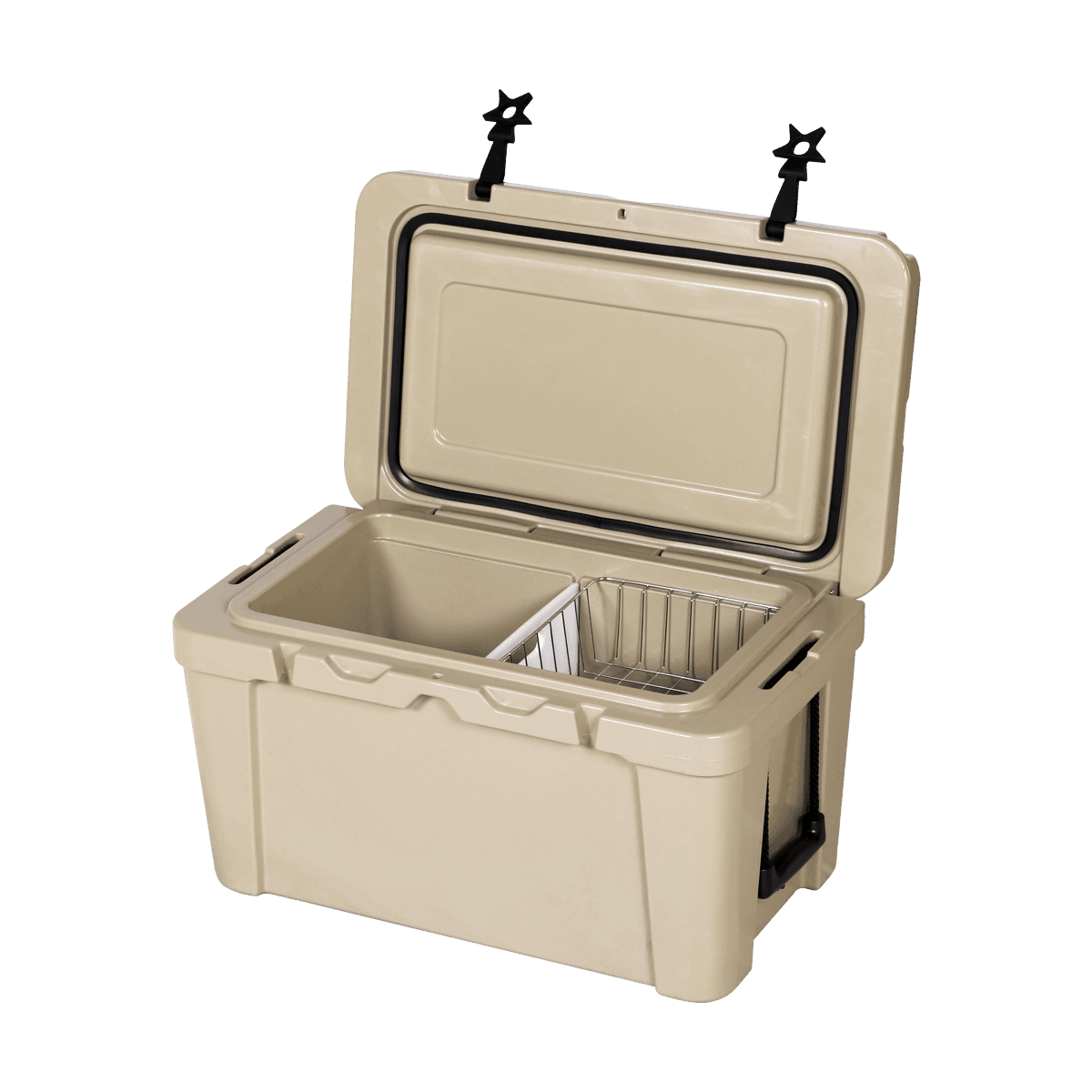
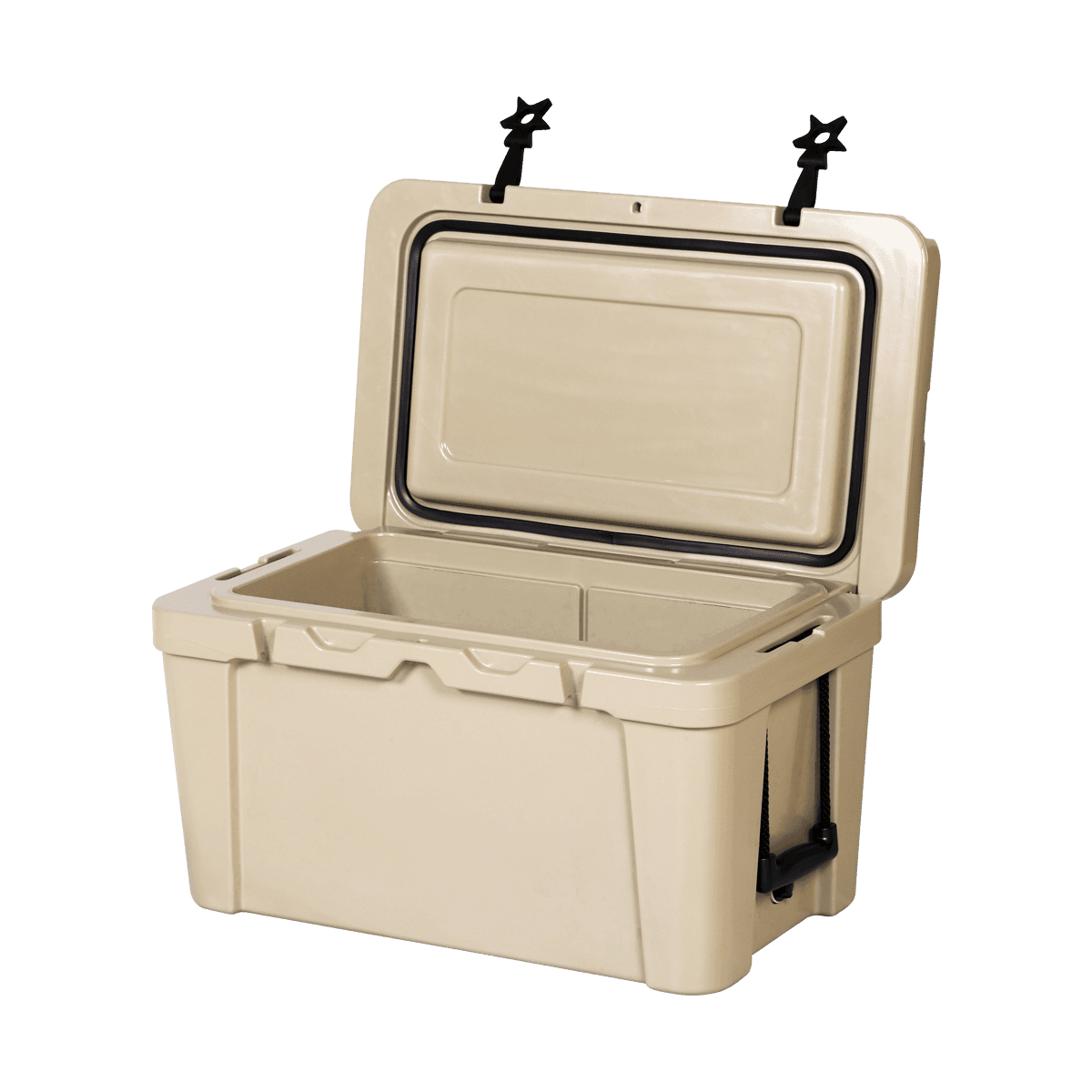
Fishing crews working from small boats and docks value a more compact but rugged unit; the 70L insulated fishing ice cooler box is designed for exactly that salt-air environment. And when the job is overland, whether it is game meat in a truck bed or chilled provisions for a hunting camp, the 65L outdoor leisure insulated cooler box delivers the same rotational molding and foam core in a portable format. Buyers who need a fuller overview of the product family can review the complete range of insulated ice cooler boxes to compare capacities and accessories before committing to a batch order.
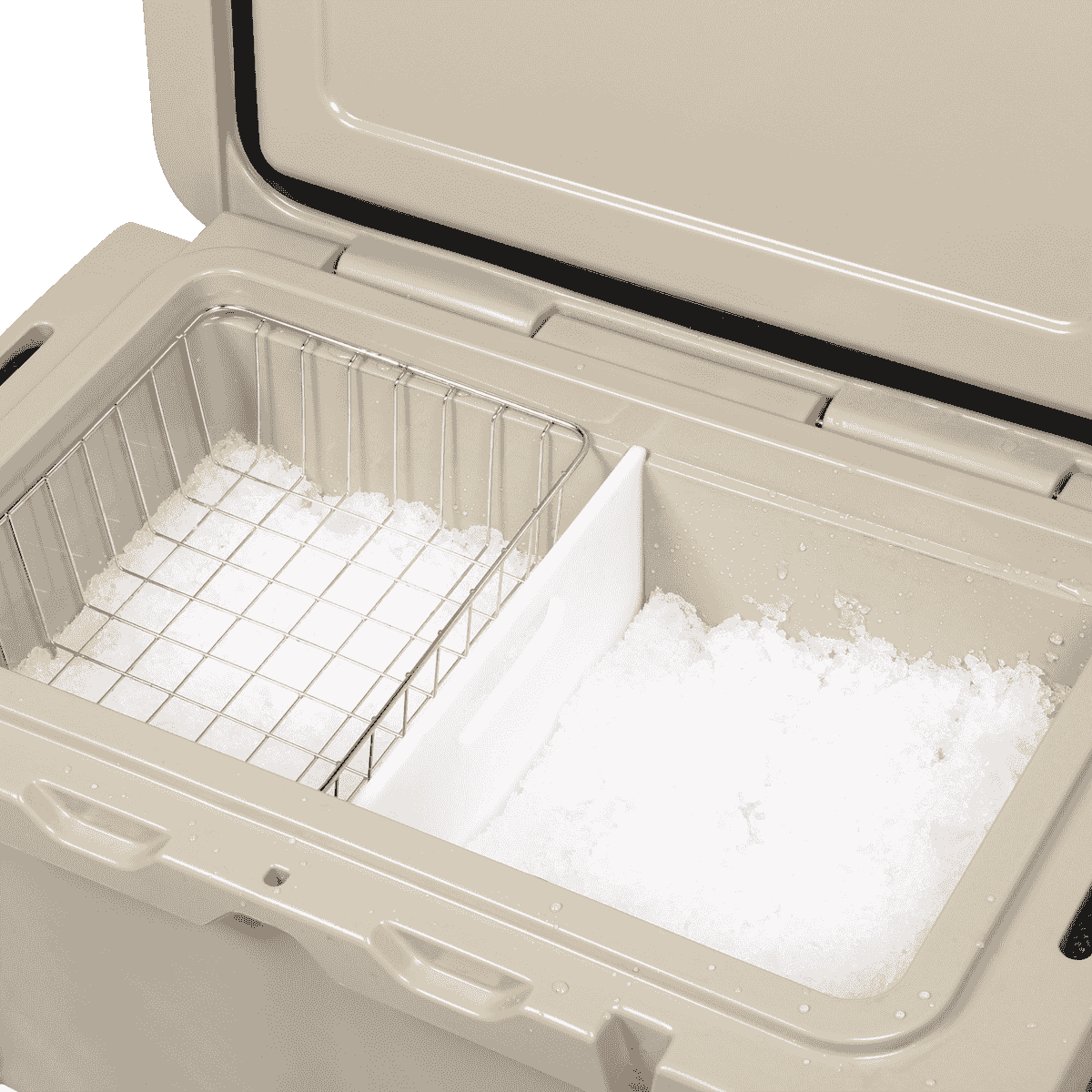 Custom K-65L Outdoor Leisure Use Insulated Cooler Ice Box Suppliers, OEM/ODM FNingbo Wanma Plastics Co., Ltd is China custom K-65L Outdoor Leisure Use Insulated Cooler Ice Box suppliers and OEM/ODM factory, Suitab...View Product →
-2.png) Custom X-70L Insulated Fishing Ice Cooler Box Suppliers, OEM/ODM Factory - NingbNingbo Wanma Plastics Co., Ltd is China custom X-70L Insulated Fishing Ice Cooler Box suppliers and OEM/ODM factory, Wanma 68L-70L-120L-2...View Product →
Custom X-70L Insulated Fishing Ice Cooler Box Suppliers, OEM/ODM Factory - NingbNingbo Wanma Plastics Co., Ltd is China custom X-70L Insulated Fishing Ice Cooler Box suppliers and OEM/ODM factory, Wanma 68L-70L-120L-2...View Product →Care and Realistic Lifespan
Dry ice boxes do not need much maintenance if they are chosen correctly. After each shift, tip out the dry ice residue and water, wash the interior with mild detergent, and give the box time to dry with the lid open. Harsh solvents and pressure washers at close range can damage the surface over time, so keep cleaning gentle.
It is also worth restating the venting rule in the care context: store the box with the lid unlatched. A completely closed lid in a warm room is not a safety risk in the same way as a sealed shipment, but leaving it open avoids trapped moisture and lets residual gas dissipate. Operators who follow the guidance on how to maximize ice retention in a cooler usually see the box reach ten or more years of service, because the double-wall shell stays intact and the foam stays dry.
A dry ice box is only as good as the combination of insulation, venting, and durability built into it. The most expensive unit is not automatically the best, and the cheapest one will almost always cost more in wasted dry ice and spoiled goods. For businesses that handle frozen and temperature-sensitive product, a rotomolded, polyurethane-filled box with a clear venting strategy is the safe and predictable choice, and the right size can be matched precisely to the task.

-4.png "X-120L Insulated Fish Bin Ice Cooler Box")
-4.png "X-70L Insulated Fishing Ice Cooler Box")
-2.png "X-68L Ice Cooler Box To Keep Food Cold And Fresh")

-2.png "X-120L Live Seafood Transportation Tanks")
-2.png "X-70L Live Seafood Transportation Tanks")