English
 Español
 عربى
عربى 中文简体
中文简体Content
A food processor in Ningbo is preparing to ship 800 kg of frozen shrimp to a distributor 400 km away. The truck runs for six hours and the cold room holds the product at -18°C. The only barrier between that frozen cargo and the outside world is the container on the truck. A temperature rise of just 3°C during transit can change the texture of the shrimp and shorten its shelf life by weeks.
The conclusion is straightforward: containers for shipping frozen food must maintain a stable, food-safe temperature for the duration of transit while remaining durable enough for repeated use. That requires a seamless double-wall rotomolded shell, a dense polyurethane foam core, and a lid that seals properly. The sections below explain the specifications that matter, the product types available, and the purchasing considerations for commercial buyers.
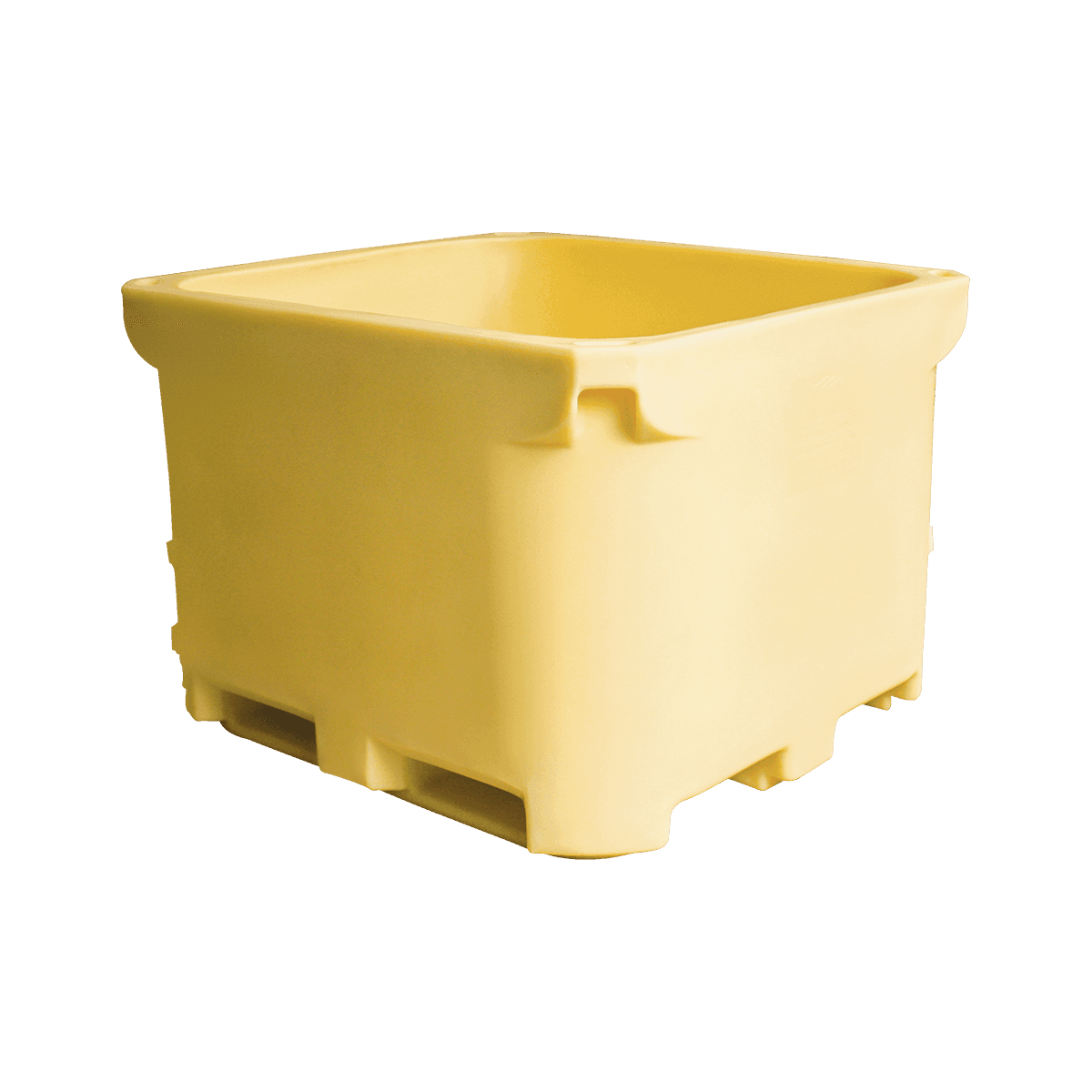 FDA-Certified 780L Insulated Container for Cold Chain Food StorageThis 780-liter insulated container meets FDA food-contact standards, ideal for large-scale cold chain logistics and warehouse storage. Its durable rotomolded shell and sealed lid help maintain stable temperatures for extended periods.View Product →
Why insulation structure is the first thing to evaluate
When shipments lose temperature and others hold steady, the difference often comes down to thermal bridging. A single-wall container transfers heat directly through the plastic. A double-wall rotomolded container with an injected polyurethane foam layer creates a continuous insulation barrier that slows heat flow. The thicker and more uniform that foam layer is, the longer the frozen food stays within its allowed temperature window.
The outer material matters too. Linear low-density polyethylene (LLDPE) provides good impact resistance at low temperatures, so the container does not become brittle when used at -20°C or below. This is one reason why rotomolded LLDPE containers are a standard choice for frozen seafood, meat, and poultry.
When you compare supplier claims, focus on three measurable values: foam density, wall thickness, and lid seal geometry. A foam density of roughly 40-60 kg/m³ offers a practical balance between insulation efficiency and structural strength. Wall thickness in the 20-40 mm range is typical for commercial frozen food containers. A recessed lid that locks into a gasketed rim prevents air movement and improves holdover time.
Look for a supplier who can document these values across their range of insulated containers for frozen goods. If the supplier cannot provide a real measured specification, that is a procurement risk before a single order is placed.
Specifications to compare before you order
The following table summarizes the key factors to evaluate when comparing containers for shipping frozen food.
| Specification | Why it matters | Typical range |
|---|---|---|
| Capacity | Determines batch size and truck utilization | 68 L to 1700 L |
| Foam density | Correlates directly with insulation efficiency | 40-60 kg/m³ |
| Wall thickness | Affects thermal resistance and structural rigidity | 20-40 mm |
| Lid seal | Prevents convective heat loss through gaps | Recessed plus gasket |
| Stackability | Improves freezer space and transport density | Nesting or stacking |
| Casters | Eases handling in workshops and production lines | Optional swivel casters |
Capacity planning is the starting point for most buyers. A 68 L container suits small distribution runs or last-mile delivery. A 1000 L or larger unit works for bulk processing and long-haul transit. The right capacity is not the largest one available; it is the one that matches your load pattern and the space in your vehicle.
Tolerances matter as much as nominal values. If a supplier claims a wall thickness of 30 mm but the actual variation is ±5 mm, the insulation performance in the thinner zones will be noticeably lower. Ask for the range, not just the average.
Container types for different frozen goods
Frozen food covers more than one product family, and each one has its own handling realities.
Seafood
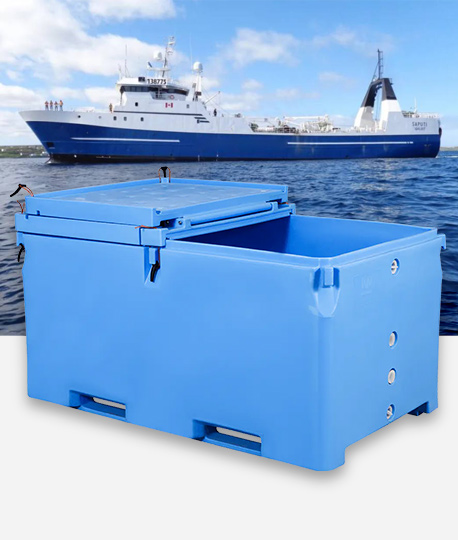
Frozen shrimp, fish fillets, and squid have sharp edges. They need containers that resist punctures and survive frequent washing. Insulated fish totes and fish tubs with rounded interior corners simplify cleaning and reduce bacterial buildup. Capacities from 300 L to 1000 L are common in seafood processing plants. A 1000 L insulated fish tote can hold roughly 500-600 kg of frozen seafood, depending on product density.
-1.png) 1000L Insulated Fish Tote for Seafood Processing and TransportA 1000-liter insulated tote with food-grade LLDPE and PU core, designed for heavy seafood loads. Its smooth interior and high insulation factor make it suitable for processing and transit, ensuring hygienic handling.View Product →
1000L Insulated Fish Tote for Seafood Processing and TransportA 1000-liter insulated tote with food-grade LLDPE and PU core, designed for heavy seafood loads. Its smooth interior and high insulation factor make it suitable for processing and transit, ensuring hygienic handling.View Product →
Meat and poultry
Meat and poultry processors need containers that handle heavy loads, resist fat and protein residues, and work with mechanical handling. Stackable food bins and buggies with casters are standard on these production lines. A 1000 L plastic insulated bin holds approximately 450-550 kg of boxed frozen product. The interior should be smooth and non-porous so cleaning chemicals can reach every surface.
-1-1.png) 1000L Insulated Pallet Bin for Frozen Meat and Poultry HandlingThis 1000-liter insulated bin features a double-wall rotomolded body with a PUR core, providing high insulation for meat and poultry. It is forklift and pallet jack accessible, facilitating efficient movement in production and distribution.View Product →
1000L Insulated Pallet Bin for Frozen Meat and Poultry HandlingThis 1000-liter insulated bin features a double-wall rotomolded body with a PUR core, providing high insulation for meat and poultry. It is forklift and pallet jack accessible, facilitating efficient movement in production and distribution.View Product →
Cold chain logistics and warehouse transfer
When frozen food moves between warehouses, distribution centers, and transport vehicles, the container must integrate with pallets and lift trucks. Insulated pallet containers are designed for this. They combine a four-way entry base with insulated walls, so a single unit can be moved through the whole chain. A 1000 L insulated pallet container can be lifted by forklift from any side and stacks with matching units to optimize trailer space.
In many cold chain networks, these units replace the combination of reusable plastic crates and disposable liners. That is one reason why cold-chain logistics containers are now a standard investment for frozen food distributors.
Operating practices that extend frozen shelf life
The container is one part of the system. The way it is used completes the picture. For frozen food shipments, these practices help preserve product quality:
- Pre-cool the container before loading. If the box sits in a warm room for an hour, the insulation is working against you from the start.
- Use the correct amount of coolant. Gel packs and dry ice have different thermal capacities. For frozen food, dry ice is often preferred because it sublimates without leaving moisture.
- Leave no more than 10-20% headspace. Excess air increases the volume that must be cooled and removes the mass that helps hold temperature.
- Stack containers tightly. Gaps between units allow air to circulate, reducing thermal efficiency. A tight stack in the trailer performs better.
- Clean and inspect after each cycle. Frozen juices, fat, and debris can degrade the gasket. A container with a compromised seal will not hold temperature reliably.
Temperature monitoring is another layer of protection. A simple data logger placed inside one container per shipment provides evidence of the temperature profile if a dispute arises. For frozen food, this is often required by food safety audits.
These practices do not replace good insulation; they make the most of it. A container that is used poorly will underperform, and a basic container that is handled well can still meet the minimum requirement.
Procurement considerations for B2B buyers
For buyers sourcing containers at scale, the decision includes more than technical specifications. The capability of the manufacturer affects consistency, lead time, and total cost of ownership. When evaluating a supplier, ask about the following.
- Production capacity: Can the factory deliver within your seasonal peak? A manufacturer with over 10,000 m² of production area and more than 50 product models is a stronger partner for repeat orders.
- Quality control: Does the supplier check foam density, wall thickness, and lid fit before shipping? Ask for batch test reports that document these values.
- Food-contact compliance: Food safety standards are not optional. Some products, such as the CF780L insulated food container, are designed with food-contact compliance in mind.
- OEM and ODM support: If you need a specific capacity, color, or branding, a supplier with in-house design and tooling can build a custom unit without involving a third party.
- Export experience: Products sold in 40+ countries usually indicate a supplier has handled different climate conditions, shipping regulations, and documentation requirements.
Finally, ask for a sample test before a full order. Load it with frozen product, record the temperature at intervals, and compare that curve with your cold chain requirement. That single test returns more information than any specification sheet.
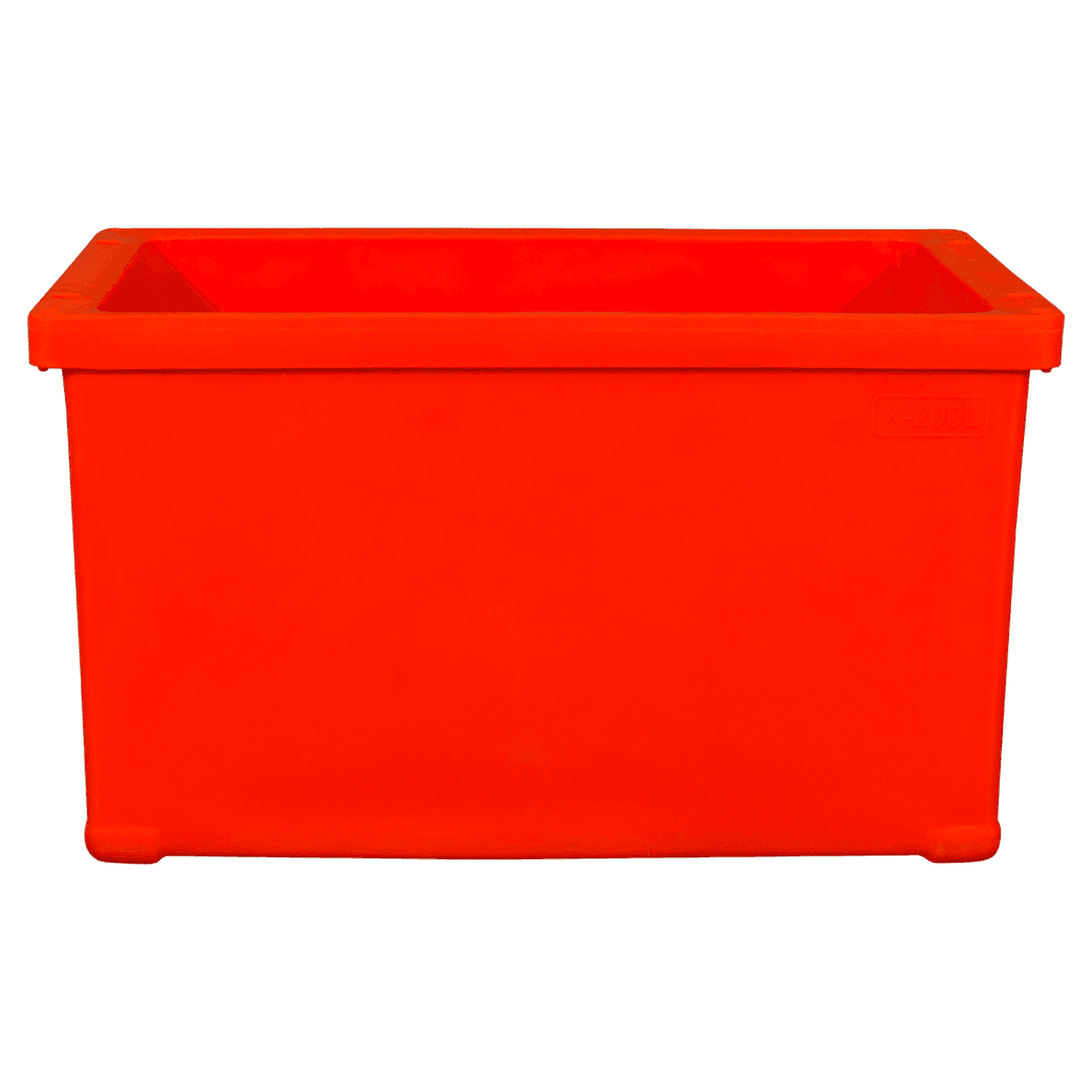
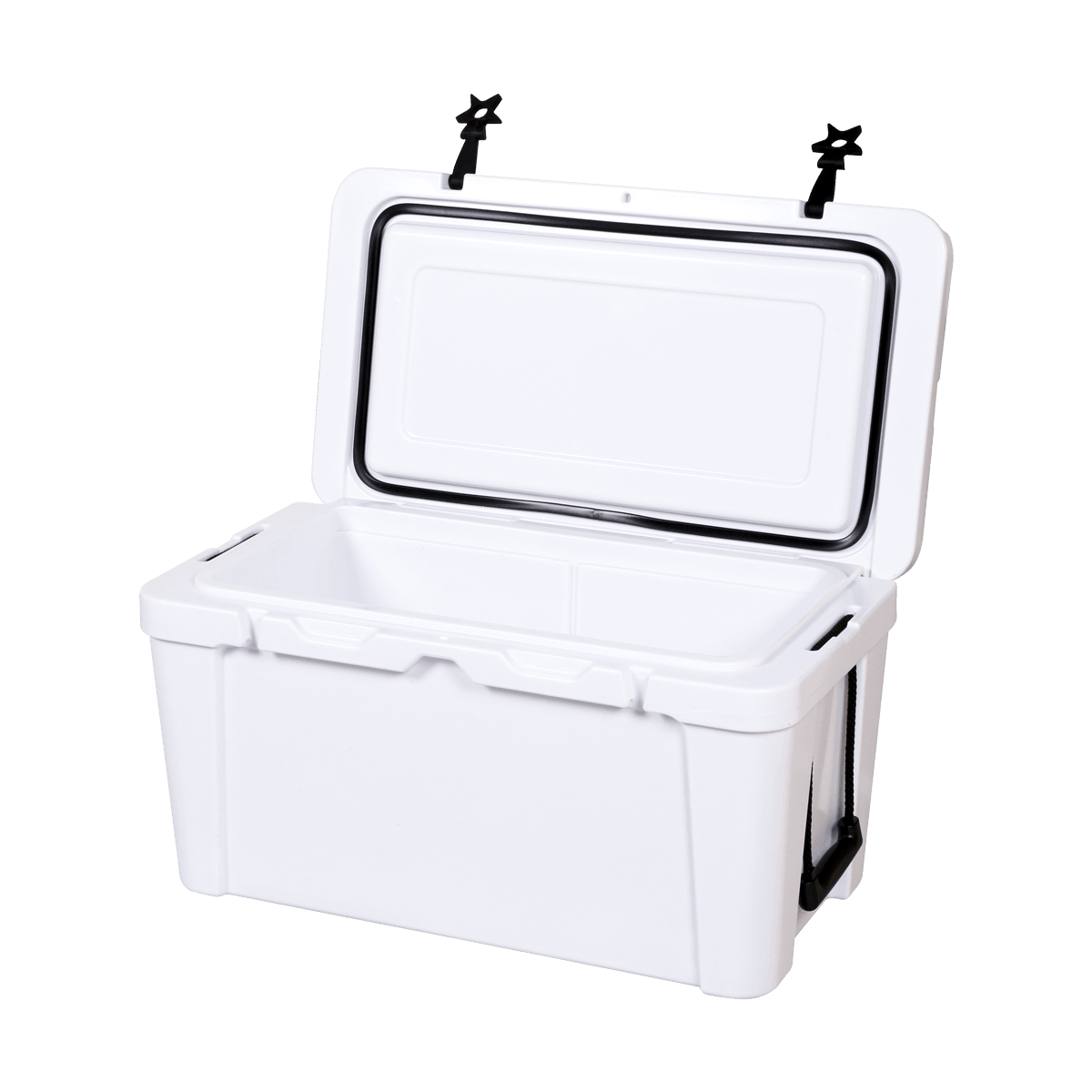
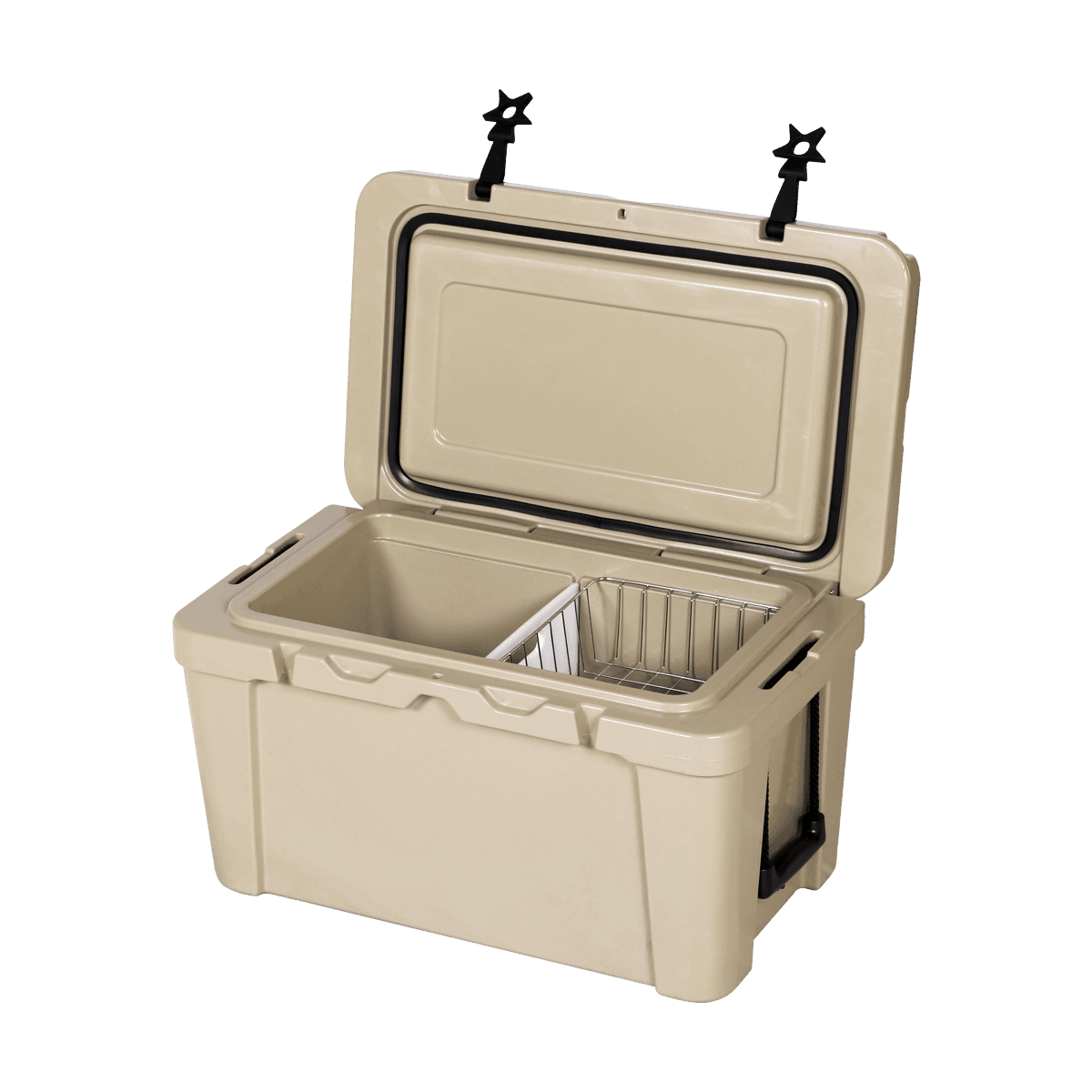
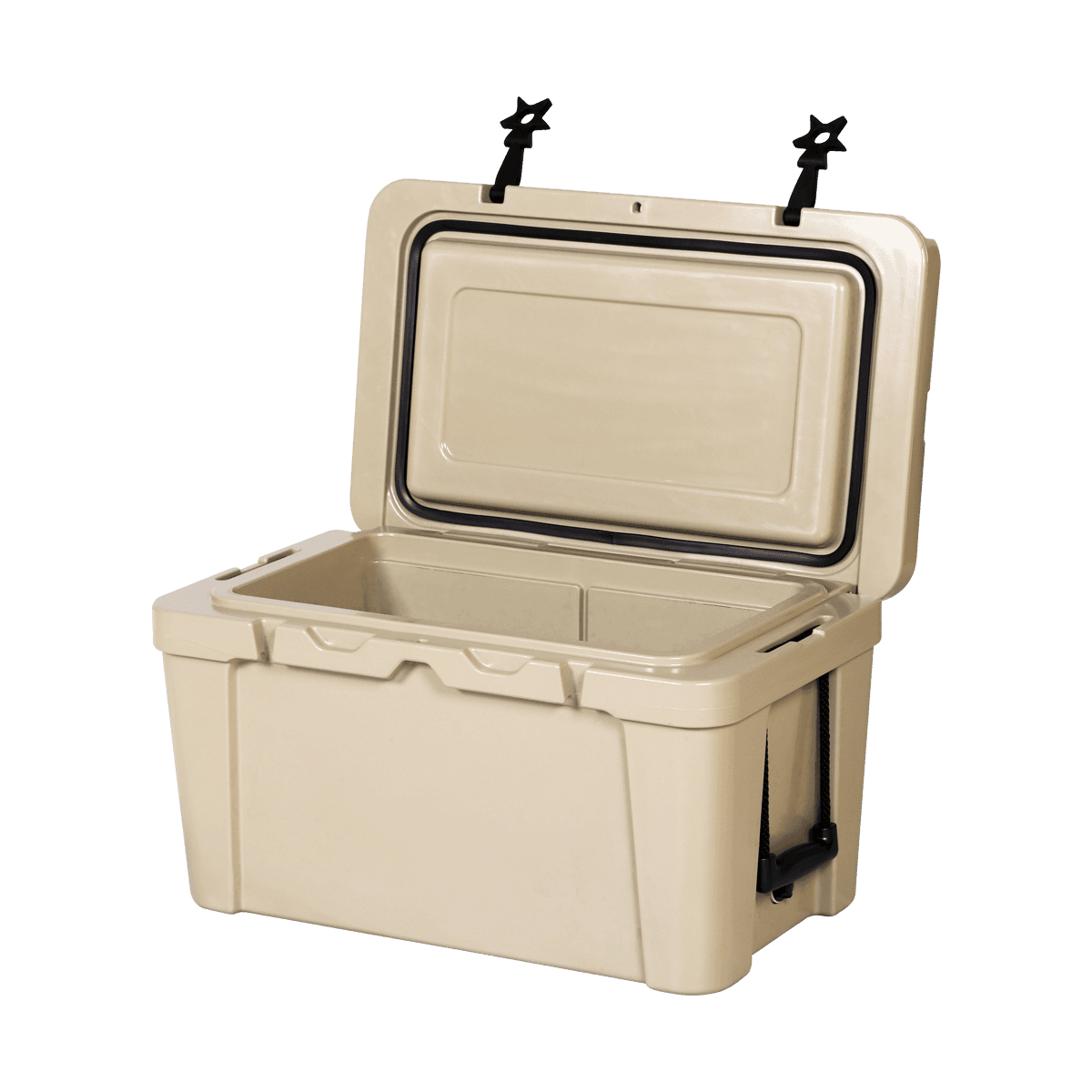
-4.png "X-120L Insulated Fish Bin Ice Cooler Box")
-4.png "X-70L Insulated Fishing Ice Cooler Box")
-2.png "X-68L Ice Cooler Box To Keep Food Cold And Fresh")
-2.png "X-120L Live Seafood Transportation Tanks")
-2.png "X-70L Live Seafood Transportation Tanks")