English
 Español
 عربى
عربى 中文简体
中文简体Content
Yes — But Only Under the Right Conditions
A high-quality ice cooler container can keep ice frozen for 72 hours or longer — but this is not a universal guarantee. The 72-hour claim you see on product labels is typically achieved under controlled lab conditions: a fully packed cooler, pre-chilled walls, and an ambient temperature of around 70°F (21°C). In real-world use, factors like sun exposure, frequent opening, and underpacking can cut that figure significantly — sometimes down to 24 hours or less.
The short answer: yes, it's achievable, but only if you understand what drives ice retention and use your cooler correctly.
What Actually Determines Ice Retention
Not all coolers are built the same. Ice retention is primarily determined by three physical factors:
Insulation thickness
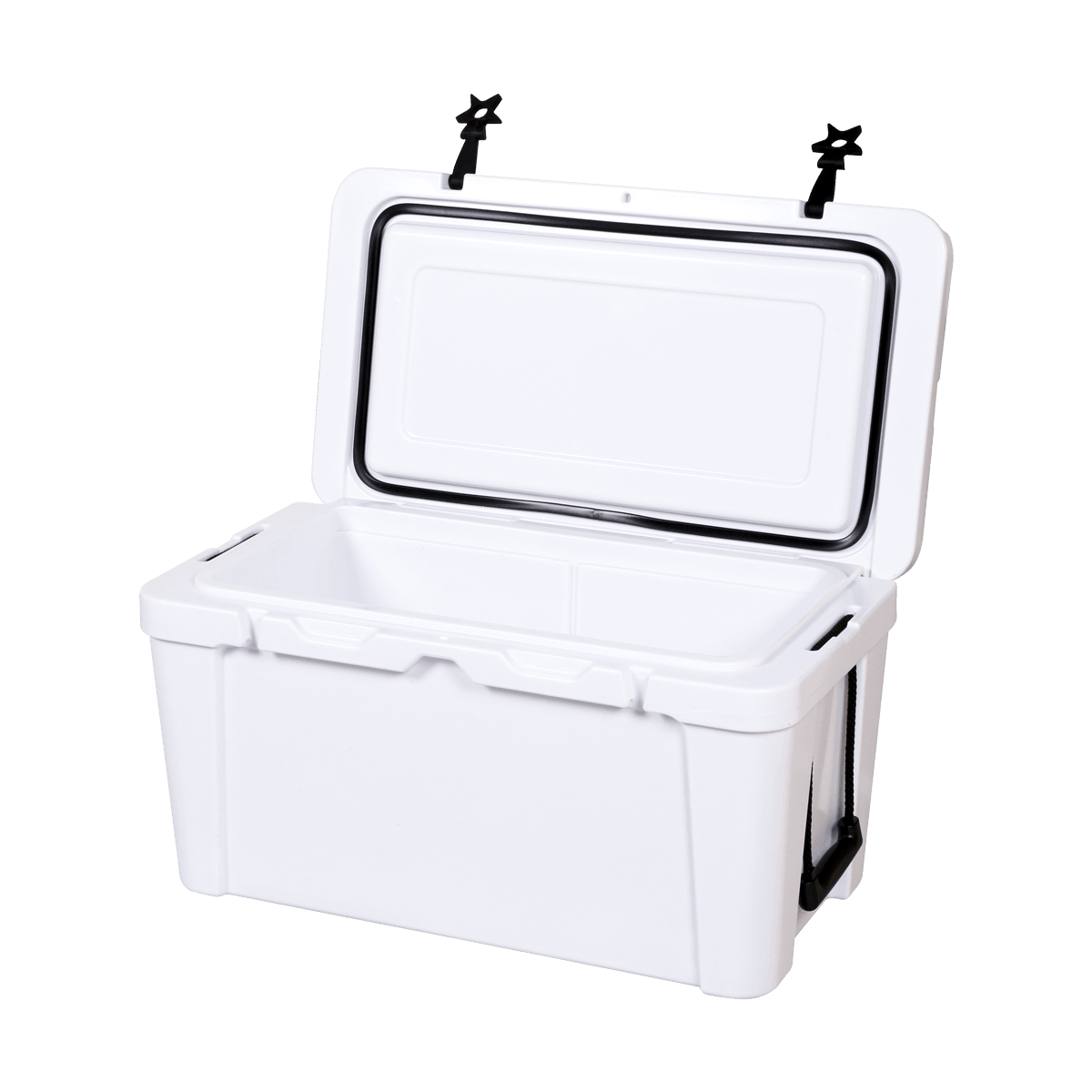
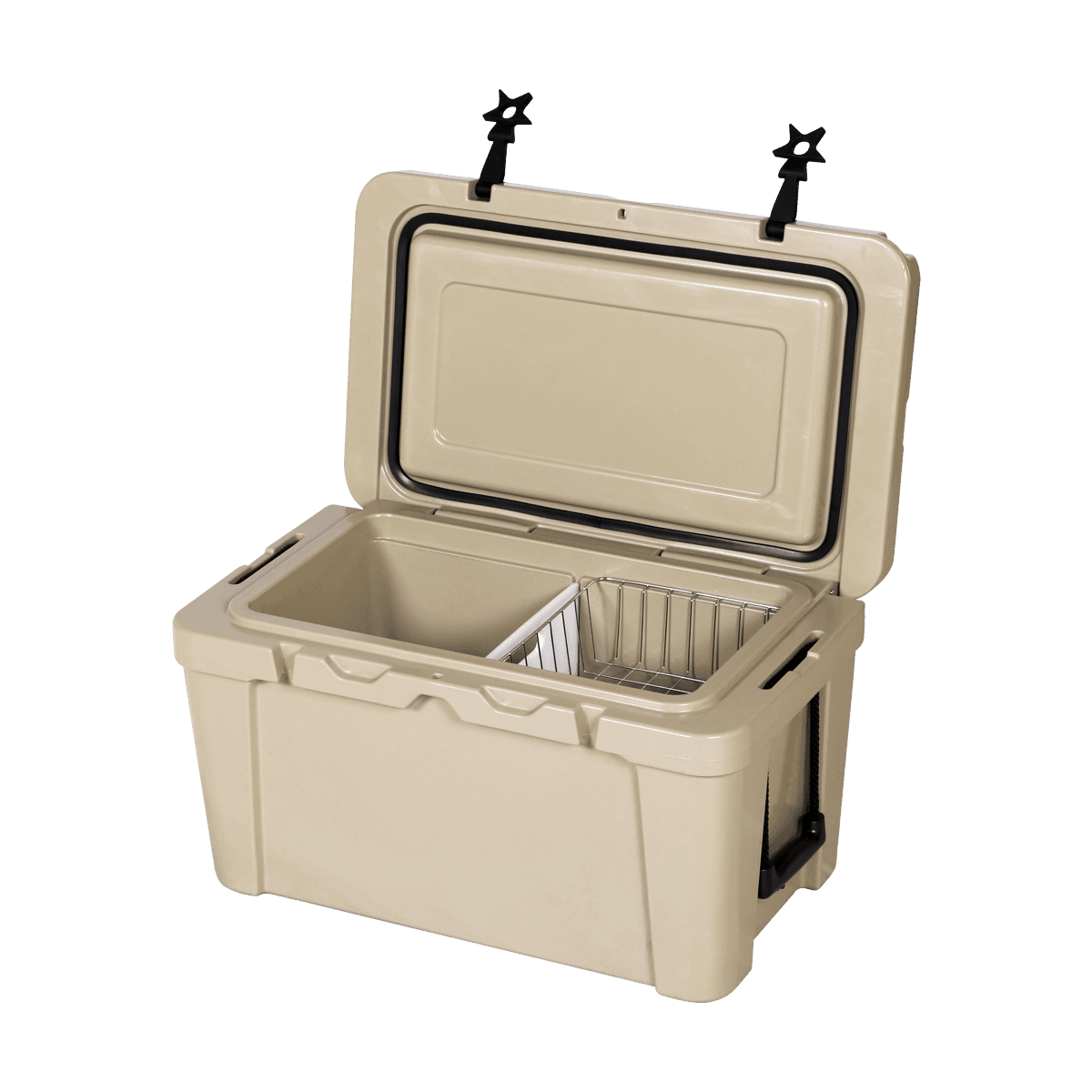
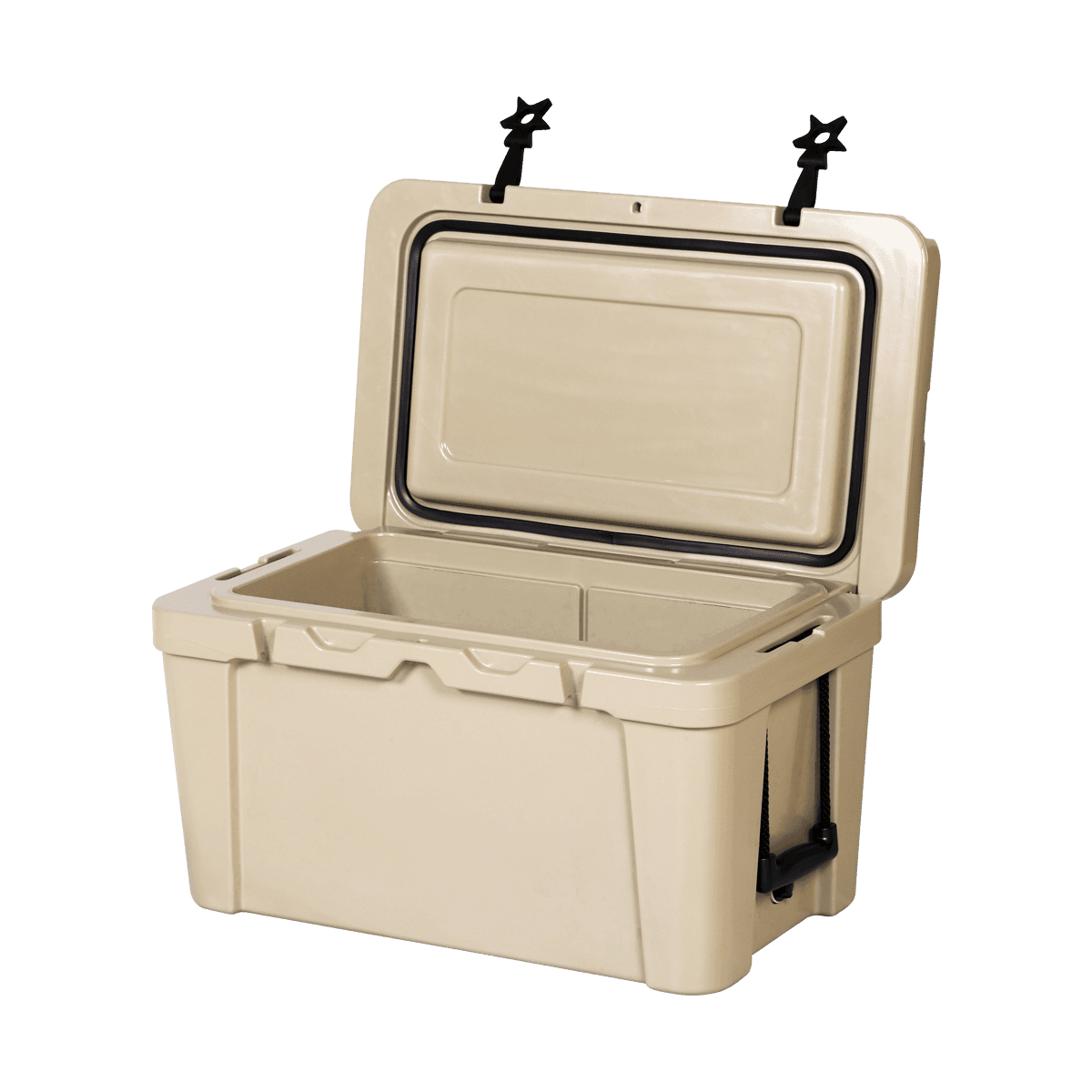
Premium rotomolded coolers like the YETI Tundra 45 use 2–3 inches of polyurethane foam injected under pressure into the walls. Budget coolers typically use 1 inch or less of cheaper foam, which can reduce retention by 50% or more.
Lid seal quality
A gasket-sealed lid is critical. Tests show that a loose or worn lid seal can account for up to 30% of total heat gain in a cooler over a 48-hour period.
Wall and drain construction
Rotomolded one-piece construction eliminates seams where cold air can escape. Cheaper injection-molded coolers often have visible seam lines that act as thermal bridges.
Ice Retention Comparison: Budget vs. Premium Coolers
The table below compares real-world ice retention across different cooler tiers based on published test data and user reports:
| Cooler Type | Example Model | Insulation | Real-World Ice Life | Price Range |
|---|---|---|---|---|
| Budget | Coleman 48 Qt | ~1 in foam | 18–30 hrs | $25–$50 |
| Mid-Range | Igloo BMX 52 | ~1.5 in foam | 36–48 hrs | $80–$150 |
| Premium | YETI Tundra 45 | 2–3 in foam | 72–96 hrs | $250–$400 |
| Ultra-Premium | Pelican Elite 50 | 3+ in foam | 96–120 hrs | $350–$500 |
5 Practical Tips to Actually Hit 72 Hours
Even a premium cooler will underperform if used incorrectly. Follow these steps to maximize ice life:
- Pre-chill your cooler for 12–24 hours before use. A warm cooler absorbs the first several pounds of ice before any food is cooled.
- Use a 2:1 ice-to-content ratio. Fill at least two-thirds of the cooler with ice. Air space is the enemy — it warms up fast and melts surrounding ice.
- Choose block ice over cubed ice. A single 10 lb block lasts roughly twice as long as the equivalent weight in ice cubes due to reduced surface area.
- Keep the cooler out of direct sunlight. A cooler sitting in full sun at 90°F (32°C) can lose ice up to 3× faster than one kept in shade.
- Minimize lid openings. Every time you open the lid, warm air rushes in. Organize contents beforehand so each opening is quick and deliberate.
Does Ice Type Matter? Block vs. Cube vs. Dry Ice
The type of ice you use has a measurable impact on how long your cooler stays cold:
- Cubed ice melts fastest due to high surface area. Good for quick chilling, poor for extended trips.
- Block ice can last 2–3× longer than cubed ice in the same cooler. Ideal for 48–72 hour trips.
- Dry ice maintains temperatures well below freezing (-109.3°F / -78.5°C) and can last 18–24 hours per 5–10 lbs in a well-insulated cooler. Not safe for all foods and requires ventilation.
- Reusable ice packs are convenient but hold less thermal energy than equivalent weight water ice — plan for shorter trips or use them to supplement block ice.
When 72 Hours Is Not Enough: Consider Alternatives
For trips exceeding 3 days, a passive ice cooler container may not be your best option regardless of quality. Consider:
- 12V electric coolers (e.g., Dometic CFX3 55) — plug into a vehicle or solar bank, maintain exact temperatures indefinitely, no ice needed.
- Dry ice combined with block ice — a hybrid approach that can extend cooling beyond 5 days in a premium cooler.
- Ice resupply planning — mapping gas stations or grocery stores along your route every 48–60 hours is often more cost-effective than upgrading equipment.
The 72-hour benchmark is real and achievable — but it requires the right cooler, the right ice, and the right habits. Treat it as a target, not a guarantee, and you'll get the most out of your ice cooler container.
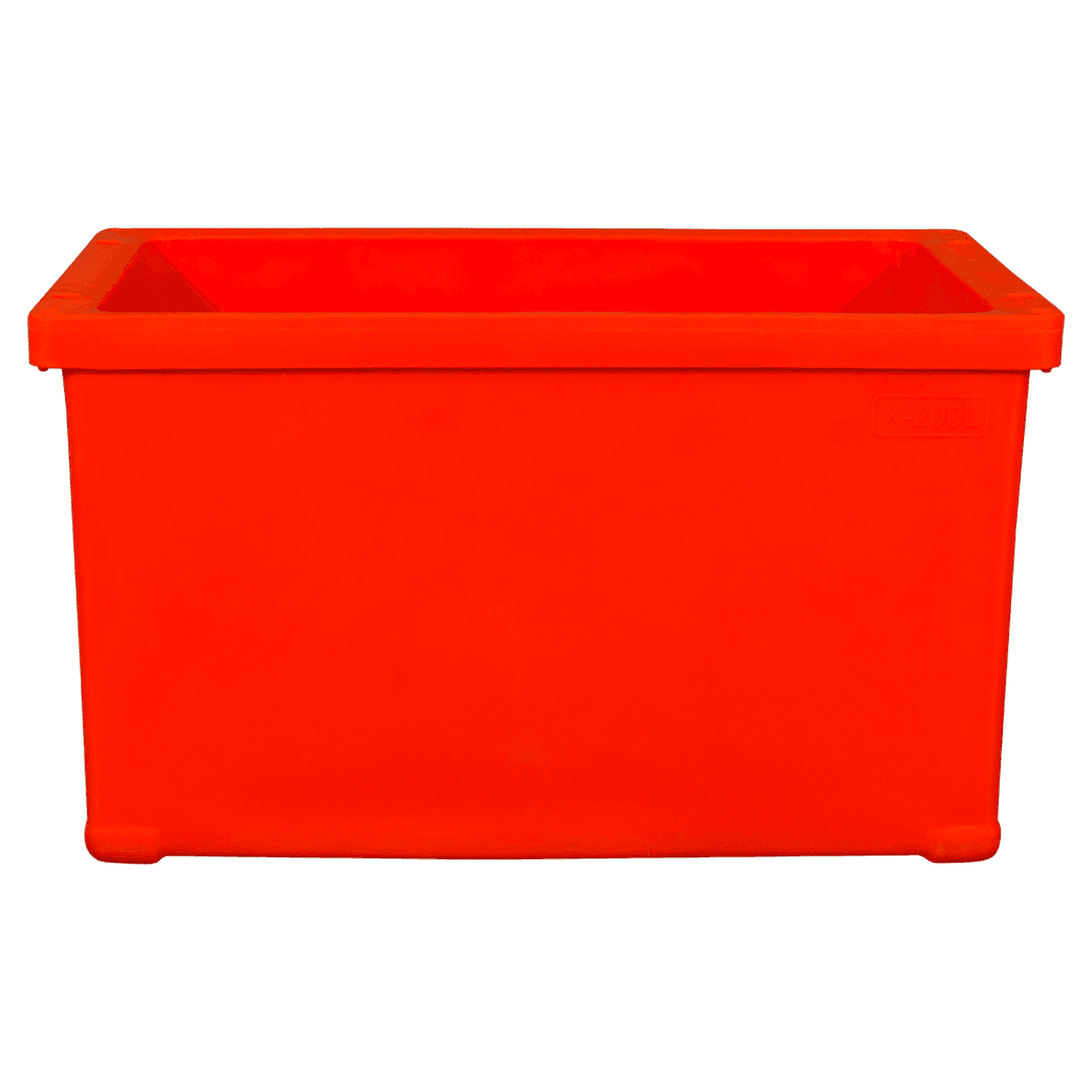
-4.png "X-120L Insulated Fish Bin Ice Cooler Box")
-4.png "X-70L Insulated Fishing Ice Cooler Box")
-2.png "X-68L Ice Cooler Box To Keep Food Cold And Fresh")
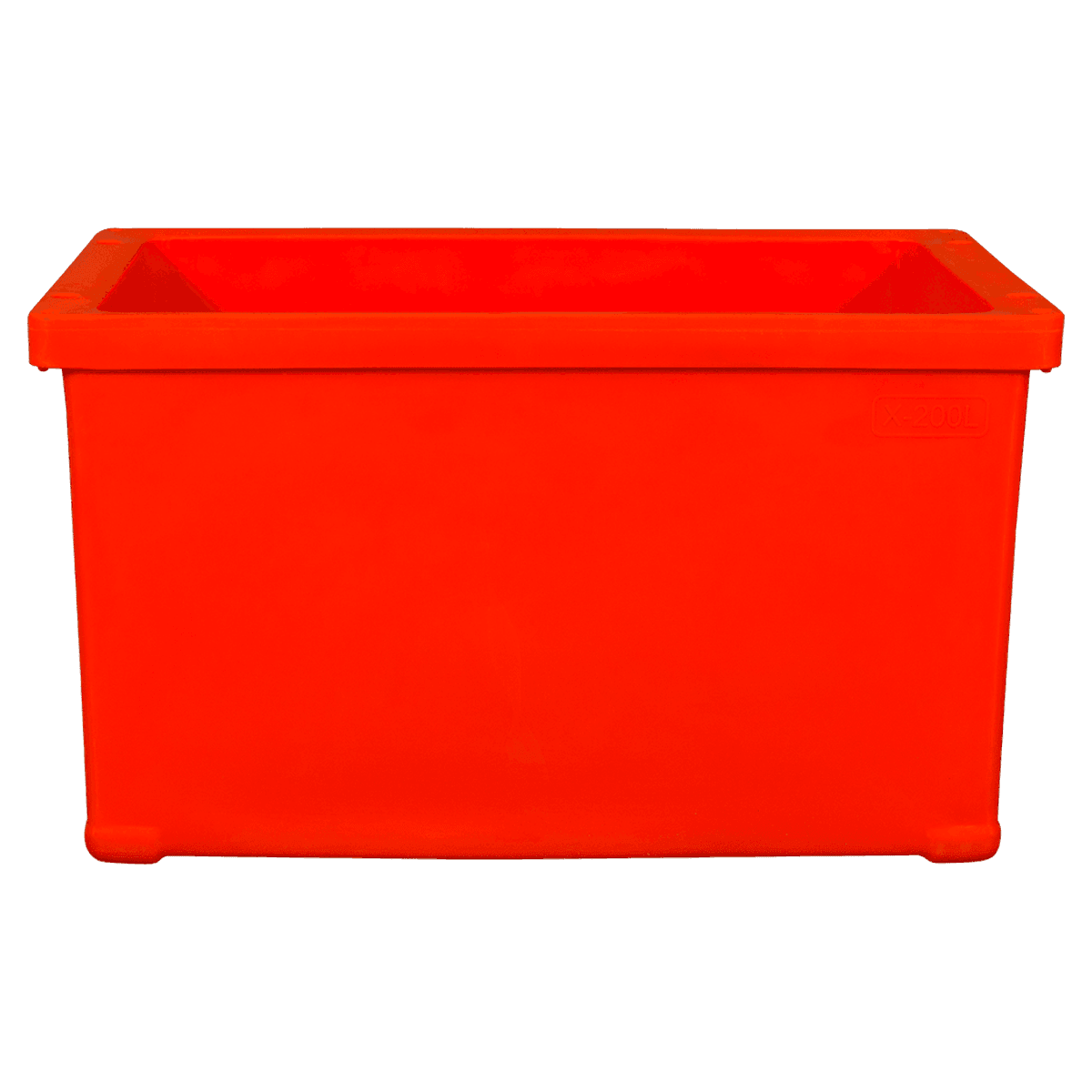
-2.png "X-120L Live Seafood Transportation Tanks")
-2.png "X-70L Live Seafood Transportation Tanks")