English
 Español
 عربى
عربى 中文简体
中文简体Content
- 1 Reliable Temperature Retention in Harsh Environments
- 2 Protection of Food, Beverages, and Temperature-Sensitive Materials
- 3 Durability Designed for Rugged Outdoor and Industrial Use
- 4 Portability and Operational Flexibility Across Applications
- 5 Energy Efficiency and Cost-Effective Temperature Control
- 6 Versatility Across Outdoor, Commercial, and Industrial Sectors
- 7 Safety, Compliance, and Risk Reduction
- 8 FAQ – Insulated Ice Cooler Containers
- 9 References
Reliable Temperature Retention in Harsh Environments
One of the most critical reasons insulated ice cooler containers are essential for both outdoor and industrial applications is their ability to provide stable and long-lasting temperature retention, even in extreme environmental conditions. Unlike ordinary storage containers, insulated ice cooler containers are engineered with advanced thermal insulation systems that significantly reduce heat exchange between the internal storage area and the external environment.
In outdoor scenarios such as camping, fishing, hunting, or beach activities, users are often exposed to intense sunlight, fluctuating temperatures, and limited access to electricity. An insulated ice cooler container ensures that ice remains solid and internal temperatures stay consistently low for extended periods—often 24 to 72 hours or more—depending on insulation quality and ice management. This capability is essential for preserving food freshness, preventing bacterial growth, and maintaining drink quality.
In industrial applications, harsh environments can include construction sites, mining operations, oil & gas fields, or remote manufacturing zones. These locations frequently experience high ambient temperatures, dust, vibration, and limited infrastructure. Insulated ice cooler containers function as mobile cold storage units, protecting temperature-sensitive materials such as industrial chemicals, lubricants, adhesives, coatings, and even electronic components. Without reliable insulation, exposure to heat can lead to product degradation, reduced effectiveness, or safety hazards.
Advanced insulated ice cooler containers often utilize materials such as high-density polyurethane foam, vacuum insulation panels (VIPs), or multi-layer composite walls. These materials dramatically slow thermal transfer, making the containers dependable in both short-term outdoor use and longer-term industrial deployment. As a result, temperature retention is not just a convenience—it is a functional necessity that directly impacts safety, efficiency, and cost control.
Protection of Food, Beverages, and Temperature-Sensitive Materials
Another key reason insulated ice cooler containers are indispensable lies in their role in protecting food, beverages, and sensitive materials from spoilage, contamination, and performance loss. Temperature control is directly linked to quality, safety, and regulatory compliance in both outdoor and industrial contexts.
For outdoor users, food safety is a primary concern. Perishable items such as meat, dairy products, seafood, and prepared meals must be stored below specific temperature thresholds to prevent bacterial growth. An insulated ice cooler container maintains a cold and stable environment, significantly reducing the risk of foodborne illness during outdoor activities, long trips, or events without refrigeration.
In industrial and commercial environments, the stakes are often even higher. Many industrial materials—including medical supplies, vaccines, laboratory samples, specialty chemicals, and pharmaceutical products—require strict temperature control. Even brief exposure to excessive heat can compromise their integrity. Insulated ice cooler containers offer a reliable solution for short-distance cold chain transportation or temporary on-site storage.
Additionally, insulated containers help prevent cross-contamination by providing sealed, hygienic storage. Many models include food-grade liners, airtight gaskets, and leak-proof designs that protect contents from dust, moisture, insects, and external pollutants. This is particularly important in outdoor environments and industrial worksites where cleanliness can be difficult to maintain.
By preserving product integrity and extending shelf life, insulated ice cooler containers help reduce waste, minimize financial losses, and ensure that both recreational users and industrial operators can rely on consistent performance.
Durability Designed for Rugged Outdoor and Industrial Use
Durability is a defining characteristic that sets insulated ice cooler containers apart from standard storage solutions. These containers are specifically designed to withstand rough handling, heavy loads, and harsh operating conditions, making them suitable for demanding outdoor adventures and industrial environments.
In outdoor applications, coolers are frequently subjected to impacts, drops, uneven terrain, and constant movement. Whether loaded onto boats, trucks, or carried across campsites, a durable insulated ice cooler container must resist cracking, deformation, and leakage. Many premium models use roto-molded polyethylene or reinforced composite shells that offer exceptional impact resistance.
Industrial environments impose even greater stress. Containers may be exposed to forklifts, heavy machinery, chemical splashes, UV radiation, and long-term wear. Industrial-grade insulated ice cooler containers are often built with thick walls, reinforced corners, corrosion-resistant hardware, and heavy-duty hinges and latches. These features ensure a long service life, even under continuous use.
Durability also contributes directly to safety. A damaged container can lead to leaks, contamination, or temperature loss, all of which may cause operational disruptions or health risks. By investing in robust insulated ice cooler containers, businesses reduce replacement frequency, maintenance costs, and downtime.
Ultimately, rugged construction ensures that insulated ice cooler containers deliver consistent performance across years of use, making them a cost-effective and reliable solution for both outdoor enthusiasts and industrial operators.
Portability and Operational Flexibility Across Applications
Portability is another reason insulated ice cooler containers are essential across diverse applications. Unlike fixed refrigeration units, these containers are designed for mobility and adaptability, allowing users to maintain cold storage wherever it is needed.
For outdoor activities, portability means convenience. Lightweight designs, ergonomic handles, shoulder straps, or built-in wheels allow users to transport coolers across campsites, beaches, or fishing spots with minimal effort. Compact yet high-capacity designs ensure efficient space usage while still providing ample storage.
In industrial settings, portability translates into operational flexibility. Insulated ice cooler containers can be easily moved between workstations, loaded onto vehicles, or deployed at temporary job sites. Some industrial models are compatible with pallet jacks or forklifts, making them suitable for logistics, warehouses, and field operations.
This flexibility is particularly valuable in remote locations or temporary operations where installing permanent refrigeration systems is impractical or too costly. Insulated ice cooler containers effectively bridge the gap by offering on-demand cold storage without infrastructure requirements.
Energy Efficiency and Cost-Effective Temperature Control
One of the often-overlooked advantages of insulated ice cooler containers is their energy efficiency. Because they rely on passive insulation rather than continuous power input, they provide a highly cost-effective solution for temperature control.
Outdoor users benefit from complete independence from electricity, generators, or batteries. Industrial users benefit from reduced energy consumption, especially in temporary storage or short-haul transportation scenarios. This not only lowers operating costs but also supports sustainability goals by reducing carbon emissions.
| Feature | Insulated Ice Cooler Container | Powered Refrigeration Unit |
|---|---|---|
| Power Requirement | None | Continuous electricity |
| Mobility | High | Limited |
| Operating Cost | Low | High |
| Setup Time | Immediate | Installation required |
| Maintenance | Minimal | Regular servicing |
This balance of performance and efficiency makes insulated ice cooler containers an economical choice for both personal and industrial use.
Versatility Across Outdoor, Commercial, and Industrial Sectors
Insulated ice cooler containers are valued for their exceptional versatility. A single container type can serve multiple industries and use cases, making it a highly adaptable investment.
Outdoor recreation, food service, medical logistics, construction, agriculture, and cold chain transportation all rely on insulated ice cooler containers for different purposes. Their ability to adapt to varying capacity needs, temperature ranges, and handling methods makes them suitable for nearly any scenario requiring portable cold storage.
This versatility allows businesses to standardize equipment across departments while still meeting diverse operational needs, improving efficiency and simplifying procurement.
Safety, Compliance, and Risk Reduction
In many industries, temperature control is not optional—it is a regulatory requirement. Insulated ice cooler containers help organizations meet food safety regulations, medical storage guidelines, and industrial handling standards.
By maintaining stable temperatures and preventing contamination, these containers reduce legal risks, protect brand reputation, and enhance overall safety. For outdoor users, they provide peace of mind. For industrial users, they ensure compliance and operational continuity.
FAQ – Insulated Ice Cooler Containers
Q1: How long can an insulated ice cooler container keep ice frozen?
A: Depending on insulation quality and external conditions, high-performance models can keep ice for 24–72 hours or longer.
Q2: Are insulated ice cooler containers suitable for industrial cold chain use?
A: Yes, they are widely used for short-distance cold chain transport and temporary storage.
Q3: What materials are best for insulated ice cooler containers?
A: Roto-molded polyethylene, stainless steel, and polyurethane foam insulation are among the most effective.
Q4: Can insulated ice cooler containers replace powered refrigeration?
A: For temporary, mobile, or short-term applications, they are an excellent alternative.
References
- World Health Organization (WHO) – Temperature Control in Cold Chain Logistics
- U.S. FDA – Food Safety and Cold Storage Guidelines
- ISO 22000 – Food Safety Management Systems
- Cold Chain Technologies Industry Reports
- Outdoor Industry Association – Best Practices for Portable Cold Storage
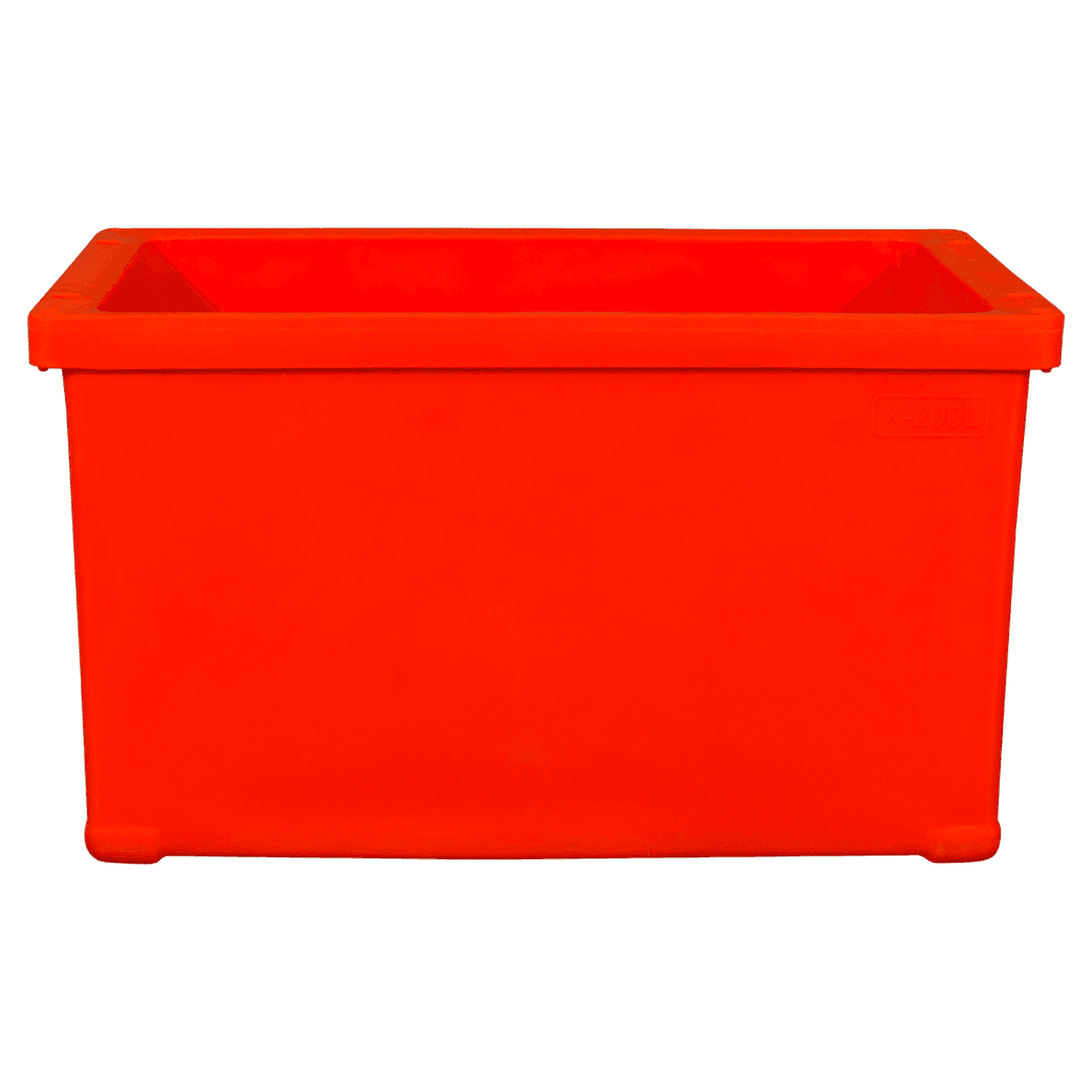
-4.png "X-120L Insulated Fish Bin Ice Cooler Box")
-4.png "X-70L Insulated Fishing Ice Cooler Box")
-2.png "X-68L Ice Cooler Box To Keep Food Cold And Fresh")
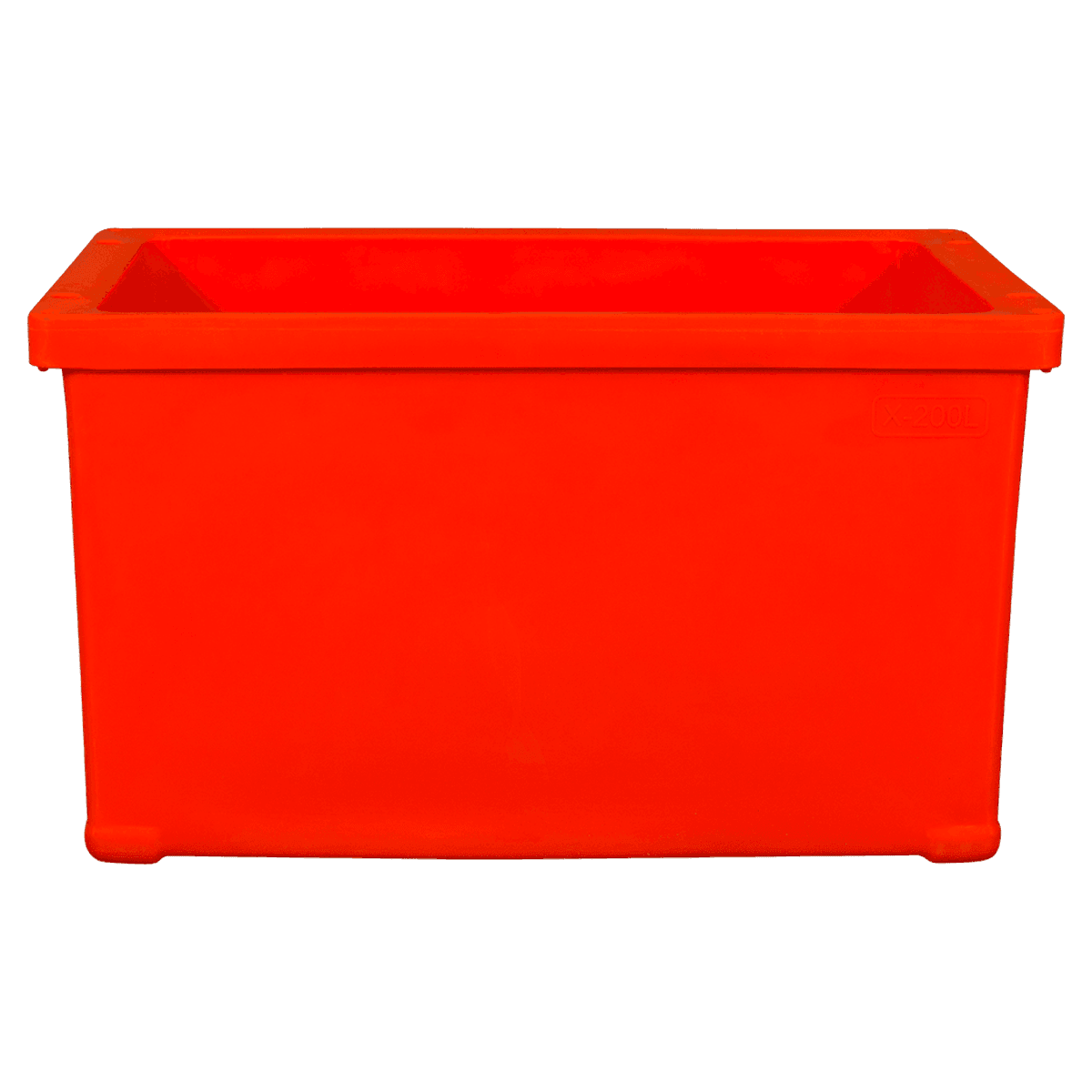
-2.png "X-120L Live Seafood Transportation Tanks")
-2.png "X-70L Live Seafood Transportation Tanks")