English
 Español
 عربى
عربى 中文简体
中文简体Content
- 1 Understanding Your Cargo: Temperature Profiles & Requirements
- 2 Active vs. Passive Containers: Which One Fits Your Route?
- 3 Key Factors to Evaluate Before Purchasing or Leasing
- 4 Essential Technology: IoT and Real-Time Monitoring
- 5 Comparison Table: Choosing Based on Logistics Needs
- 6 FAQ: Frequently Asked Questions
- 7 References and Further Reading
In the global supply chain, the integrity of perishable goods—ranging from fresh produce and seafood to life-saving biopharmaceuticals—hinges on a single critical factor: the cold-chain container. Selecting the wrong equipment doesn’t just lead to spoiled cargo; it can result in massive financial losses, regulatory fines, and a damaged brand reputation.
Understanding Your Cargo: Temperature Profiles & Requirements
Before selecting a container, you must define the precise thermal “envelope” your product requires. Not all perishables are created equal, and a few degrees of variance can be the difference between a premium product and hazardous waste.
The Spectrum of Temperature Sensitivity
Perishable logistics typically categorizes goods into three primary thermal zones:
- Deep Frozen (-20°C to -80°C): This zone is dominated by high-value biologics, mRNA vaccines, and certain specialty frozen seafood. Maintaining these temperatures often requires advanced vacuum insulation panels (VIP) and cryogenic cooling agents like dry ice or liquid nitrogen.
- Chilled (2°C to 8°C): This is the most common range for pharmaceuticals, dairy, and fresh proteins. The challenge here is “freeze protection”—ensuring the product stays cold but never hits $0°C$, which can denature proteins in medicines or cause cell rupture in produce.
- Controlled Ambient (15°C to 25°C): Often overlooked, many confectionery products and specific chemicals require protection from extreme external heat to prevent melting or chemical instability.
Stability Testing and Validation
When choosing a container, ensure it has been validated against international standards like ISTA 7D or 7E. These protocols simulate real-world transport hazards and external temperature fluctuations to prove the container can hold its internal environment for the duration of the journey.
Active vs. Passive Containers: Which One Fits Your Route?
The debate between active and passive cooling systems is the cornerstone of cold-chain strategy. The choice usually comes down to a trade-off between reliability, cost, and infrastructure.
Active Systems: The “Refrigerators” of the Sky and Sea
Active cold-chain containers are sophisticated units equipped with mechanical refrigeration systems powered by large internal batteries or external electrical hookups (like a reefer ship’s power grid).
- Advantages: They offer precise temperature control and can operate indefinitely as long as there is power. They are ideal for ultra-long-haul air freight where external temperatures can fluctuate wildly on the tarmac.
- Disadvantages: They are significantly heavier, more expensive to lease, and require specialized maintenance and positioning.
Passive Systems: The Power of Phase Change Materials (PCM)
Passive containers rely on high-tech insulation (like expanded polystyrene or VIP) and thermal mass (gel packs or PCMs).
- Advantages: They have no moving parts, making them highly reliable and cost-effective for “last-mile” delivery. Since they don’t require external power, they are perfect for shipping to remote regions with unreliable energy grids.
- Disadvantages: They have a finite “autonomy” (usually 72 to 120 hours). Once the thermal energy of the cooling agent is spent, the internal temperature will begin to track the ambient environment.
Key Factors to Evaluate Before Purchasing or Leasing
Beyond just cooling, the physical and operational characteristics of the container will dictate your logistics efficiency and “Total Cost of Ownership.”
Ambient Environment and Seasonality
A container that works perfectly in a European winter may fail during a summer transit through Singapore. You must evaluate the Ambient Profiles of your shipping lanes. High-performance insulated containers must be able to withstand “solar loading”—the intense heat gained when a container sits in direct sunlight on a loading dock.
Payload Efficiency and Weight
In logistics, weight is money.
- Volumetric Efficiency: How much of the container’s external size is actually usable for your product? Advanced insulation like VIP allows for thinner walls, increasing the internal payload.
- Tare Weight: Lightweight composite materials reduce fuel consumption and carbon taxes, which is becoming a major factor in international shipping regulations.
Reusability vs. Single-Use
Sustainability is no longer optional. Multi-use shippers offer a lower cost-per-trip over 2-3 years but require a robust “reverse logistics” network to return empty boxes for cleaning and refurbishment. Single-use systems eliminate return freight costs but increase waste and packaging taxes.
Essential Technology: IoT and Real-Time Monitoring
In the modern era, a cold-chain container without data is a liability. The integration of Internet of Things (IoT) devices has transformed containers into “smart assets” that provide a transparent audit trail.
Real-Time Visibility and Risk Mitigation
Advanced containers now feature integrated sensors that track:
- Internal Temperature & Humidity: Continuous logging to ensure GDP (Good Distribution Practice) compliance.
- GPS Location: Knowing exactly where a delay is occurring allows for proactive intervention (e.g., moving a container into a cold room).
- Light & Shock Sensors: Detecting if a container has been tampered with or dropped, which could compromise its vacuum seal or physical integrity.
Data Integration for Compliance
For pharmaceutical logistics, data is the product. If you cannot prove the temperature was maintained every second of the journey, the cargo may be legally required to be destroyed. Modern smart containers sync with cloud-based platforms, providing automated “Proof of Condition” reports that satisfy regulatory bodies like the FDA or EMA.
Comparison Table: Choosing Based on Logistics Needs
| Feature | Active Containers | Passive (PCM) Containers |
|---|---|---|
| Power Source | Electrical/Battery Powered | No Power Required (Thermal Mass) |
| Ideal Duration | Unlimited (with power) | 48 - 144 Hours |
| Maintenance | High (Mechanical parts) | Low (No moving parts) |
| Upfront Cost | Very High / Lease Only | Moderate / Scalable |
| Best For | Bulk International Air/Sea | Last-Mile / Remote Healthcare |
| Regulatory Ease | Built-in Data Loggers | External Loggers Required |
FAQ: Frequently Asked Questions
Q1: What is the most common cause of cold-chain failure?
A: Human error during the “hand-off” periods—such as leaving a container on a hot tarmac for too long or failing to properly pre-condition the cooling agents in passive systems.
Q2: How do I choose between a pallet shipper and a small parcel container?
A: This depends on your volume. Pallet shippers are more cost-effective for bulk B2B distribution, while parcel containers are designed for direct-to-patient or direct-to-retailer shipments.
Q3: Are “Smart” containers worth the extra cost?
A: Yes, especially for high-value or highly regulated goods. The cost of one lost shipment usually far exceeds the annual cost of IoT monitoring services.
References and Further Reading
- IATA Perishable Cargo Regulations (PCR): The global standard for shipping temperature-sensitive goods by air.
- World Health Organization (WHO) Technical Report Series: Guidelines on the international packaging and shipping of vaccines.
- Journal of Food Engineering: Comparative studies on the thermal efficiency of various insulation materials in logistics.
- GDP (Good Distribution Practice) Guidelines: European and US standards for the wholesale distribution of medicinal products.
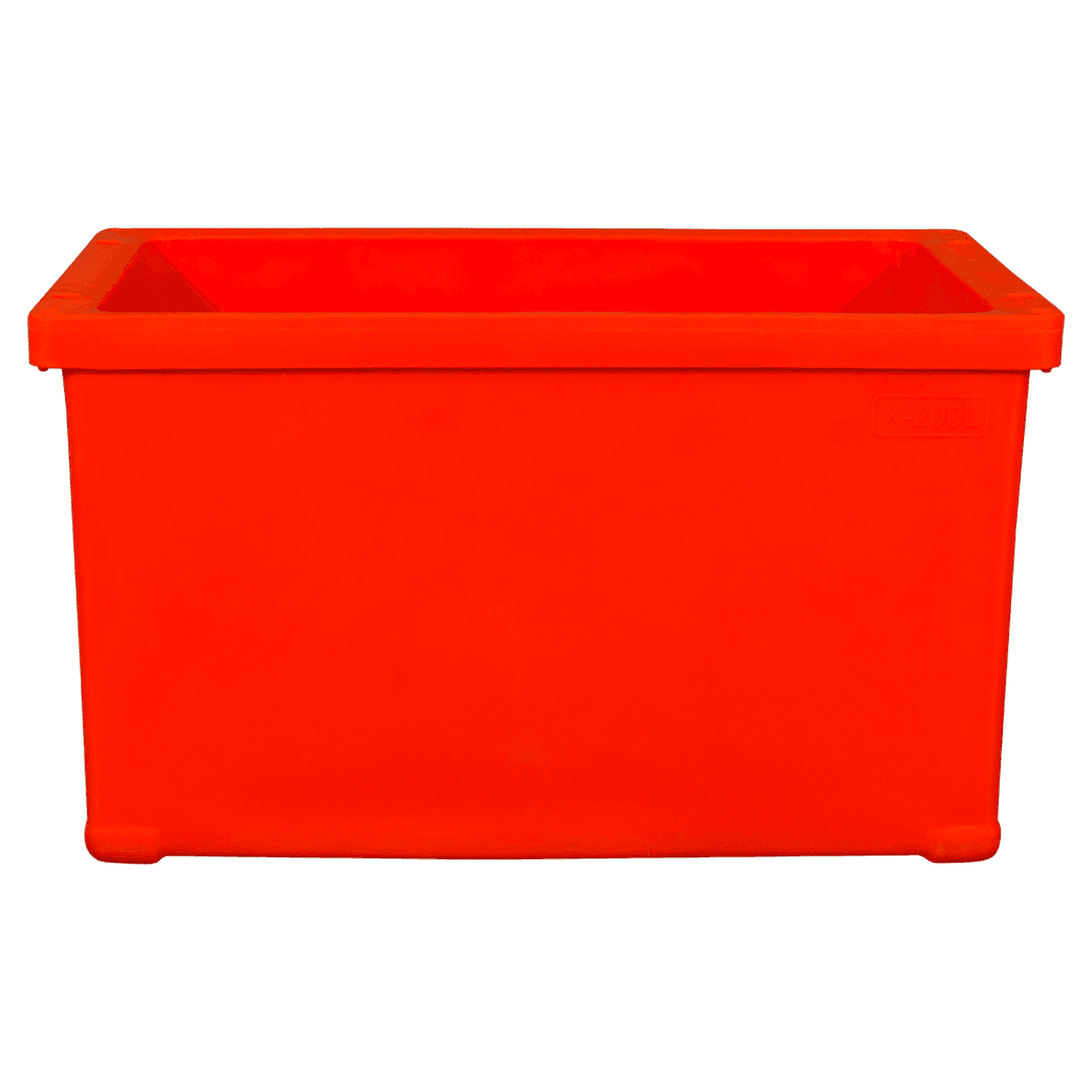
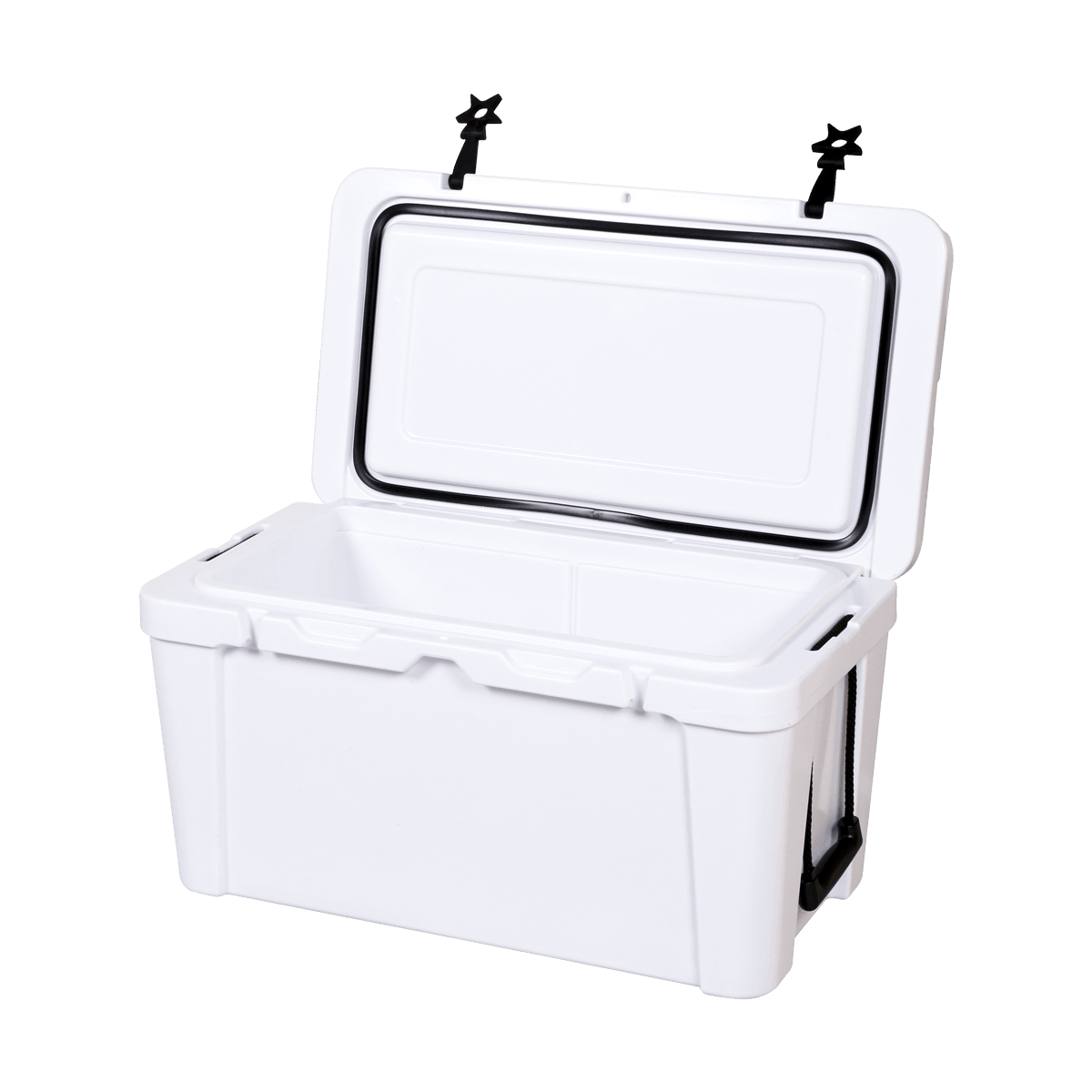
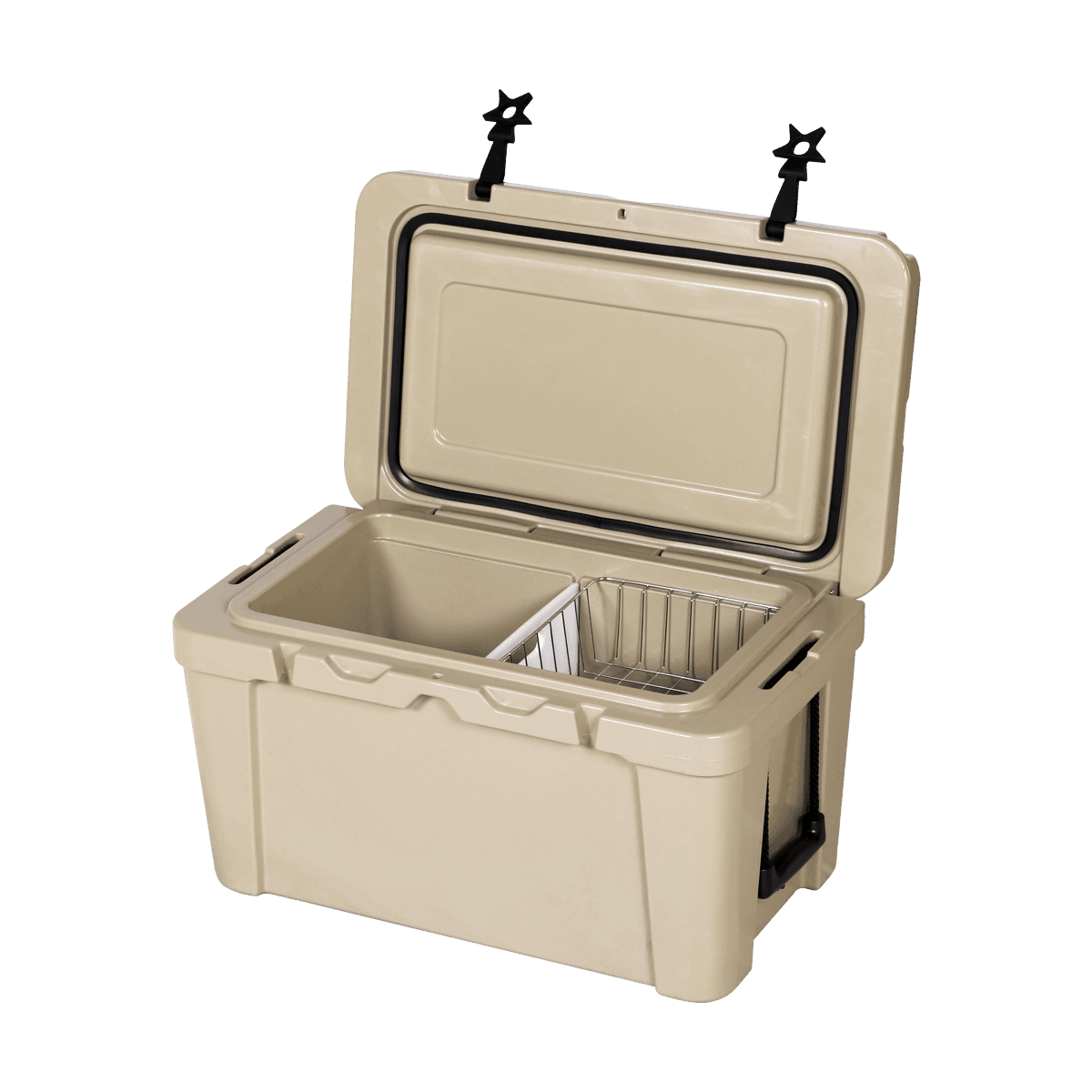
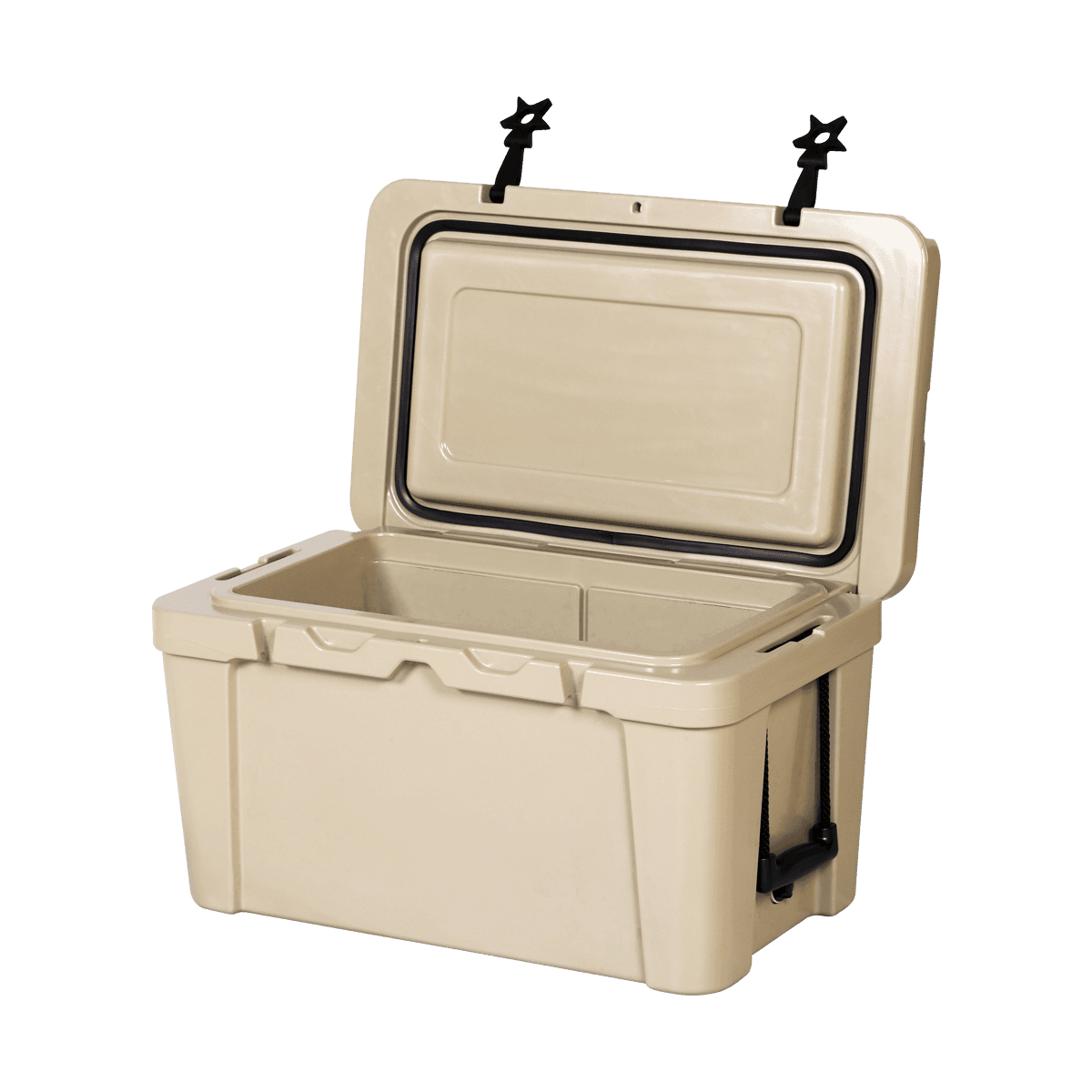
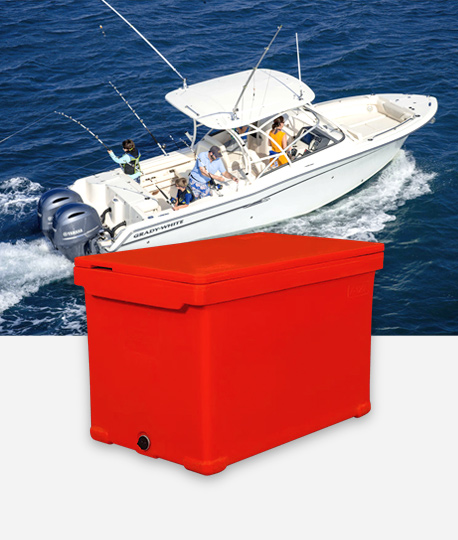
-4.png "X-120L Insulated Fish Bin Ice Cooler Box")
-4.png "X-70L Insulated Fishing Ice Cooler Box")
-2.png "X-68L Ice Cooler Box To Keep Food Cold And Fresh")
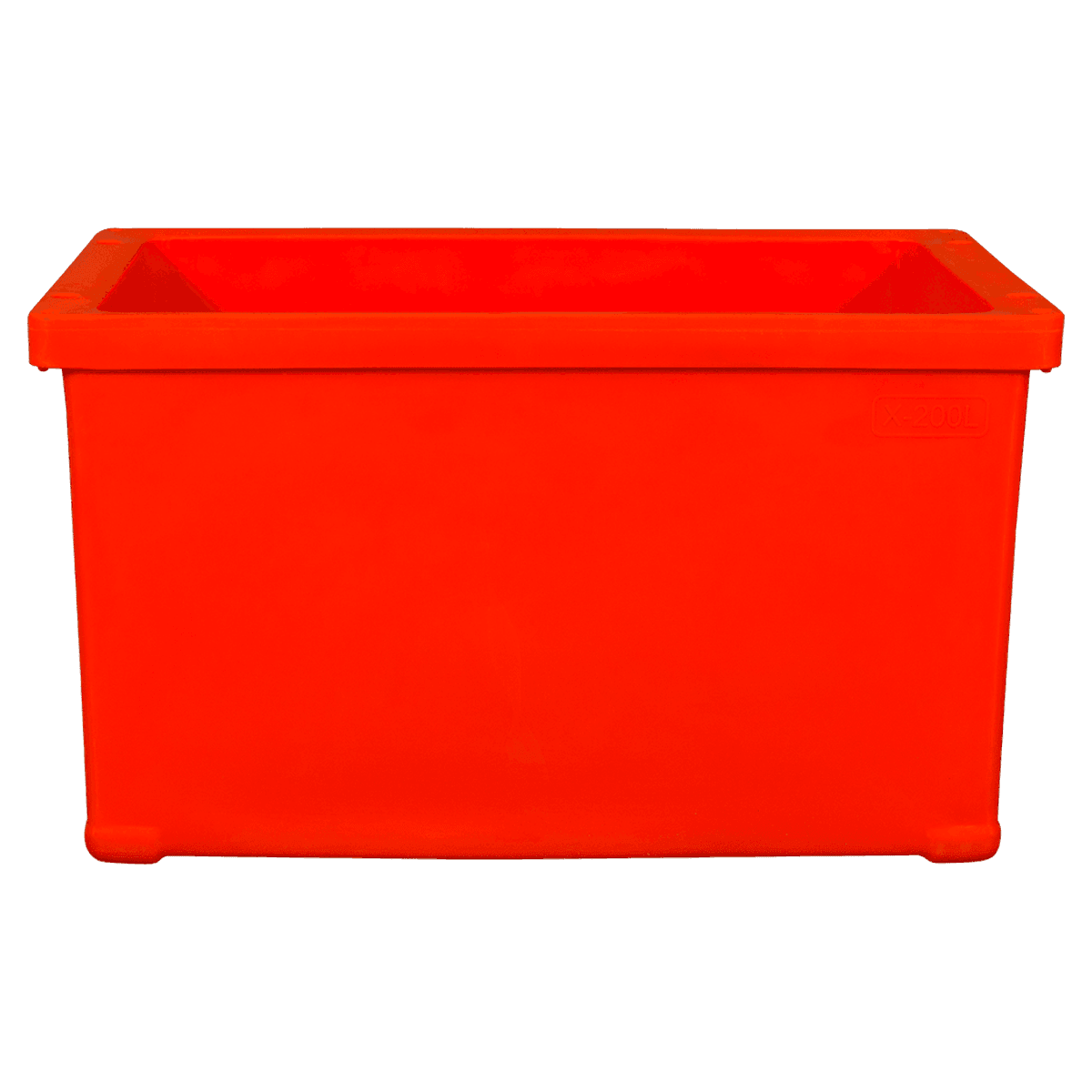
-2.png "X-120L Live Seafood Transportation Tanks")
-2.png "X-70L Live Seafood Transportation Tanks")