English
 Español
 عربى
عربى 中文简体
中文简体Content
Insulated bulk storage containers are vital in industries that handle temperature-sensitive materials, such as pharmaceuticals, chemicals, perishable food, and specialty liquids. These containers are designed to maintain a stable internal temperature, protecting products from environmental fluctuations, contamination, and spoilage. Proper storage ensures product integrity, safety, and extended shelf life, making insulated containers indispensable in modern industrial and logistics operations.
1. Maintaining Product Integrity
Temperature-sensitive materials are often highly reactive or perishable, and exposure to unsuitable temperatures can lead to degradation, spoilage, or complete loss of efficacy. Vaccines, biologics, dairy products, frozen foods, and specialty chemicals are particularly susceptible to temperature fluctuations. Insulated bulk storage containers act as thermal buffers, absorbing and slowing down heat transfer between the external environment and the stored product.
The insulation materials used, such as polyurethane foam, vacuum panels, or composite multilayer systems, provide high thermal resistance, minimizing the risk of rapid temperature changes. Additionally, insulated containers often include reflective surfaces or vapor barriers to further reduce heat gain or loss. By maintaining a consistent internal environment, these containers prevent chemical breakdown, microbial growth, and quality degradation, which is critical for compliance with safety and efficacy standards.
The use of insulated containers reduces the dependency on active refrigeration for short-term storage, ensuring that products remain safe even during temporary exposure to less controlled environments, such as warehouse transfers or loading operations. This capability is crucial for maintaining integrity in the entire supply chain.
2. Extending Shelf Life
The shelf life of temperature-sensitive products is directly influenced by storage conditions. Even minor temperature deviations can accelerate chemical reactions, enzymatic activity, or microbial growth, leading to reduced product stability, flavor changes, or potency loss. Insulated bulk storage containers significantly mitigate these risks by maintaining a controlled thermal environment over time.
For food and beverage industries, these containers preserve freshness, taste, texture, and nutritional value. For pharmaceuticals and biologics, they ensure the active ingredients remain stable and effective until use. By controlling temperature fluctuations, insulated containers reduce product waste, minimize losses, and improve operational efficiency.
These containers are particularly beneficial for long-term storage or extended transportation, such as intercontinental shipments of vaccines or specialty chemicals, where environmental conditions can vary widely. Consistent temperature maintenance ensures that products arrive at their destination in optimal condition, maintaining regulatory compliance and customer trust.
3. Supporting Regulatory Compliance
Industries that handle temperature-sensitive materials are subject to stringent regulations and guidelines to ensure safety and efficacy. Pharmaceutical companies must comply with Good Distribution Practice (GDP) and cold chain management requirements, while the food industry follows HACCP, FDA, and ISO 22000 standards. Non-compliance can result in legal penalties, recalls, or product loss.
Insulated bulk storage containers help organizations adhere to these standards by providing stable temperature control, accurate monitoring, and reliable storage conditions. Many containers are compatible with data loggers, thermometers, and IoT sensors, allowing continuous temperature monitoring and traceability. This ensures that every step of storage and transportation is documented, reducing the risk of violations.
Key Benefits of Insulated Bulk Storage Containers for Regulatory Compliance and Product Safety
| Benefit | Description | Example Application |
|---|---|---|
| Thermal Protection | Maintains internal temperature despite external fluctuations | Vaccines, biologics |
| Traceability | Allows continuous temperature monitoring | Cold chain pharmaceuticals |
| Compliance Support | Meets GDP, HACCP, FDA, and ISO standards | Food, beverage, and chemical industries |
| Reduced Spoilage | Minimizes microbial growth and chemical degradation | Perishable foods, specialty chemicals |
| Extended Storage/Transit Time | Maintains stability during long-distance transport | International shipments of sensitive goods |
4. Enhancing Supply Chain Efficiency
Insulated bulk storage containers improve logistics flexibility and supply chain efficiency by reducing reliance on continuous active refrigeration. They allow safe storage and transport over longer distances without compromising product quality. For bulk shipments, these containers enable consolidated transport, reducing the number of trips, energy consumption, and operational costs.
By maintaining consistent internal temperatures, insulated containers reduce the risk of product loss during unforeseen delays or environmental exposure, such as power outages, vehicle breakdowns, or extreme weather conditions. This flexibility supports just-in-time (JIT) distribution, enabling industries to deliver temperature-sensitive materials efficiently and reliably.
Additionally, insulated containers help optimize warehouse operations. Products can be stored in ambient environments without frequent refrigeration, freeing up cold storage space and reducing energy usage. This combination of stability and efficiency ensures that companies can maintain high service levels while minimizing operational costs and environmental impact.
5. Minimizing Product Losses and Waste
Temperature deviations often lead to significant product losses, especially for high-value or highly sensitive materials. Insulated bulk storage containers mitigate this risk by providing a controlled environment that preserves product quality throughout storage and transport.
In industries such as pharmaceuticals, vaccines, specialty chemicals, or perishable foods, even minor temperature fluctuations can render products unusable. Insulated containers protect these investments, reducing financial losses and waste. By extending shelf life, maintaining regulatory compliance, and ensuring quality consistency, insulated containers support sustainability initiatives while enhancing profitability.
Furthermore, minimizing spoilage contributes to environmental benefits, as fewer discarded products reduce landfill waste and resource consumption. Companies can achieve both cost savings and sustainability objectives through the strategic use of high-quality insulated bulk storage containers.
FAQ
Q1: What materials are commonly used for insulated bulk storage containers?
A1: Polyurethane foam, vacuum-insulated panels, polyethylene, and composite laminates are common due to their excellent thermal insulation and durability.
Q2: How long can insulated containers maintain temperature without active cooling?
A2: Depending on insulation quality, environmental conditions, and container size, many containers maintain safe temperatures for 12–72 hours.
Q3: Are insulated containers suitable for both cold and hot materials?
A3: Yes, high-quality insulated containers are effective for refrigerated, frozen, or heated products, maintaining temperature stability in either case.
Q4: Can temperature monitoring devices be used with insulated containers?
A4: Yes, most insulated containers are compatible with data loggers, IoT sensors, and thermometers for continuous monitoring and traceability.
Q5: How should insulated containers be maintained?
A5: Regular cleaning with mild detergents, inspecting seals, and checking insulation panels ensures optimal performance and long-term reliability.
References
- ISPE, Good Distribution Practice Guidelines, 2020.
- FDA, Food Safety Modernization Act (FSMA) Compliance Guidelines, 2019.
- WHO, Temperature-Sensitive Pharmaceutical Products: Storage and Transport Recommendations, 2018.
- Smith, J., Thermal Insulation in Industrial Bulk Storage, Elsevier, 2017.
- International Organization for Standardization (ISO) 22000, Food Safety Management Systems, 2018.
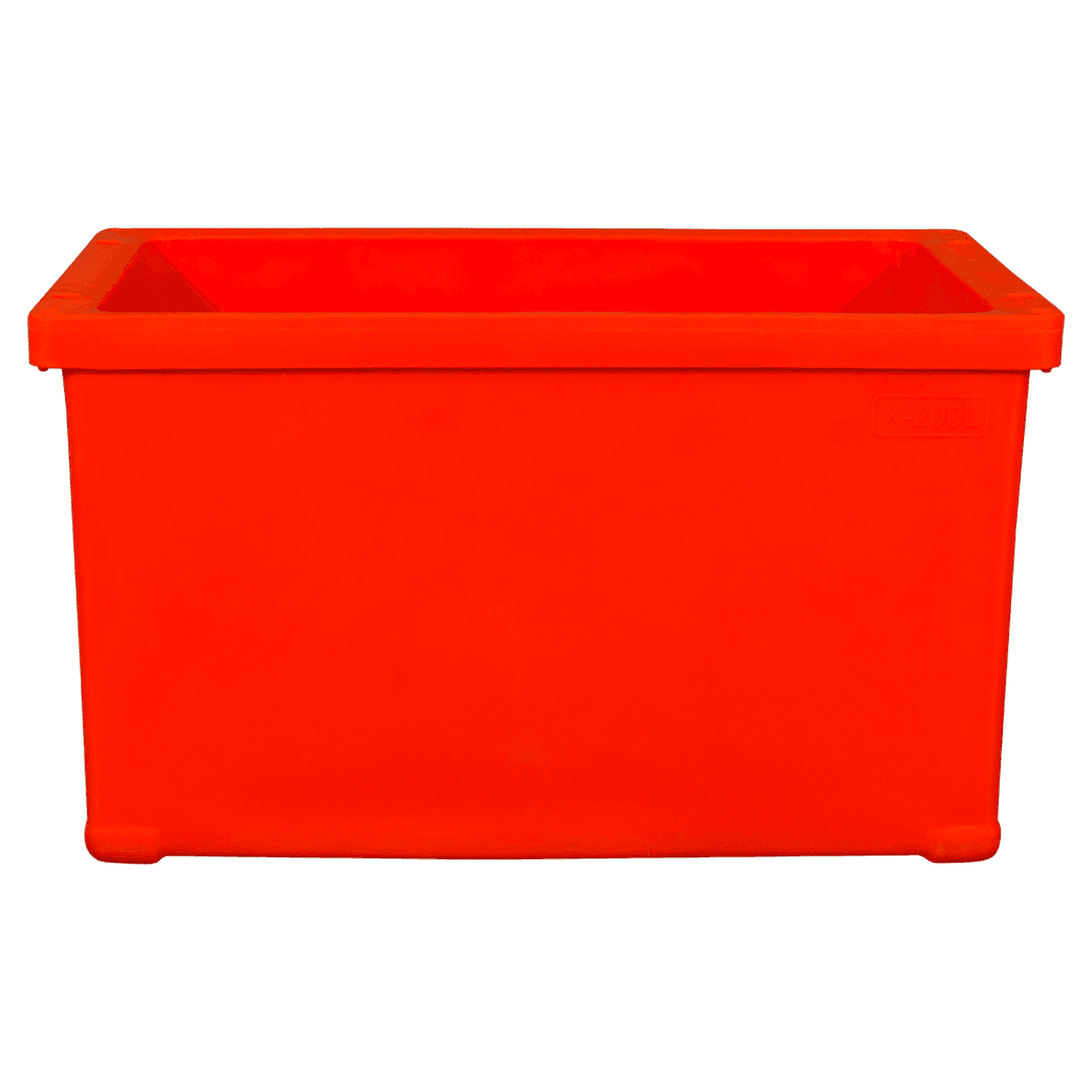
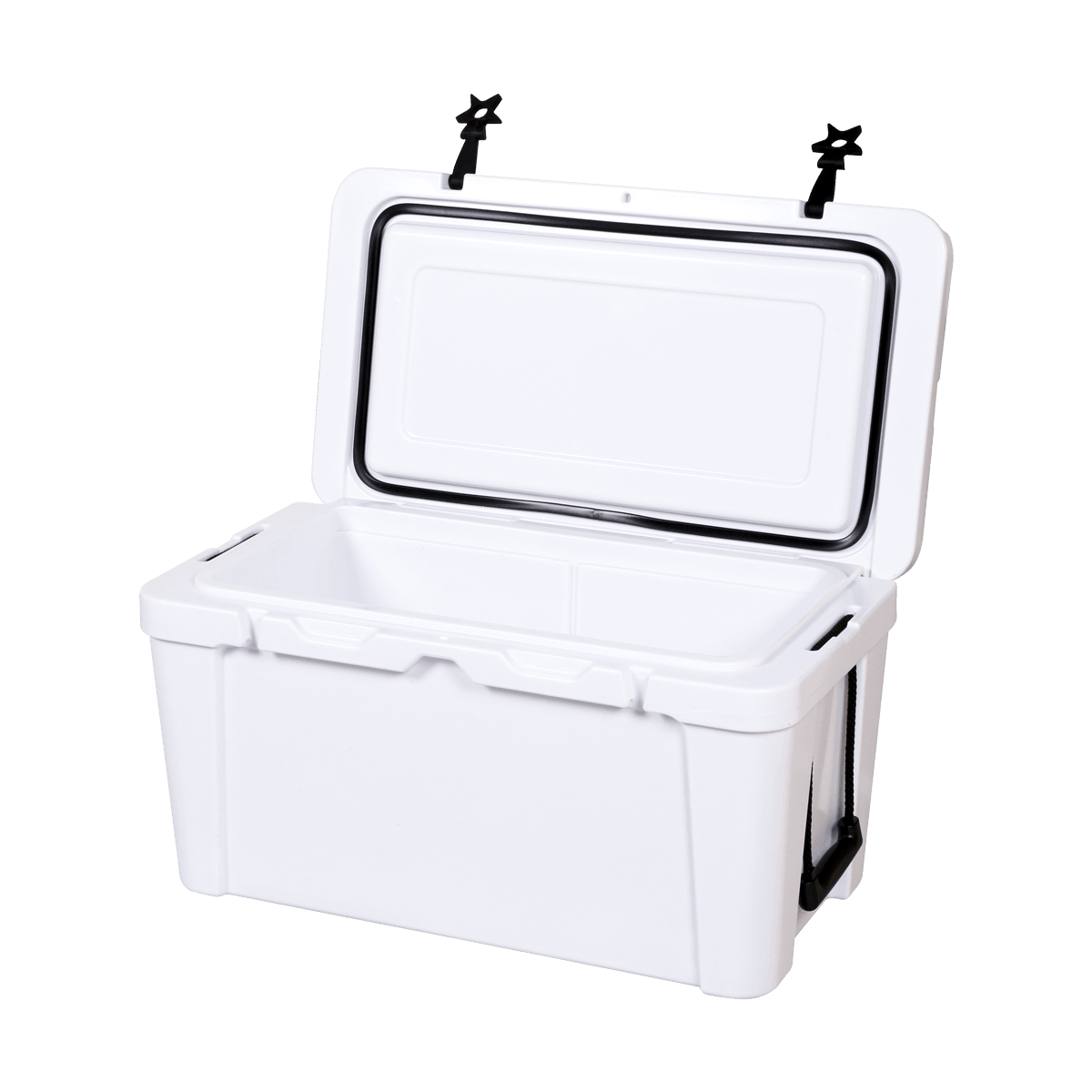
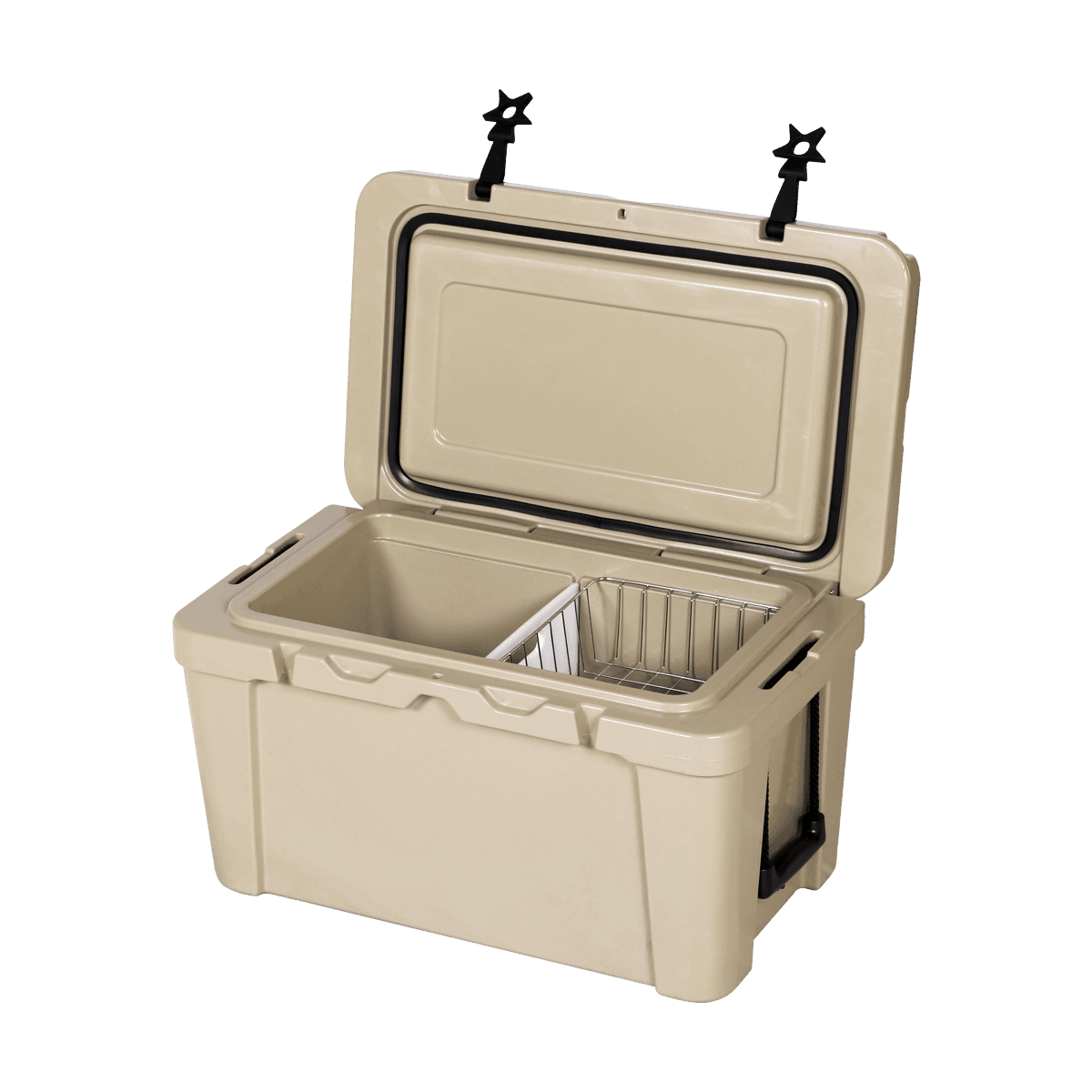
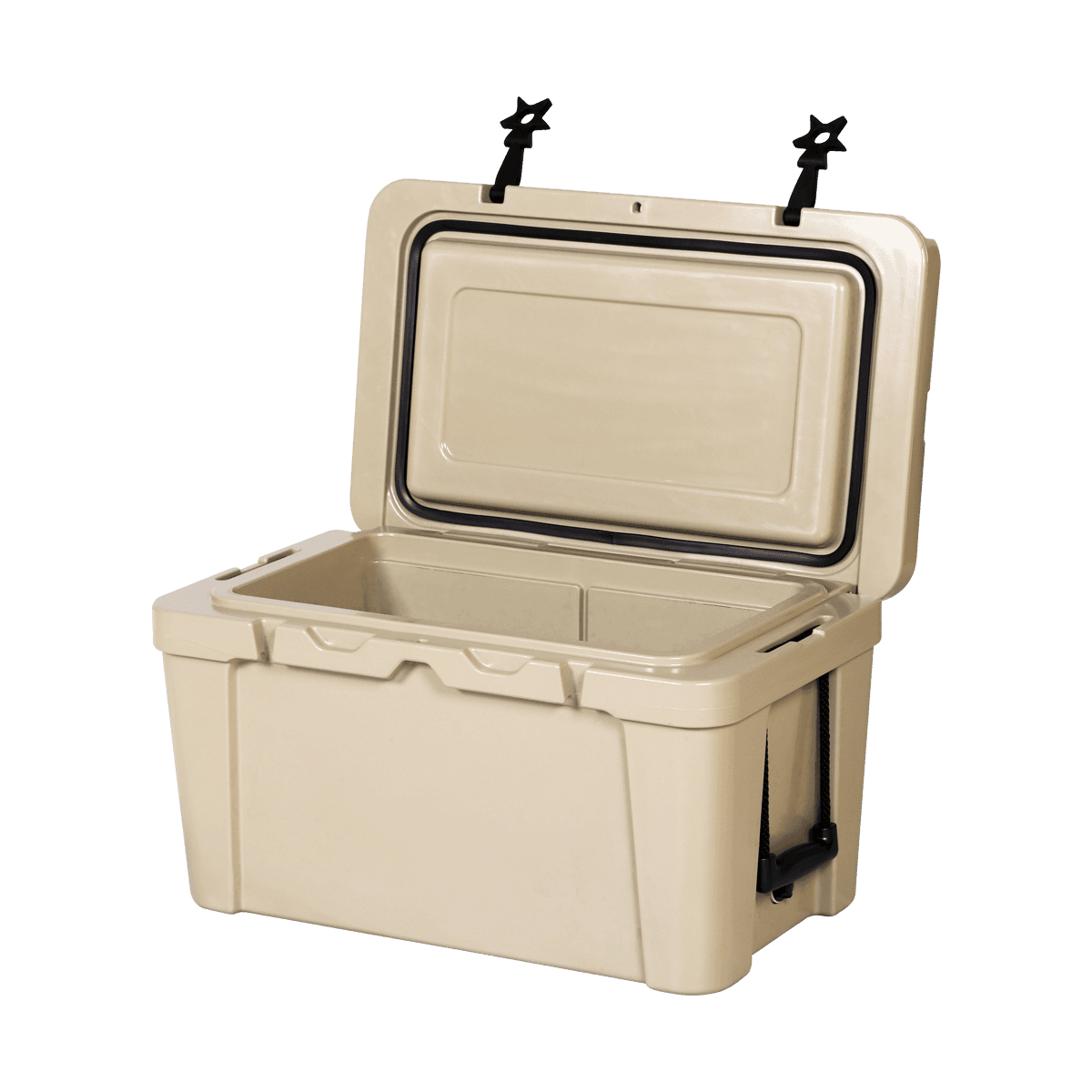
-4.png "X-120L Insulated Fish Bin Ice Cooler Box")
-4.png "X-70L Insulated Fishing Ice Cooler Box")
-2.png "X-68L Ice Cooler Box To Keep Food Cold And Fresh")
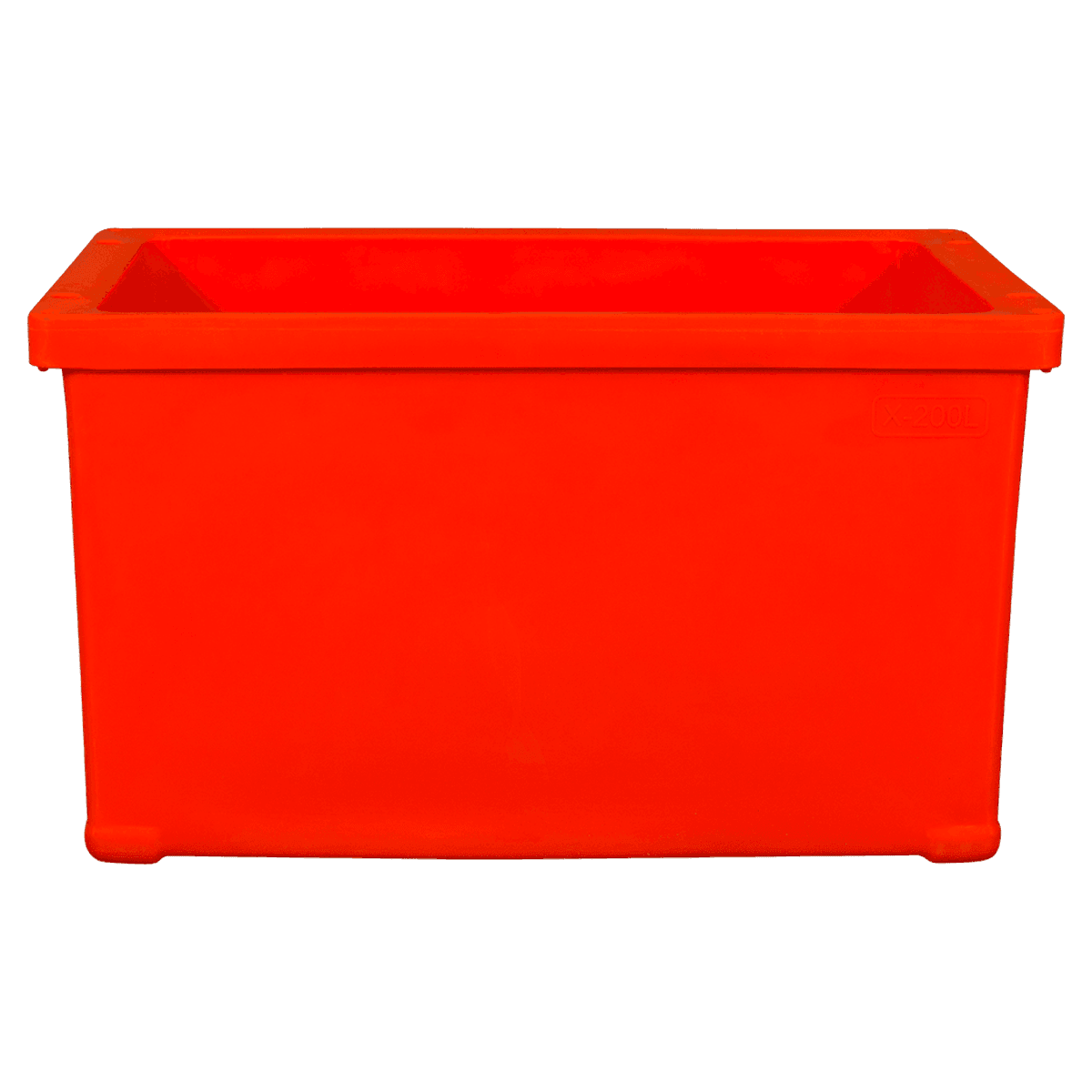
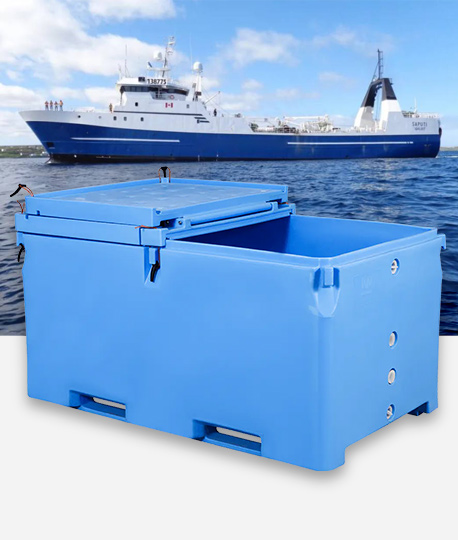
-2.png "X-120L Live Seafood Transportation Tanks")
-2.png "X-70L Live Seafood Transportation Tanks")