English
 Español
 عربى
عربى 中文简体
中文简体Content
In the precise world of industrial logistics and food processing, energy consumption is often the “hidden killer” of corporate profitability. Particularly in the field of Cold Chain Management, thermal loss means more than just a degradation in product quality—it leads directly to skyrocketing utility bills. Many enterprises still rely on outdated storage methods or single-walled, non-insulated bins, unaware that their refrigeration units are operating under a constant overload to compensate for poor insulation performance.
Switching to advanced Insulated Bulk Storage Containers is more than just a logistical equipment upgrade; it is a strategic financial investment. By optimizing the “Thermal Envelope” of bulk goods, you can drastically reduce the energy load on cold storage facilities and transport refrigeration units (TRUs).
The Science of Savings: Reducing the Heat Transfer Coefficient
To truly understand how Insulated Bulk Storage Containers save money, we must first explore the science of thermal resistance in thermodynamics. The primary goal of an advanced container is to minimize the “U-value” (the rate of heat transfer). According to SEMrush search trends, “thermal insulation efficiency” is a high-priority technical metric for large-scale warehouse centers and food processors.
High-Density Polyurethane (PUR) Insulation Technology
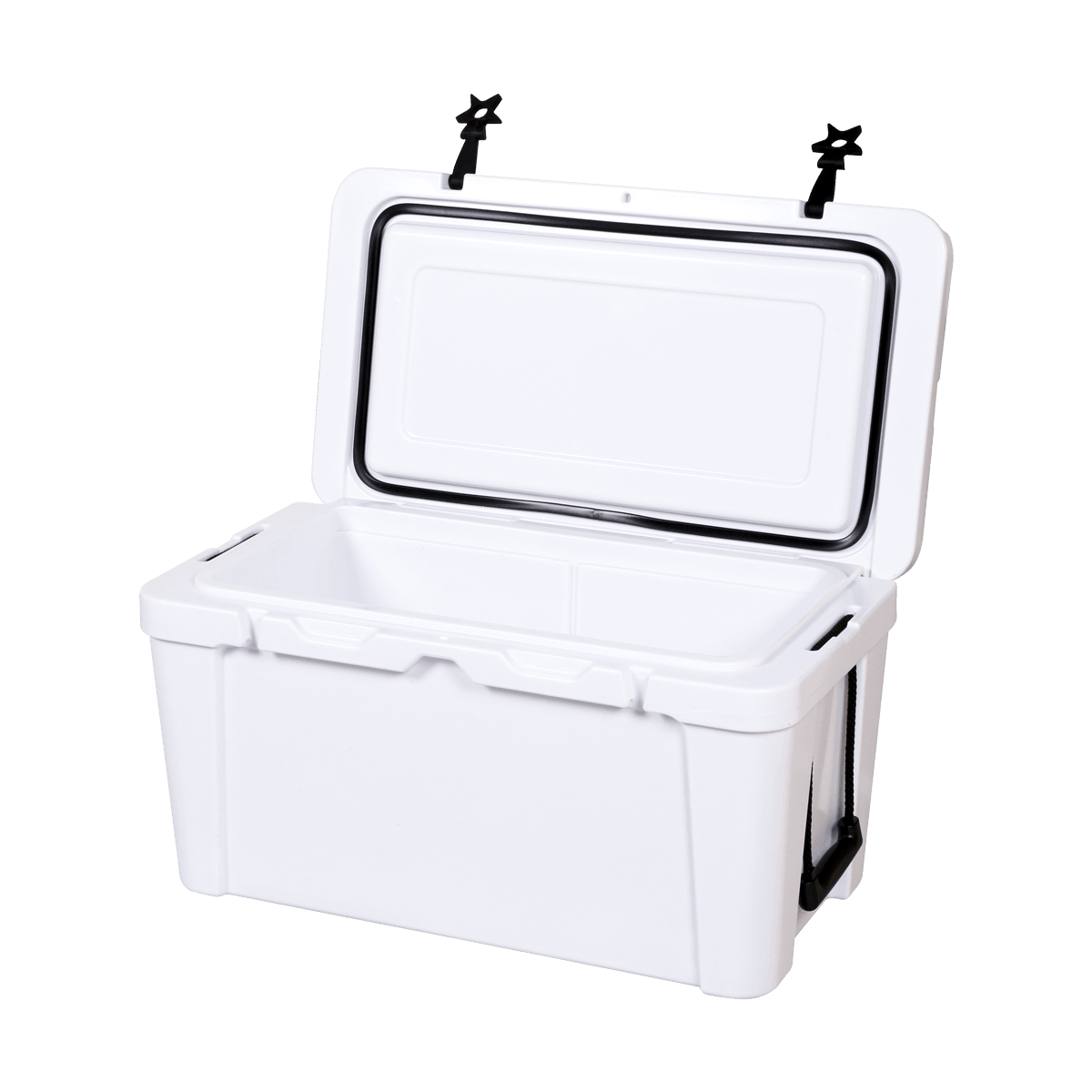
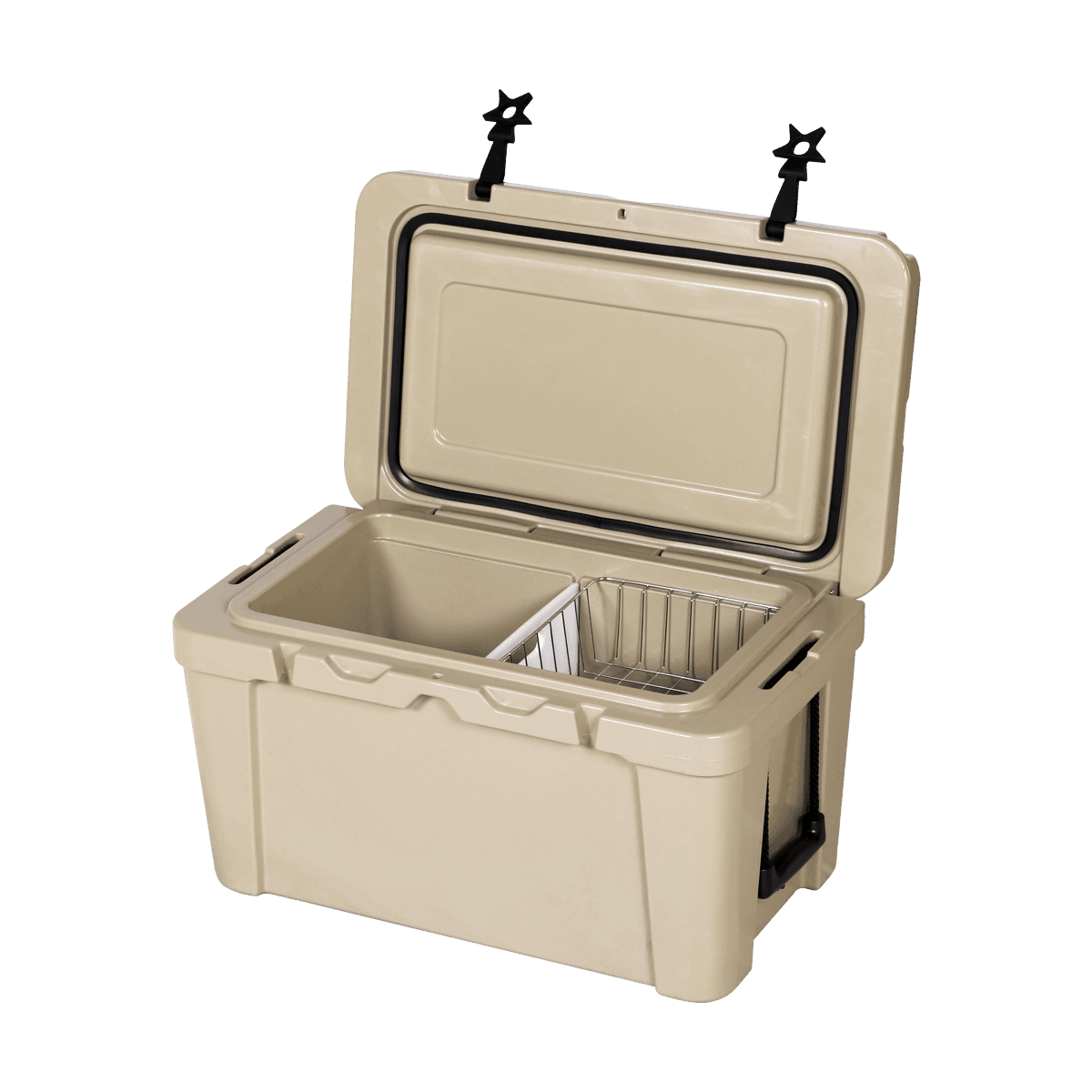
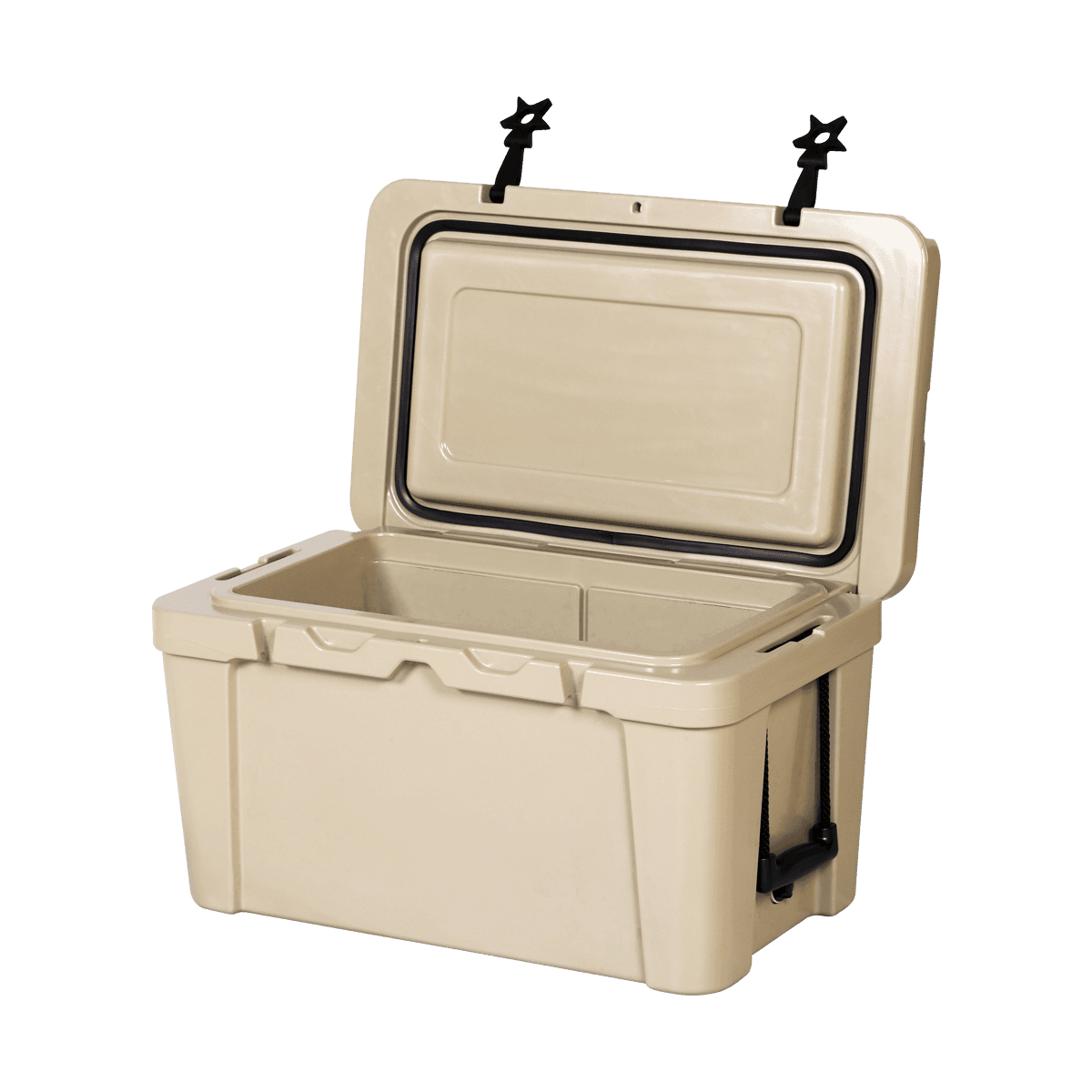
Unlike ordinary single-wall plastic bins, high-performance Insulated Bulk Storage Containers utilize a sophisticated “sandwich” structure. They consist of a double-walled Polyethylene (PE) shell with high-density polyurethane (PUR) foam injected under high pressure.
- Eliminating Thermal Bridging: Advanced rotational molding processes ensure there are no “physical bridging” points between the inner wall and the outer shell—meaning no gaps where insulation is missing. This ensures that the low temperature inside the container is not directly conducted to the outside through the casing.
- Energy Load Reduction: When products can spontaneously maintain a constant temperature inside the container, warehouse HVAC systems or industrial chillers do not need to start as frequently. In large-scale food processing plants, reducing the chiller duty cycle by just 15% can save thousands of dollars in industrial electricity costs every month.
Airtight Sealing and Advanced Gasket Engineering
Energy loss does not only occur through the walls; it frequently happens at the seam between the lid and the bin. Advanced containers are equipped with heavy-duty, food-grade silicone or EPDM rubber gaskets.
- Convection Control: A tight sealing system prevents warm, humid outside air from entering while locking cold air inside. This is critical for storing extremely low-temperature products like dry ice or deep-sea seafood. Reducing convection means reducing condensation, which in turn lowers the energy required for environmental dehumidification in the warehouse—a major advantage in Industrial Energy Management.
Quantitative Impact: Measuring Energy Savings in the Cold Chain
When conducting a Cost-Benefit Analysis (CBA) for Insulated Bulk Storage Containers, they must be viewed as tools for reducing the Total Cost of Ownership (TCO). By comparing experimental data, we can clearly see the significant advantages of insulated containers in reducing refrigeration demands.
Comparative Analysis of Resource Consumption
The following table illustrates the energy efficiency improvements over a typical 24-hour operational cycle when switching from traditional non-insulated bins to advanced Insulated Bulk Storage Containers.
| Performance Metric | Standard Plastic/Metal Bin | Advanced Insulated Container | Energy/Cost Impact |
|---|---|---|---|
| Ice Usage | Frequent (Fast Melting) | Minimal (Long-lasting Ice) | ~60% savings in ice-making power costs |
| Compressor Run-Time | Continuous / High Frequency | Intermittent / Low Frequency | 20-30% reduction in monthly electricity bills |
| Pre-cooling Energy Demand | Extremely High (Ambient heat) | Moderate (High Retainment) | Reduced peak-load energy charges |
| Hourly Temp Drift | 2°C - 5°C | < 0.5°C | Reduced energy waste from “re-cooling” |
| Dry Ice Sublimation Rate | 10-15% per day | 3-5% per day | Drastic reduction in expensive CO2 refills |
Reducing “Peak Demand” Electricity Charges
Most industrial power providers bill based on “Peak Demand”—the highest power usage recorded by an enterprise during a specific window.
- Thermal Buffering Effect: Insulated Bulk Storage Containers act as “thermal batteries.” This means you can deep-cool products during off-peak hours (when electricity is cheaper) and rely on the container’s superior insulation to hold that temperature during high-rate peak hours without relying on refrigeration units. This “load shifting” strategy can fundamentally optimize a company’s power tariff structure.
Operational Efficiency: Beyond the Monthly Utility Bill
While direct electricity savings are the easiest to track, Insulated Bulk Storage Containers also provide significant “Operational Energy” savings—reducing the fuel and human resources required to maintain the cold chain.
Optimizing Cold Chain Logistics and Fuel Consumption
In traditional cold chain transport, refrigerated trucks (Reefers) must run their engines continuously to power the cooling unit, consuming large amounts of diesel.
- The Power of Passive Cooling: With advanced Insulated Bulk Storage Containers, you can often achieve “Passive Transport.” For short or medium-haul deliveries, if the insulation performance is high enough, you can transport cold chain products in standard non-refrigerated vans. This completely eliminates reefer fuel consumption for that route, serving as an effective tool for companies pursuing Carbon Neutral goals to reduce Scope 3 emissions.
Reduced Defrost Cycles and Maintenance Costs
In a cold storage environment, stable internal temperatures mean that condensation and frost around the goods are greatly reduced.
- Minimizing Defrost Energy: Frost on evaporator surfaces is a primary cause of cold storage inefficiency. When using high-efficiency insulated containers, moisture in the warehouse air no longer frequently contacts the extremely cold surfaces of the products, reducing the number of automatic defrost cycles. Since defrosting usually requires electric heating, simplifying this process translates directly into lower electricity bills and extends the maintenance cycles of expensive refrigeration equipment.
Frequently Asked Questions (FAQ)
Q1: Can these insulated bulk storage containers also be used for hot goods?
Absolutely. The physical principles of insulation work for both heat and cold. Insulated Bulk Storage Containers are frequently used in the poultry and prepared food industries to maintain products above the “cook-safe” temperature of 60°C without the need for constant, expensive electricity for heat lamps.
Q2: What is the typical ROI (Return on Investment) period for these containers?
For high-volume food, seafood, or chemical processors, the ROI is usually reached within 12 to 18 months. This is calculated based on reduced ice-making costs, lower refrigeration system loads, and reduced product loss due to temperature fluctuations.
Q3: Why are these better than standard household coolers for industrial use?
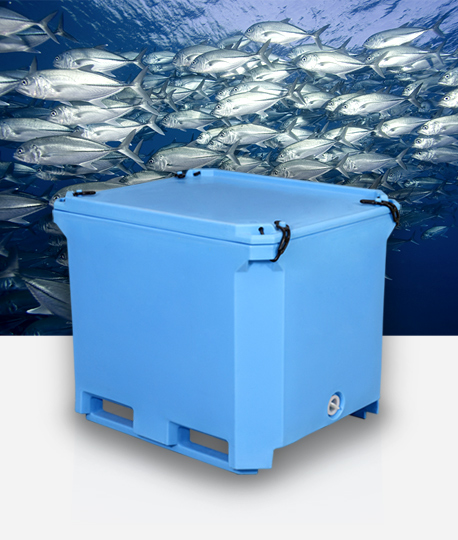
Household coolers lack the industrial design for impact resistance and cannot withstand forklift handling or high-stacking pressure. Industrial-grade Insulated Bulk Storage Containers feature reinforced pallet bases and UV-resistant LLDPE shells. Their insulation density and uniformity ensure temperature stability for large-scale cargo over several days.
References and Technical Standards
- ISO 22000:2025: Food safety management systems — Requirements for organizations in the food chain.
- ATP Agreement: Agreement on the International Carriage of Perishable Foodstuffs.
- ASHRAE Handbook: Refrigeration and thermal insulation guidelines for industrial bulk storage.
- HACCP Standard: Hazard Analysis and Critical Control Points in the cold chain and storage logistics.

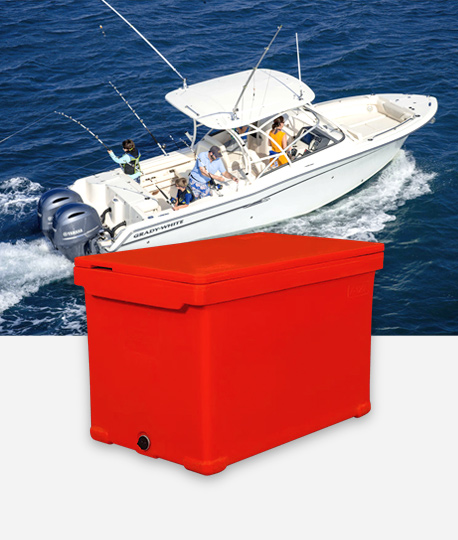
-4.png "X-120L Insulated Fish Bin Ice Cooler Box")
-4.png "X-70L Insulated Fishing Ice Cooler Box")
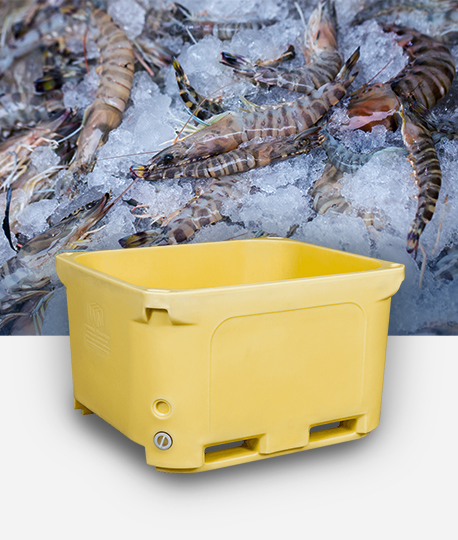
-2.png "X-68L Ice Cooler Box To Keep Food Cold And Fresh")

-2.png "X-120L Live Seafood Transportation Tanks")
-2.png "X-70L Live Seafood Transportation Tanks")