English
 Español
 عربى
عربى 中文简体
中文简体Content
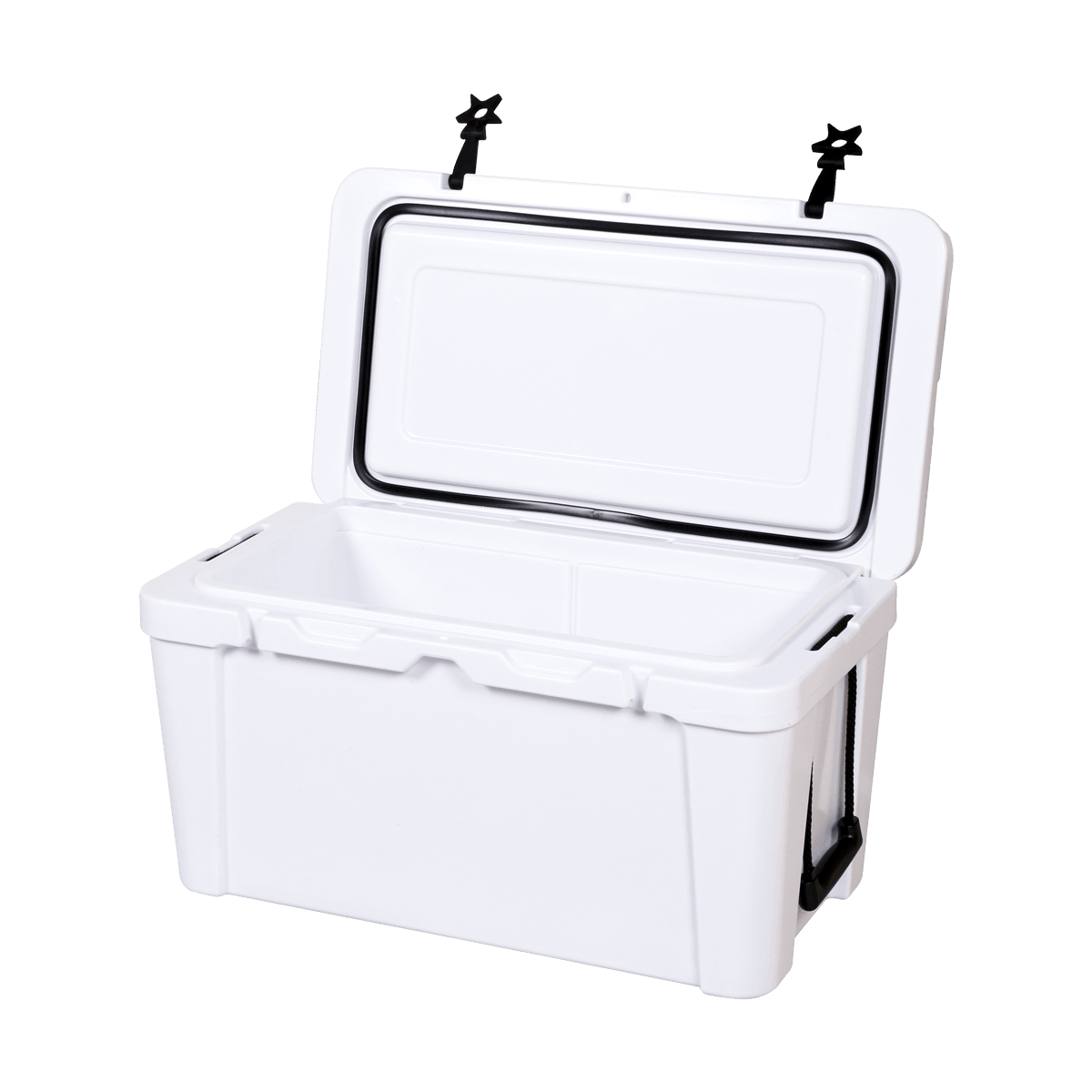
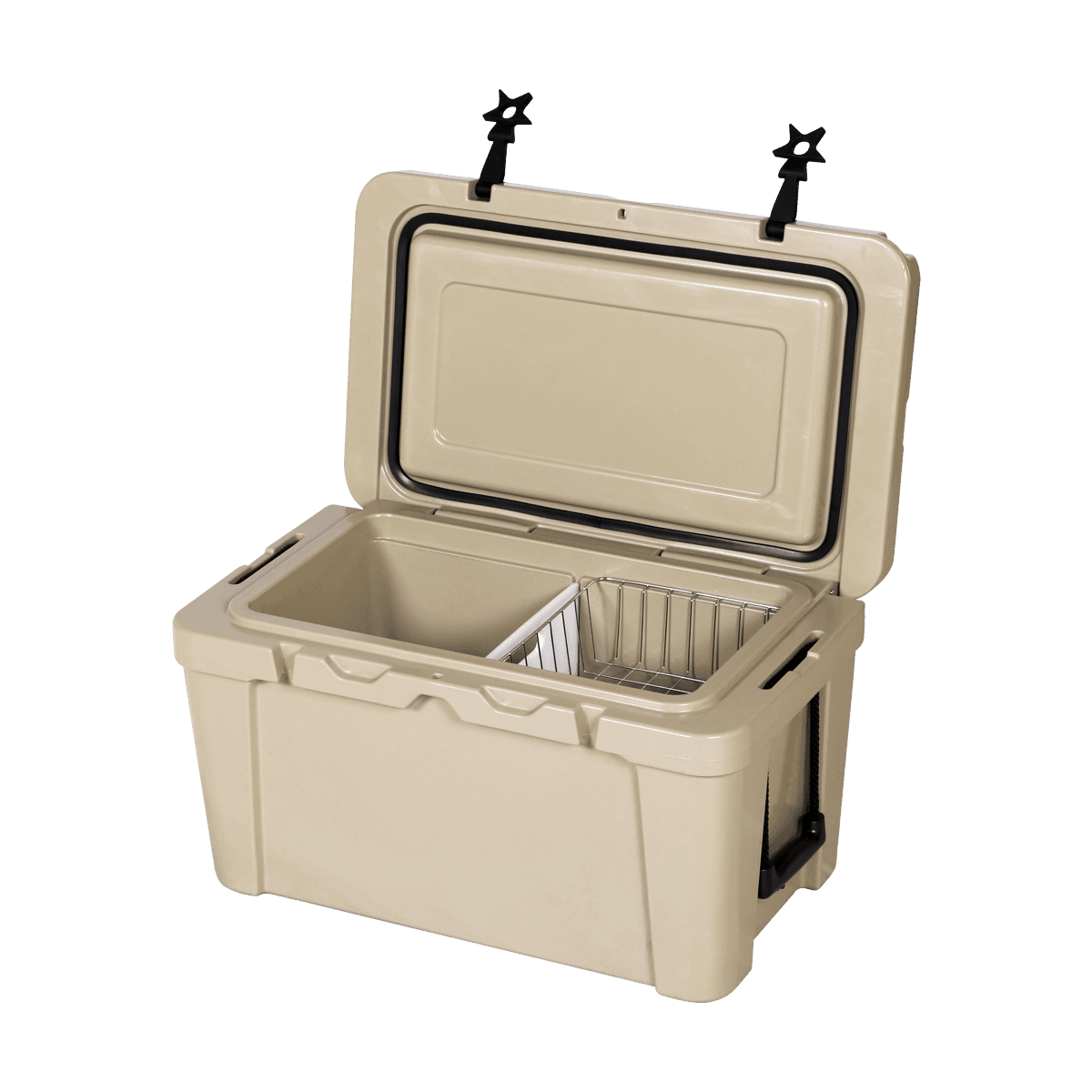
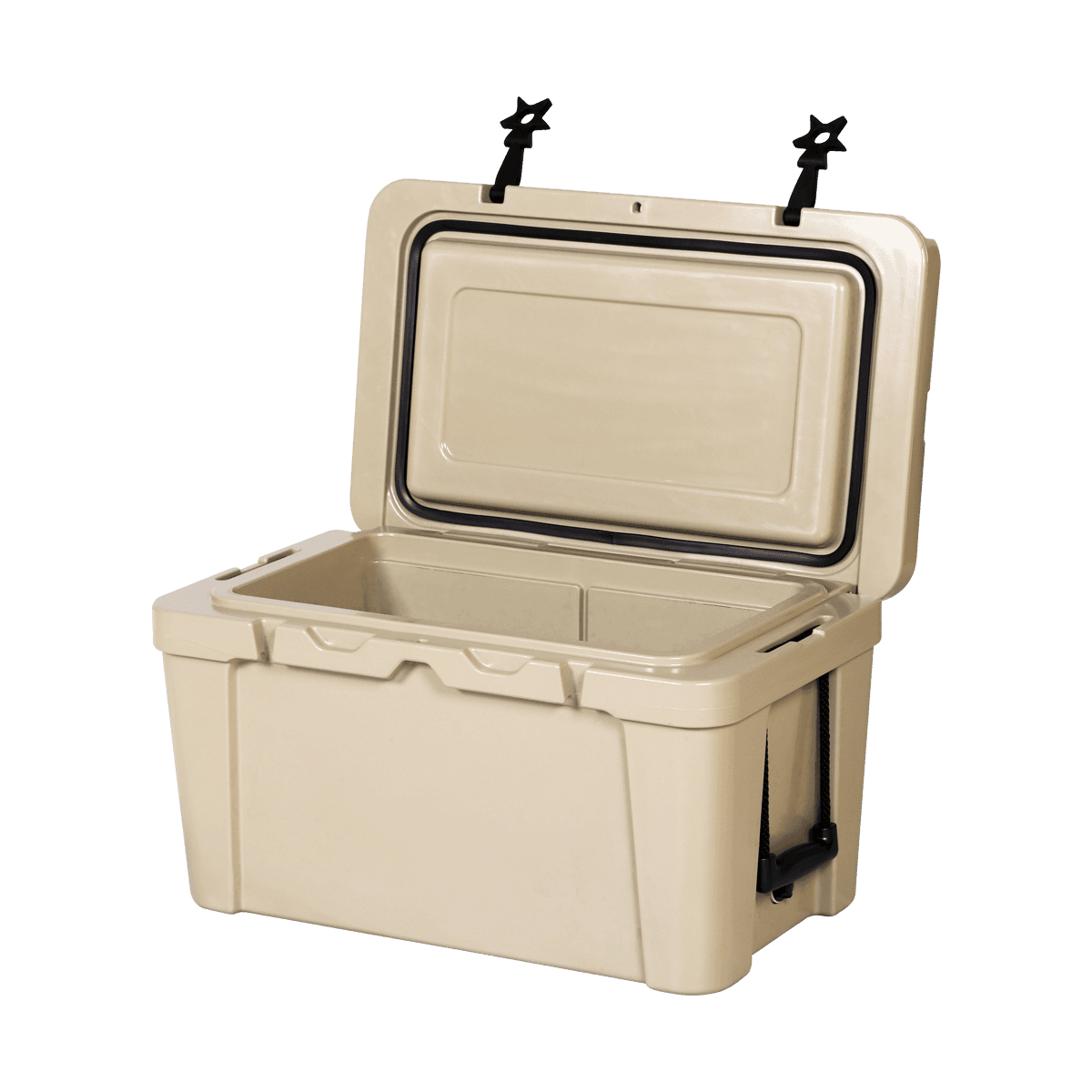
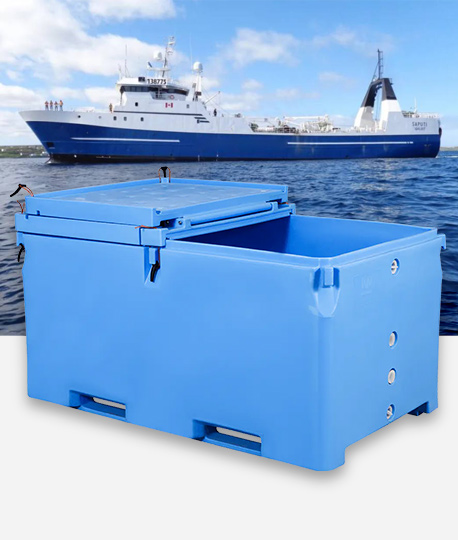
Ice cooler containers are a critical component in the transportation and storage of perishable food and beverage products. From fresh produce and dairy to frozen foods and beverages, maintaining a stable temperature throughout the supply chain is essential to prevent spoilage, retain nutritional value, and ensure product safety. These containers offer a portable, insulated, and reliable solution for temperature-controlled logistics, especially when conventional refrigeration systems are unavailable or impractical. Businesses across the food, beverage, and catering industries rely on ice cooler containers to ensure that products reach consumers in optimal condition.
1. Maintaining Food Safety and Quality
The primary function of ice cooler containers is to protect temperature-sensitive products from environmental fluctuations. Perishable foods such as meat, seafood, dairy, fruits, and ready-to-eat meals are highly sensitive to heat, and even brief exposure to elevated temperatures can lead to microbial growth, spoilage, or chemical degradation. Ice cooler containers provide a controlled thermal environment, reducing the risk of foodborne illnesses and maintaining product quality throughout the transportation process.
High-quality ice cooler containers incorporate advanced insulation materials, including polyurethane foam, vacuum panels, or composite laminates. These materials create an effective barrier against heat transfer, slowing down the warming or cooling of the interior. Some containers also allow the use of ice packs, gel packs, or dry ice to enhance cooling duration. This combination of insulation and active cooling elements ensures that products remain within their ideal temperature range, preserving texture, flavor, nutritional content, and safety.
Furthermore, ice cooler containers reduce the reliance on powered refrigeration during short-term storage or transport, which is particularly useful for outdoor events, last-mile delivery, or remote locations. By providing passive cooling protection, these containers ensure that perishable goods remain safe and high-quality from the point of origin to the end consumer.
2. Extending Shelf Life
Temperature fluctuations directly impact the shelf life of perishable products. Even minor deviations in storage conditions can accelerate enzymatic reactions, chemical changes, or microbial proliferation, reducing product usability and leading to potential financial loss. Ice cooler containers help maintain a consistent internal environment, slowing down these processes and extending the product’s usable life.
For food and beverage items, extended shelf life translates into higher quality for the consumer and lower waste for the manufacturer or retailer. For example, dairy products stored within ice cooler containers retain freshness longer, fruits and vegetables maintain firmness and nutritional content, and frozen goods experience reduced ice crystal formation, which preserves texture. For beverages like juices, wines, or craft beers, stable temperature conditions prevent flavor degradation and carbonation loss, ensuring the product reaches the consumer in optimal condition.
By minimizing temperature-induced spoilage, ice cooler containers support efficient supply chain operations, allowing businesses to transport goods over longer distances, consolidate shipments, and reduce losses due to expired or damaged products.
3. Supporting Regulatory Compliance
Food and beverage transport is governed by strict safety regulations to ensure public health. Compliance with guidelines such as HACCP, FDA, ISO 22000, and local cold chain regulations is mandatory for businesses handling perishable products. Non-compliance can result in penalties, product recalls, or reputational damage.
Ice cooler containers play a key role in maintaining regulatory compliance. By providing stable thermal environments, they reduce the risk of temperature deviations that could compromise product safety. Many containers are designed to accommodate temperature monitoring devices, including thermometers, data loggers, and IoT-enabled sensors, allowing businesses to continuously track conditions throughout transport. This ensures traceability and accountability, both of which are critical for audits, certifications, and customer assurance.
Key Benefits of Ice Cooler Containers for Regulatory Compliance and Product Safety
| Benefit | Description | Example Application |
|---|---|---|
| Thermal Protection | Maintains stable internal temperature | Dairy, seafood, frozen foods |
| Traceability | Enables continuous temperature monitoring | Cold chain pharmaceuticals |
| Compliance Support | Meets HACCP, FDA, ISO 22000 standards | Food and beverage industry |
| Reduced Spoilage | Minimizes microbial growth and chemical degradation | Fruits, vegetables, ready-to-eat meals |
| Extended Storage/Transit Time | Ensures product stability during transport | Long-distance food deliveries |
4. Enabling Flexible and Efficient Logistics
Ice cooler containers improve logistics flexibility and supply chain efficiency. They allow perishable goods to be transported over longer distances without relying on continuous active refrigeration, which can be costly and logistically challenging. These containers are especially useful for last-mile delivery, outdoor events, catering services, and rural or remote locations, where traditional refrigeration is unavailable.
By providing consistent thermal protection, ice cooler containers allow businesses to consolidate shipments, reduce transportation frequency, and optimize vehicle utilization. Their portable and stackable designs enhance warehouse and transport efficiency. Moreover, by reducing dependence on powered cooling equipment, ice cooler containers also contribute to energy savings and lower carbon footprints, aligning with sustainability goals.
Flexible logistics enabled by ice cooler containers also help companies meet customer expectations for timely and safe delivery of perishable goods. This capability is particularly valuable in e-commerce, food delivery services, and high-volume distribution networks, where maintaining product quality is paramount.
5. Reducing Waste and Financial Loss
Inadequate temperature control during transport can lead to significant financial losses due to spoilage and product damage. Ice cooler containers minimize these risks by maintaining stable temperatures, protecting high-value perishable products, and reducing waste.
For industries dealing with seafood, dairy, frozen goods, or specialty beverages, even minor temperature deviations can render products unsellable. Ice cooler containers preserve quality throughout storage and transport, ensuring that products reach their destination safe, fresh, and ready for sale.
By reducing spoilage and waste, these containers not only save costs but also support environmental sustainability, as fewer discarded products result in less landfill waste and resource consumption. Businesses gain both economic and ecological benefits by incorporating ice cooler containers into their cold chain operations.
FAQ
Q1: What materials are commonly used for ice cooler containers?
A1: Polyurethane foam, vacuum panels, polyethylene, and composite laminates are widely used due to their excellent insulation and durability.
Q2: How long can ice cooler containers maintain temperature without external cooling?
A2: Depending on insulation quality and environmental conditions, containers can maintain safe temperatures for 12–72 hours.
Q3: Can ice cooler containers handle both refrigerated and frozen products?
A3: Yes, high-quality containers can maintain stable conditions for both cold and frozen items.
Q4: Are ice cooler containers compatible with temperature monitoring devices?
A4: Yes, most containers can accommodate thermometers, data loggers, or IoT sensors for real-time monitoring and traceability.
Q5: How should ice cooler containers be cleaned and maintained?
A5: Regular cleaning with mild detergents, inspection of seals, and checking insulation panels ensures optimal performance and longevity.
References
- FDA, Food Safety Modernization Act (FSMA) Guidelines, 2019.
- HACCP International, Temperature Control Guidelines for Food Transport, 2020.
- ISO 22000, Food Safety Management Systems, 2018.
- Smith, J., Cold Chain Logistics and Thermal Insulation Technology, Elsevier, 2017.
- WHO, Guidelines on Safe Transport of Perishable Foods, 2018.
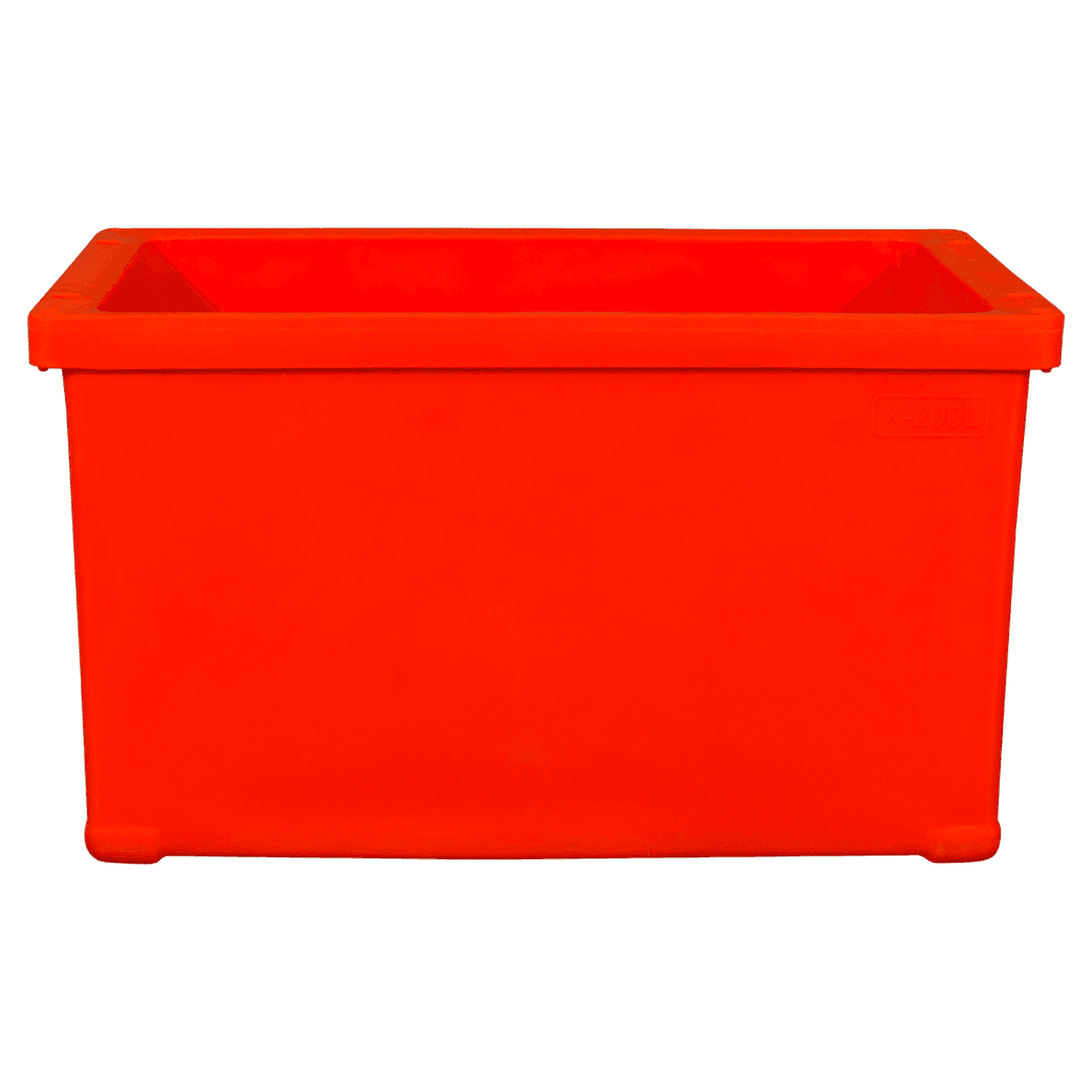
-4.png "X-120L Insulated Fish Bin Ice Cooler Box")
-4.png "X-70L Insulated Fishing Ice Cooler Box")
-2.png "X-68L Ice Cooler Box To Keep Food Cold And Fresh")
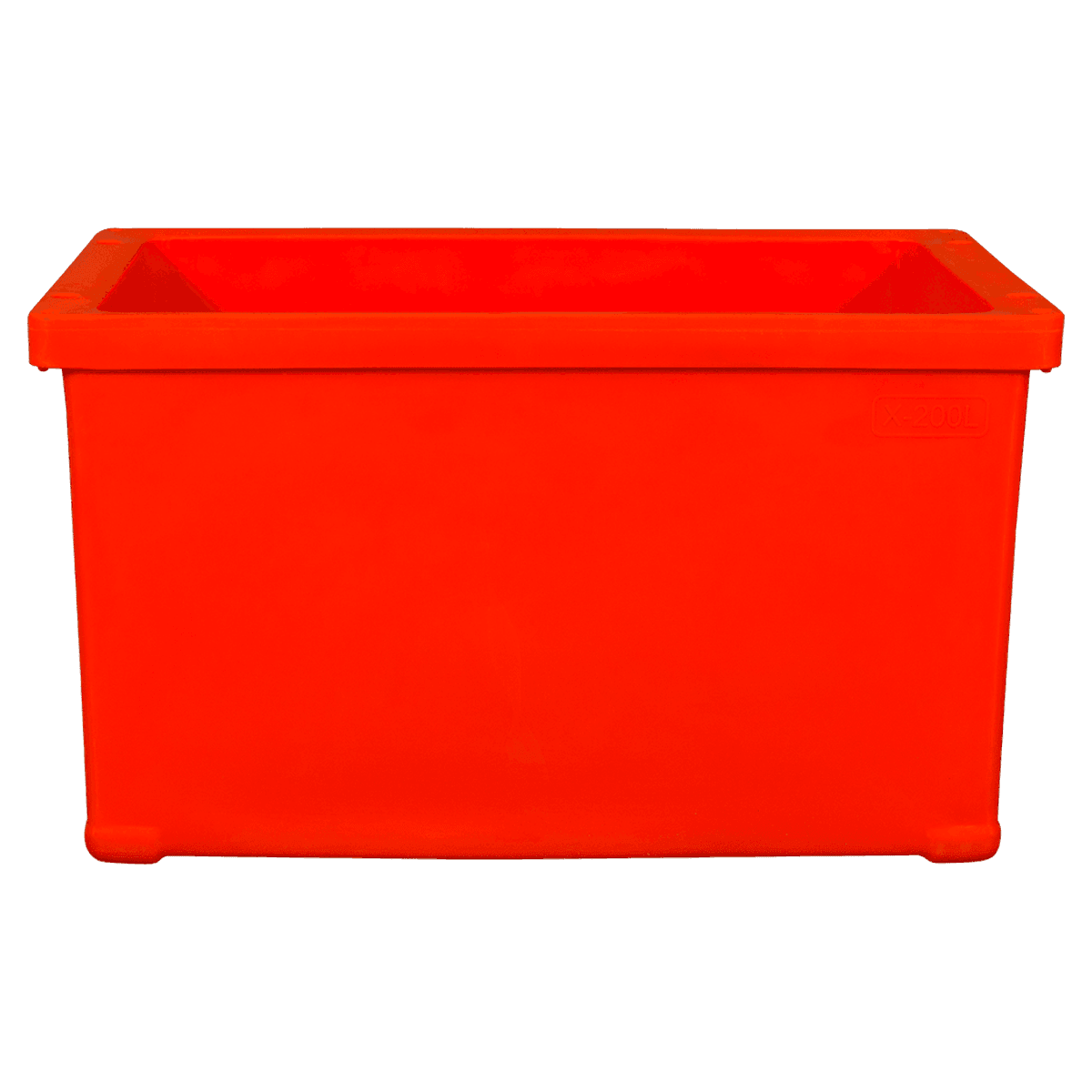
-2.png "X-120L Live Seafood Transportation Tanks")
-2.png "X-70L Live Seafood Transportation Tanks")