English
 Español
 عربى
عربى 中文简体
中文简体Content
- 1 The Short Answer: Size and Insulation Are Everything
- 2 Understanding Cooler Sizing: From 16 Qt to 100+ Qt
- 3 Top Ice Cooler Containers for Week-Long Camping Trips
- 4 What to Look for in a Premium Tailgating Cooler vs. a Camping Cooler
- 5 Specialty Use Case: Cooler Size for Elk Quarters and Big Game Hunting
- 6 The 12x10 Cooler: When Compact Dimensions Make Sense
- 7 Maximizing Ice Retention: Tips That Work Regardless of Brand
- 8 Hard-Sided vs. Soft-Sided Ice Cooler Containers: Which Wins for 7 Days?
- 9 How to Pack Your Ice Cooler Container for Maximum Efficiency
- 10 Our Top Pick for a 7-Day Camping Trip
For a 7-day camping trip, a 65–75 qt hard-sided rotomolded ice cooler container is your best bet — it holds enough food and ice for 2–4 people and can maintain temperatures below 40°F for 5 to 10 days, depending on conditions and usage habits.
The Short Answer: Size and Insulation Are Everything
When it comes to a week-long camping trip, two factors dominate the decision: cooler size and insulation quality. A 20 qt cooler size is fine for a solo day hike, but it falls dramatically short for multi-day excursions. For a group of 2–4 people spending 7 days in the wilderness, you need a minimum of 50 qt to 75 qt of usable storage space.
The rule of thumb most seasoned campers follow: plan for approximately 2 lbs of ice and 1.5 lbs of food per person per day. For 4 people over 7 days, that's roughly 56 lbs of ice and 42 lbs of food — a total of nearly 100 lbs of content. This means you need a cooler with a gross capacity of at least 65 qt to 80 qt to comfortably fit everything.
Insulation is equally critical. Budget coolers made with thin foam insulation can barely keep ice for 24–48 hours. Premium rotomolded coolers with 2–3 inches of polyurethane foam insulation can maintain ice retention for 5–10 days, making them the clear winner for week-long trips.
Understanding Cooler Sizing: From 16 Qt to 100+ Qt
Cooler sizing can be confusing, especially when brands use different measurement conventions. Here's a quick breakdown of what the major size categories mean in practice:
How Big Is a 16 Qt Cooler?
A 16 qt cooler size is roughly the equivalent of a small backpack — capable of holding about 22 standard 12-oz cans or a modest amount of food for one person for 1–2 days. The typical physical dimensions of a 16 qt cooler size are around 17" x 10" x 10", making it very portable but unsuitable for extended group trips. If you're going solo for a single overnight, it works. For anything longer, you need to scale up significantly.
20 Qt Cooler Size
A 20 qt cooler size steps up slightly — holding approximately 27–30 cans — but is still primarily a personal-use option. It's great for a solo 2–3 day trip but impractical for a week. Many campers use a 20 qt cooler size as a secondary cooler for drinks while reserving a larger unit for food storage.
50 Qt Cooler Size
The 50 qt cooler size is considered the sweet spot for 2-person week-long trips or 3–4 person weekend trips. It can hold approximately 70–80 cans or a combination of food and ice sufficient for a small group over several days. It's heavy when full (often 60–70 lbs), but still manageable with two people. This is one of the most popular cooler sizing categories among car campers.
65 Qt – 75 Qt: The Week-Long Sweet Spot
For most 4-person, 7-day camping trips, a 65–75 qt ice cooler container hits the ideal balance of capacity and portability. You get enough space for a full week of food plus substantial ice, without the container becoming impossibly heavy or large to transport.
| Cooler Size | Can Capacity | Best For | Trip Length |
|---|---|---|---|
| 16 qt | ~22 cans | Solo day trip | 1–2 days |
| 20 qt | ~27 cans | Solo/duo short trip | 2–3 days |
| 50 qt | ~70 cans | 2–4 person weekend | 3–5 days |
| 65–75 qt | ~95–105 cans | 2–4 person week trip | 5–8 days |
| 100+ qt | 140+ cans | Large group / hunting | 7+ days |
Top Ice Cooler Containers for Week-Long Camping Trips
Here are the top-performing ice cooler containers broken down by category, each excelling in different scenarios.
Best Overall: YETI Tundra 65
The YETI Tundra 65 remains one of the most trusted rotomolded ice cooler containers on the market. With 2 inches of PermaFrost insulation and a pressure-injected foam design, it consistently holds ice for 5–7 days in real-world conditions. Dimensions are approximately 30.5" x 17.25" x 16" with an empty weight of 23 lbs. It's rated bear-resistant when used with YETI security cables, which matters for backcountry camping. Price point hovers around $350–$400.
Best Value: RTIC 65 Hard Cooler
For budget-conscious campers, the RTIC 65 delivers comparable insulation performance at roughly half the price (~$170–$200). It uses 3 inches of polyurethane foam insulation and boasts ice retention of up to 5 days. The gasket seal is slightly less robust than premium models, but for most camping trips it performs admirably. It weighs about 26 lbs empty, making it a bit heavier than the YETI equivalent for the same capacity.
Best Premium Option: ORCA Cooler
ORCA cooler sizes range from 20 qt all the way to 140 qt, and the brand is well-regarded for its lifetime warranty and USA manufacturing. ORCA cooler sizes in the 58 qt and 75 qt range are particularly well-suited for week-long trips. ORCA's unique straight-wall design maximizes internal space relative to the external footprint compared to many competitors. The insulation in ORCA cooler sizes uses a similar 2–3 inch foam injection method, achieving ice retention of 7–10 days in ideal conditions. They retail for $300–$450 depending on ORCA cooler sizes selected.
Best Lifestyle Brand Option: Eddie Bauer Cooler
The Eddie Bauer cooler line bridges the gap between lifestyle branding and genuine outdoor performance. While not as technically advanced as YETI or ORCA, the Eddie Bauer cooler offers solid insulation in the 48–65 qt range with a more accessible price point around $150–$250. The Eddie Bauer cooler is available in multiple colorways and tends to appeal to casual campers and glampers who want reliable performance without investing in ultra-premium gear. Ice retention is typically rated at 3–5 days, making an Eddie Bauer cooler a reasonable choice for shorter week-long trips in cooler climates.
Best Budget Pick: Waterworld Cooler
The waterworld cooler size lineup targets recreational users who need a functional cooler without a high price tag. Waterworld cooler size options generally start around 28 qt and go up to 65 qt. Performance is adequate for weekend trips, but the waterworld cooler size construction typically uses thinner insulation layers (around 1–1.5 inches), which limits ice retention to 2–3 days. If you're camping in a cool environment or have access to ice resupply, a waterworld cooler size unit could still serve a week-long trip reasonably well.
| Brand / Model | Best Size for 7 Days | Ice Retention | Approx. Price | Best For |
|---|---|---|---|---|
| YETI Tundra 65 | 65 qt | 5–7 days | $350–$400 | Premium reliability |
| ORCA 75 Qt | 75 qt | 7–10 days | $400–$450 | Max ice retention |
| RTIC 65 | 65 qt | 4–5 days | $170–$200 | Best value |
| Eddie Bauer Cooler | 55–65 qt | 3–5 days | $150–$250 | Casual campers |
| Waterworld Cooler | 55–65 qt | 2–3 days | $80–$130 | Budget / cool climates |
What to Look for in a Premium Tailgating Cooler vs. a Camping Cooler
Understanding what to look for in a premium tailgating cooler versus a backcountry camping cooler reveals some important differences. While both benefit from excellent insulation, the use cases diverge significantly in several key areas.
When researching what to look for in a premium tailgating cooler, you'll find the priorities are often quick access, can-holding capacity, and sometimes even integrated cup holders or bottle openers. For camping, you're prioritizing long-term ice retention, durability on rough terrain, and food-safe storage.
Key Features to Evaluate
- Insulation Thickness: Look for at least 2 inches of polyurethane foam. Premium models offer 2.5–3 inches.
- Gasket Seal Quality: A tight rubber gasket prevents warm air infiltration and is one of the biggest performance differentiators.
- Drain Plug Location: A recessed or elevated drain plug lets you fully drain the cooler without tilting it.
- Latching System: Robust latches that stay closed over bumpy roads and trails — many budget models fail here.
- Handle Design: Rope or rubber handles that are easy to grip even with wet hands, and strong enough to carry a fully loaded 70+ lb cooler.
- UV Resistance: The lid and body should resist UV degradation — prolonged sun exposure cracks inferior plastic.
- Interior Material: Food-grade, non-absorbent liners are essential for food safety in warm conditions.
- Bear Certification: If camping in bear country, look for IGBC-certified models that can be paired with security cables.
Specialty Use Case: Cooler Size for Elk Quarters and Big Game Hunting
Hunters have unique and demanding requirements when selecting an ice cooler container. Choosing the right cooler size for elk quarters is a critical decision that can mean the difference between preserving hundreds of pounds of meat and losing a season's harvest to spoilage.
An average adult elk yields approximately 200–220 lbs of boneless meat. When broken down into quarters, each quarter can weigh 50–80 lbs. To properly store a boned-out elk, most hunters use two 150 qt or 165 qt coolers, or three 100 qt units — packing each layer of meat with ample ice and pre-chilling the cooler before loading.
The cooler size for elk quarters should allow for a 2:1 ice-to-meat ratio by weight, especially if the haul-out period extends beyond 48 hours. Poorly insulated coolers simply cannot maintain safe meat temperatures (below 40°F) in warm September or October conditions, regardless of ice volume.
Recommended Coolers for Big Game Storage
- YETI Tundra 110 or 160: Ideal cooler size for elk quarters split across two units; exceptional ice retention of 7–10 days.
- ORCA 140 Qt: One of the largest ORCA cooler sizes available; can fit one boned-out elk with room to spare if packed efficiently.
- Grizzly 165 Qt: A popular choice among elk hunters for its rugged construction and massive capacity.
- Cabela's Polar Cap 120 Qt: More affordable than YETI at this size and a reliable cooler size for elk quarters with adequate ice layering.
For deer or smaller game, a single 65–75 qt cooler handles the job effectively, which is why the same size range ideal for camping also works for whitetail deer hunters.
The 12x10 Cooler: When Compact Dimensions Make Sense
Not everyone needs a massive container. The 12x10 cooler (referring to approximate interior dimensions of 12 inches by 10 inches) is a compact format typically falling in the 16–24 qt range. A 12x10 cooler is well-suited for:
- Office lunch coolers or commuter use
- Day hikes or half-day fishing trips
- Secondary beverage cooler alongside a larger primary unit
- Children's school lunch storage in warmer climates
The 12x10 cooler is not appropriate as a primary cooler for multi-day camping. However, when paired with a 65+ qt main cooler, a compact 12x10 cooler as a grab-and-go snack or beverage unit significantly reduces how often you open the main cooler — which in turn dramatically improves overall ice retention by keeping the main container sealed as much as possible.
Maximizing Ice Retention: Tips That Work Regardless of Brand
Even the best ice cooler container will underperform if misused. These evidence-backed strategies can extend ice life by 30–50% regardless of which model you choose:
Pre-Chill the Cooler
A cooler at room temperature (72°F) will immediately begin absorbing heat from your ice when you load it. Pre-chill for 12–24 hours using a "sacrifice" bag of cheap ice before packing with your real ice and food. This single step can add 1–2 extra days of ice retention.
Use Block Ice Instead of Cubed Ice
Block ice melts significantly slower than cubed ice due to its lower surface area-to-volume ratio. A 10 lb block lasts approximately 2–3x longer than the equivalent weight in cubed ice. For long camping trips, use a combination: blocks on the bottom for longevity, cubes on top for filling gaps.
Keep the Cooler Out of Direct Sunlight
A cooler sitting in direct sun can see external surface temperatures exceeding 120°F on a hot day. Even with premium insulation, this significantly accelerates ice melt. Store the cooler in shade — under a tarp, in a vehicle, or in the shadow of a tree. Studies show a shaded cooler retains ice up to 50% longer than one in direct sun.
Minimize Lid Opens
Each time you open the lid, you replace cold air with warm ambient air. Organize your cooler so frequently accessed items (snacks, drinks) are on top. Better yet, use a secondary compact cooler — like a 12x10 cooler or a 20 qt cooler size — for beverages and snacks, and keep the main cooler closed except for cooking-related access.
Pack Food Frozen When Possible
Frozen food acts as its own ice pack. Pre-freeze meats, stews, and other foods before the trip. This reduces the total amount of ice required and extends overall retention. Frozen food at 0°F needs to absorb a significant amount of energy before it even starts thawing, buying you valuable extra days.
Use a Reflective Cooler Cover or Blanket
Aftermarket reflective cooler covers or even a simple emergency Mylar blanket draped over the lid can reduce heat absorption from sunlight by up to 40%. This is an inexpensive upgrade that works with any brand of ice cooler container.
Hard-Sided vs. Soft-Sided Ice Cooler Containers: Which Wins for 7 Days?
Soft-sided coolers have improved dramatically in recent years, but for a full week-long camping trip, hard-sided rotomolded containers still win decisively in most head-to-head comparisons.
| Feature | Hard-Sided Rotomolded | Soft-Sided Insulated |
|---|---|---|
| Ice Retention (7 days) | Yes (with proper use) | Possible but unlikely |
| Portability | Heavy when full | Lightweight & flexible |
| Durability | Extremely durable | Fabric can tear |
| Bear Resistance | Certifiable | Not bear-resistant |
| Price | $170–$450+ | $80–$300 |
| Storage When Not in Use | Takes up space | Folds flat |
Soft-sided coolers are best used as day-trip companions or secondary beverage coolers. For a primary ice cooler container on a week-long camping trip, the hard-sided format is the professional choice.
How to Pack Your Ice Cooler Container for Maximum Efficiency
Packing strategy can be just as impactful as cooler quality. Follow this layer-by-layer method used by professional camp guides and wilderness outfitters:
- Bottom Layer — Block Ice: Place one or two large ice blocks on the bottom. Cold sinks, so this creates a cold foundation that chills everything above it.
- Second Layer — Frozen Meats and Dense Foods: Pack your heaviest, coldest items next. These act as secondary ice packs. Vacuum-sealed frozen meats are ideal.
- Third Layer — Cubed Ice Fill: Pour cubed ice to fill all gaps and air pockets around the food. Air gaps are thermal dead zones that accelerate melting.
- Fourth Layer — Dairy, Produce, and Beverages: Items you'll access daily go here. Label items clearly to minimize search time (and lid-open time).
- Top Layer — More Cubed Ice + Barrier: Finish with a final layer of ice. A thin foam sheet or folded newspaper on top of the ice provides an additional insulation barrier just inside the lid.
Avoid packing room-temperature food directly into the cooler — it warms the interior rapidly. Chill everything in your home refrigerator for at least 24 hours before loading the cooler.
Our Top Pick for a 7-Day Camping Trip
After weighing capacity, performance, durability, and value across all the options — including ORCA cooler sizes, the Eddie Bauer cooler lineup, budget picks in the waterworld cooler size range, and considerations for the cooler size for elk quarters — our overall recommendation for a week-long camping trip comes down to this:
Best all-around pick: YETI Tundra 65 (~$375) — proven ice retention, bear-resistance compatibility, durable rotomolded construction, and a size that works for 2–4 people over 7 days without being unmanageably large.
Best value pick: RTIC 65 (~$185) — delivers 80–90% of YETI's performance at half the cost, ideal for campers who want premium results without the premium price.
Best for hunters needing a cooler size for elk quarters: ORCA 140 Qt (~$450) — the largest ORCA cooler sizes available, built for maximum game storage with industry-leading ice retention.
Whatever ice cooler container you choose, remember: the container is only half the equation. Pre-chilling, smart packing, shading, and minimizing lid-opens will do as much to extend your ice as upgrading from a mid-tier to a premium brand. Invest wisely, pack smartly, and your food stays cold for the entire trip.
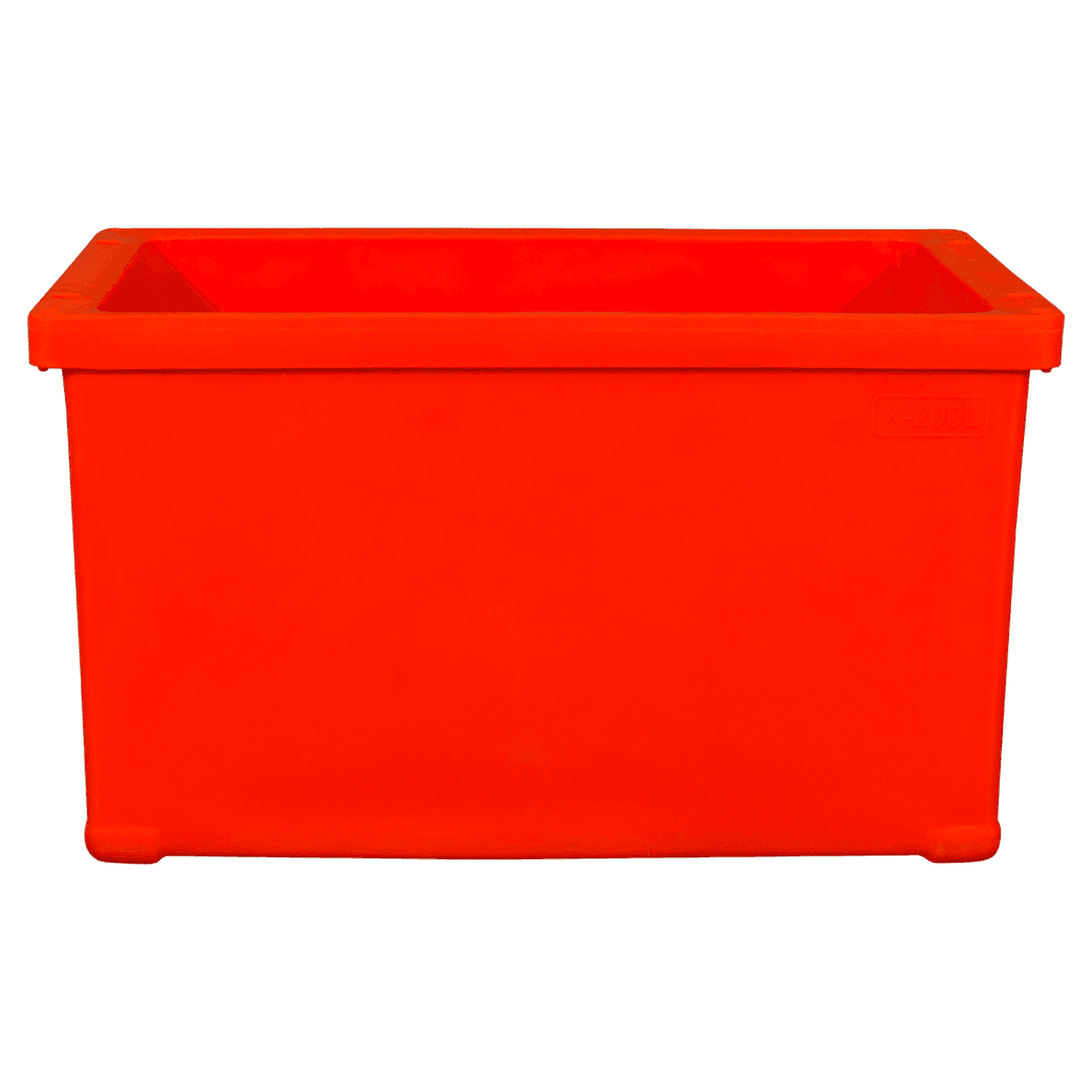
-4.png "X-120L Insulated Fish Bin Ice Cooler Box")
-4.png "X-70L Insulated Fishing Ice Cooler Box")
-2.png "X-68L Ice Cooler Box To Keep Food Cold And Fresh")
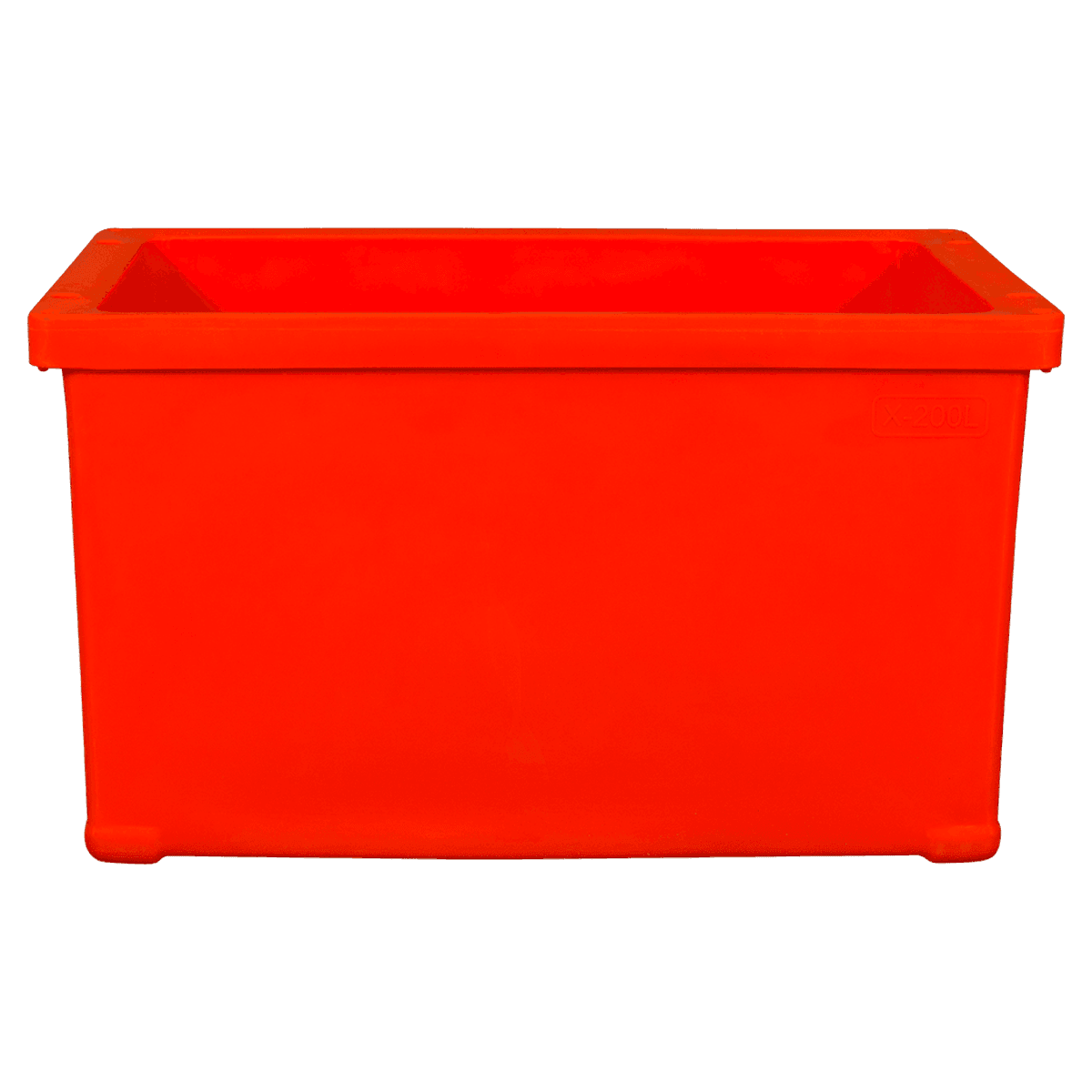
-2.png "X-120L Live Seafood Transportation Tanks")
-2.png "X-70L Live Seafood Transportation Tanks")