English
 Español
 عربى
عربى 中文简体
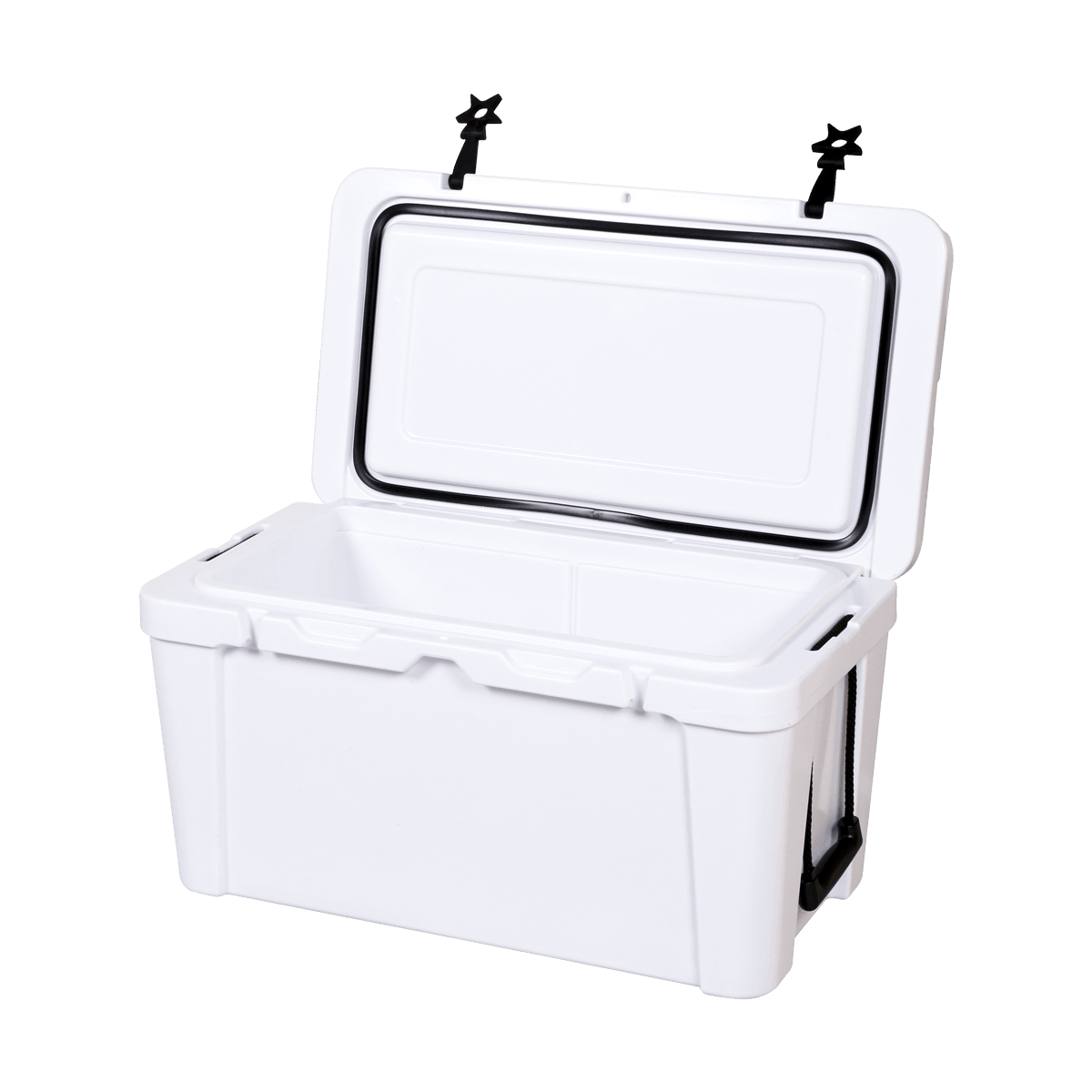
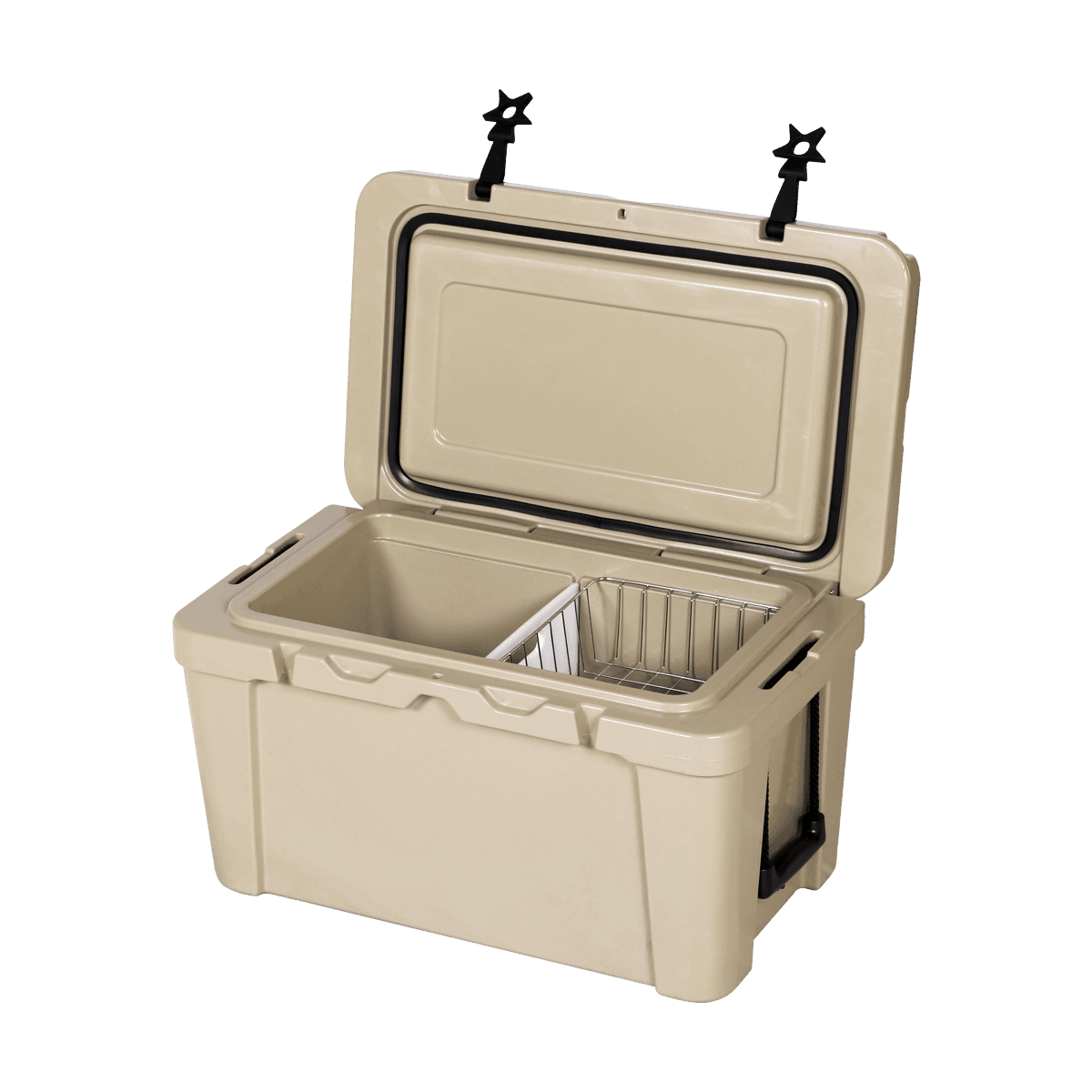
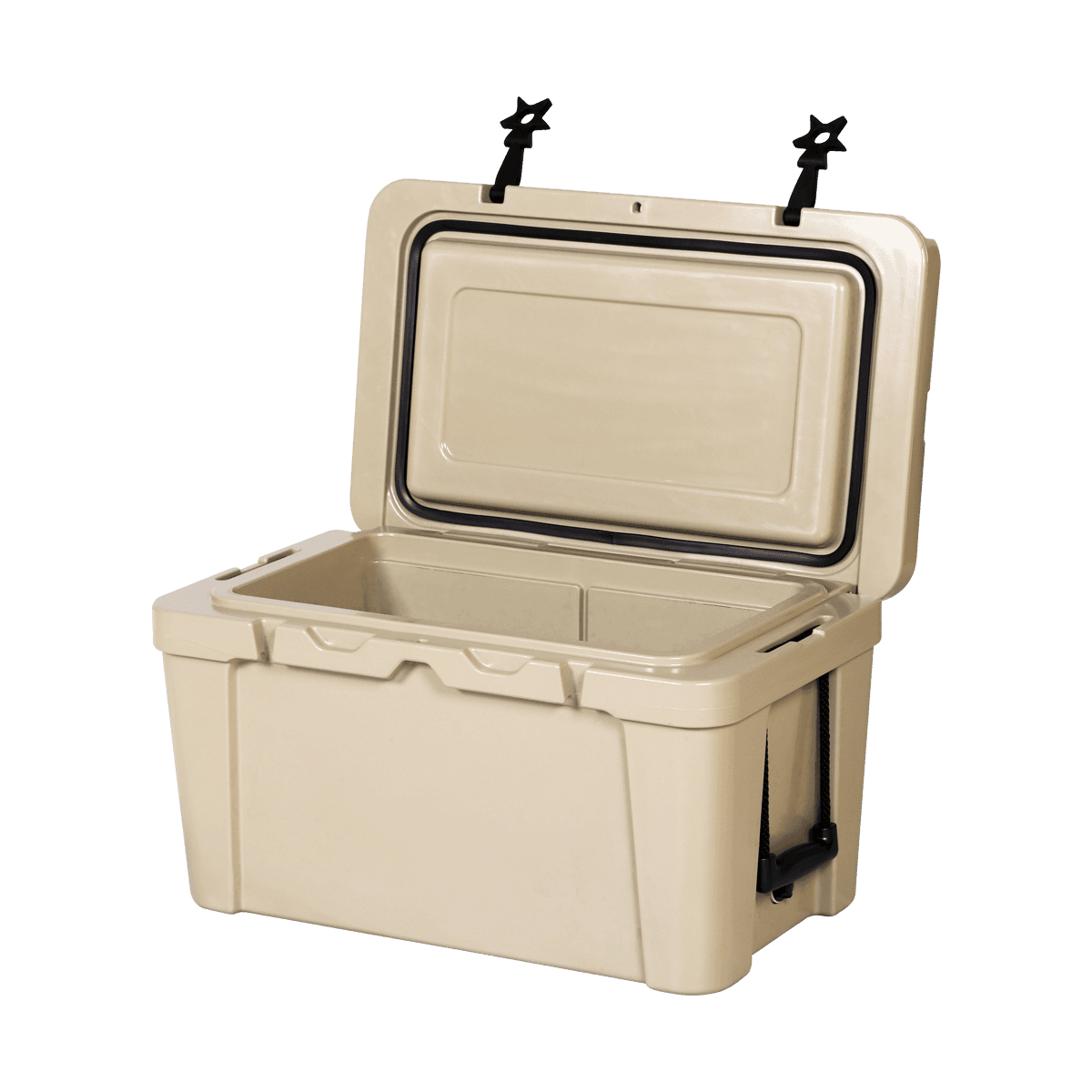
中文简体Choosing the right Ice Cooler Container size is a critical decision that directly affects convenience, cooling performance, and overall outdoor experience. Whether you are heading out for a weekend camping trip, a full day of fishing, or a relaxing beach outing, cooler size determines how long your food and drinks stay cold, how easy the cooler is to transport, and how efficiently space is used.
For camping, cooler size depends largely on trip duration and the number of people. A small group on a 1–2 day trip can typically manage with a 20–30 quart ice cooler container, which fits beverages, simple meals, and ice while remaining compact. For family camping or trips lasting more than two days, a 40–75 quart cooler becomes essential. Larger coolers allow proper separation of raw food, cooked food, and drinks, which helps with hygiene and temperature control. Importantly, larger ice cooler containers also tend to have thicker insulation, improving ice retention over multiple days.
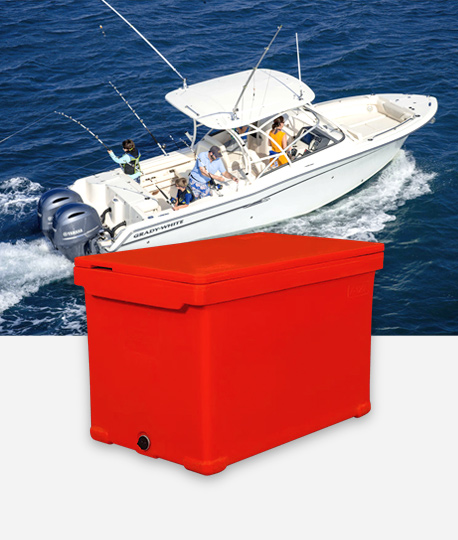
When it comes to fishing, cooler size serves a dual purpose: preserving drinks and storing bait or freshly caught fish. Kayak or shore anglers usually prefer 20–30 quart models due to weight and limited space. Boat fishing, however, often requires 50–100 quart ice cooler containers to safely store larger fish while maintaining food-grade temperatures. Drainage systems, internal volume depth, and lid strength become especially important in fishing scenarios.
For beach trips, portability and quick access matter more than long-term storage. A 15–25 quart ice cooler container is ideal for couples or solo users, while families often choose 30–40 quart models. In hot, sunny conditions, ice melts faster, so slightly oversizing the cooler helps maintain cold temperatures throughout the day. Wheeled designs are particularly practical for sandy environments.
Recommended Ice Cooler Container Sizes by Activity
| Activity Type | Recommended Size | Typical Use Case |
|---|---|---|
| Short camping (1–2 days) | 20–30 quarts | 1–2 people, light food & drinks |
| Weekend camping | 40–50 quarts | Small families, mixed food storage |
| Long camping trips | 60–75 quarts | 3+ days, large groups |
| Kayak / shore fishing | 20–30 quarts | Drinks, bait, small catch |
| Boat / deep-sea fishing | 50–100 quarts | Large fish, extended trips |
| Beach outings | 15–40 quarts | Drinks, snacks, high portability |
FAQ
Q1: Is a bigger ice cooler container always better?
Not necessarily. Larger coolers offer better ice retention but are heavier and harder to transport. Choosing the right size avoids wasted space and improves efficiency.
Q2: How much ice should I plan for my cooler?
A common rule is a 2:1 ratio of ice to contents for optimal cooling, especially in hot weather.
Q3: Does cooler size affect ice retention time?
Yes. Larger ice cooler containers usually have thicker insulation and retain ice longer when properly packed.
Q4: Are soft coolers suitable for camping or fishing?
Soft coolers are convenient for short trips but lack the insulation and durability needed for multi-day camping or serious fishing use.
References
- U.S. Food & Drug Administration (FDA) – Safe Food Storage Temperatures
- Outdoor Industry Association – Best Practices for Camping Food Storage
- NOAA Fisheries – Guidelines for Storing Fresh-Caught Fish
- ASTM International – Standards for Insulated Containers
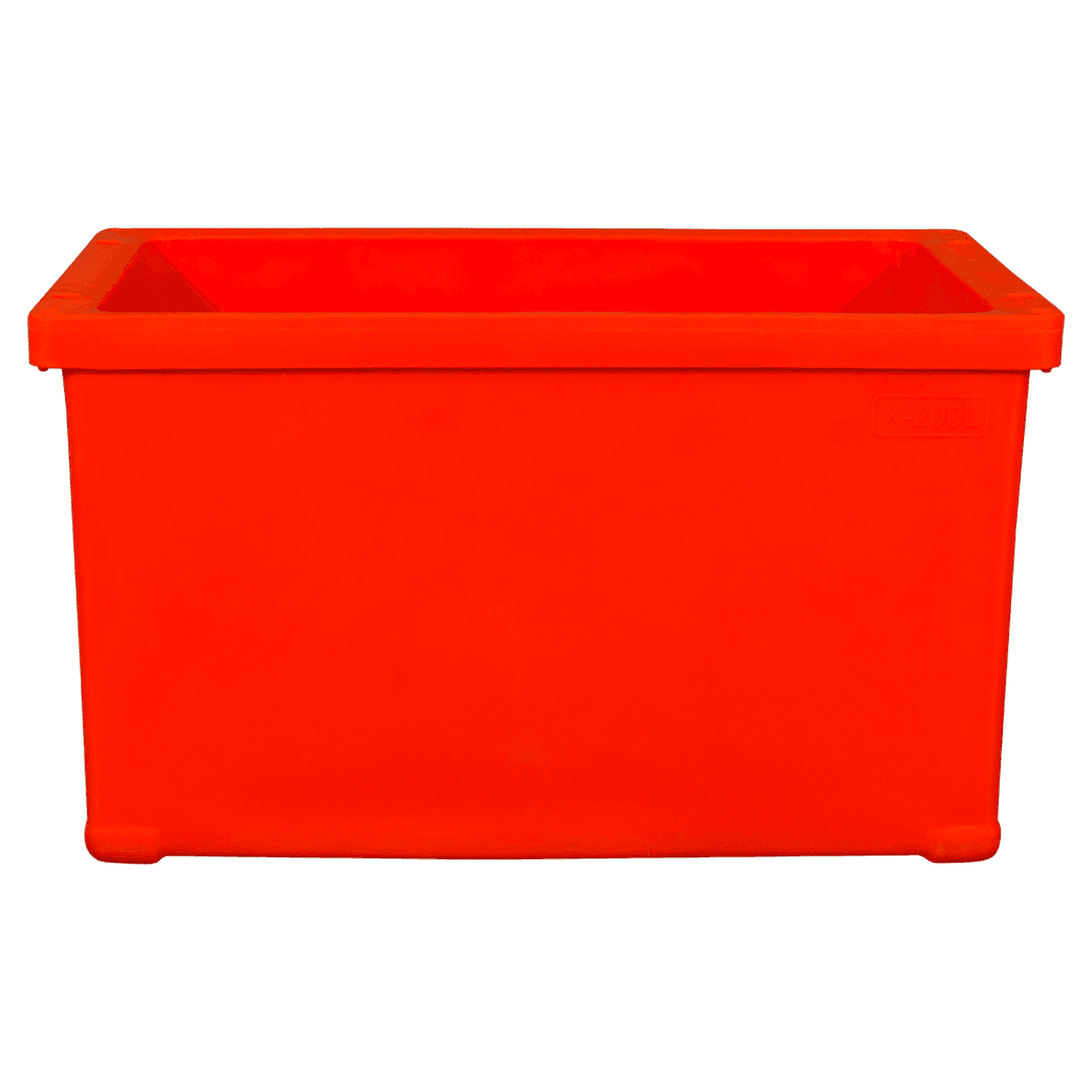
-4.png "X-120L Insulated Fish Bin Ice Cooler Box")
-4.png "X-70L Insulated Fishing Ice Cooler Box")
-2.png "X-68L Ice Cooler Box To Keep Food Cold And Fresh")
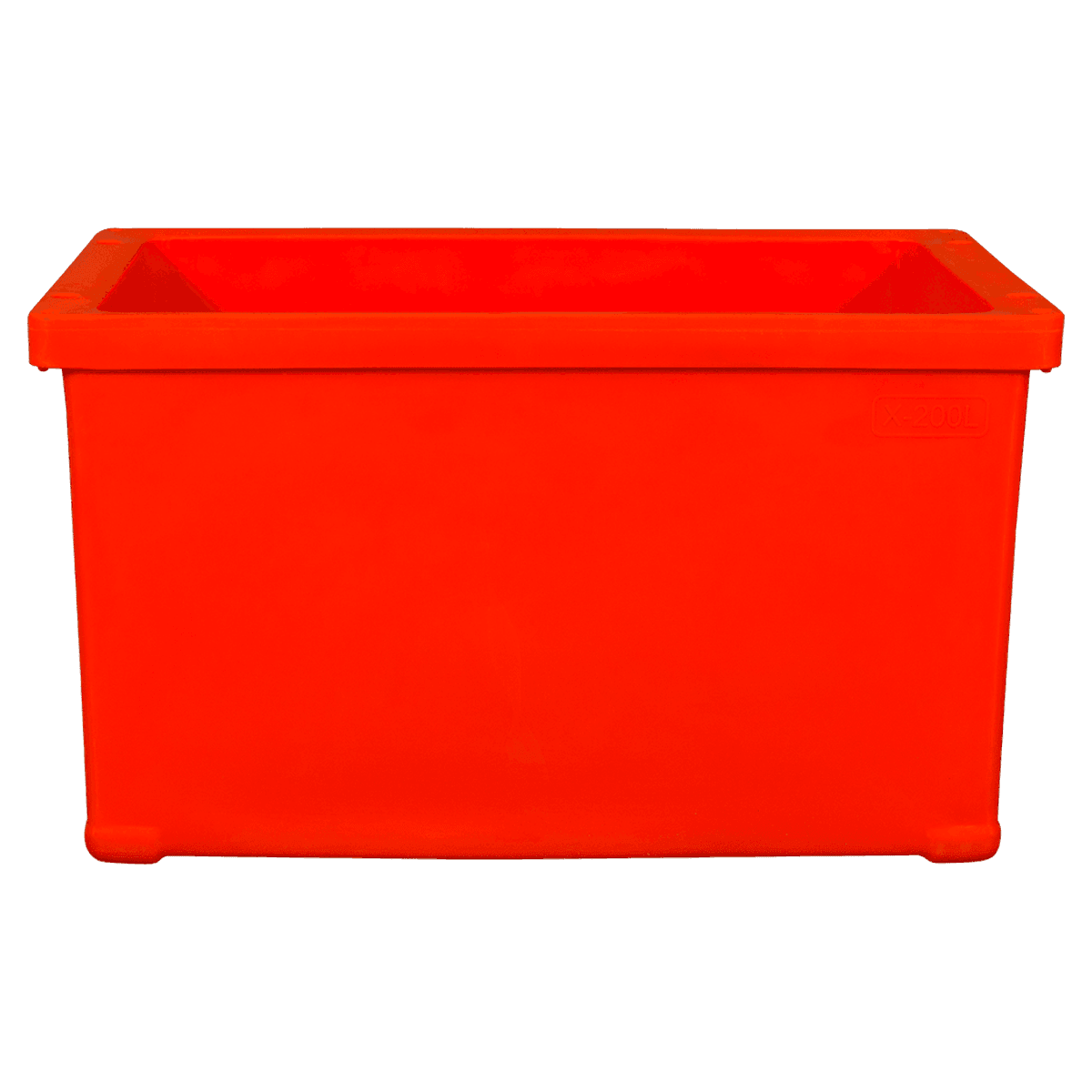
-2.png "X-120L Live Seafood Transportation Tanks")
-2.png "X-70L Live Seafood Transportation Tanks")