English
 Español
 عربى
عربى 中文简体
中文简体Content
- 1 How Big Is a 40 Quart Cooler—And Is It Enough?
- 2 What Is a 16 Quart Cooler Size Good For?
- 3 Differences Between Soft Coolers and Hard Coolers USA
- 4 The Picnic Scenario: What You Actually Need for a Family Day Out
- 5 The Camping Scenario: Two to Three Nights in the Wild
- 6 The Road Trip Scenario: Days on the Open Road
- 7 What Size Evaporative Cooler Do I Need—And Is It Even a Cooler?
- 8 Ice Types, Packing Strategy, and Getting the Most From Your Cooler
- 9 Budget vs. Premium: What Cooler Should a Family of Four Actually Buy?
- 10 Special Considerations: Kids, Dietary Needs, and Hot Climates
- 11 Final Recommendation: The Right Cooler Setup for Every Family Adventure
Whether you're packing up for a weekend campsite, heading out on a cross-country road trip, or simply organizing a backyard picnic, one question always comes up sooner or later: what size cooler for family of 4 is actually the right choice? The answer isn't one-size-fits-all, but there's a practical starting point: a 60- to 80-quart cooler is generally the sweet spot for a family of four on a 2–3 day outing. For day trips, a 40-quart cooler can work. For extended adventures lasting more than three days, you may want to go up to 100 quarts or pair two coolers together.
The Quick Answer: Cooler Size by Trip Length for a Family of Four
Before diving into the details, here's a fast reference table. If you're short on time, this is your cheat sheet. The general rule of thumb used by most outdoor gear experts is roughly 2 quarts of cooler space per person per day, plus an additional 20–30% buffer for ice volume (ice typically takes up about one-third of usable cooler space).
| Trip Type | Duration | Recommended Size | Notes |
|---|---|---|---|
| Day Picnic | 4–8 hours | 28–40 quarts | Soft cooler often sufficient |
| Weekend Camping | 2–3 days | 60–80 quarts | Hard cooler recommended |
| Road Trip | 3–5 days | 80–100 quarts | Consider two-cooler system |
| Extended Expedition | 5–7+ days | 100–150 quarts | Rotomolded cooler or electric option |
These numbers factor in food for four people (two adults, two children is the most common family-of-four configuration), beverages, condiments, and the ice needed to keep everything cold throughout the trip. Now let's unpack each scenario in detail.
How Big Is a 40 Quart Cooler—And Is It Enough?
Many shoppers default to the 40-quart size because it sounds substantial. But how big is a 40 quart cooler in real-world terms? A typical 40-quart hard-sided cooler measures approximately 24 inches long × 14 inches wide × 15 inches tall and weighs around 15–18 lbs empty. When filled with a 20/80 ratio of ice to food (a realistic packing scenario), you end up with usable food space of roughly 26–28 quarts—about the size of a large grocery bag.
What Fits in a 40-Quart Cooler?
To make this concrete, here's a realistic packing list for a 40-quart cooler on a family day trip:
- 1 full bag of ice (about 10 lbs)
- 8–12 cans of beverages (soda, juice boxes, sparkling water)
- 4 sandwiches or pre-made wraps
- Fruit, veggie snacks, dip containers
- Condiments (ketchup, mustard, mayo packets)
- 1 small block of cheese or deli meat pack
For a single day outing, a 40-quart cooler works reasonably well for four people. But if you're planning dinner at camp or packing for overnight, it quickly becomes cramped. A 40-quart cooler is best suited for family day trips and picnics, not multi-day camping or road trips.
How Big Is a 40 Quart Cooler Compared to Other Sizes?
Here's a side-by-side comparison of common cooler sizes to help you visualize scale. Understanding how big is a 40 quart cooler relative to alternatives helps you avoid undershooting or overshooting your needs.
| Capacity | Approx. Dimensions (L×W×H) | Can Capacity | Best For |
|---|---|---|---|
| 16 Quart | 17" × 10" × 12" | ~18 cans | Solo / Couple day trips |
| 40 Quart | 24" × 14" × 15" | ~42 cans | Family day trips |
| 65 Quart | 28" × 17" × 17" | ~68 cans | Weekend camping (family of 4) |
| 85 Quart | 33" × 17" × 18" | ~90 cans | Road trips / 4–5 day camping |
| 120 Quart | 38" × 18" × 20" | ~126 cans | Extended trips / basecamp |
What Is a 16 Quart Cooler Size Good For?
The 16 quart cooler size is the compact end of the spectrum, and it gets overlooked by families—but it has genuine uses. A 16-quart cooler typically measures about 17 inches long × 10 inches wide × 12 inches tall and holds roughly 18 cans with ice. That's not much for four people across a full day, but as a secondary "drinks cooler" or a snack cooler for kids, it punches above its weight.
Smart Uses for a 16-Quart Cooler in a Family of Four
- Kids' snack station: Keep juice boxes, string cheese, and apple slices separate from the main food cooler so children can access snacks without raiding the full-size unit.
- Medication storage: Insulin, certain allergy medications, or infant formula that needs temperature control.
- Beverage-only cooler on road trips: Pair with a larger 65–80 quart food cooler and let the small one ride in the back seat for easy grab-and-go drinks.
- Backpack hiking day trips: Lighter than a 40-quart, easier to carry on trails with young children in tow.
A 16-quart cooler should not be your primary cooler for a family of four on any trip longer than a few hours. But as a supplementary unit, it adds meaningful convenience without taking up much trunk space.
Differences Between Soft Coolers and Hard Coolers USA
One of the most important decisions you'll make is whether to go soft or hard. Understanding the core differences between soft coolers and hard coolers USA shoppers face will save you from buying the wrong product for your needs. Both categories have evolved significantly in recent years, and premium options exist in each camp.
Hard Coolers: Durability and Ice Retention
Hard-sided coolers are made from rigid polyethylene plastic or rotomolded construction. Rotomolded coolers—like those from YETI, Pelican, or Orca—use a single-piece molded shell with thick foam walls (typically 2–3 inches) that can keep ice for 5 to 10 days under ideal conditions. Standard injection-molded hard coolers (Coleman, Igloo) keep ice for 1–4 days depending on ambient temperature and how frequently the lid is opened.
- Pros: Superior ice retention, bear-resistant options available, can double as a seat or table, durable for rough terrain
- Cons: Heavy (a 65-quart rotomolded cooler can weigh 30+ lbs empty), bulky, more expensive
- Price range: $30–$80 for standard; $200–$500+ for rotomolded premium
Soft Coolers: Portability and Convenience
Soft-sided coolers use flexible insulated fabric walls—often TPU-lined with closed-cell foam insulation. High-end soft coolers from brands like YETI Hopper, Hydro Flask, or Engel Soft Pack can retain ice for 24–48 hours. Budget soft coolers typically manage 6–12 hours.
- Pros: Lightweight, packable, easy to carry with backpack-style straps, store flat when empty
- Cons: Less ice retention, not bear-resistant, can't be used as extra seating, puncture risk
- Price range: $20–$60 for standard; $150–$350 for premium
| Feature | Hard Cooler | Soft Cooler |
|---|---|---|
| Ice Retention | 1–10 days | 6 hours–2 days |
| Weight (empty) | 15–35 lbs | 2–8 lbs |
| Portability | Low–Medium | High |
| Durability | High | Medium |
| Bear Resistance | Some models | No |
| Best Use Case | Camping, road trips | Picnics, hiking, beach |
| Storage When Empty | Takes up space | Folds flat |
For a family of four, the most versatile setup is often a combination: a 65–80 quart hard cooler for food and a soft 20–30 quart cooler for daily drinks. This two-cooler approach minimizes the number of times you open the main food cooler, significantly extending ice life.
The Picnic Scenario: What You Actually Need for a Family Day Out
A standard family picnic—say, four to six hours at a park or beach—doesn't demand maximum ice retention or a massive cooler. The priority here is portability and enough cold space to keep food safe and refreshing. For picnics, the danger zone for perishable food begins at 40°F (4°C); food left above this temperature for more than two hours should be discarded.
Recommended Cooler for a Family Picnic
For a typical family picnic lasting under 8 hours, a 30–45 quart cooler is your sweet spot. A soft cooler in the 28–30 quart range is often ideal—it's light enough to carry to the picnic table and still holds enough for four people's lunch, snacks, and drinks.
Pack tip: Pre-chill your cooler for at least 30 minutes with a bag of ice before packing food. This lowers the interior temperature and dramatically improves ice retention. Using block ice instead of cube ice also extends cold time by 30–50%.
Sample Packing List for a Family Picnic (4 People)
- 4 sandwiches or wraps (stored in zip-lock bags)
- 2 bags of cut fruit or vegetable sticks
- 4 individual yogurt cups or cheese sticks
- 8 cans or bottles of beverages (water, juice, soda)
- 1 bag of ice (5–7 lbs)
- Dipping sauces or condiment packets
This list comfortably fits in a 40-quart cooler with room to spare. A 28–30 quart soft cooler works too if you skip the bulk beverages and rely on a separate water bottle for each family member.
The Camping Scenario: Two to Three Nights in the Wild
This is where cooler selection really matters. Weekend camping with a family of four means storing breakfast, lunch, dinner, and snacks for 2–3 days, plus all beverages. Depending on how elaborate your meal plan is, that can mean a lot of food. A poorly sized cooler forces compromises: you either cut back on food variety or end up making camp store runs.
Calculating Your Space Needs
Let's do the math. For a 3-day camping trip with a family of four:
- Food volume: 4 people × 3 days × 2 quarts/person/day = 24 quarts of food
- Ice volume: Ice takes up approximately 30–35% of cooler space, so add ~35% buffer = about 8–10 extra quarts
- Total needed: ~32–34 quarts minimum, but that's tight. Aim for 50–65 quarts to pack comfortably without Tetris-level organization.
A 65-quart hard cooler is the most popular choice for this use case, and for good reason—it fits two adults, two kids' worth of food for a full weekend without feeling cramped, and most mid-range models can keep ice for 3–4 days. Examples: Coleman Xtreme 62-Quart (~$60), RTIC 65 (~$160), or YETI Tundra 65 (~$350).
Tips to Maximize Ice Life While Camping
- Keep the cooler in the shade at all times—direct sun can cut ice life by 50% or more
- Don't drain meltwater; it actually helps keep remaining ice cold longer
- Organize food into categories so you're not digging through the cooler repeatedly
- Use dry ice (if available) on top of regular ice for extended cold retention—dry ice lasts 18–24 hours per block
- Pre-freeze as many food items as possible before the trip (meat, bread, vegetables) to reduce the thermal load on your ice
The Road Trip Scenario: Days on the Open Road
Road trips introduce a unique cooler challenge: you need consistent cold for 4–7 days, and the cooler has to fit in your vehicle without blocking visibility or taking over all available cargo space. For most families, the what size cooler for family of 4 road trip answer lands between 80 and 100 quarts—or a strategic two-cooler system.
The Two-Cooler Road Trip Strategy
Experienced road trippers often swear by a two-cooler setup:
- Main food cooler (65–80 quarts, hard-sided): Packed tightly with all meals, sealed well, and opened only once or twice per day at mealtimes.
- Drink/snack cooler (28–40 quarts, soft or hard): Placed within arm's reach or in the backseat, refilled with ice more frequently, accessed constantly throughout the drive.
This setup means the main food cooler's ice lasts dramatically longer because it's not opened every 20 minutes when a child wants a juice box. Studies by cooler brands suggest that every unnecessary opening can raise interior temperature by 5–10°F, dramatically shortening effective ice life.
Electric Coolers for Road Trips
An increasingly popular option for road trips is the 12V electric cooler (also called a portable refrigerator or compressor cooler). Brands like BougeRV, Dometic, and EcoFlow make units ranging from 25 to 75 liters (~26–79 quarts) that plug into your car's 12V outlet or a USB-C port and maintain a set temperature without any ice whatsoever.
For a 5–7 day road trip with a family of four, a 50–60 liter electric cooler (~53–63 quarts) can replace your traditional food cooler entirely, eliminating the need for ice runs. The tradeoff is cost ($150–$500) and power dependency—though most can also run off a portable power station for campsite use.
What Size Evaporative Cooler Do I Need—And Is It Even a Cooler?
Here's where things get a bit confusing. When families search for outdoor cooling solutions, the term "cooler" sometimes refers to an evaporative cooler—a device that cools air rather than food. If you've been wondering what size evaporative cooler do i need for family outdoor use, you're asking about a different category of product altogether.
An evaporative cooler (also called a swamp cooler) works by passing warm air over water-saturated pads, causing water to evaporate and lowering the air temperature. This is a legitimate and energy-efficient cooling method—but it only works effectively in dry, low-humidity climates. In humid regions like the southeastern United States or coastal areas, evaporative coolers are largely ineffective.
Sizing an Evaporative Cooler for Outdoor Use
If you're in a dry climate (think Arizona, Nevada, Colorado) and want to cool a patio or campsite, here's how to size an evaporative cooler. The key metric is CFM (cubic feet per minute)—the volume of air the unit moves.
For outdoor use: CFM needed = Square footage of the space × ceiling height ÷ 2. For example, a 200 sq ft patio with 8 ft ceilings: 200 × 8 ÷ 2 = 800 CFM.
| Space Size | Recommended CFM | Cooler Size Example | Best For |
|---|---|---|---|
| Up to 150 sq ft | 300–500 CFM | Personal / portable unit | Small patio, tent |
| 150–300 sq ft | 500–1,000 CFM | Medium portable unit | Family patio |
| 300–600 sq ft | 1,000–2,000 CFM | Large portable / window unit | Large outdoor area |
| 600–1,500 sq ft | 2,000–4,500 CFM | Whole-house or roof-mount | Home cooling in dry climates |
So when you ask what size evaporative cooler do i need, the answer depends entirely on your climate and the square footage you want to cool—not on how many people are in your family. For a family of four cooling an average patio (roughly 200–300 sq ft) in a dry climate, a medium portable evaporative cooler in the 500–1,000 CFM range is appropriate.
Portable evaporative coolers for family outdoor use typically have tank sizes of 5–15 liters and run 4–8 hours on a single fill. Popular models include the Hessaire MC18M (1,300 CFM, $120) and the Honeywell CO48PM (1,540 CFM, $250), both suitable for family patio use in the western United States.
Ice Types, Packing Strategy, and Getting the Most From Your Cooler
Even the best cooler performs poorly with the wrong ice or packing strategy. Once you've answered the question of what size cooler for family of 4 fits your adventure, the next step is optimizing how you use it. This is where families consistently leave performance on the table.
Types of Ice: Which Is Best?
- Cubed ice bags (most common): Convenient and inexpensive (~$3–$5 for 10 lbs). Melts faster than block ice. Good for single-day use.
- Block ice: Lasts 2–3× longer than cubed ice due to lower surface area. Can be made at home by freezing water in a large container. Best for multi-day camping.
- Dry ice (solid CO₂): Extremely cold (−109°F / −78°C), lasts 18–24 hours per pound. Keep perishables frozen for up to 3 days with dry ice. Requires careful handling (gloves mandatory). Can be purchased at most grocery stores for $1–$3 per lb.
- Reusable ice packs / gel packs: No meltwater, refreezable. Lower cooling power than real ice but useful for day trips or as supplemental cooling in a soft cooler.
Optimal Packing Order
Cold air sinks. Pack your cooler in this order for best results:
- Bottom layer: Block ice or large ice bags
- Middle layer: Raw meats (in sealed containers to prevent cross-contamination), dairy, and items most sensitive to temperature
- Top layer: Beverages, snacks, pre-cooked items
- Top of everything: Smaller cubed ice to fill gaps and seal cold in
Leave as little air space as possible inside the cooler. Air gaps are thermal inefficiency. Fill empty space with crumpled newspaper, towels, or additional food items. A full cooler maintains temperature significantly better than a half-empty one.
Budget vs. Premium: What Cooler Should a Family of Four Actually Buy?
The outdoor gear market has exploded with options across a massive price range. Spending $400 on a YETI Tundra doesn't automatically mean four times more value than a $100 Coleman Xtreme. The right cooler depends on your usage frequency, adventure intensity, and budget. Here's an honest breakdown.
Budget Tier ($30–$100): Coleman, Igloo, Ozark Trail
These coolers are made from injection-molded plastic with thinner foam walls (typically 1–1.5 inches). Ice retention runs 1–4 days under normal conditions. The Coleman Xtreme series is the gold standard here—a 62-quart model retails for around $60 and offers 5-day ice retention under ideal conditions, making it genuinely competitive for family camping. For families who camp 2–3 times per year, this tier is often the most sensible financial decision.
Mid-Range Tier ($100–$200): RTIC, Lifetime, Canyon Coolers
Mid-range coolers often use rotomolded construction or significantly thicker walls than budget options. The RTIC 65 Quart, for example, offers up to 5 days of ice retention with 3-inch foam walls and costs around $160—making it a strong value alternative to premium brands. This tier makes sense for families who camp frequently (4–8 trips per year) and want meaningful performance without the luxury price tag.
Premium Tier ($250–$500+): YETI, Pelican, Orca
Premium rotomolded coolers offer 5–10 days of ice retention, bear-resistant certifications (IGBC certified), near-indestructible construction, and resale value that far exceeds budget coolers. A YETI Tundra 65 retails for ~$350 and has been holding resale value on the secondhand market for years. For families who live an outdoor-heavy lifestyle—multiple camping trips, hunting, fishing, extended expeditions—the lifetime value calculation often favors premium.
| Brand / Model | Capacity | Ice Retention | Price (approx.) | Best For |
|---|---|---|---|---|
| Coleman Xtreme | 62 Qt | Up to 5 days | ~$60 | Casual family camping |
| Igloo MaxCold | 70 Qt | Up to 5 days | ~$70 | Budget family option |
| RTIC 65 | 65 Qt | Up to 5+ days | ~$160 | Frequent campers |
| YETI Tundra 65 | 52 Qt usable | Up to 7–10 days | ~$350 | Serious outdoor families |
| Pelican Elite 70 | 70 Qt | Up to 10 days | ~$400 | Bear country / expeditions |
Special Considerations: Kids, Dietary Needs, and Hot Climates
No two families of four are exactly alike. A family with a toddler and a teenager has vastly different cooler needs than a family of four adults. Here are some nuanced scenarios to factor in.
Families with Young Children (Under 5)
Young children often require additional refrigerated items: formula or breast milk, pureed baby food pouches, teething snacks, and more. Budget an extra 5–8 quarts on top of your baseline estimate if you have a child under 5. Also consider a small insulated lunch bag dedicated entirely to baby food and formula—this prevents constant rummaging through your main cooler.
Dietary Restrictions and Food Safety
If anyone in your family requires gluten-free, allergen-controlled, or medically restricted foods, consider using labeled separate containers or a secondary small cooler for their food. Cross-contamination risks are heightened when multiple people are reaching into a shared cooler throughout the day. Color-coded containers (red for allergen-free, blue for standard, etc.) are a practical and inexpensive solution.
Hot Climate Camping (90°F+ Temperatures)
In high summer temperatures, ice melts much faster—potentially 2–3× faster than in moderate weather. If you're camping in desert or southern US climates during summer, upgrade your cooler tier or plan for ice replenishment every 1–2 days. An insulating cooler cover or reflective blanket draped over the outside can reduce heat gain by 20–30%, meaningfully extending ice life in hot conditions.
Final Recommendation: The Right Cooler Setup for Every Family Adventure
To bring everything together, here's a complete recommendation matrix for families of four across the three main adventure types covered in this guide. The right answer to the question of what size cooler for family of 4 always comes back to duration, climate, and how much cooking you plan to do.
- Day picnic: 30–40 quart soft or hard cooler. Budget: $25–$80. Ideal pick: Coleman Soft Cooler 30Qt or YETI Hopper Flip 18.
- Weekend camping (2–3 nights): 60–70 quart hard cooler. Budget: $60–$200. Ideal pick: Coleman Xtreme 62Qt or RTIC 65.
- Road trip (4–7 days): 65–80 quart hard cooler + 28–40 quart drink cooler or a 50-liter electric compressor cooler. Budget: $80–$400.
- Wilderness expedition (7+ days): 85–120 quart rotomolded or electric cooler. Budget: $250–$600. Consider bear-resistant certification for national park use.
Whatever your adventure type, the biggest mistake families make is buying too small. The second biggest mistake is buying too large and ending up with a cooler so heavy it's impractical to move. Stick to the 60–80 quart range as your default family-of-four benchmark, and adjust up or down based on the specific variables in this guide.
With the right cooler size, smart ice strategy, and a two-cooler system when needed, your family of four can eat and drink well on any adventure—whether it's a sunny afternoon picnic, a weekend at the campsite, or a week-long road trip across the country.
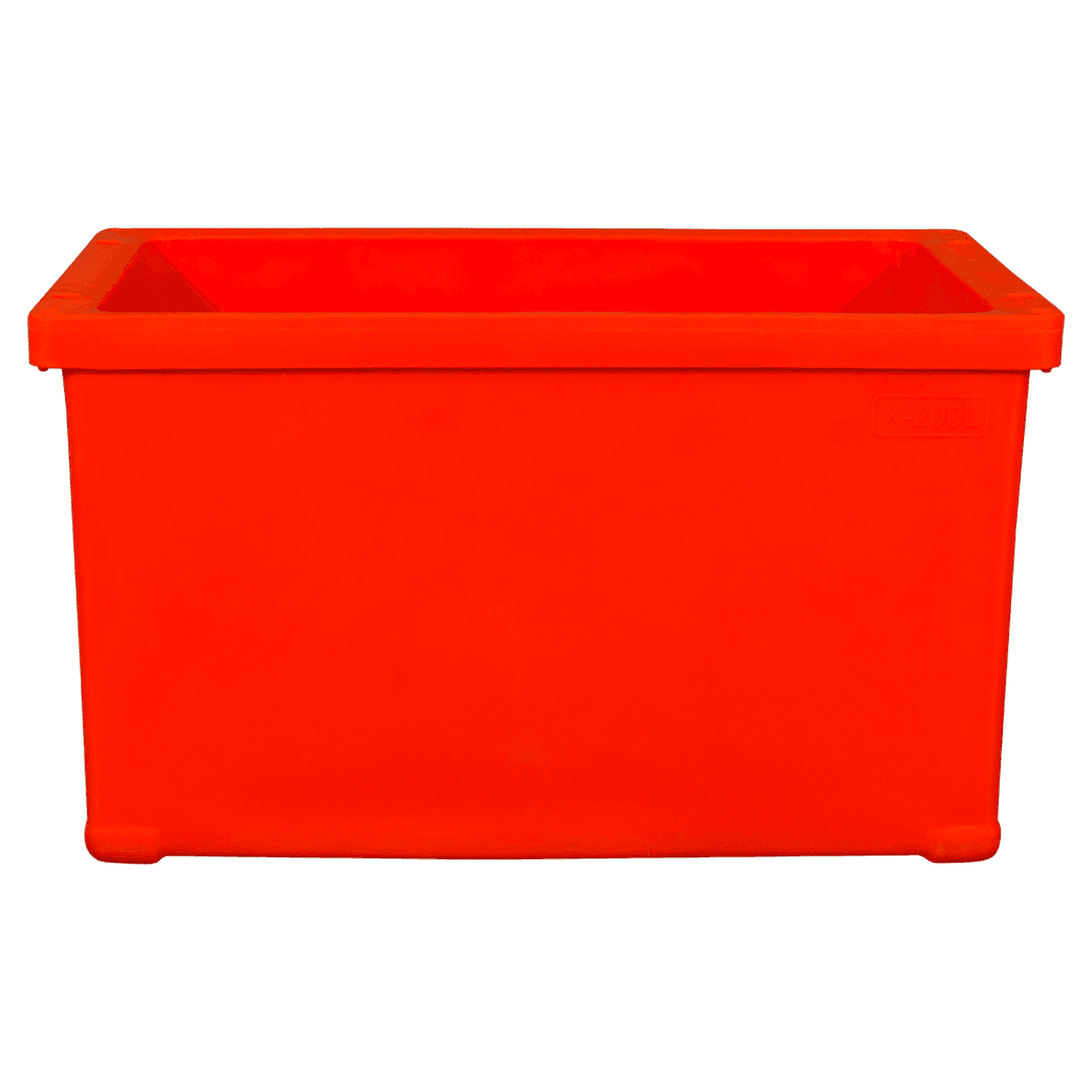
-4.png "X-120L Insulated Fish Bin Ice Cooler Box")
-4.png "X-70L Insulated Fishing Ice Cooler Box")
-2.png "X-68L Ice Cooler Box To Keep Food Cold And Fresh")
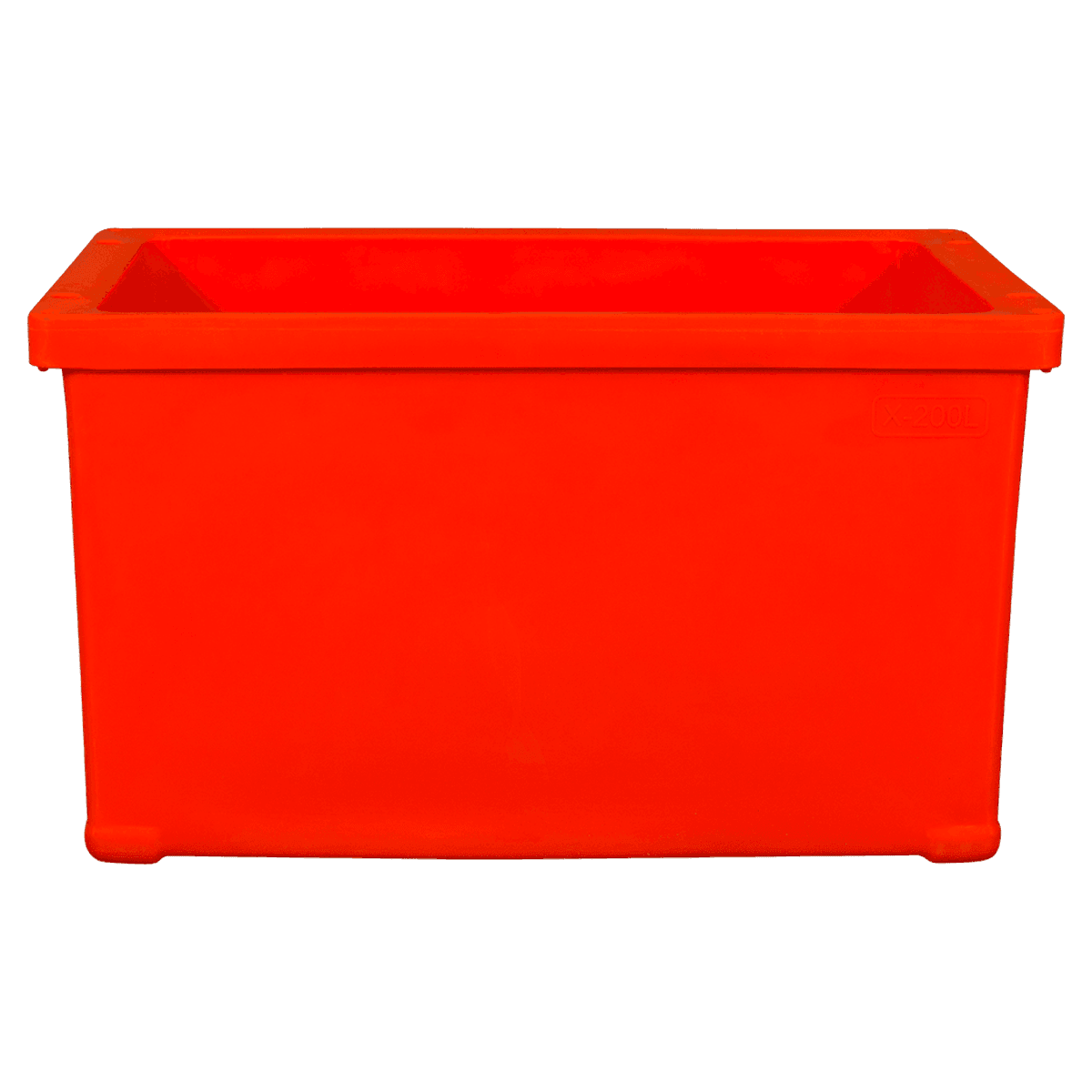
-2.png "X-120L Live Seafood Transportation Tanks")
-2.png "X-70L Live Seafood Transportation Tanks")