English
 Español
 عربى
عربى 中文简体
中文简体Content
In the high-stakes world of temperature-sensitive logistics, traditional monitoring has always been “reactive.” In the past, you shipped a container, and only after it reached its destination and the manual data logger was checked did you realize the cold chain had been breached three days prior. By then, the product had perished, the insurance claim process was grueling, and brand reputation was already damaged. As we move through 2026, with rising global requirements for biopharmaceuticals and perishable food safety, shifting toward IoT-Enabled Logistics And Cold-Chain Containers has evolved from a futuristic luxury into a financial necessity.
For C-suite executives and supply chain leaders, the core question remains: Does the high upfront investment in smart sensors and cloud integration yield a genuine Return on Investment (ROI)?
Quantitative ROI: Direct Cost Reductions and Loss Prevention
The most immediate ROI of Logistics And Cold-Chain Containers equipped with IoT is the drastic reduction in “write-offs” and “cargo damage.” In the pharmaceutical and high-end food industries, the loss from a single compromised shipment can exceed the procurement cost of an entire fleet of smart containers. According to SEMrush search trends, “reducing cold chain spoilage” is one of the most searched pain points for logistics managers.
Real-Time Spoilage Mitigation and Intervention Logistics
IoT sensors provide live visibility into temperature, humidity, light, and vibration. This shift from “post-event auditing” to “real-time intervention” is the core of ROI.
- The “Rescue” Factor: If a refrigeration unit fails or a container is delayed on a scorching airport tarmac, the IoT system sends an instant alert to the dispatch center. This enables “Intervention Logistics”—allowing dispatchers to redirect the driver to the nearest cold storage facility or repair the power source before the internal temperature hits a critical threshold.
- Financial Impact: Reducing product spoilage by even 5% annually translates to hundreds of thousands of dollars in direct profit recovery for medium-sized logistics firms. This loss prevention typically covers the entire investment cost of IoT technology within the first 12 months of use.
Automated Compliance and Labor Cost Savings
Traditional manual temperature logging is not only time-consuming but also highly prone to error. In industries with rigorous compliance requirements (such as GDP or IATA standards), the cost of manual records is hidden but immense.
- Digital Auditing: Logistics And Cold-Chain Containers with IoT functionality automatically generate “Chain of Custody” and “Temperature Excursion” reports. This eliminates the need for staff to manually download, read, and archive data from thousands of individual loggers.
- Insurance and Administrative Costs: Many insurance providers now offer lower premiums for companies tracking cargo via IoT, as the risk profile is significantly reduced. This recurring cost saving is a vital component of long-term ROI.
Qualitative ROI: Strategic Efficiency and Asset Management
Beyond protecting the cargo itself, IoT integration optimizes the entire lifecycle of Logistics And Cold-Chain Containers, turning static assets into intelligent data points and enhancing competitive barriers at a strategic level.
Predictive Maintenance and Extended Asset Lifespan
IoT does not just monitor the cargo; it monitors the container itself. By analyzing the operating parameters of the refrigeration system, enterprises can transition from “scheduled maintenance” to “Predictive Maintenance.”
- Health Tracking: Sensors can detect abnormal vibrations (indicating mechanical wear) or subtle declines in insulation performance. By addressing issues before a failure occurs, companies avoid catastrophic losses during transit and extend the functional lifespan of the container by 20-30%.
- Asset Turnover Improvement: Using GPS Geofencing, dispatchers can precisely track the location of containers in global ports and warehouses. This reduces equipment idle time caused by “lost assets” or “difficulty in locating units,” improving the turnover efficiency of the entire fleet.
Enhanced Brand Trust and “Service Premium”
In a crowded market, transparency is a competitive advantage.
- Data-as-a-Service (DaaS): Logistics providers capable of offering clients a “Live Temperature Dashboard” can charge a premium for this value-added service. Clients are willing to pay more for the “peace of mind” that comes with real-time control, especially when transporting multi-million dollar biological vaccines.
- ESG and Sustainability: By reducing food waste and pharmaceutical scrap caused by temperature fluctuations, companies reduce their carbon footprint and gain easier access to green financing. This intangible asset growth carries increasing weight in corporate valuations as of 2026.
Performance Comparison: Traditional vs. IoT-Enabled Containers
To quantify your specific ROI, it is essential to compare the operational metrics of traditional units versus smart Logistics And Cold-Chain Containers.
| Performance Metric | Traditional Cold-Chain Container | IoT-Enabled Smart Container | ROI Impact Analysis |
|---|---|---|---|
| Visibility | Post-Arrival Only (Lagging) | Real-Time Data Stream (Live) | Prevents >90% of total loss risks |
| Data Log Processing | Manual USB Download | Automatic Cloud Upload | Reduces administrative labor by >40% |
| Intervention Capability | Zero (Blind Shipping) | Immediate (Alert-Based) | Enables “Transcontinental Rescue” |
| Compliance Speed | Days/Weeks to verify | Instant Audit Reports | Shortens billing and payment cycles |
| Asset Utilization | Vague Location | Precise GPS Coordinates | Improves fleet turnover by >15% |
| Maintenance Mode | Reactive (Fix when broken) | Predictive (Pre-failure) | Extends asset life by ~3 years |
Frequently Asked Questions (FAQ)
Q1: Is there still a positive ROI for short-haul “Last Mile” delivery?
Yes. While the risk of a 12-hour failure seems lower than a 12-day journey, the “Last Mile” is often where hand-off errors (such as leaving a cold box on a non-temperature-controlled dock) occur most frequently. IoT provides the necessary accountability data to identify exactly where the chain was broken.
Q2: Is the data connectivity cost for IoT containers very high?
With the popularization of 5G and Low-Power Wide-Area Networks (LPWAN), data costs have plummeted. Most Logistics And Cold-Chain Containers use “event-based” reporting (transmitting frequently only when temperature is abnormal), which minimizes data fees while allowing battery life to last 5-7 years.
Q3: Do I need to phase out existing assets, or can I retrofit them?
No need for full replacement. Many high-performance IoT sensors are designed to be retrofitted onto the interior walls or refrigeration units of existing Logistics And Cold-Chain Containers. This retrofit model allows for a rapid intelligence upgrade of the existing fleet with lower Capital Expenditure (CAPEX).
References and Technical Standards
- ISO 23247:2025: Digital Twin manufacturing framework for smart logistics and cold chain.
- GDP Guidelines: Good Distribution Practice for medicinal products for human use (2025 Updated).
- IATA CEIV Pharma: Global standards for temperature-sensitive air cargo handling.
- IoT Alliance for Cold Chain: White paper on data security and sensor calibration standards (2026).

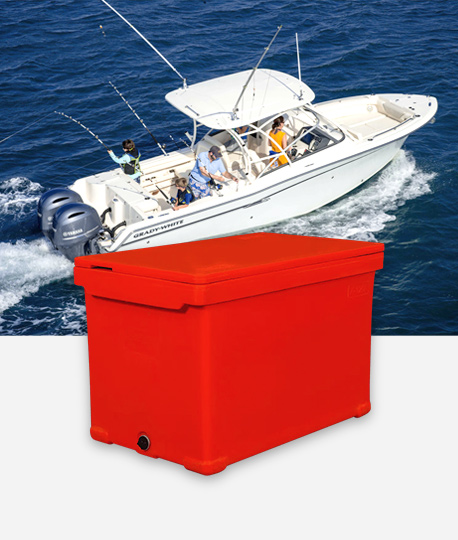
-4.png "X-120L Insulated Fish Bin Ice Cooler Box")
-4.png "X-70L Insulated Fishing Ice Cooler Box")
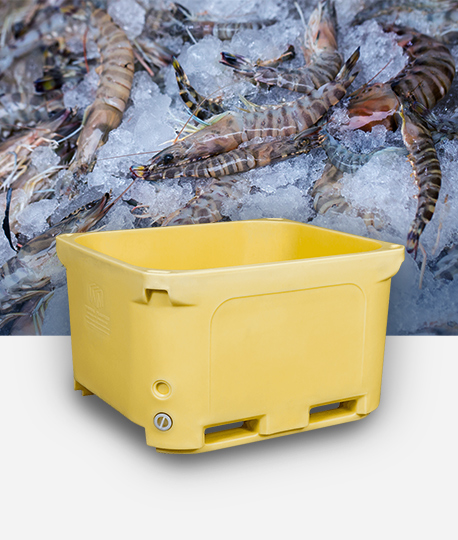
-2.png "X-68L Ice Cooler Box To Keep Food Cold And Fresh")

-2.png "X-120L Live Seafood Transportation Tanks")
-2.png "X-70L Live Seafood Transportation Tanks")