English
 Español
 عربى
عربى 中文简体
中文简体Content
- 1 What Is an Ice Cooler Container?
- 2 How Does an Ice Cooler Container Keep Items Cold Longer?
- 3 High-Density Insulation Technology
- 4 Airtight Lids, Gasket Seals, and Locking Systems
- 5 Thick Walls and Durable Outer Shell
- 6 Ice Retention Design Features
- 7 Cold Air Circulation and Temperature Layering
- 8 How Long Can an Ice Cooler Container Stay Cold?
- 9 Tips to Make Your Ice Cooler Container Stay Cold Even Longer
An ice cooler container is an essential tool for outdoor activities, travel, food transportation, and any scenario where maintaining low temperatures is necessary.
What Is an Ice Cooler Container?
An ice cooler container—also known as a cooler box, insulated ice chest, or cold storage container—is a portable storage unit specifically engineered to preserve low temperatures for an extended period. It is commonly used for keeping beverages chilled, storing fresh food, preventing spoilage, and transporting temperature-sensitive goods such as medicine, seafood, and dairy products.
Modern ice cooler containers come in various categories, each designed for specific needs:
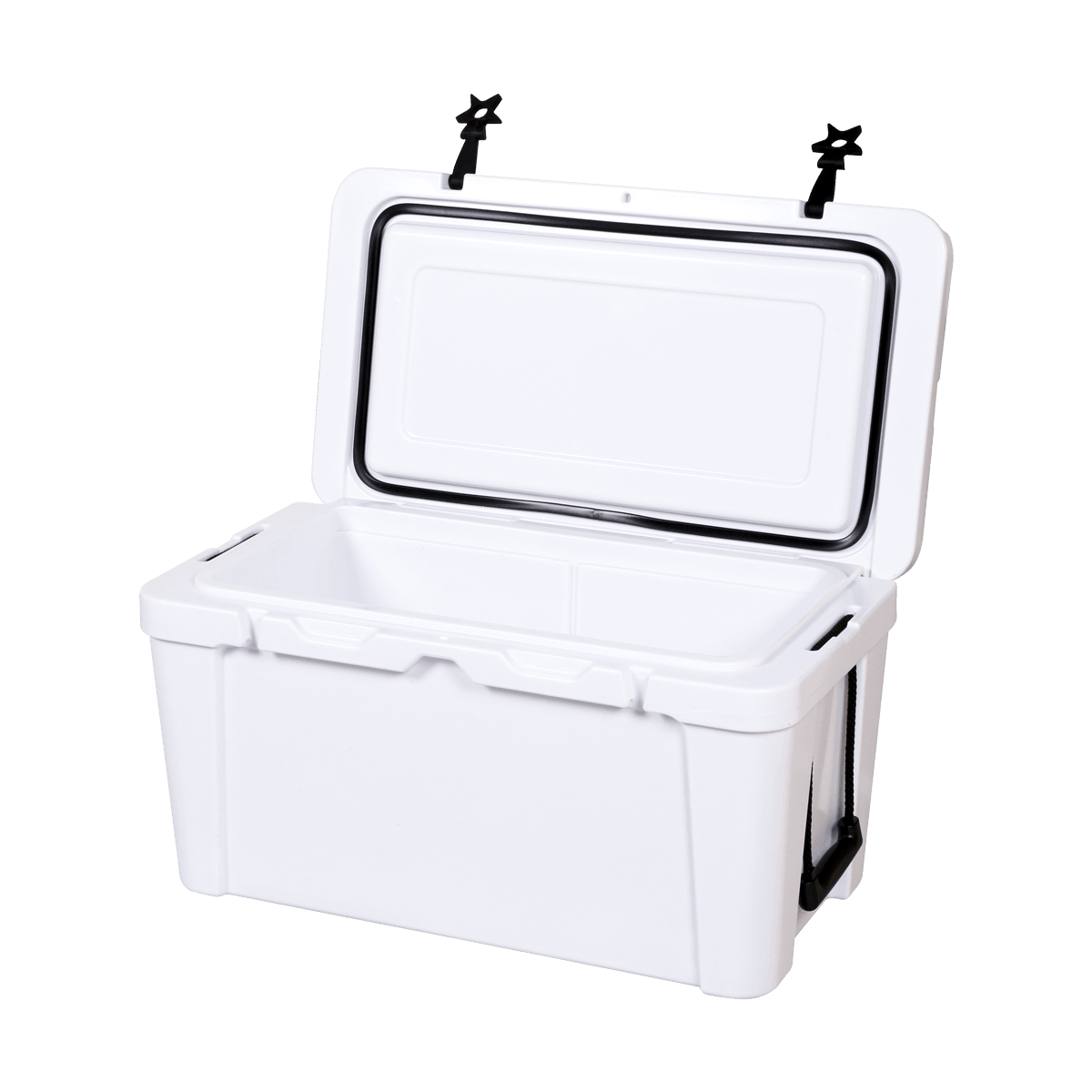
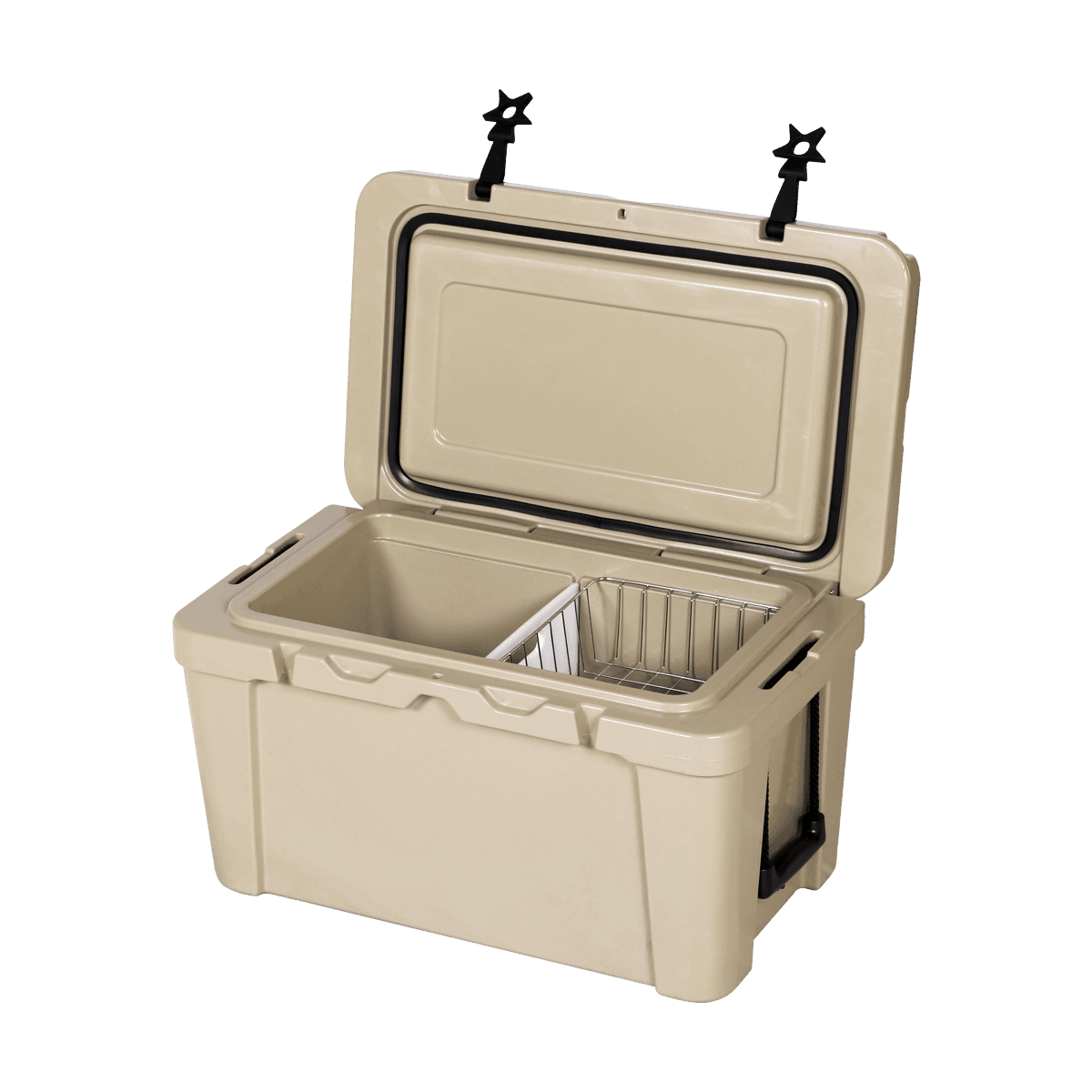
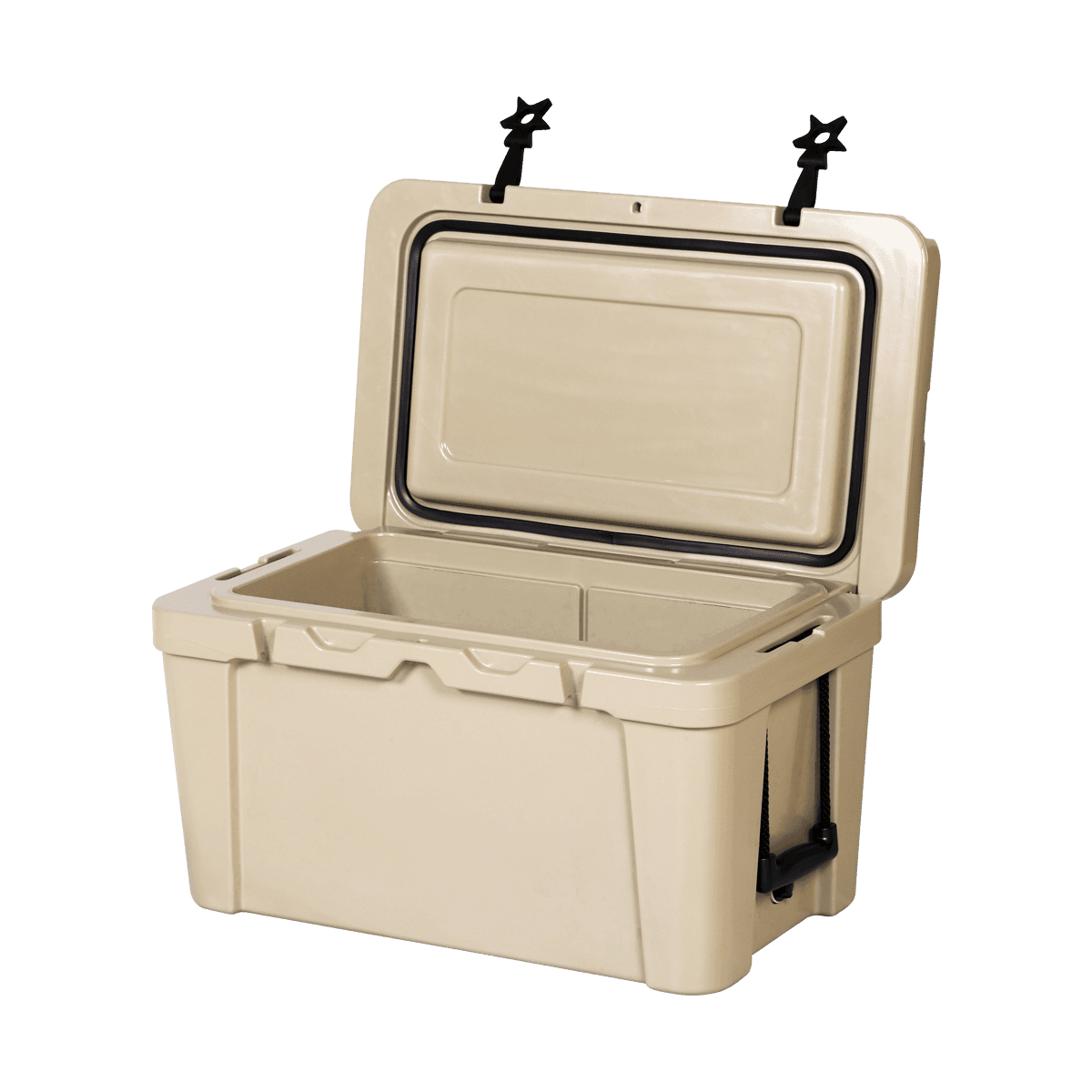
- Hard-Shell Coolers: Built with thick insulated walls for maximum ice retention; ideal for camping, long-distance travel, and professional use.
- Soft-Sided Coolers: Lightweight and portable; suitable for picnics, short trips, and daily lunch storage.
- Rolling Coolers: Equipped with wheels and handles; perfect for large gatherings, beach parties, and outdoor catering.
- Electric or Powered Coolers: Use built-in compressors or thermoelectric systems; maintain refrigeration without ice.
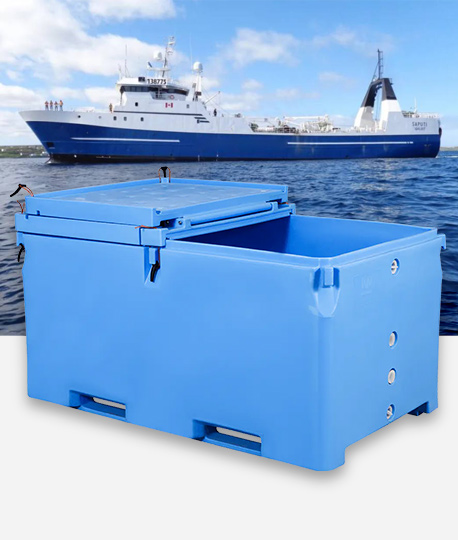
- Commercial-Grade Cooler Containers: Built for logistics, seafood transport, and medical cold chain operations.
Ice cooler containers vary in size, insulation quality, and design features, but their core purpose remains the same: to keep the inside environment colder than the outside for as long as possible.
How Does an Ice Cooler Container Keep Items Cold Longer?
Ice cooler containers rely on physics, insulation engineering, and smart design to maintain low temperatures. The following mechanisms allow them to keep items cold far longer than regular boxes or bags.
High-Density Insulation Technology
Insulation is the heart of every ice cooler container. High-quality coolers typically use one of these materials:
- Polyurethane foam (PU)
- Expanded polystyrene (EPS)
- Extruded polystyrene (XPS)
- EVA foam (for soft coolers)
These materials function by trapping millions of tiny air pockets inside the cooler walls. Air is a poor conductor of heat, so the insulation acts as a barrier that slows the transfer of heat from the environment into the cooler.
Premium coolers often use pressure-injected polyurethane foam, which offers exceptional thermal efficiency.
Airtight Lids, Gasket Seals, and Locking Systems
A tightly sealed lid is crucial for maintaining cold temperatures. High-performance ice coolers use:
- Rubber gasket seals similar to freezer doors
- Heavy-duty latches that create downward pressure
- Reinforced lid structures to reduce thermal leakage
A weak seal allows cold air to escape and hot air to enter. This rapid exchange shortens ice retention time dramatically.
A high-quality seal ensures that the cold air stays locked inside and maintains a stable internal temperature.
Thick Walls and Durable Outer Shell
Many modern ice cooler containers—particularly rotomolded models—have significantly thicker walls compared to traditional coolers. These thicker walls:
- Delay heat penetration
- Improve interior temperature stability
- Protect the insulation material
- Increase durability and life span
Rotomolded (rotationally molded) coolers are made in a single solid piece, which eliminates weak joints and improves performance.
UV-resistant coatings also help reflect heat, reducing the impact of direct sun exposure.
Ice Retention Design Features
Many design elements directly affect how long ice lasts inside a cooler. These include:
- Raised bottom feet to reduce contact with hot ground
- UV-resistant lids and bodies
- Internal compartments or dividers that control airflow
- Drain plugs to remove melted water and prevent heat conduction
- Non-metallic hinges and handles (metal transfers heat more easily)
These engineering choices reinforce the cooler’s insulation and improve real-world cooling performance.
Cold Air Circulation and Temperature Layering
Cold air naturally sinks to the bottom of the cooler. A well-designed container uses this principle to keep lower layers extremely cold while the upper layers remain cool.
Ice cooler containers maximize this effect by:
- Reducing dead air space
- Channeling cool air flow
- Increasing contact between ice and chilled items
How Long Can an Ice Cooler Container Stay Cold?
The duration varies based on several factors:
- Insulation thickness and material quality
- External temperature and sun exposure
- Type and amount of ice used
- How often the lid is opened
- How full or empty the cooler is
General estimates:
- Basic coolers: 12–24 hours
- Mid-range insulated coolers: 2–3 days
- Premium rotomolded coolers: 3–7 days or more
- Electric coolers: Indefinitely (as long as powered)
Tips to Make Your Ice Cooler Container Stay Cold Even Longer
To maximize cooling performance, use these expert strategies:
- Pre-chill the cooler for several hours with ice or frozen bottles.
- Use a mix of ice blocks (slow melt) and cubes (fast cooling).
- Fill all empty space to eliminate warm air pockets.
- Keep the lid closed as much as possible.
- Store the cooler in the shade or use a reflective cover.
- Drain excess water only if needed; otherwise, cold water can help maintain lower temperatures.
- Organize the contents so you can access items quickly without prolonged lid opening.
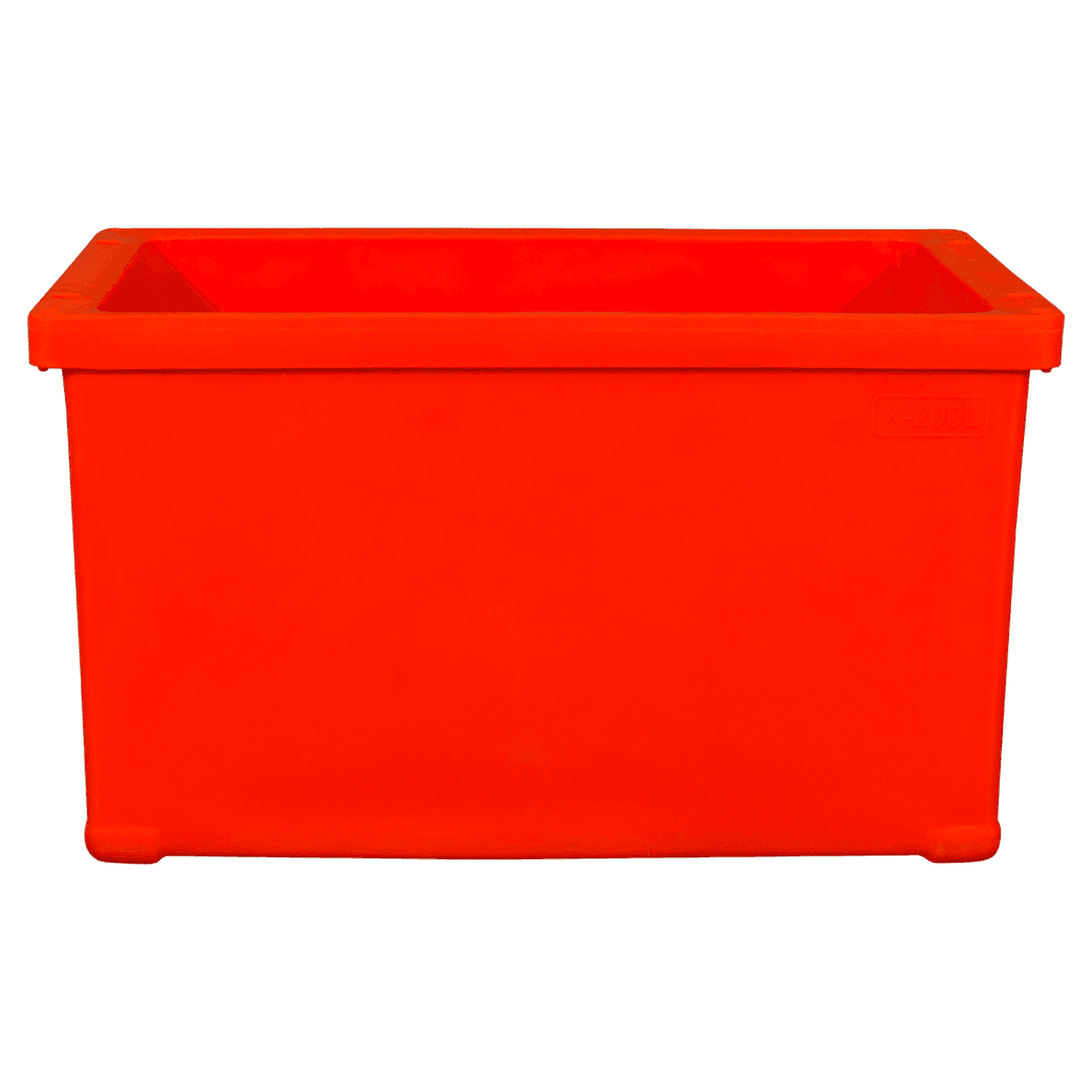
-4.png "X-120L Insulated Fish Bin Ice Cooler Box")
-4.png "X-70L Insulated Fishing Ice Cooler Box")
-2.png "X-68L Ice Cooler Box To Keep Food Cold And Fresh")
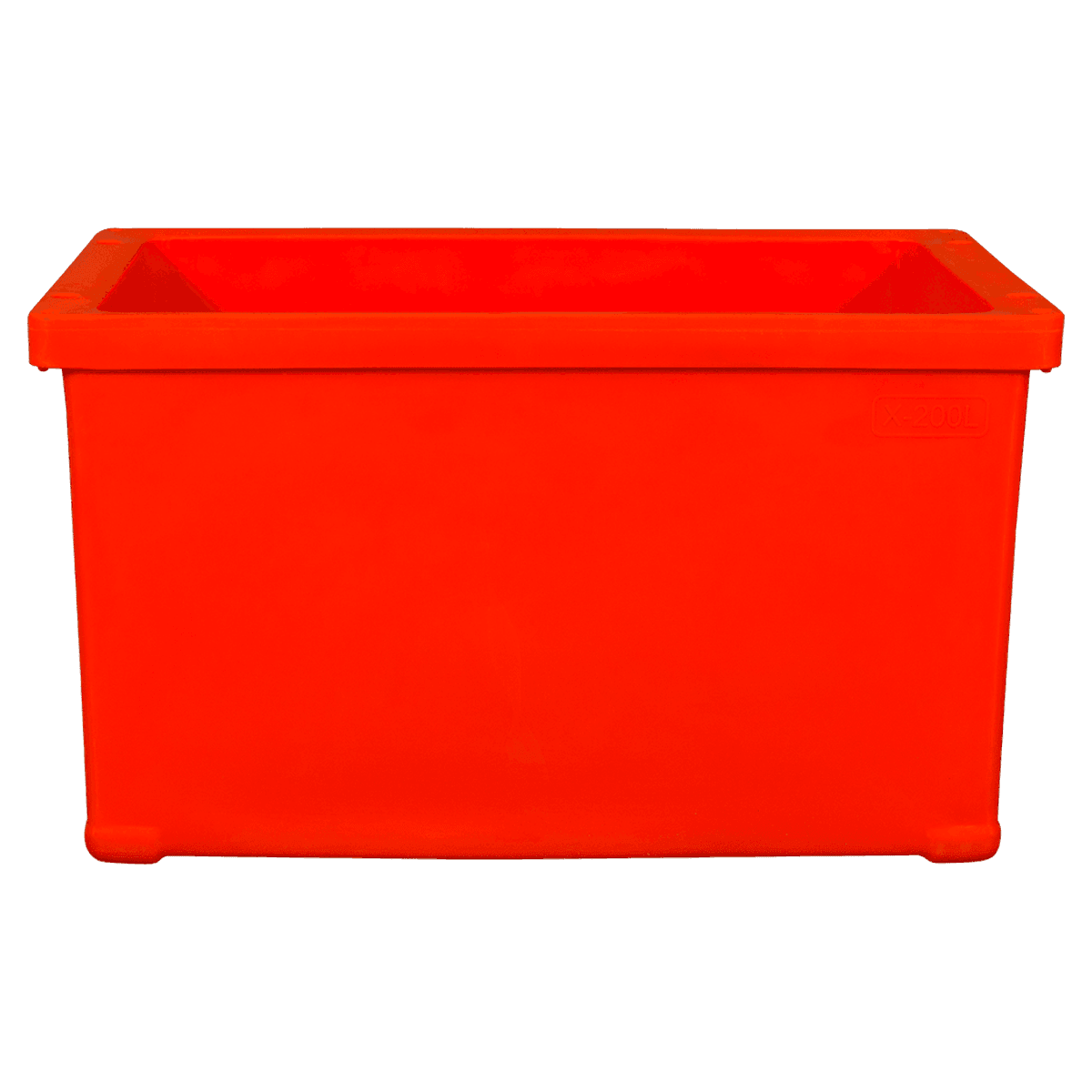
-2.png "X-120L Live Seafood Transportation Tanks")
-2.png "X-70L Live Seafood Transportation Tanks")