English
 Español
 عربى
عربى 中文简体
中文简体Content
- 0.1 What Are Insulated Pallet Containers?
- 0.2 Why Are Temperature-Sensitive Goods at Risk During Transportation?
- 0.3 How Do Insulated Pallet Containers Protect Temperature-Sensitive Goods?
- 0.4 What Materials and Designs Make Insulated Pallet Containers Effective?
- 0.5 The Role of Insulated Pallet Containers in Cold Chain Logistics
- 1 FAQ – Insulated Pallet Containers
- 2 References
What Are Insulated Pallet Containers?
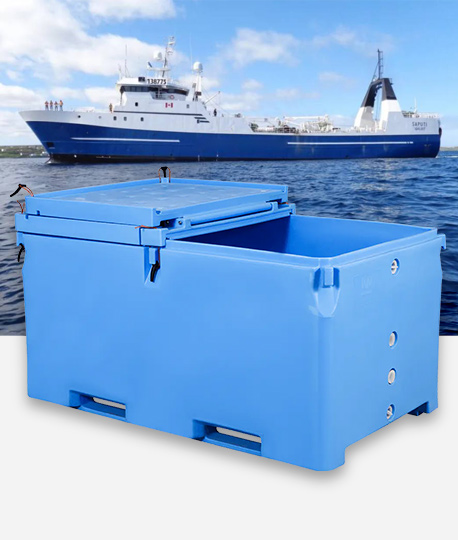
Insulated pallet containers are large-format, thermally protected packaging systems specifically designed to transport goods that are sensitive to temperature fluctuations. Unlike ordinary pallet boxes or bulk containers, these containers integrate advanced insulation layers within their structure to slow down heat transfer between the internal cargo space and the external environment.
Typically built to fit standard pallet sizes (such as EUR or ISO pallets), insulated pallet containers are compatible with existing warehouse infrastructure, forklifts, and automated handling systems. This makes them highly practical for global logistics operations without requiring special equipment or workflow changes.
Structurally, an insulated pallet container consists of three main components: an outer protective shell, an internal insulation core, and a sealed inner cavity. The outer shell provides mechanical strength and impact resistance, while the insulation core—often made of EPS, EPP, PU foam, or vacuum insulation panels (VIPs)—acts as the thermal barrier. The sealed inner cavity helps maintain a controlled microclimate around the goods.
These containers are widely available in reusable and single-use formats, depending on supply chain needs. Reusable insulated pallet containers are commonly used in closed-loop logistics, such as pharmaceutical distribution networks, while single-use containers are favored for long-distance exports or air freight shipments.
In essence, insulated pallet containers bridge the gap between standard packaging and active refrigerated transport, offering a cost-effective passive temperature control solution for modern supply chains.
Why Are Temperature-Sensitive Goods at Risk During Transportation?
Temperature-sensitive goods face numerous risks during transportation due to the unpredictable and often harsh conditions encountered along global supply routes. These goods—ranging from fresh food and pharmaceuticals to specialty chemicals—must remain within a strict temperature range to maintain safety, quality, and effectiveness.
One of the primary risks is exposure to ambient temperature extremes. During transit, shipments may pass through multiple climate zones, experience long dwell times at ports or airports, or remain temporarily stored in non-climate-controlled facilities. Even short-term exposure to heat or freezing conditions can compromise product integrity.
Another major challenge is logistical delay. Customs inspections, weather disruptions, labor shortages, or transportation bottlenecks can extend transit times far beyond initial plans. Without thermal protection, temperature-sensitive goods may deteriorate rapidly during these delays.
In regulated industries such as pharmaceuticals and food, temperature excursions can also result in compliance violations. Regulatory frameworks like GDP (Good Distribution Practice) and HACCP require documented temperature control throughout the supply chain. Failure to comply can lead to rejected shipments, recalls, or legal penalties.
Additionally, repeated loading and unloading increases the risk of thermal shock, especially when goods are transferred between refrigerated and non-refrigerated environments. These cumulative risks highlight why conventional pallet packaging is insufficient for temperature-sensitive cargo.
How Do Insulated Pallet Containers Protect Temperature-Sensitive Goods?
Insulated pallet containers protect temperature-sensitive goods by creating a stable thermal environment that significantly reduces the impact of external temperature changes. Their effectiveness lies in a combination of material science, structural design, and passive cooling strategies.
The insulation layer plays a crucial role by slowing conductive and convective heat transfer. High-density insulation materials trap air or create vacuum barriers, preventing rapid temperature shifts. This allows products to remain within safe temperature ranges for extended periods, even when external conditions fluctuate.
In many applications, insulated pallet containers are used in combination with cooling or heating elements such as gel packs, dry ice, or phase change materials (PCMs). These elements absorb or release energy at specific temperatures, further stabilizing the internal environment without requiring electricity.
Sealed lids and tight-fitting closures also help prevent air exchange and moisture ingress. This not only maintains temperature but also reduces condensation, which can damage packaging, labels, or sensitive products.
Importantly, insulated pallet containers provide uniform temperature distribution across the cargo, minimizing hot or cold spots that could affect product quality. This makes them particularly suitable for high-value shipments where consistency is critical.
What Materials and Designs Make Insulated Pallet Containers Effective?
The performance of insulated pallet containers depends heavily on the materials and design principles used in their construction. Manufacturers carefully balance insulation efficiency, durability, weight, and cost when selecting materials.
Common insulation materials include expanded polystyrene (EPS), expanded polypropylene (EPP), polyurethane (PU) foam, and vacuum insulation panels (VIPs). EPS and EPP offer lightweight and cost-effective solutions, while VIPs deliver superior thermal performance for extended-duration shipments.
The outer shell is typically made from high-impact plastic, composite panels, or reinforced corrugated materials. This shell protects against mechanical stress, stacking pressure, and rough handling during transit.
Design features such as modular walls, foldable structures, and stackable profiles improve space efficiency and reduce return logistics costs. Many insulated pallet containers are also designed for easy cleaning and reuse, which is essential for hygiene-sensitive industries.
Below is a comparison of common insulation materials used in insulated pallet containers:
| Insulation Material | Thermal Performance | Weight | Typical Applications |
|---|---|---|---|
| EPS | Medium | Light | Food & beverage logistics |
| EPP | Medium–High | Light | Reusable containers |
| PU Foam | High | Medium | Pharmaceutical shipping |
| VIP | Very High | Very Light | Long-haul cold chain |
The Role of Insulated Pallet Containers in Cold Chain Logistics
In cold chain logistics, insulated pallet containers function as a passive temperature control layer that enhances overall supply chain reliability. They reduce dependence on powered refrigeration, particularly during transit stages where active cooling is impractical or unavailable.
For air freight and international shipping, insulated pallet containers provide a buffer against delays and temperature excursions during loading, unloading, and customs clearance. This is especially important for last-mile delivery, where temperature control infrastructure may be limited.
From a sustainability perspective, insulated pallet containers help lower energy consumption and carbon emissions by minimizing the need for continuous refrigeration. Reusable designs further reduce packaging waste and total cost of ownership.
As global trade expands and regulatory scrutiny increases, insulated pallet containers are becoming an integral component of compliant, resilient, and cost-efficient cold chain systems.
FAQ – Insulated Pallet Containers
Q1: How long can insulated pallet containers maintain temperature?
Depending on insulation material and coolant configuration, they can maintain stable temperatures from 24 up to 120 hours.
Q2: Are insulated pallet containers reusable?
Yes, many models are designed for multiple cycles and are ideal for closed-loop logistics systems.
Q3: Can insulated pallet containers replace refrigerated trucks?
They complement rather than fully replace refrigerated transport, especially for passive cooling and last-mile delivery.
Q4: Are insulated pallet containers suitable for air freight?
Yes, they are widely used in air cargo due to their lightweight and passive temperature control benefits.
References
- International Safe Transit Association (ISTA) – Thermal Packaging Guidelines
- World Health Organization (WHO) – GDP for Pharmaceutical Products
- Cold Chain Technologies – Passive Temperature Control Solutions
- Packaging Europe – Advances in Insulated Transport Packaging

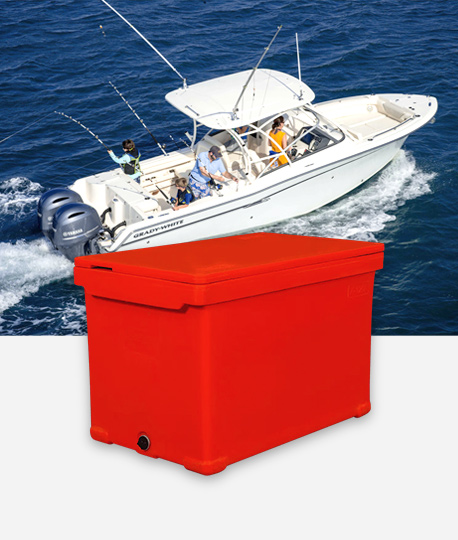
-4.png "X-120L Insulated Fish Bin Ice Cooler Box")
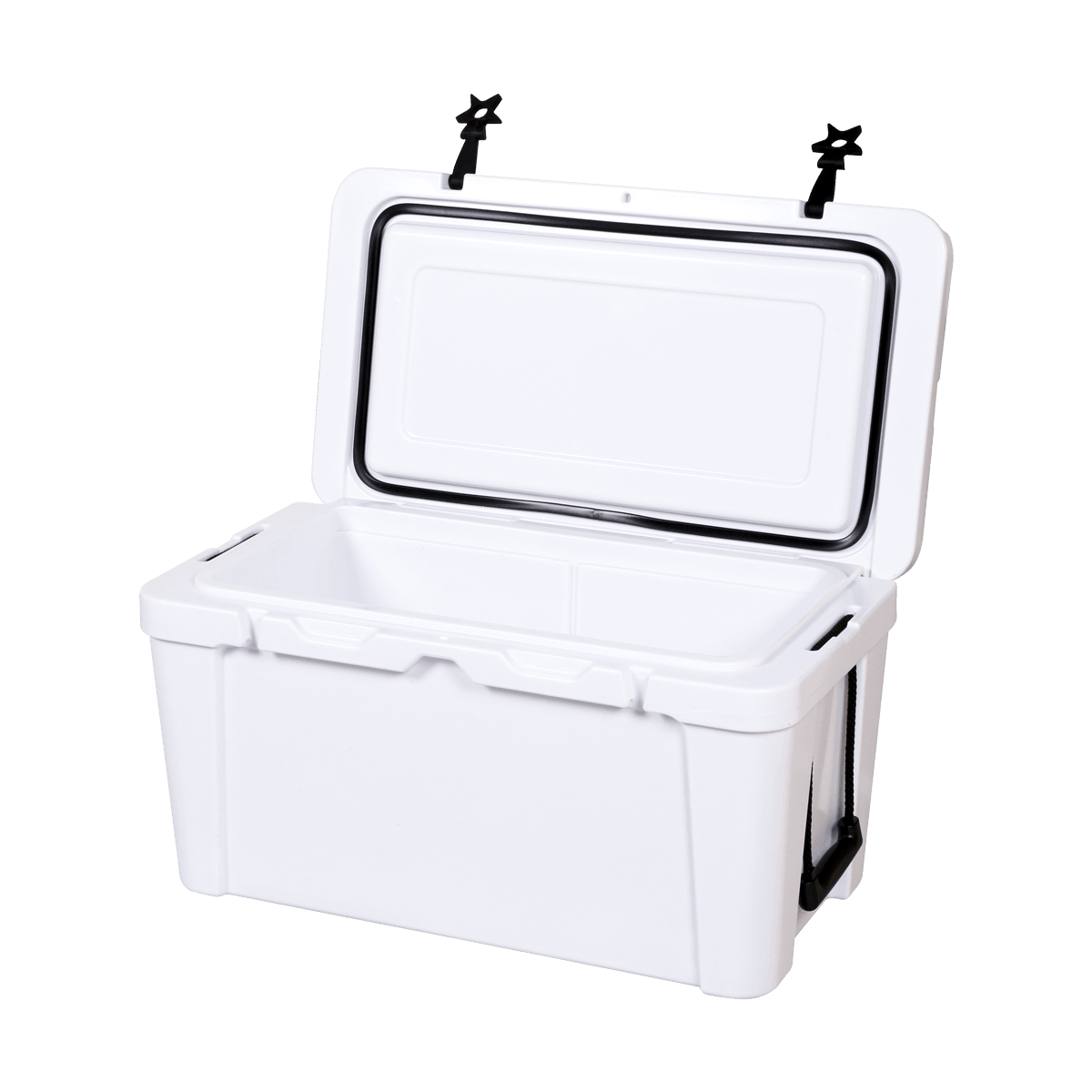
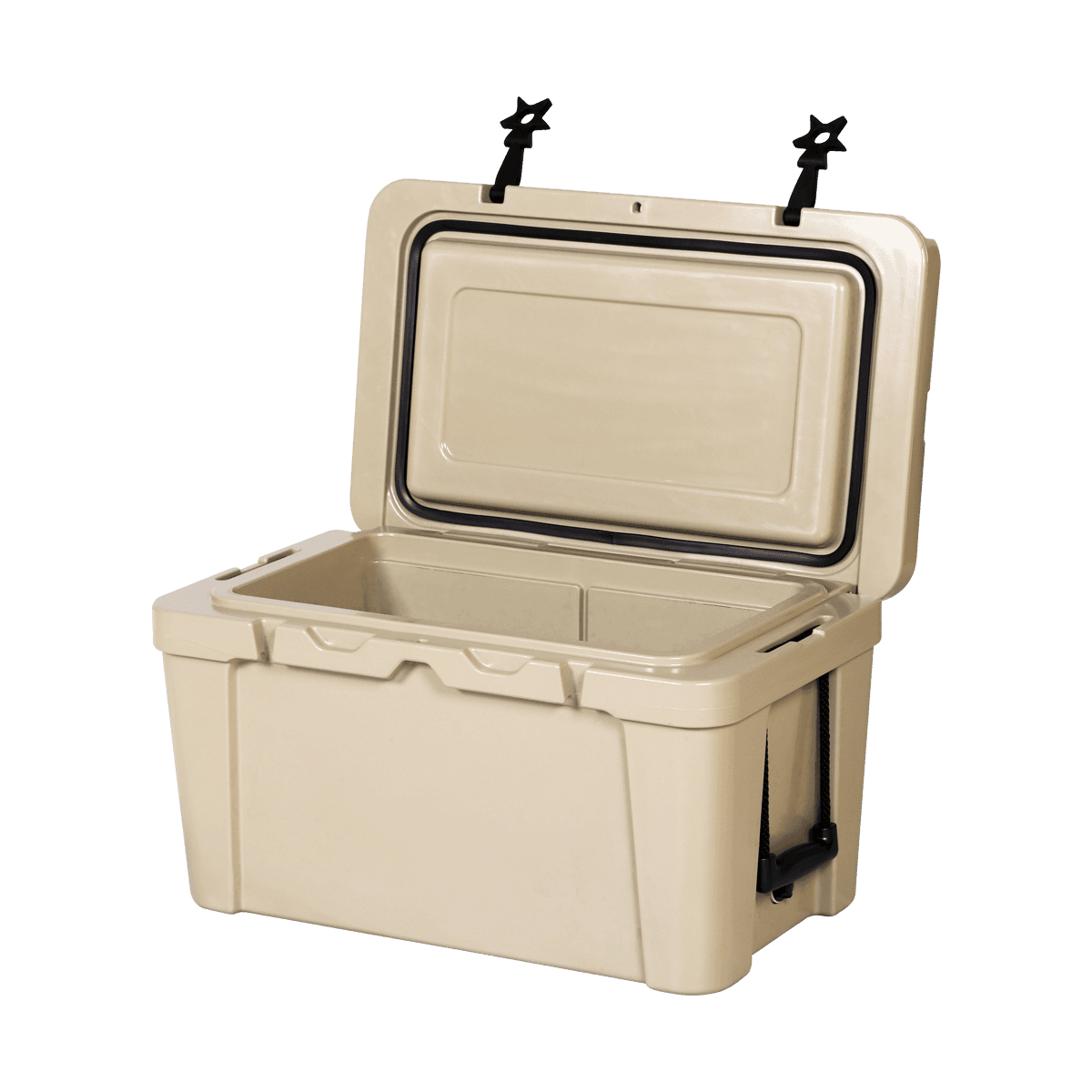
-4.png "X-70L Insulated Fishing Ice Cooler Box")
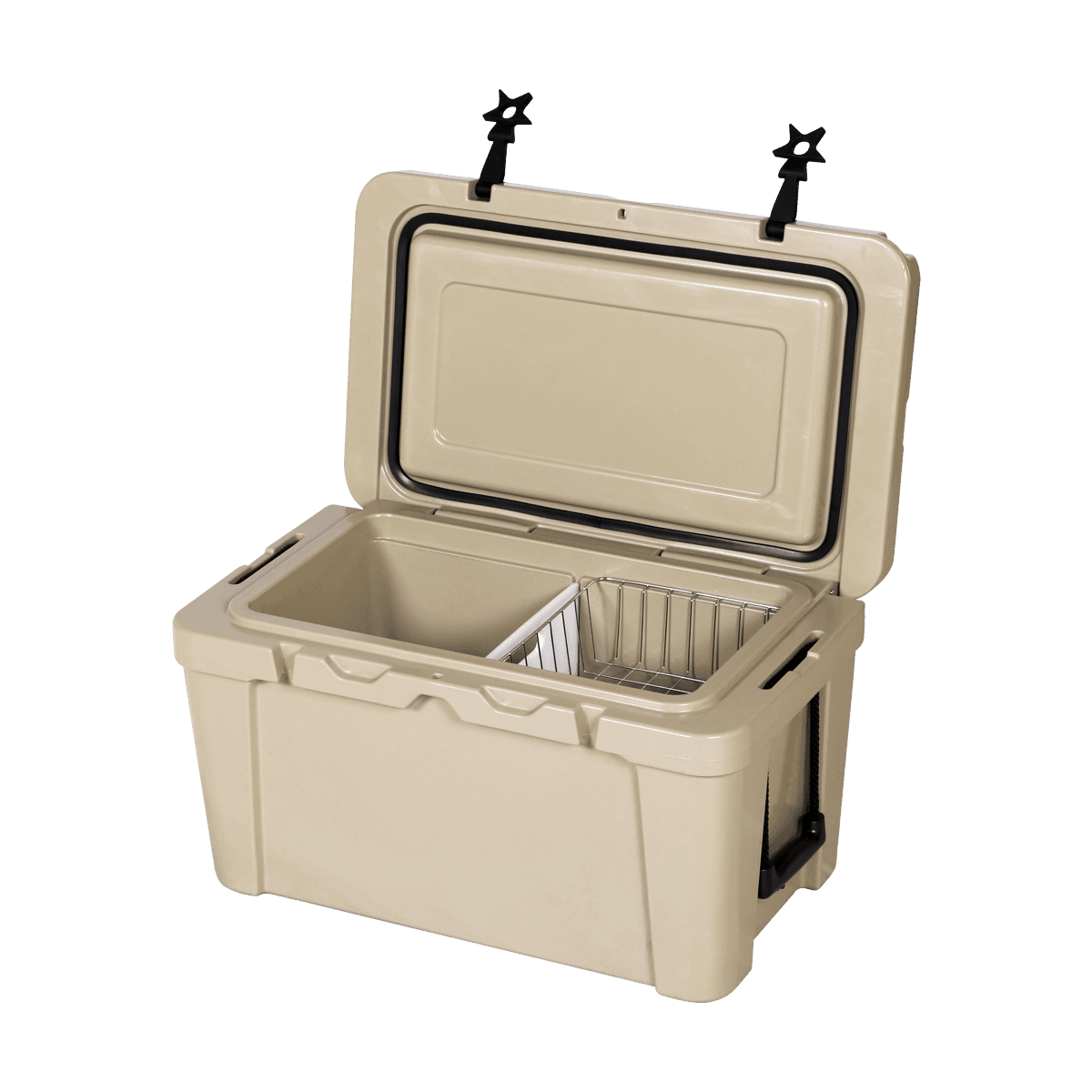
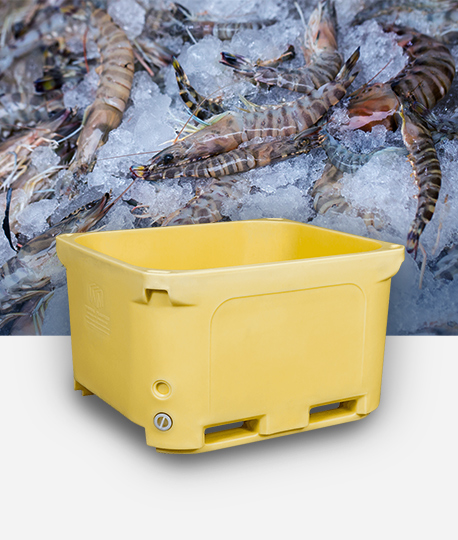
-2.png "X-68L Ice Cooler Box To Keep Food Cold And Fresh")

-2.png "X-120L Live Seafood Transportation Tanks")
-2.png "X-70L Live Seafood Transportation Tanks")