English
 Español
 عربى
عربى 中文简体
中文简体Content
- 1 Why an Ice Cooler Container Is Non-Negotiable for Outdoor Camping
- 2 In Which Scenarios Is an Ice Cooler Container Most Suitable?
- 3 How to Determine What Size Cooler You Need
- 4 Hard Cooler Capacity, Weight, and Insulation Guide
- 5 What Size Cooler Do I Need? A Scenario-by-Scenario Breakdown
- 6 Practical Tips to Maximize Ice Cooler Container Performance
- 7 Hard Cooler vs. Soft Cooler: Which Is Right for Your Camping Scenario?
- 8 Top Recommended Ice Cooler Containers by Camping Scenario
- 8.1 Best for Solo or Couple Weekend Camping — RTIC 32 Hard Cooler
- 8.2 Best for Family Car Camping — YETI Tundra 65
- 8.3 Best Budget Option for Weekend Camping — Coleman 54-Quart Steel Belted Cooler
- 8.4 Best for Large Groups — Pelican 150-Quart Elite Cooler
- 8.5 Best Soft Cooler for Day Trips — YETI Hopper Flip 18
- 9 Special Considerations: Dry Ice, Camping Regulations, and Bear Country
- 10 Final Verdict: Making the Right Ice Cooler Container Choice
Yes — an ice cooler container is absolutely an essential item for outdoor camping. Whether you're heading out for a single overnight trip or a week-long backcountry expedition, keeping food safe and drinks cold is not a luxury; it's a necessity. A quality ice cooler container protects perishable food from spoiling, reduces the risk of foodborne illness, and makes the overall camping experience significantly more comfortable and enjoyable. The question is not whether you need one, but which type, which size, and which features best suit your specific scenario.
This guide walks you through every major use case, explains how to determine the right cooler size for camping, and provides a practical hard cooler capacity weight insulation guide so you can shop with confidence rather than guesswork.
Why an Ice Cooler Container Is Non-Negotiable for Outdoor Camping
The United States Department of Agriculture (USDA) states that perishable food left at temperatures above 40°F (4°C) for more than two hours enters what food safety experts call the "danger zone," where bacteria multiply rapidly. On a warm summer camping trip — where ambient temperatures routinely reach 85°F to 100°F (29°C to 38°C) — food without proper refrigeration can spoil in under 60 minutes.
A high-quality ice cooler container solves this problem directly. Premium rotomolded hard coolers can maintain internal temperatures below 40°F for 5 to 10 days depending on ambient conditions, ice-to-food ratio, and how frequently the lid is opened. Even budget soft-sided coolers rated for 24–48 hours provide enough protection for a weekend trip when used correctly.
Beyond food safety, a well-chosen ice cooler container:
- Eliminates the need to purchase expensive pre-packaged or freeze-dried meals for every meal
- Reduces total trip cost by allowing campers to pack real groceries from home
- Keeps medications that require refrigeration viable during the trip
- Doubles as a seat, step, or prep surface at camp
- Provides cold hydration throughout the day without needing a power source
In Which Scenarios Is an Ice Cooler Container Most Suitable?
Not every camping scenario is identical. The right ice cooler container depends heavily on your trip type, group size, duration, and transportation method. Below are the primary scenarios where ice cooler containers deliver the most value.
Car Camping and Drive-In Campgrounds
This is the most common camping scenario and the one where ice cooler containers shine brightest. Since weight is not a limiting factor when driving to a campsite, campers can bring large, heavy-duty rotomolded coolers with capacities of 60 to 150 quarts. These units offer superior insulation — typically 2 to 3 inches of polyurethane foam — and can keep ice for 7 to 10 days under optimal conditions.
For a family of four on a 3-day car camping trip, a 65-quart hard cooler is generally the sweet spot: enough room for 3 days of meals, snacks, and drinks without being so large it becomes cumbersome to manage.
Weekend Camping Trips (2–3 Nights)
For those wondering what size cooler for weekend camping is appropriate, the answer depends primarily on group size. A solo camper or couple typically needs a 20- to 35-quart cooler for a 2-to-3-night trip. A group of four to six people will want something in the 50- to 70-quart range. The general rule of thumb used by experienced campers is to budget roughly 20 quarts of cooler space per person per day for food-heavy packing, or about 10–12 quarts per person per day for a more streamlined packing style.
Weekend campers also benefit from a two-cooler system: one dedicated to food (opened infrequently to preserve cold) and a smaller, more accessible cooler for drinks and snacks. This strategy can extend ice life by 30–40% compared to using a single all-purpose cooler.
Beach and Lakeside Day Trips
Day trips to the beach or lake are a classic scenario for soft-sided cooler containers. These trips typically require only 12 to 30 quarts of capacity — enough for drinks, sandwiches, fruit, and snacks for 4 to 6 people over 6 to 8 hours. Soft coolers are lighter, easier to carry over sand or uneven terrain, and many are waterproof enough to float briefly if dropped in water.
For direct sun exposure at the beach, choose a soft cooler with reflective exterior lining and at least 1 inch of closed-cell foam insulation. Some models, like the YETI Hopper Flip 18 or the RTIC Soft Pack 30, maintain cold for up to 24 hours even in direct sunlight when pre-chilled and packed with ice blocks rather than cubed ice.
Overlanding and Off-Road Adventures
Overlanders and off-road vehicle campers often choose between high-end rotomolded coolers and 12V electric compressor coolers. For those sticking with traditional ice cooler containers, a 45- to 75-quart hard cooler with a rubber gasket lid seal, tie-down slots, and non-skid feet is ideal. The cooler must survive vibration, dust, and extreme temperature swings — premium models like the Pelican Elite or YETI Tundra are engineered for exactly this abuse.
Weight becomes a consideration here since vehicle payload capacity matters, but a fully loaded 65-quart rotomolded cooler typically weighs 50 to 70 lbs — manageable for most trucks and SUVs with proper placement near the vehicle's center of gravity.
Kayaking, Canoeing, and Water-Based Camping
Water-based camping creates unique cooler requirements: the unit must fit within a kayak hull or canoe well, resist water ingress, and ideally float if capsized. Dedicated kayak coolers in the 20- to 30-quart range, such as the YETI Roadie 24 or the OtterBox Trooper 30, are purpose-built for this use case with lashing points and low-profile designs.
For multi-day canoe trips, larger coolers (45–65 quarts) can be lashed into canoe centers with dry bags surrounding them for stability. Dry ice is particularly effective in this scenario as it lasts longer than regular ice and produces no meltwater — important when you can't dump water easily during a paddling trip.
Group Camping and Events (10+ People)
Large-group camping scenarios — family reunions, scout trips, festival camping — often require coolers in the 100- to 150-quart range, or multiple medium coolers working in tandem. For 10 people over 3 days, a reasonable estimate is 150 quarts of total cooler space for food and 50 quarts for beverages, assuming moderately efficient packing.
The ideal hard cooler capacity for camping with friends in a group of 6 to 8 people over a long weekend (3–4 nights) is typically a 85-quart or 100-quart unit — large enough for communal meals but small enough to load and unload without a second person.
How to Determine What Size Cooler You Need
One of the most common questions campers ask is how big a cooler do I need? The answer involves three variables: number of people, trip duration, and intended contents (food only, drinks only, or mixed).
A simple formula used by experienced outdoor enthusiasts:
- Cooler size (quarts) = (Number of people × Days × 1.5 lbs of food/day) + ice volume
- Ice typically takes up 30–40% of total cooler volume for adequate insulation performance
- 1 quart ≈ approximately 1 liter ≈ roughly 2 lbs of packed food
For most people asking what size cooler for camping suits their needs, the quick reference in the table below covers the most common scenarios.
| Group Size | Trip Duration | Recommended Cooler Size | Cooler Type |
|---|---|---|---|
| 1–2 people | 1 day | 12–20 qt | Soft-sided or personal hard cooler |
| 1–2 people | 2–3 days (weekend) | 25–35 qt | Hard cooler |
| 3–4 people | 2–3 days (weekend) | 45–65 qt | Hard cooler (rotomolded preferred) |
| 4–6 people | 4–5 days | 65–85 qt | Rotomolded hard cooler |
| 6–8 people | 3–4 days | 85–100 qt | Rotomolded hard cooler |
| 8–12 people | 3–5 days | 110–150 qt | Multiple coolers or extra-large rotomolded |
When asking yourself what size cooler should I get, consider not just the number of people but also your packing habits. People who bring pre-portioned, vacuum-sealed meals take up significantly less space than those who pack full grocery items with original packaging. Compact, block-shaped items pack far more efficiently than irregularly shaped ones.
Hard Cooler Capacity, Weight, and Insulation Guide
Understanding the relationship between cooler size, empty weight, and insulation performance is critical when shopping. This hard cooler capacity weight insulation guide gives you the practical numbers you need.
Capacity
Cooler capacity is measured in quarts (qt) or liters (L). One quart equals approximately 0.946 liters. Common cooler sizes run from 12 qt (personal day-use models) up to 400 qt (commercial-grade units). For camping purposes, the most practical range is 20 to 150 quarts. A 65-quart cooler can hold roughly 90–100 standard 12 oz cans plus ice, or about 65–80 lbs of food and ice combined.
Keep in mind that advertised capacity usually refers to the total interior volume. Actual usable space after accounting for ice is typically 60–70% of the stated capacity. So a 65-quart cooler effectively gives you about 39–45 quarts of usable food and drink space.
Weight
Hard cooler weight varies dramatically by construction method:
- Injection-molded budget coolers (20–65 qt): 5–12 lbs empty. Lighter but less durable and less insulating.
- Rotomolded premium coolers (45–100 qt): 18–35 lbs empty. Significantly heavier due to thick polyurethane foam walls and robust hardware.
- Fully loaded weight: A 65-quart rotomolded cooler packed with food and ice can weigh 80–100 lbs — always plan for two people to carry it.
When evaluating cooler size options, always factor in how you'll transport the loaded unit. Most rotomolded coolers include molded side handles, but units over 65 quarts often benefit from wheeled bases or dedicated cooler carts at camp.
Insulation Performance
Insulation is the single most important performance variable in any ice cooler container. The primary insulation metric is "ice retention days" — how long the cooler keeps ice frozen under standard test conditions (typically 90°F / 32°C ambient, cooler in shade, 2:1 ice-to-contents ratio).
Here's how different insulation technologies compare:
| Insulation Type | Wall Thickness | Typical Ice Retention | Price Range | Best For |
|---|---|---|---|---|
| Thin plastic (budget) | 0.5–0.75 in | 1–2 days | $15–$50 | Day trips, occasional use |
| Polyurethane foam (mid-range) | 1–1.5 in | 2–4 days | $50–$150 | Weekend camping trips |
| Rotomolded polyurethane (premium) | 2–3 in | 5–10 days | $200–$600 | Extended trips, overlanding |
| Vacuum-insulated (stainless) | Double-wall | 3–7 days | $300–$800 | Premium performance, smaller sizes |
The takeaway: if you are going camping for more than 3 days and don't have access to ice restocking, invest in a rotomolded cooler with at least 2 inches of insulation. The price premium pays for itself in ice savings and food security over multiple trips.
What Size Cooler Do I Need? A Scenario-by-Scenario Breakdown
This section addresses the practical question of how much cooler space different types of campers actually need, broken down by real-world scenarios rather than theoretical ideals.
Solo Camper or Couple — Weekend Trip
A solo camper packing efficiently for 2 nights needs approximately 20–28 quarts. Here is a realistic breakdown of contents for one person over 2 days:
- 6 cans of beverages ≈ 3 quarts
- 4 meals (meat, eggs, veggies) ≈ 8 quarts
- Snacks, condiments, dairy ≈ 3 quarts
- Ice (5–6 lbs block ice) ≈ 6–8 quarts
Total: approximately 20–22 quarts. A 25-quart cooler provides comfortable margin. For a couple doubling those quantities, a 35-quart unit is the right fit.
Family of Four — 4-Day Trip
Four people over 4 days represents one of the most searched scenarios for what size cooler for camping with a typical family. Calculating:
- Breakfasts (eggs, bacon, milk, OJ): ~12 quarts
- Lunches (deli meats, cheese, veggies): ~10 quarts
- Dinners (steaks, chicken, fish): ~14 quarts
- Drinks and snacks: ~10 quarts
- Ice (10–15 lbs): ~15–18 quarts
Total: approximately 61–64 quarts. A 65-quart hard cooler is the near-perfect answer to this common family camping scenario. This aligns with what many seasoned campers recommend when asked how big a cooler do I need for a family trip.
Group of 6–8 Friends — Long Weekend
This is the scenario where the ideal hard cooler capacity for camping with friends question matters most. Six to eight adults eating together over 3–4 days — with communal meals, shared snacks, and a collective beverage supply — typically need:
- Food cooler: 65–85 quarts (food only, no drinks)
- Drink cooler: 35–45 quarts (beers, sodas, water)
Using two coolers in a system like this extends the food cooler's ice life because it's opened far less frequently. An 85-quart single cooler is the minimum for an efficient single-cooler solution, but a two-cooler setup is strongly recommended for social camping trips where the drink cooler gets opened dozens of times per day.
Practical Tips to Maximize Ice Cooler Container Performance
Even the best ice cooler container performs poorly when used incorrectly. These evidence-based tips can dramatically extend ice life and food safety margins regardless of which cooler size you choose.
Pre-Chill the Cooler Before Packing
Room-temperature cooler walls absorb a significant amount of ice energy when you first pack. Pre-chill your cooler for at least 2 hours with a sacrificial bag of cheap ice before packing it with your actual supplies. Tests from outdoor gear reviewers show that pre-chilling can extend effective ice retention by up to 25% in premium rotomolded models.
Use Block Ice Instead of Cubed Ice
Block ice melts significantly slower than cubed ice due to its lower surface area-to-volume ratio. A single 10-lb block of ice can outlast the equivalent weight in cubed ice by 2 to 3 days. The best approach for long trips is to use a combination: a large block at the bottom for duration, and cubed ice around food items for efficient contact cooling.
Keep the Cooler in the Shade
Direct sun exposure accelerates ice melt dramatically. A cooler placed in full sun on a 90°F day may lose ice 30–50% faster than the same cooler in shade. Position your cooler under a tarp, picnic shelter, or vehicle shade whenever possible. Wrapping the exterior in a reflective emergency blanket or a dedicated cooler cover adds additional thermal protection.
Don't Drain the Meltwater
Counterintuitively, the cold water inside your cooler — produced by melting ice — actually helps maintain cold temperatures by insulating remaining ice from warm air. Only drain water if it reaches a level that threatens to soak dry goods. Keep waterproof dry bags inside the cooler to protect items you want to keep dry.
Pack in Layers: Food Organization Matters
Pack items you'll use last at the bottom, and items you'll access frequently near the top. Use a logical layering system:
- Bottom layer: Block ice, then raw meats in sealed bags (coldest zone, prevents cross-contamination)
- Middle layer: Dairy, eggs, cooked foods, vegetables
- Top layer: Snacks, condiments, drinks you'll access during the day
- Fill gaps: Cubed ice around items to ensure even cold distribution
Limit Lid Openings
Every time you open the cooler lid, warm air rushes in and displaces the cold air inside. Studies by cooler manufacturers have shown that a cooler opened 10 times per day loses ice nearly twice as fast as one opened 4–5 times per day. This is the primary reason why dedicated drink coolers are so valuable for group camping — they absorb the majority of lid openings and protect the food cooler's ice supply.
Hard Cooler vs. Soft Cooler: Which Is Right for Your Camping Scenario?
When determining what size cooler do I need, the type of cooler matters as much as the capacity. Hard and soft coolers each have distinct advantages tied to specific camping use cases.
| Factor | Hard Cooler | Soft Cooler |
|---|---|---|
| Ice Retention | 3–10 days (premium) | 1–3 days |
| Weight (empty) | 15–35 lbs | 1–5 lbs |
| Portability | Low–Medium | High |
| Bear/Animal Resistance | Yes (certified models) | No |
| Doubles as Seat/Surface | Yes | No |
| Storage (when not in use) | Takes up space | Folds flat |
| Price (comparable size) | $30–$600 | $20–$350 |
| Best Scenario | Car camping, overlanding, groups | Day trips, kayaking, hiking |
For the majority of camping scenarios — especially multi-day car camping — a hard cooler is the right choice. Soft coolers earn their place on day trips, at the beach, and in scenarios where weight or packability is the deciding factor over insulation performance.
Top Recommended Ice Cooler Containers by Camping Scenario
With a clear understanding of cooler sizes chart data, insulation performance, and scenario requirements, here are specific cooler recommendations by use case. These represent a cross-section of the market from budget-friendly to premium performance.
Best for Solo or Couple Weekend Camping — RTIC 32 Hard Cooler
The RTIC 32-quart hard cooler hits the sweet spot for one to two people on a 2-to-3-day trip. It features 2-inch polyurethane foam walls, a rubber T-latch lid seal, and an integrated drain plug. At approximately $100–$130 retail, it delivers rotomolded-class insulation at a fraction of YETI's price. Ice retention in real-world testing averages 4–5 days in moderate conditions — more than enough for a weekend.
Best for Family Car Camping — YETI Tundra 65
The YETI Tundra 65 is the benchmark against which most family camping coolers are judged. With 57 quarts of usable capacity (the 65 refers to total volume including walls), 3-inch PermaFrost insulation, and a certified bear-resistant rating, it handles the demands of a family of four over 4–5 days without breaking a sweat. It's also IGBC (Interagency Grizzly Bear Committee) certified — important for camping in national parks and wilderness areas. Retail price is approximately $400.
Best Budget Option for Weekend Camping — Coleman 54-Quart Steel Belted Cooler
For campers asking what size cooler should I get on a tight budget, the Coleman 54-quart Steel Belted remains a strong value choice at around $75–$100. It holds up to 85 cans plus ice, features stainless steel exterior panels, and keeps ice for up to 4 days in cool weather (2–3 days in hot conditions). It's not rotomolded, but it's significantly better insulated than standard budget coolers and has a classic aesthetic that many campers appreciate.
Best for Large Groups — Pelican 150-Quart Elite Cooler
When the ideal hard cooler capacity for camping with friends means feeding 8–12 people for multiple days, the Pelican 150-quart Elite is among the most capable options on the market. Pelican rates it for 10 days of ice retention and it's certified bear-proof to IGBC standards. At 57 lbs empty, it requires two people and a cooler cart, but the capacity — enough for an entire group's weekend food supply — makes it the right tool for large-group expeditions. Retail price runs approximately $800–$900.
Best Soft Cooler for Day Trips — YETI Hopper Flip 18
For beach days, short hikes, and day-long outings, the YETI Hopper Flip 18 stands out for its DryHide shell, waterproof HydroLok zipper, and 18-quart capacity that fits comfortably in most kayak tanks and car trunks. Real-world ice retention is 24–36 hours depending on sun exposure. At approximately $280, it's a premium day cooler, but the build quality justifies the price for users who camp and adventure regularly.
Special Considerations: Dry Ice, Camping Regulations, and Bear Country
Several practical topics arise when using ice cooler containers for outdoor camping that go beyond simply answering what size cooler for camping is appropriate.
Using Dry Ice in Hard Coolers
Dry ice (solid CO₂) is a powerful alternative to regular ice for extended trips. At -109.3°F (-78.5°C), it's far colder than water ice and sublimates (turns directly into gas) rather than melting into water. Dry ice can last 2–5 days in a well-insulated hard cooler compared to 1–3 days for regular ice of similar weight.
Key dry ice safety rules for camping:
- Always use insulated gloves — contact causes frostbite in seconds
- Never store dry ice in an airtight container — CO₂ buildup can cause the cooler to rupture
- Do not transport dry ice in a closed vehicle cabin — ventilate windows slightly
- Only approved coolers with pressure relief channels should be used with dry ice
Camping Regulations and Food Storage Rules
Many national parks, state parks, and wilderness areas have specific regulations about food storage. In bear-active areas — including most of Yosemite, Glacier, Grand Teton, and many backcountry zones — food must be stored in IGBC-certified bear-resistant containers. Not all coolers qualify; check the IGBC website for a current list of approved containers before your trip.
YETI, Pelican, and OtterBox all offer bear-certified models. Some campgrounds require food to be stored in hard-sided coolers (not soft coolers) inside locked vehicles at night, even in drive-in car camping sites.
Ice Resupply Planning
For trips where ice resupply is possible — stopping at a gas station or a camp store mid-trip — you can get away with a smaller cooler or lower-grade insulation. Budget 1 to 1.5 lbs of ice per quart of cooler capacity per day for trips where you'll restock. For remote trips with no resupply, plan on a 2:1 ice-to-contents ratio (by volume) and invest in the highest-quality insulation your budget allows.
Final Verdict: Making the Right Ice Cooler Container Choice
An ice cooler container is unquestionably an essential item for outdoor camping — not a luxury, not an optional extra. The right choice comes down to matching capacity, insulation performance, and cooler type to your specific scenario.
To summarize the core answers to the questions this guide has addressed:
- What size cooler for weekend camping (2 people)? — 25–35 quarts
- What size cooler for camping with a family of four? — 55–65 quarts
- Ideal hard cooler capacity for camping with friends (6–8 people)? — 85–100 quarts (or a two-cooler system)
- How big a cooler do I need for a week-long trip (4 people)? — 100–125 quarts minimum
- What size cooler should I get for day trips or beach use? — 12–25 quarts, soft or personal hard cooler
- How much cooler insulation do you need for 5+ days? — Minimum 2-inch polyurethane foam in a rotomolded shell
Buy the right cooler size for your most common camping scenario, not your most ambitious one. A 65-quart rotomolded cooler serves the vast majority of camping use cases for families and small groups, while being manageable enough in terms of weight and cost to be a practical everyday companion for outdoor adventure. If your group grows or your trips lengthen, supplement with a dedicated drink cooler rather than buying an unwieldy single unit.
With the right ice cooler container, the right cooler size for your needs, and the right packing techniques, cold food and safe nutrition become the most dependable parts of any outdoor camping experience — allowing you to focus on what matters most: the adventure itself.
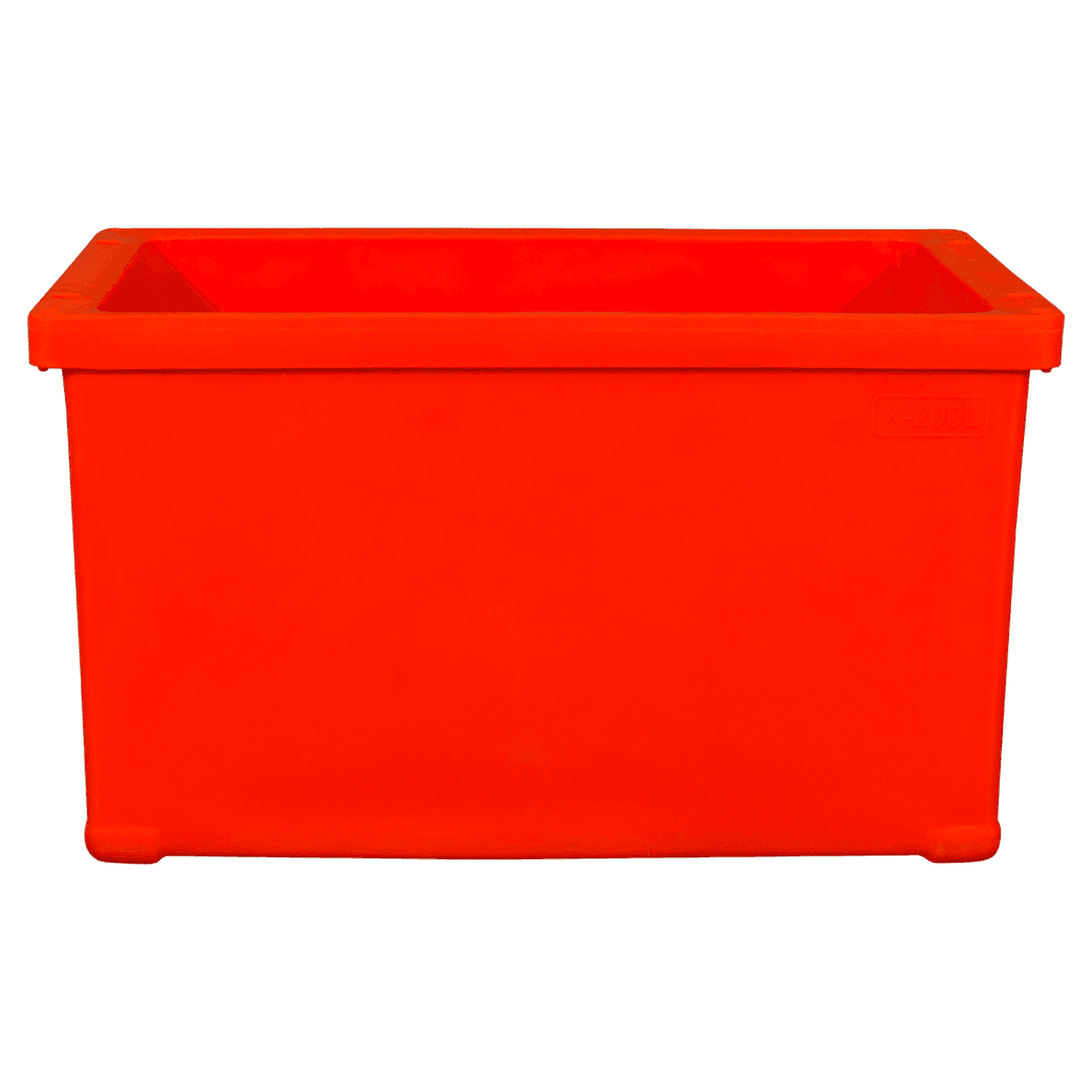
-4.png "X-120L Insulated Fish Bin Ice Cooler Box")
-4.png "X-70L Insulated Fishing Ice Cooler Box")
-2.png "X-68L Ice Cooler Box To Keep Food Cold And Fresh")
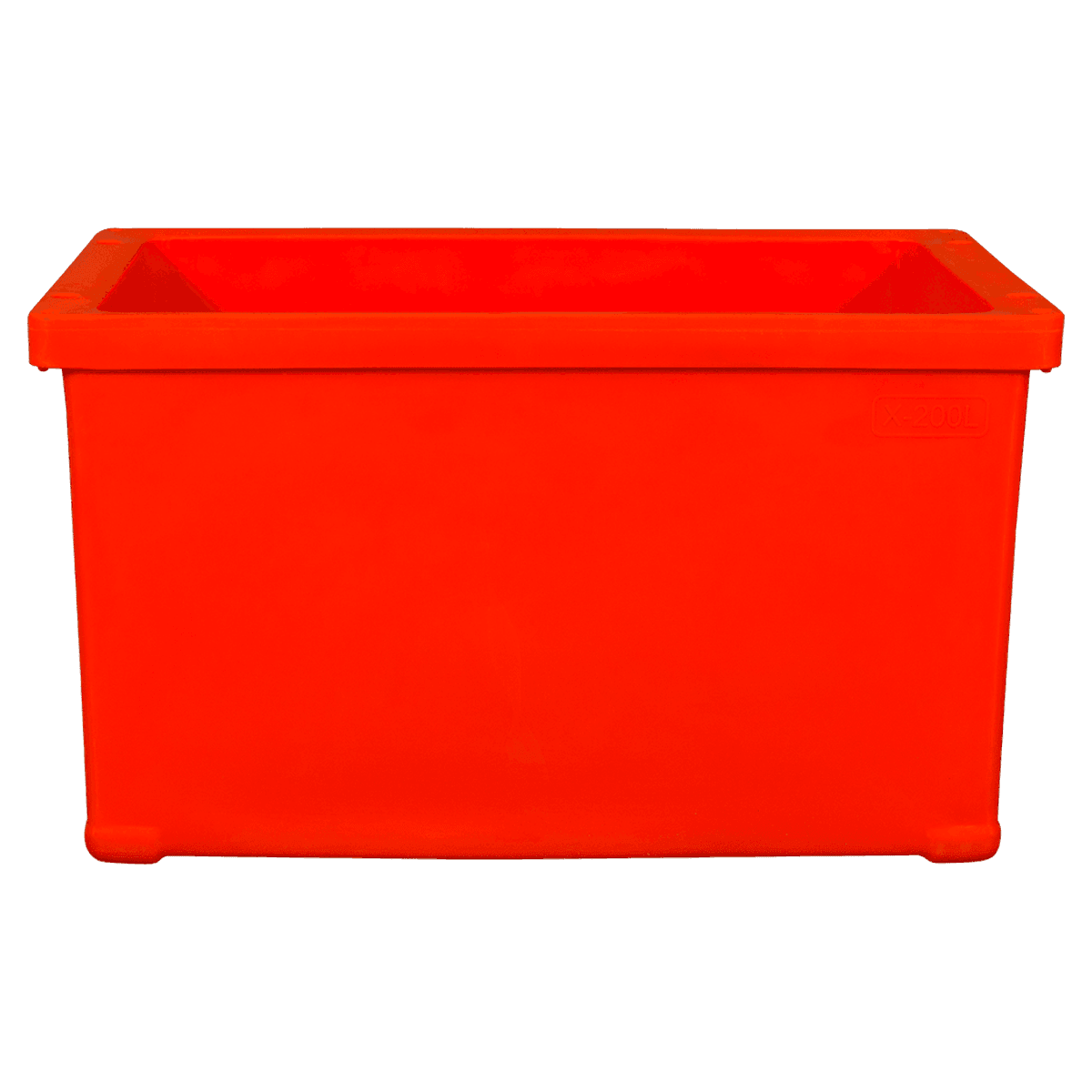
-2.png "X-120L Live Seafood Transportation Tanks")
-2.png "X-70L Live Seafood Transportation Tanks")