English
 Español
 عربى
عربى 中文简体
中文简体Content
- 1 1. Empty and Dry the Cooler After Each Use
- 2 2. Clean the Interior Thoroughly
- 3 3. Clean the Drain Plug
- 4 4. Use Disinfecting Solutions if Necessary
- 5 5. Dry the Cooler Completely
- 6 6. Check the Exterior for Damage
- 7 7. Lubricate the Latches and Hinges
- 8 8. Store Your Cooler Properly
- 9 9. Inspect the Seals and Gaskets
- 10 10. Seasonal Maintenance Tips
- 11 FAQ Section
- 12 References
Keeping your Ice Cooler Container clean and well-maintained is essential for its longevity and performance. A well-maintained cooler will not only preserve your food and drinks but also save you money in the long run.
1. Empty and Dry the Cooler After Each Use
After every use, make sure to remove any leftover ice, food, or drinks from the cooler. Leaving any residue inside can cause odors, mold growth, and rusting over time. Wipe the interior with a clean cloth to remove excess moisture. Avoid letting the cooler sit with water or ice for long periods after use, as this can create a breeding ground for bacteria and mold.
- Tip: If you store perishable foods like raw meat in your cooler, always clean it immediately after use to prevent contamination and lingering odors.
2. Clean the Interior Thoroughly
- Use Mild Soap and Water: Use a mild dish soap mixed with warm water to clean the interior of your cooler. Avoid using harsh chemicals or abrasive cleaning tools that could damage the cooler’s surfaces or affect food safety. A sponge or soft cloth works best to avoid scratching the cooler.
- For Stubborn Stains: If there are stubborn stains or odors, create a paste of baking soda and water. Apply it to the affected areas, scrub gently, and let it sit for about 10–15 minutes before rinsing. Baking soda is a great natural cleaner and deodorizer, helping to remove any lingering smells.
- Use a Long-Handled Brush: To reach the corners and bottom of the cooler, use a long-handled brush or bottle brush. This ensures a more thorough cleaning, particularly in areas that are hard to reach. These brushes are also great for cleaning the drain plug, which is often overlooked.
3. Clean the Drain Plug
Regularly clean the drain plug to ensure that water drains out properly and prevents any debris from building up inside your cooler.
- Check for Blockages: Remove the drain plug and check for any ice, dirt, or debris that might have accumulated. A blocked drain plug can cause water to pool inside, leading to mold and unpleasant smells.
- Clean with Soapy Water: Run warm, soapy water through the drain plug to loosen and flush out any trapped debris. Be sure to rinse thoroughly to remove any soap residue.
- Dry the Drain Plug: After cleaning, leave the drain plug open and allow it to air dry. This prevents moisture from lingering inside and helps avoid rusting.
Comparison of Drain Plug Cleaning Methods
| Cleaning Method | Effectiveness | Time Required | Tips |
|---|---|---|---|
| Soapy Water Flush | High | 10–15 minutes | Use warm water for better results |
| Baking Soda Paste | Medium | 10 minutes | Apply to stubborn stains |
| Vinegar and Water Solution | High | 5 minutes | Good for sanitizing and deodorizing |
4. Use Disinfecting Solutions if Necessary
Sometimes, regular soap and water aren’t enough to disinfect your cooler, especially if it’s been used for storing raw meat or other potentially harmful foods. A thorough disinfection is essential to maintain hygiene.
- Vinegar Solution: Create a disinfecting solution with one part vinegar and three parts water. Vinegar is an effective natural disinfectant and deodorizer. Pour the solution into the cooler, scrub with a soft cloth, and let it sit for 10-15 minutes before rinsing thoroughly.
- Non-toxic Disinfectants: There are also commercial, food-safe disinfectants available for cleaning coolers. Always read the label to ensure the product is safe for use with food storage containers. Follow the instructions on the label carefully.
- Rinsing: Once you’ve used a disinfecting solution, ensure that you rinse your cooler thoroughly to remove any residue, which could affect the taste and safety of your food and beverages.
5. Dry the Cooler Completely
Moisture inside your cooler can promote mold and mildew growth, which can cause unpleasant odors and damage to the cooler.
- Leave the Lid Open: After cleaning, leave the lid of your cooler open to allow it to dry fully. A well-ventilated area works best for this, and you can speed up the drying process by using a clean, dry towel to wipe the interior.
- Avoid Trapping Moisture: Never close the lid of your cooler when it is still wet or damp. This will trap moisture inside, leading to rust or mold development, especially around the seal and hinges.
6. Check the Exterior for Damage
Regularly inspect the cooler’s exterior for signs of wear or damage. Small cracks or chips could compromise its insulation, affecting its cooling efficiency.
- Inspect for Cracks and Leaks: Examine the outer shell for cracks, deep scratches, or dents that could allow air or water to leak in. Leaks reduce the cooler’s ability to keep contents cold.
- Repairing Small Issues: If you notice any small cracks, repair them immediately with appropriate sealant or patching materials. For larger damages, it may be worth replacing the cooler or seeking professional repairs.
7. Lubricate the Latches and Hinges
Cooler latches and hinges can wear out with frequent use, especially if they are exposed to water, salt, or sunlight.
- Use Food-Safe Lubricants: Lubricate the hinges and latches with food-safe silicone spray or petroleum jelly to prevent rusting and ensure smooth operation. Lubrication also helps keep the seals tight, which is essential for the cooler’s efficiency.
- Avoid Over-Lubricating: Use only a small amount of lubricant, as too much can attract dirt and debris, which could cause the latches to become stiff or malfunction.
8. Store Your Cooler Properly
Proper storage of your cooler when not in use can prevent damage and ensure that it stays in good condition.
- Store in a Dry, Cool Place: When not in use, store your cooler in a dry, cool place, away from direct sunlight and extreme temperatures. Prolonged exposure to the sun can degrade the materials, making the cooler less efficient.
- Leave It Open: Store your cooler with the lid slightly ajar to promote airflow. This prevents moisture from being trapped inside and helps to prevent mold and mildew growth.
9. Inspect the Seals and Gaskets
Rubber seals and gaskets play a key role in keeping your cooler insulated. Over time, these parts can wear out, reducing the cooler’s efficiency.
- Check for Wear: Inspect the rubber seals around the lid for signs of wear, cracks, or deformation. If the seal is damaged, replace it to maintain the cooler’s insulation and cooling power.
- Clean the Seals: Regularly clean the seals with mild soap and water, and dry them completely. Ensure they remain flexible and intact, as damaged seals can lead to air leaks and inefficient cooling.
10. Seasonal Maintenance Tips
Proper maintenance before and after each season ensures that your cooler remains in top condition throughout the year.
- Before Storing for the Off-Season: Clean your cooler thoroughly, allow it to dry completely, and leave the lid slightly open to prevent moisture build-up.
- Spring Maintenance: Before using your cooler again, inspect it for any damages, clean it if necessary, and check that all parts (like the drain plug, seals, and latches) are in good working order.
FAQ Section
Q1: How often should I clean my ice cooler container?
A: It’s ideal to clean your cooler after every use to prevent the build-up of bacteria, mold, or odors. For deeper cleaning, you should sanitize it every few months or if it’s been used to store raw food.
Q2: Can I use bleach to clean my cooler?
A: It’s best to avoid bleach, as it can damage the cooler’s surfaces and leave behind harmful residues. Instead, use mild soap, vinegar, or non-toxic disinfectants designed for food storage.
Q3: My cooler smells bad, how can I get rid of the odor?
A: You can eliminate bad smells by using baking soda or activated charcoal. Simply place an open box of baking soda or a few bags of charcoal inside the cooler and leave it for a couple of days.
Q4: How can I make my cooler last longer?
A: Proper cleaning, routine inspections, and careful storage are key to extending the life of your cooler. Make sure it’s always dry before storing it, and check for wear on the seals and latches regularly.
Q5: Can I leave my cooler in the sun?
A: No, prolonged exposure to direct sunlight can cause the cooler’s material to degrade, affecting its insulation properties. Always store your cooler in a cool, shaded area.
References
- “How to Clean and Maintain a Cooler.” Camping & Outdoor Gear Guide. 2022.
- Smith, R. (2020). The Complete Guide to Cooler Maintenance. Outdoors Publishing.
- Miller, J. (2021). Long-Lasting Coolers: A Buyer’s Guide. CoolTech Media.
- “Disinfecting Coolers: Why It’s Important.” Food Safety Weekly. March
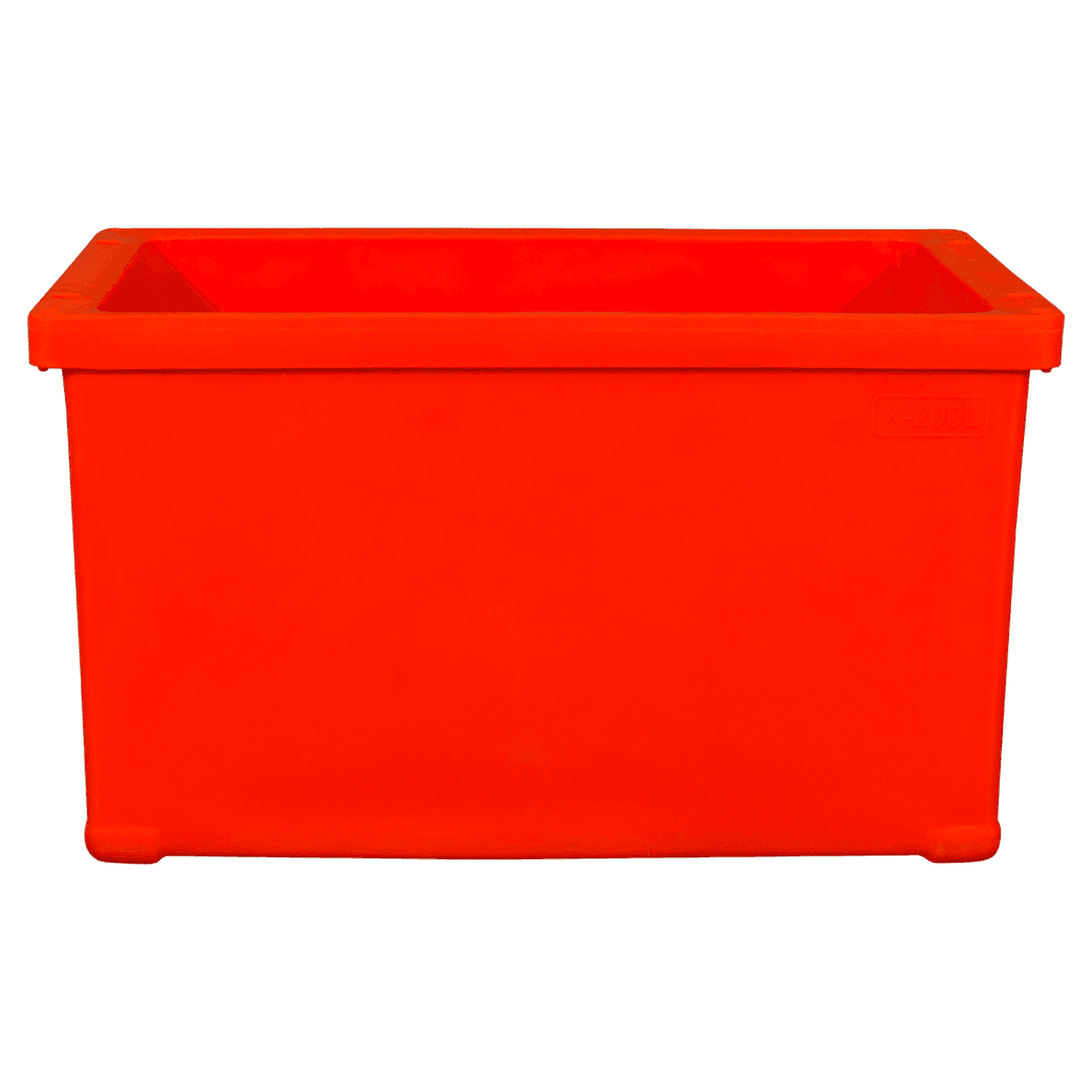
-4.png "X-120L Insulated Fish Bin Ice Cooler Box")
-4.png "X-70L Insulated Fishing Ice Cooler Box")
-2.png "X-68L Ice Cooler Box To Keep Food Cold And Fresh")
-2.png "X-120L Live Seafood Transportation Tanks")
-2.png "X-70L Live Seafood Transportation Tanks")