English
 Español
 عربى
عربى 中文简体
中文简体Content
- 1 The Science of Insulation: Choosing Between Hard-Sided and Soft-Sided Ice Cooler Containers
- 2 Capacity Planning: The “2:1 Ice-to-Food Ratio” and Sizing Metrics
- 3 Essential Features: From Freezer-Grade Gaskets to Drainage Engineering
- 4 Operational Best Practices: Pre-Chilling and Packing Techniques
- 5 FAQ: Frequently Asked Questions about Ice Cooler Containers
- 6 References and Technical Sources
The Science of Insulation: Choosing Between Hard-Sided and Soft-Sided Ice Cooler Containers
When selecting an ice cooler container, the first major decision involves the structural build: Hard-sided versus Soft-sided. This choice dictates not only how long your ice will last but also how you will transport your supplies. Hard-sided coolers, particularly those utilizing rotomolded technology, are the industry standard for extreme ice retention. These containers are manufactured using a rotating mold process that results in a consistent, thick-walled plastic shell with no seams. This lack of seams is crucial because seams are often the primary point of thermal leakage. Within these walls, high-density polyurethane foam is pressure-injected, creating a thermal barrier that can keep contents frozen for 5 to 10 days, even in high-ambient temperatures.
Understanding Rotomolded vs. Injection Molded
While both are hard-sided, rotomolded coolers are significantly more durable than traditional injection-molded “budget” coolers. Injection-molded units often have hollow walls or thin insulation, making them suitable only for afternoon picnics or short day trips. In contrast, a premium rotomolded ice cooler container can withstand the weight of an adult standing on it and is often certified as “bear-resistant,” an essential feature for campers heading into rugged national parks.
The Versatility of Soft-Sided Coolers
On the other hand, soft-sided ice cooler containers have seen a technological revolution. No longer just flimsy lunch bags, modern versions utilize closed-cell foam insulation and waterproof, TPU-laminated fabrics. Their primary advantage is portability and weight. A soft cooler is much easier to carry via backpack straps or shoulder slings, making it the best choice for kayaking, hiking to a remote beach, or any scenario where you must move frequently. However, they typically offer a shorter cooling window of 12 to 48 hours, making them better suited for overnight trips rather than week-long expeditions.
Capacity Planning: The “2:1 Ice-to-Food Ratio” and Sizing Metrics
One of the most common mistakes campers make is choosing an ice cooler container that is either too small to hold enough ice or too large, leaving excess air pockets that accelerate melting. In the world of professional outdoor gear, capacity is measured in quarts or liters, but for a consumer, it is more practical to think in terms of “can capacity” or “days of food for a specific group size.” To maintain professional-grade ice retention, you must follow the 2:1 ratio: two-thirds of your cooler should be filled with ice, and only one-third with food and beverages.
Matching Cooler Size to Trip Duration
If you are planning a solo weekend trip, a 20-quart cooler is often sufficient. However, for a family of four on a three-day camping trip, you will likely need at least a 45- to 60-quart container. Large-scale expeditions or hunting trips usually require 75-quart to 110-quart units. It is important to remember that a larger cooler isn’t always better. If a 75-quart cooler is only half-full, the large volume of “dead air” inside will cause the ice to sublime and melt much faster than it would in a smaller, tightly packed 45-quart unit.
Comparison Table: Ice Cooler Container Specs by Use Case
| Feature | Day Trip Cooler | Weekend Camper | Expedition Grade |
|---|---|---|---|
| Typical Capacity | 10 - 25 Quarts | 35 - 55 Quarts | 65 - 110+ Quarts |
| Ice Retention | 12 - 24 Hours | 3 - 5 Days | 7 - 10+ Days |
| Best Material | Soft-sided TPU / Fabric | Heavy-duty Plastic | Rotomolded Polyethylene |
| Portability | High (Backpack/Shoulder) | Medium (Two-person carry) | Low (Heavy/Stationary) |
| Ideal For | Hiking, Picnics | Family Camping | Off-grid, Fishing, Hunting |
Essential Features: From Freezer-Grade Gaskets to Drainage Engineering
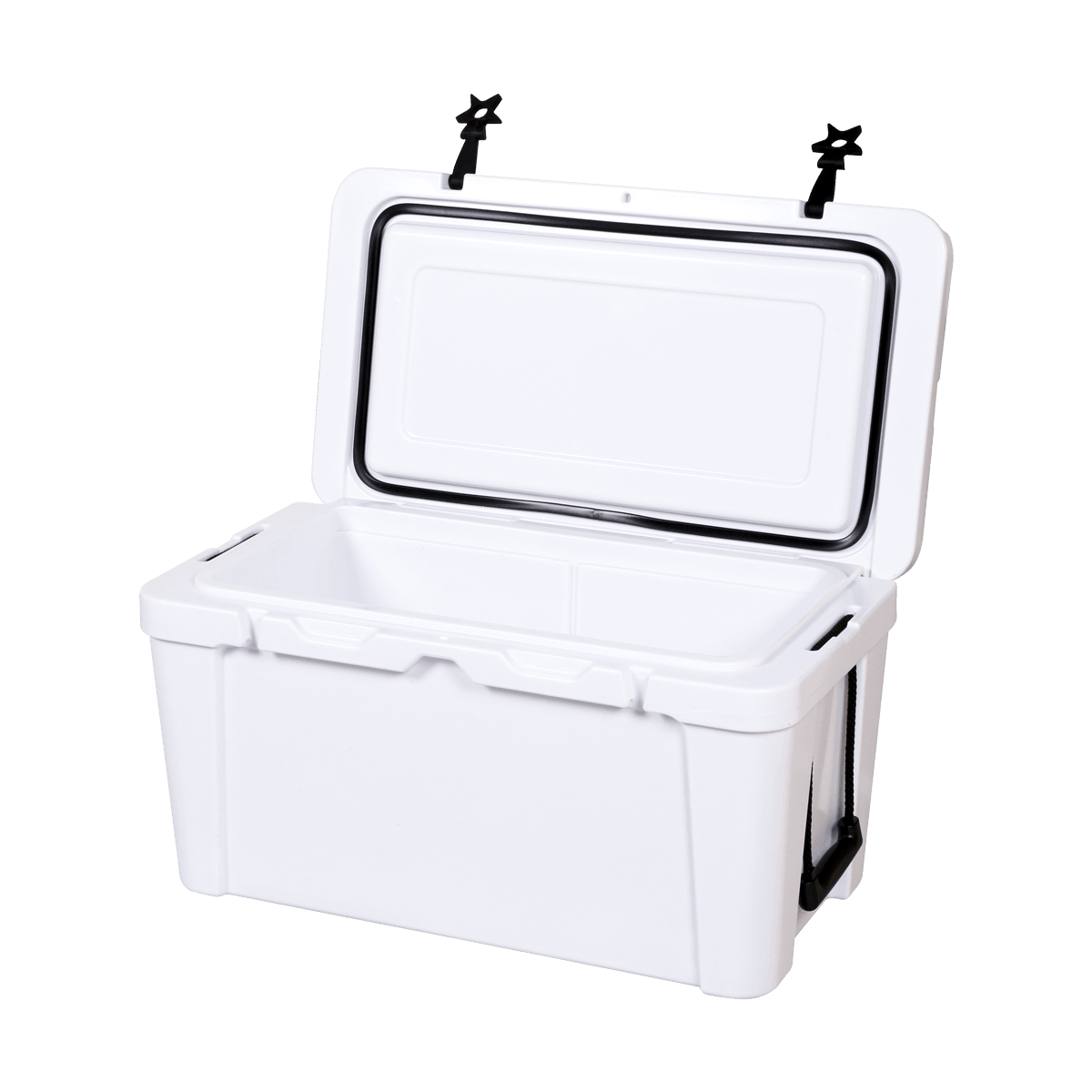
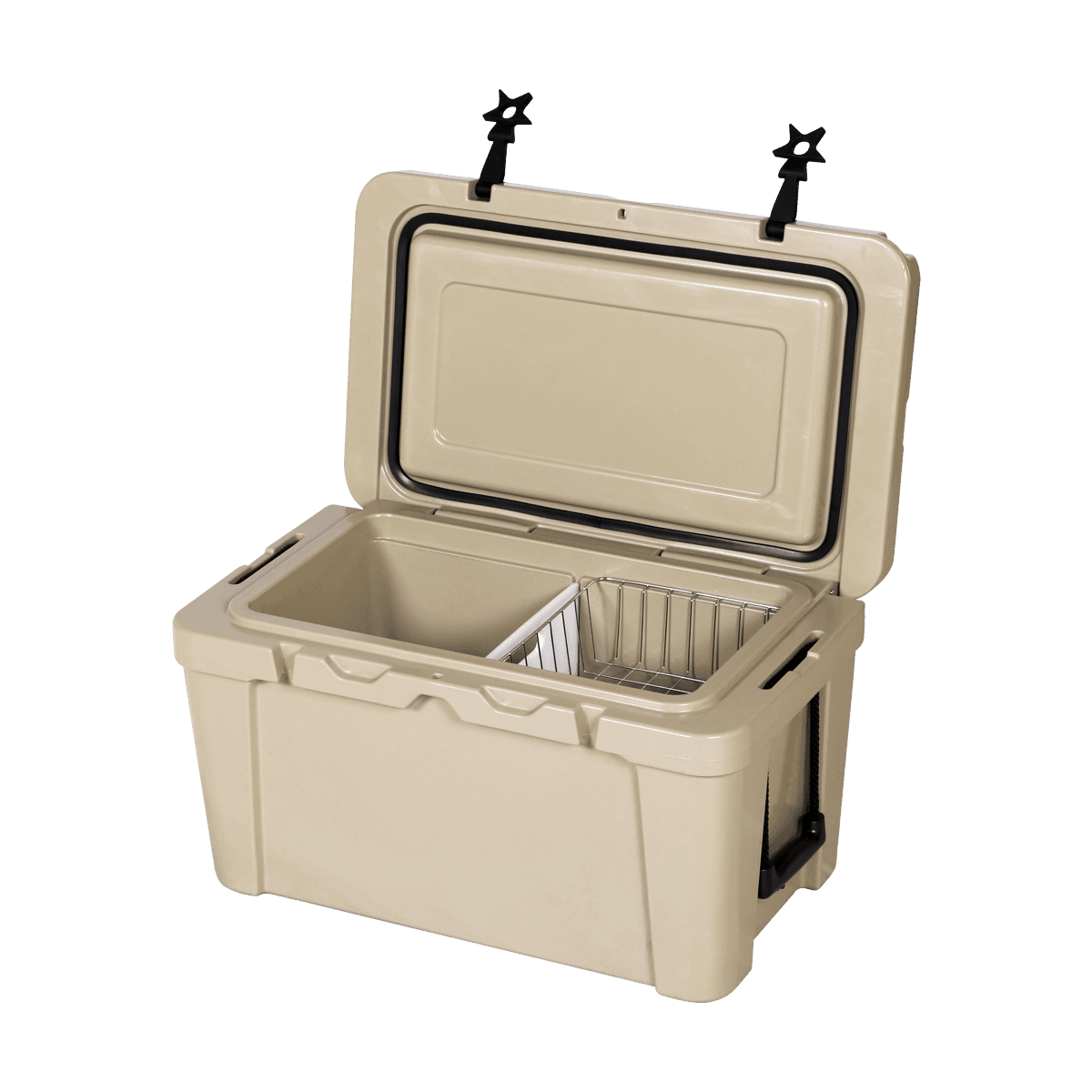
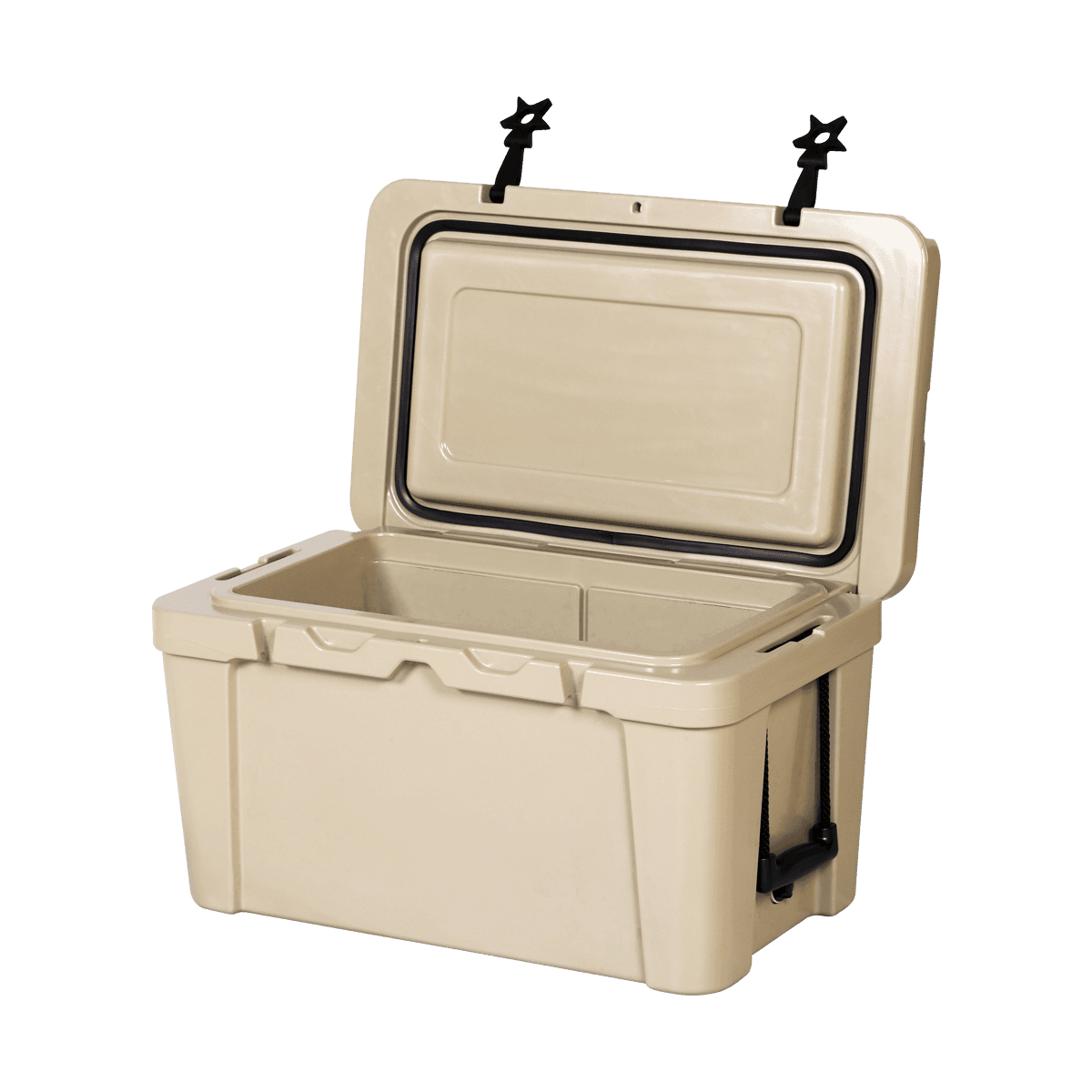
A high-performance ice cooler container is more than just an insulated box; it is a precision-engineered tool. The most critical component of any cooler is the gasket. Similar to the seal on a commercial freezer, a professional cooler uses a thick, silicone or rubber gasket that runs the entire perimeter of the lid. When the latches are closed, this gasket creates an airtight seal that prevents “thermal exchange”—the process where cold air sinks and escapes out of the bottom while warm air seeps in through the top.
Hardware and Durability
The hardware of the cooler—specifically the latches and hinges—should be built to last. Look for “T-Grip” latches made of heavy-duty rubber. These provide constant downward pressure on the lid, ensuring the gasket remains compressed. Furthermore, integrated hinges with a full-length stainless steel pin are far superior to plastic snap-on hinges, which are prone to breaking under the sun’s UV rays or through frequent use.
Advanced Drainage and Cleaning
Effective drainage systems are often overlooked but are vital for long-term use. A high-quality ice cooler container will feature a sloped floor leading to a recessed drain plug. This allows you to drain the meltwater without losing your ice or having to tip a 100-pound cooler on its side. Some premium models even offer a “dual-drain” system or a vacuum-release button, which is helpful when the internal pressure drops so low that the lid becomes “vacuum-sealed” and difficult to open.
Operational Best Practices: Pre-Chilling and Packing Techniques
To get the most out of your ice cooler container, you must understand that temperature management starts at home. If you take a cooler from a 30°C garage and immediately fill it with ice, the ice will spend its initial energy cooling down the insulation of the container itself. This is why pre-chilling is the secret weapon of experienced campers. By placing a “sacrificial” bag of ice or frozen jugs in the cooler 12 to 24 hours before your trip, you bring the internal temperature of the insulation down to near freezing.
Strategic Packing Layers
How you pack the container also affects its performance. Follow these layers for maximum efficiency:
- Bottom Layer: Large blocks of ice. Block ice has less surface area than cubes and melts much slower.
- Middle Layer: Frozen meats and heavy items. These act as secondary cooling blocks.
- Top Layer: Delicate items like eggs, vegetables, and fruit, placed in dry bins or on top of the ice.
- Top-Off: Fill all remaining gaps with “crushed ice” to eliminate air pockets.
Managing the Meltwater
A common debate is whether to drain the meltwater. For food safety, you should always keep food out of the water to prevent cross-contamination. However, cold water actually helps insulate the remaining ice better than air does. If your food is in watertight containers or high-quality dry racks, leave the cold water in until you are ready to add more ice. This maintains the “thermal mass” of the container and extends the life of your remaining ice.
FAQ: Frequently Asked Questions about Ice Cooler Containers
Q1: Why is my ice melting so fast in a brand-new rotomolded cooler?
A: This is usually due to a lack of “pre-chilling.” If the cooler’s insulation is warm when you pack it, the ice will melt rapidly to cool the walls. Always prime your cooler 24 hours in advance.
Q2: What is the difference between “BPA-free” and “Food-Safe” plastics in coolers?
A: BPA-free means the plastic does not contain Bisphenol A, a harmful chemical. Food-safe (or FDA-compliant) means the plastic liner won’t leach chemicals into your food even if it makes direct contact. Our ice cooler containers meet both standards for maximum safety.
Q3: Can I use dry ice in my ice cooler container?
A: Only if the cooler is specifically rated for “Dry Ice.” Dry ice (solid CO2) is extremely cold (-78.5°C) and can crack the plastic of standard coolers. It also turns into gas, so the cooler must have a way to vent pressure to avoid bursting.
Q4: How do I remove stubborn odors from my cooler after a fishing trip?
A: Clean the interior with a mixture of water and baking soda. For extreme odors, a diluted bleach solution (1 part bleach to 10 parts water) followed by thorough air-drying in the sun will neutralize bacteria.
References and Technical Sources
- ASTM International (Standard F2413): Performance Specifications for Insulated Thermal Containers. This provides the testing metrics for R-value and thermal resistance in polyurethane foam.
- IGBC (Interagency Grizzly Bear Committee): Bear-Resistant Container Testing Protocols. Standards for the structural integrity of hard-sided ice cooler containers in wilderness areas.
- Journal of Food Protection: Thermal Stability of Perishable Foods in Portable Insulated Units. A study on the correlation between ice-to-food ratios and bacterial growth inhibition.
- Textile Science & Technology: Advances in TPU-Lamination for Soft-Sided Thermal Barriers. Technical insights into the durability and leak-proof nature of modern soft-sided coolers.
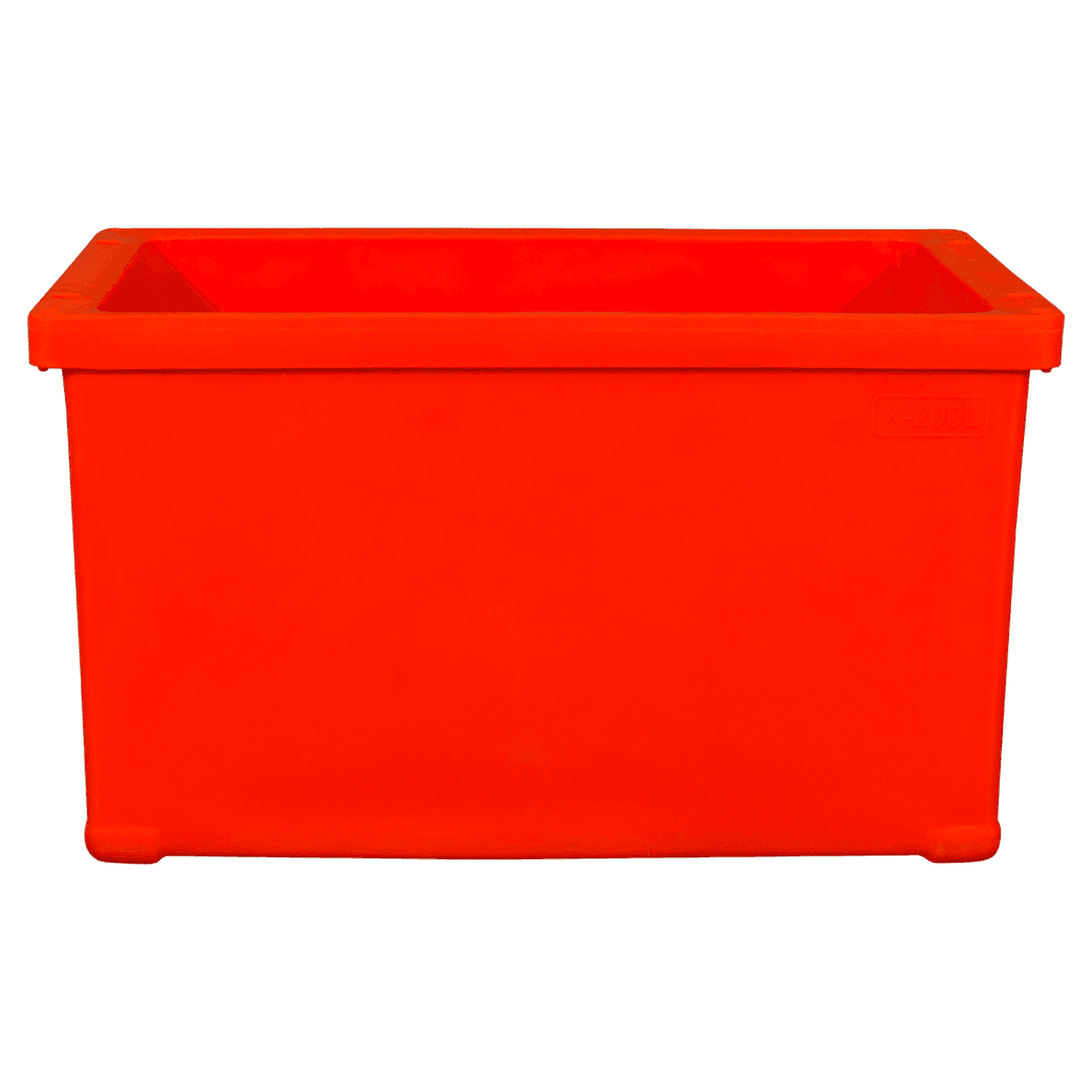
-4.png "X-120L Insulated Fish Bin Ice Cooler Box")
-4.png "X-70L Insulated Fishing Ice Cooler Box")
-2.png "X-68L Ice Cooler Box To Keep Food Cold And Fresh")
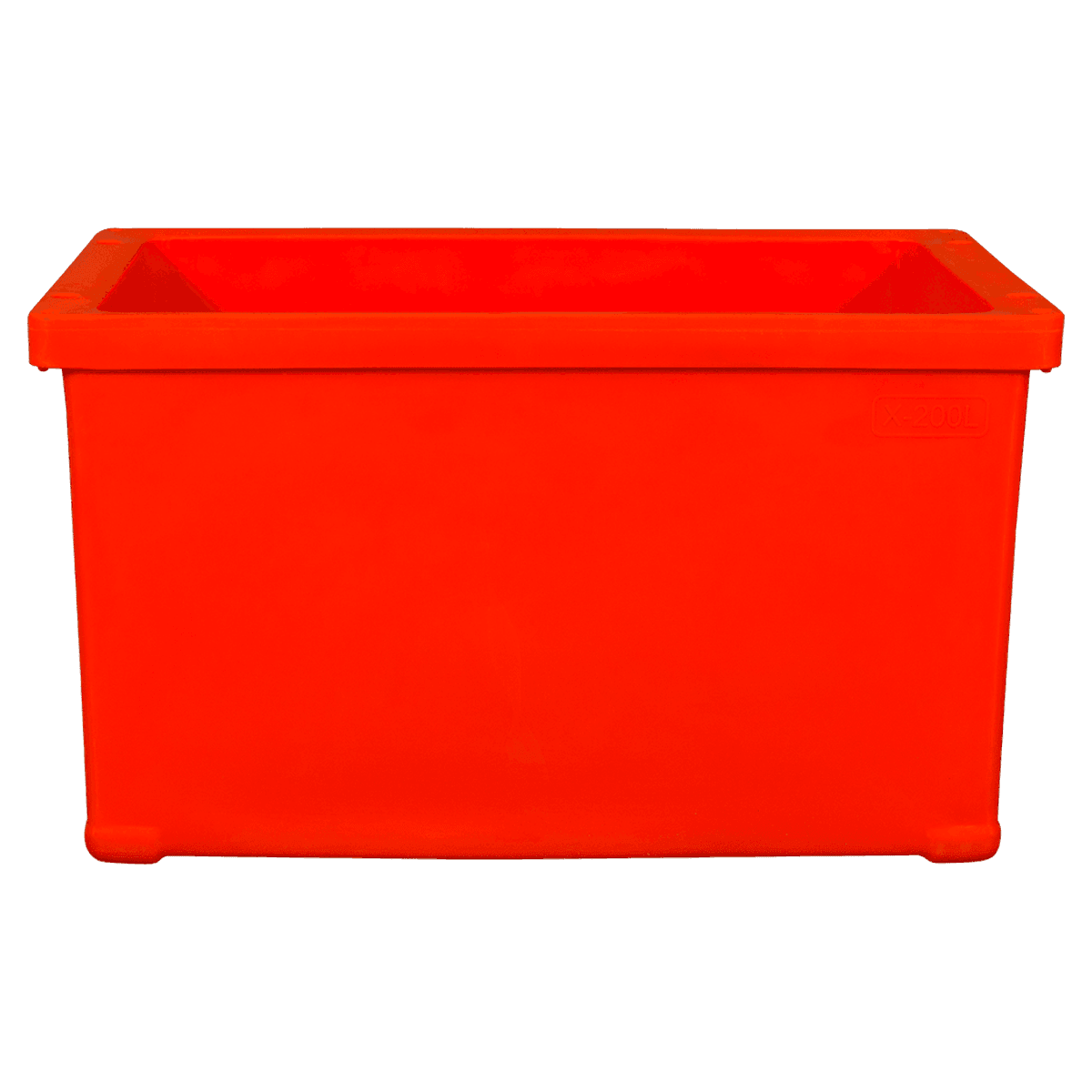
-2.png "X-120L Live Seafood Transportation Tanks")
-2.png "X-70L Live Seafood Transportation Tanks")