English
 Español
 عربى
عربى 中文简体
中文简体Content
- 1 The Short Answer: It Depends on the Type
- 2 Ice Retention by Cooler Type: A Side-by-Side Comparison
- 3 Key Factors That Determine How Long Ice Lasts
- 4 Block Ice vs. Cubed Ice: Which Lasts Longer?
- 5 Food Safety: The Temperature Threshold You Cannot Ignore
- 6 Practical Recommendations by Trip Length
- 7 Final Takeaway: Maximize Your Cooler's Potential
Understanding ice retention performance is the key to safe food storage and smarter outdoor planning.
The Short Answer: It Depends on the Type
Most standard ice cooler containers keep food cold for 12 to 24 hours. However, premium hard-sided coolers from brands like YETI, Pelican, or Igloo can maintain temperatures below 40°F (4°C) for 5 to 10 days under ideal conditions. Soft-sided coolers, on the other hand, typically last 1 to 3 days at best.
The range is wide because ice retention is influenced by multiple variables — insulation thickness, ice-to-food ratio, ambient temperature, and how often you open the lid. This article breaks down each factor so you can set realistic expectations and make the most of your cooler.
Ice Retention by Cooler Type: A Side-by-Side Comparison
Different ice cooler containers are built for different use cases. Here is how they compare in real-world conditions at an ambient temperature of around 75°F (24°C):
| Cooler Type | Ice Retention | Best For | Price Range |
|---|---|---|---|
| Basic Soft-Sided Cooler | 12–24 hours | Day trips, lunch | $15–$50 |
| Premium Soft-Sided Cooler | 1–3 days | Weekend hikes | $80–$200 |
| Standard Hard-Sided Cooler | 2–4 days | Camping, road trips | $40–$120 |
| Rotomolded Premium Cooler | 5–10 days | Extended expeditions | $200–$600+ |
| Dry Ice Compatible Container | Up to 14 days | Long-haul transport | $250–$700+ |
Key Factors That Determine How Long Ice Lasts
1. Insulation Thickness
This is the single biggest differentiator between coolers. Budget coolers typically have 0.5 to 1 inch of foam insulation. Rotomolded coolers like the YETI Tundra feature up to 3 inches of polyurethane foam, which dramatically slows heat transfer and is why they outperform by days, not hours.
2. Ice-to-Content Ratio
A commonly overlooked rule: aim for a 2:1 ice-to-food ratio by volume. Packing a 45-quart cooler with only 10 lbs of ice and filling the rest with warm groceries will melt ice within hours. Use at least 20–25 lbs of ice for a half-full 45-quart container for multi-day trips.
3. Ambient Temperature
Coolers stored in direct sunlight at 95°F (35°C) can lose ice twice as fast as those kept in the shade at 75°F (24°C). Even a premium rotomolded cooler rated for 10 days may only last 4–5 days in desert heat. Always shade your cooler and place it on an insulating surface rather than hot pavement.
4. Pre-Chilling the Cooler
A room-temperature cooler absorbs heat before any food or ice is packed. Pre-chill your ice cooler container at least 2–4 hours before use by placing a bag of sacrifice ice inside. This can add 30–50% more effective cooling time compared to packing a warm cooler.
5. Lid Opening Frequency
Each time the lid is opened, warm air rushes in. In tests, coolers opened every 30 minutes lost ice up to 40% faster than coolers opened just once or twice a day. Keep a separate small cooler for frequently accessed drinks to protect your main food cooler.
Block Ice vs. Cubed Ice: Which Lasts Longer?
The type of ice you use matters more than most people realize:
- Block ice lasts significantly longer — typically 2 to 3 times as long as cubed ice because it has less surface area exposed to heat.
- Cubed or crushed ice cools food faster and fills gaps better, making it great for drinks or quick chilling.
- Dry ice (solid CO₂) can last up to 24–48 hours per 10 lbs and keeps food frozen rather than just cold — ideal for long trips, but requires proper handling.
For multi-day trips, the best strategy is to use a combination: block ice at the bottom for longevity, and cubed ice layered on top around food items for rapid and even contact cooling.
Food Safety: The Temperature Threshold You Cannot Ignore
Regardless of how long your ice lasts, the critical benchmark for food safety is keeping perishables at or below 40°F (4°C). According to the USDA, foods left in the "danger zone" between 40°F and 140°F (4°C–60°C) for more than 2 hours are at risk of bacterial growth.
Practical tips for staying in the safe zone:
- Pack raw meats at the bottom, sealed in watertight bags, so meltwater does not contaminate other foods.
- Use a small thermometer inside the cooler — do not guess based on whether ice is still present.
- Drain meltwater only when it accumulates significantly; a small amount of cold water actually helps maintain temperature.
Practical Recommendations by Trip Length
| Trip Duration | Recommended Cooler | Ice Strategy |
|---|---|---|
| Half-day / Day trip | Soft-sided cooler | Cubed ice or ice packs |
| Weekend (2–3 days) | Standard hard-sided cooler | Block + cubed ice combo |
| Extended camping (4–7 days) | Rotomolded premium cooler | Block ice, pre-chilled cooler |
| Expedition / 7+ days | Dry ice-compatible cooler | Dry ice + block ice, layered |
Final Takeaway: Maximize Your Cooler's Potential
An ice cooler container is only as effective as how you use it. Even a basic $30 cooler can outperform expectations if you pre-chill it, use block ice, maintain the right ice ratio, and keep it out of the sun. Conversely, even a $400 rotomolded cooler will underperform if packed warm and left in direct sunlight.
The bottom line: match your cooler type to your trip length, pack it right, and ice retention will rarely disappoint you. Invest in insulation quality for long trips, and invest in smart habits for every trip.
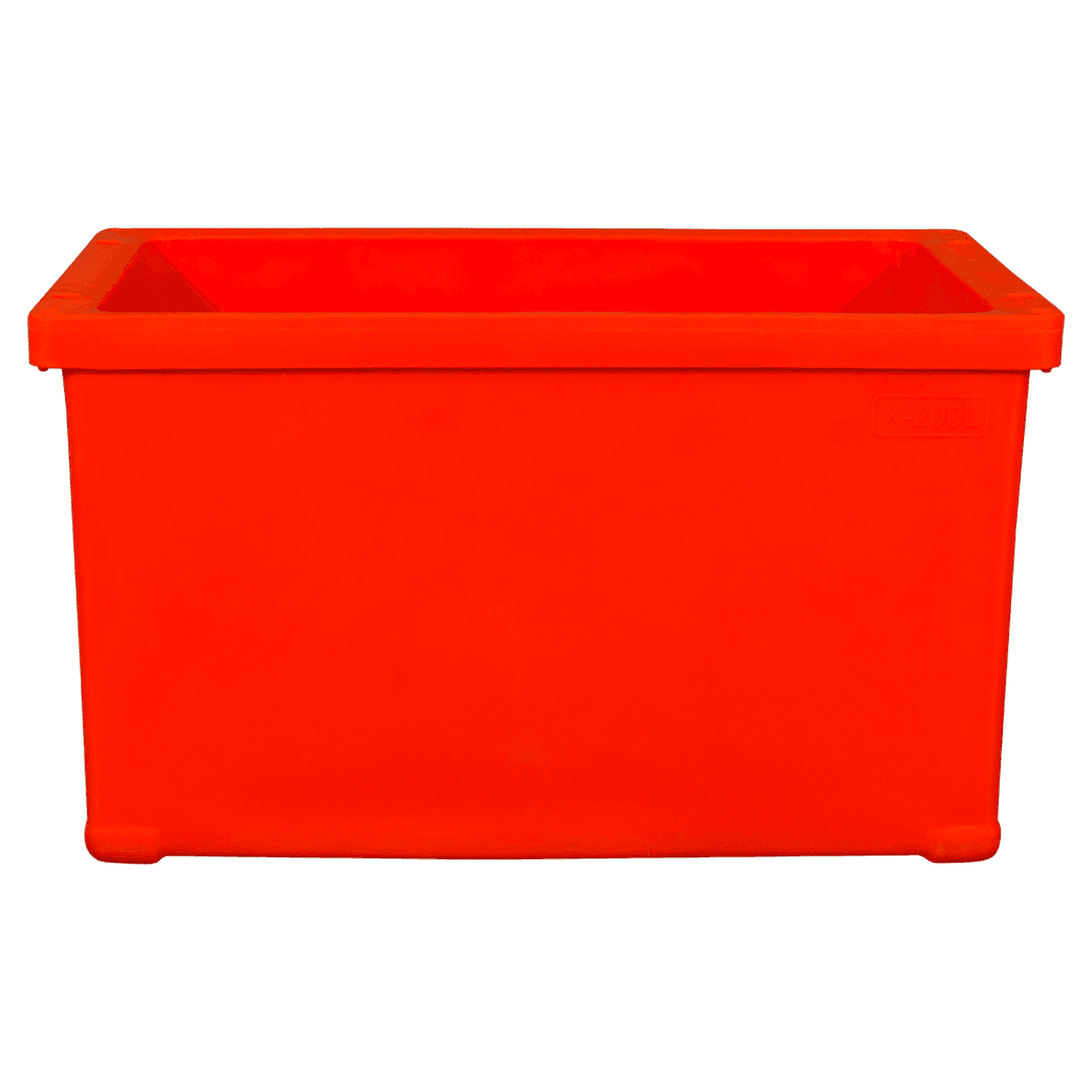
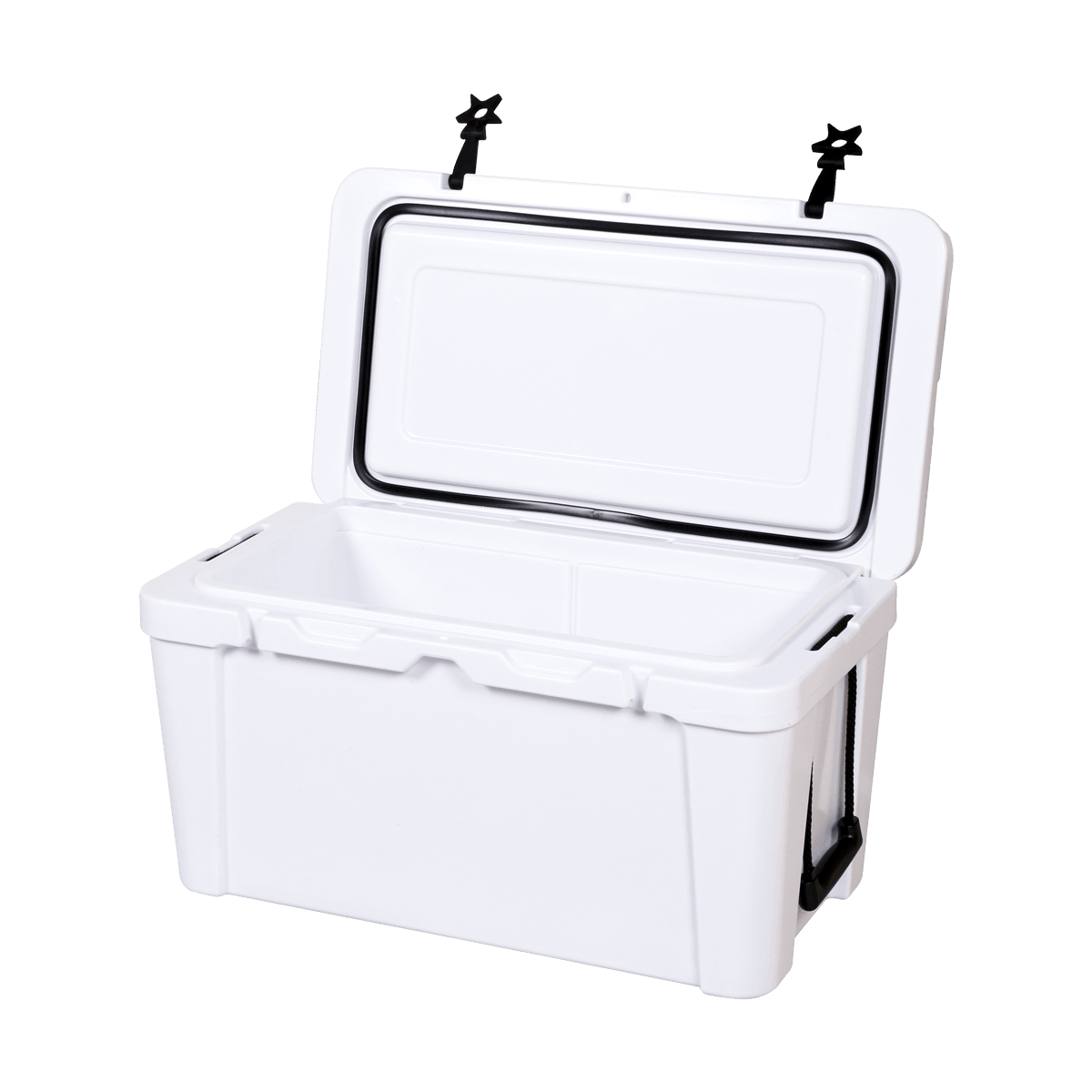
-4.png "X-120L Insulated Fish Bin Ice Cooler Box")
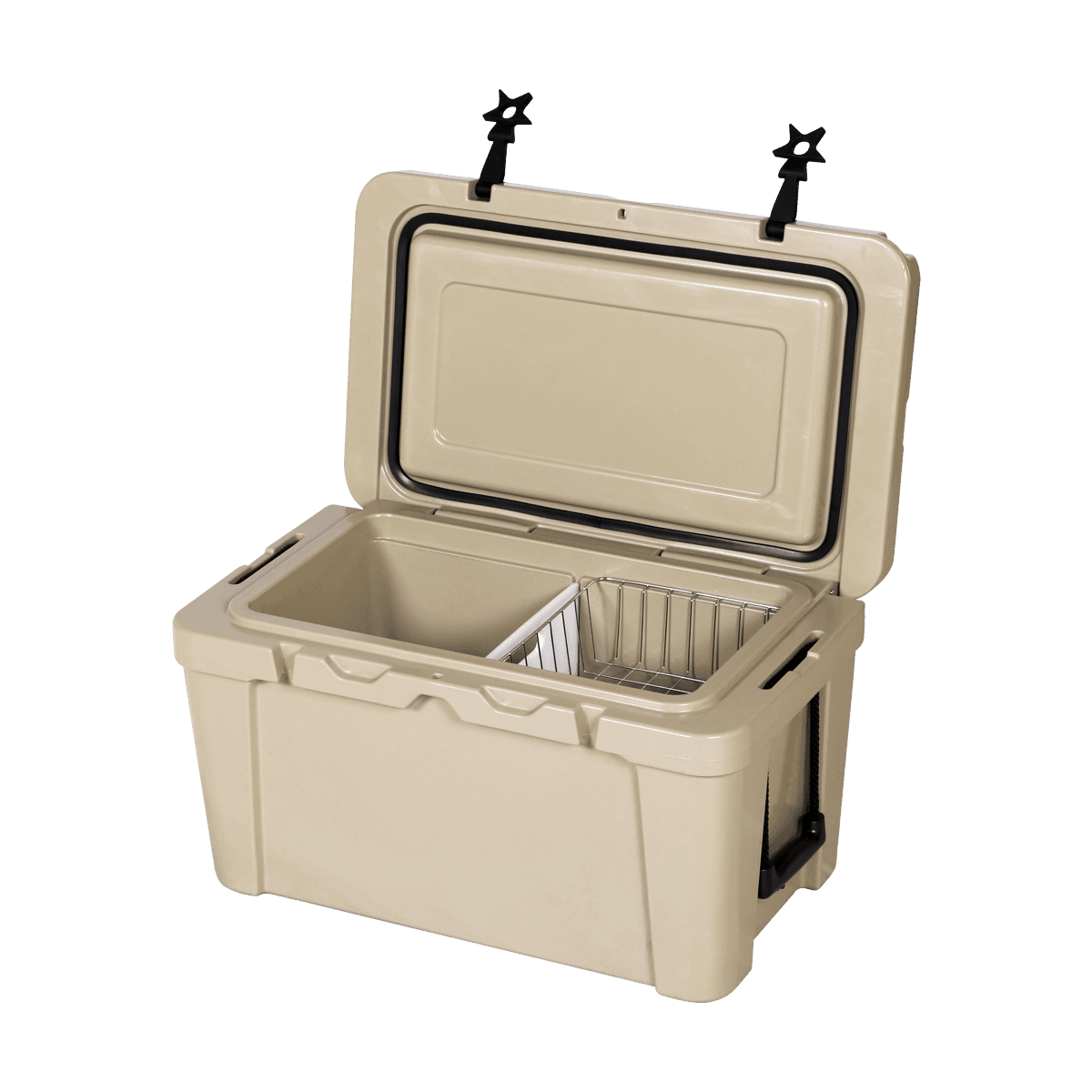
-4.png "X-70L Insulated Fishing Ice Cooler Box")
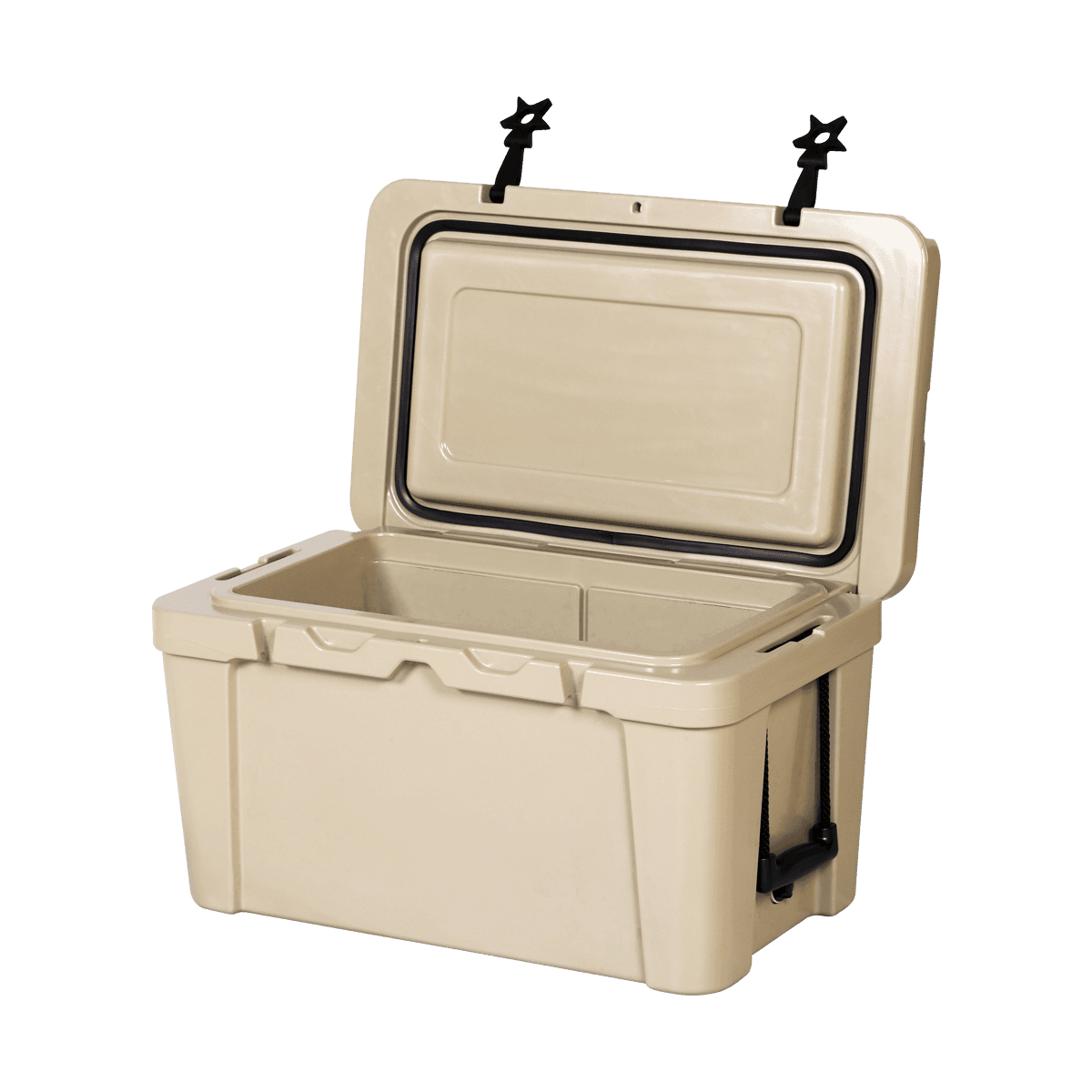
-2.png "X-68L Ice Cooler Box To Keep Food Cold And Fresh")
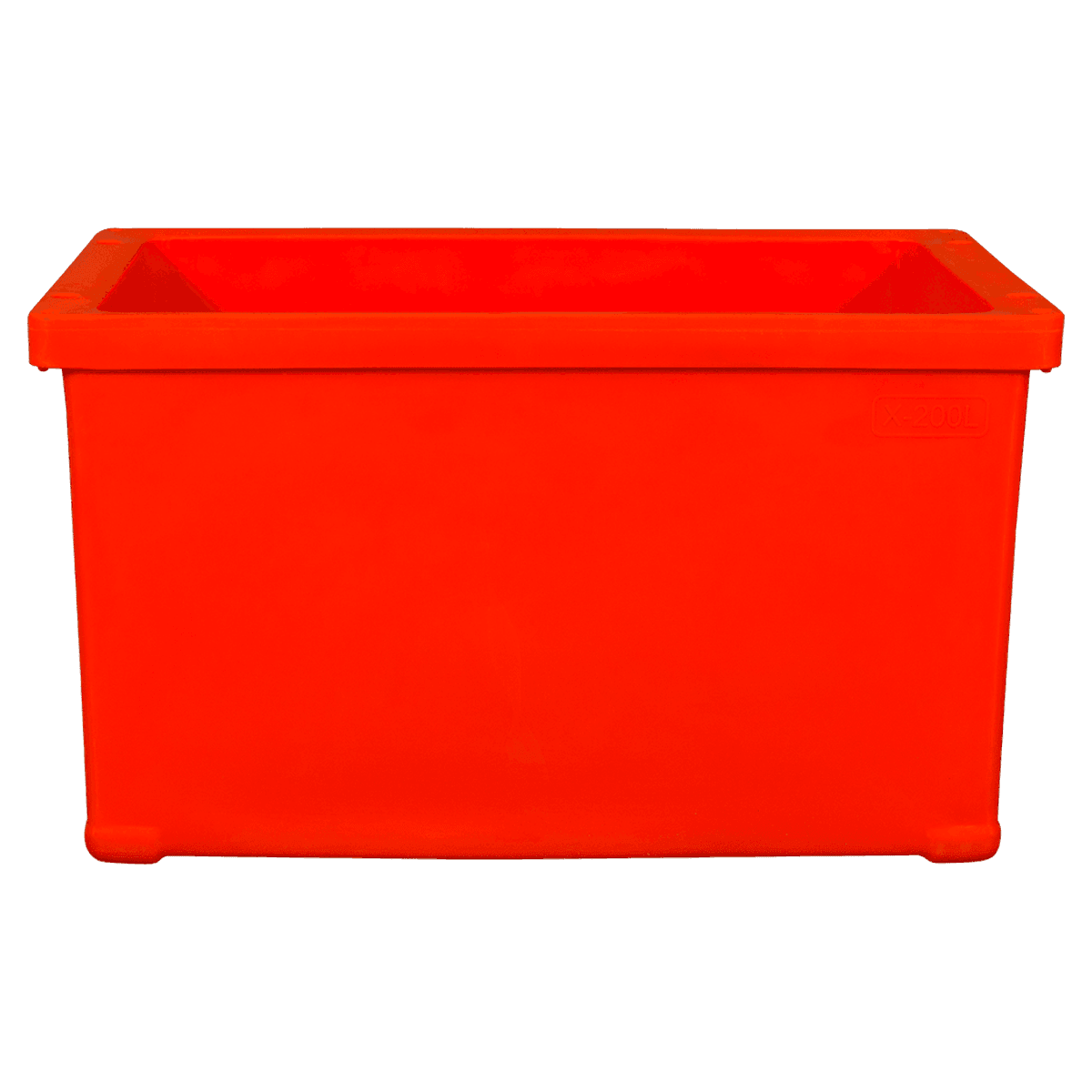
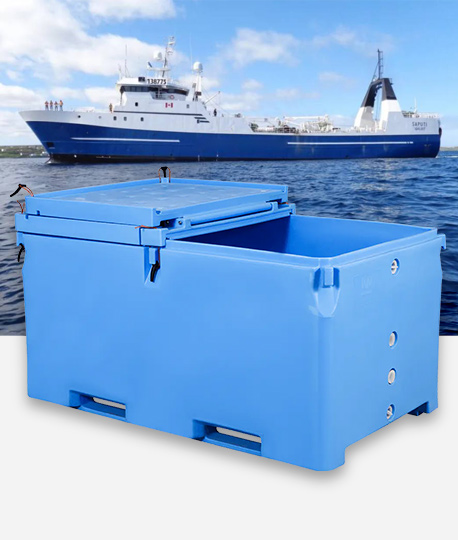
-2.png "X-120L Live Seafood Transportation Tanks")
-2.png "X-70L Live Seafood Transportation Tanks")