English
 Español
 عربى
عربى 中文简体
中文简体Content
- 1 Advanced Insulation Materials for Thermal Stability
- 2 Active Cooling Systems and Refrigeration Technology
- 3 Passive Cooling Solutions for Cost-Effective Transport
- 4 Real-Time Temperature Monitoring and IoT Integration
- 5 Proper Packaging and Load Management
- 6 Regulatory Compliance and Quality Assurance
- 7 Key Components of Cold-Chain Temperature Control
- 8 FAQ
- 9 References
In the context of the increasingly globalized supply chain, cold-chain logistics has become an indispensable component in industries such as food, pharmaceuticals, and bioproducts. The core of temperature-controlled transport lies in specialized logistics and cold-chain containers, which ensure that products remain within the required temperature range throughout the entire journey, preventing spoilage, degradation, or safety risks. Whether it is international shipping or last-mile delivery, cold-chain containers use multiple technologies to achieve precise temperature control and end-to-end traceability.
Advanced Insulation Materials for Thermal Stability
High-Performance Insulation Materials
The primary method by which cold-chain containers maintain temperature stability is through advanced insulation materials. These include polyurethane foam (PU), vacuum insulated panels (VIP), and expanded polystyrene (EPS), all of which have extremely low thermal conductivity and significantly reduce heat exchange between the internal and external environment. High-performance insulation is especially crucial for long-distance transport or extreme climate conditions, as it effectively shields internal goods from external temperature fluctuations.
Multi-Layer Designs and Sealing Systems
In addition to material selection, cold-chain containers often adopt multi-layer composite designs, such as reflective barriers, air insulation layers, and moisture-resistant layers, to further enhance thermal performance. Container doors typically use high-sealing rubber gaskets and locking mechanisms to prevent cold air leakage. These designs not only improve temperature stability but also significantly reduce energy consumption.
Impact on Transport Safety
High-quality insulation systems can extend the period a container can maintain its temperature without power, which is particularly important during transshipment, loading/unloading, or unforeseen delays. In pharmaceutical transport, even minor temperature fluctuations can compromise product efficacy, making superior insulation a fundamental requirement for product quality assurance.
Active Cooling Systems and Refrigeration Technology
How Refrigeration Systems Work
Active cooling systems are a core technology for precise temperature control in cold-chain containers. They operate through a compressor, condenser, and evaporator cycle that removes heat from the container to maintain a set temperature. Modern refrigerated containers (reefers) can maintain temperatures from -30°C to +25°C, covering a wide range of product requirements.
Smart Temperature Control and Automatic Adjustment
Advanced refrigeration units are equipped with intelligent control systems that automatically adjust cooling output based on internal temperature changes. For example, if the internal temperature rises due to door openings or environmental fluctuations, the system increases cooling power to restore the desired temperature. This dynamic adjustment capability greatly improves the stability and reliability of the transport process.
Multi-Energy Power Supply
To adapt to different transport scenarios, cold-chain containers typically support multiple power options, including vehicle power, external power, or battery operation. During maritime, air, or land transportation, seamless switching between power sources ensures continuous operation of the refrigeration system, preventing any temperature interruptions.
Passive Cooling Solutions for Cost-Effective Transport
Application Scenarios for Passive Cooling
Passive cooling systems are commonly used for short-distance transport or cost-sensitive logistics scenarios. These rely on cooling materials such as ice packs, dry ice, or phase change materials (PCMs) to maintain temperature without external power. This approach is widely applied in pharmaceutical delivery, e-commerce fresh produce, and vaccine transport.
Advantages of Phase Change Materials (PCM)
PCM absorbs or releases heat at a specific temperature, helping maintain a stable internal environment. For example, PCM packs designed for 2–8°C absorb heat as the temperature rises, slowing internal temperature fluctuations. This property makes them ideal for maintaining product integrity during cold-chain transport.
Balancing Cost and Efficiency
Compared with active refrigeration, passive systems are simpler, lighter, and more cost-effective, making them particularly suitable for air freight and last-mile delivery. However, their effective temperature maintenance time is limited, so they are often combined with high-performance insulation materials to extend cold-chain duration.
Real-Time Temperature Monitoring and IoT Integration
Importance of Real-Time Monitoring
In modern cold-chain logistics, real-time monitoring technology is essential. Sensors for temperature, humidity, and data loggers are installed in containers to continuously monitor the environment. This data is critical for ensuring product quality and meeting regulatory requirements.
IoT and Cloud Platform Applications
IoT technology allows real-time transmission of container data to cloud platforms, enabling logistics managers to track shipments at any time. When temperatures deviate from the set range, automatic alerts are triggered, allowing immediate corrective action. This proactive alert system greatly reduces the risk of product spoilage.
Traceability and Compliance
Through data recording and analysis, companies can achieve full traceability of the shipment, which is especially important in the pharmaceutical industry where regulations require complete temperature records. IoT systems enhance transparency and increase customer trust.
Proper Packaging and Load Management
Importance of Scientific Packaging
Even with high-performance cold-chain containers, improper packaging can cause temperature unevenness. Proper packaging ensures uniform airflow and prevents local hotspots. Insulated liners, thermal blankets, and pallet covers are commonly used to enhance thermal stability.
Pre-Conditioning and Loading Strategies
Pre-cooling or pre-heating products before transport is a key step in reducing initial thermal load on the container. Additionally, proper arrangement of cargo—leaving space for airflow—improves overall temperature uniformity.
Operational Protocols and Risk Management
Reducing door openings, shortening loading/unloading time, and optimizing transport routes effectively minimize temperature fluctuations. These operational details are critical in maintaining cold-chain integrity.
Regulatory Compliance and Quality Assurance
International Standards and Regulations
Cold-chain logistics must adhere to strict international standards such as Good Distribution Practice (GDP) and Hazard Analysis and Critical Control Points (HACCP). These guidelines set requirements for temperature control, equipment validation, and operational procedures.
Validation and Testing Processes
Before use, cold-chain containers typically undergo thermal mapping and performance qualification tests to ensure stable operation under varying conditions. These validations are essential for guaranteeing transport quality.
Enterprise Quality Management
A robust quality management system ensures that every stage—from equipment selection to transport execution—meets standard requirements, reducing operational risk and increasing customer satisfaction.-
Key Components of Cold-Chain Temperature Control
| Component | Description | Key Advantage |
|---|---|---|
| Insulation Materials | High-performance materials that reduce heat transfer | Long-lasting temperature stability |
| Active Cooling System | Compressor-based refrigeration units | Precise temperature control |
| Passive Cooling Elements | PCM, gel packs, and dry ice | Cost-effective and portable |
| IoT Monitoring Devices | Sensors and cloud-based tracking systems | Real-time visibility and alerts |
| Packaging Solutions | Insulated liners and optimized loading methods | Enhanced protection and consistency |
FAQ
1. What temperature ranges can cold-chain containers maintain?
They typically cover from -30°C to +25°C, depending on equipment type and configuration.
2. What is the difference between active and passive cold-chain solutions?
Active cold-chain systems use powered refrigeration units, while passive systems rely on insulation and cooling materials like PCM or ice packs.
3. Why is real-time monitoring important?
It allows immediate detection of temperature deviations and enables corrective actions to prevent product spoilage.
4. Which industries commonly use cold-chain containers?
They are widely used in food, fresh produce, pharmaceuticals, bioproducts, and chemical industries.
5. How can companies choose the right cold-chain solution?
They should consider product type, transport duration, required temperature range, and budget when selecting solutions.
References
- World Health Organization (WHO) – Temperature-Controlled Supply Chain Guidelines
- U.S. FDA – Cold Chain Storage Requirements
- IATA – Temperature Control Regulations (TCR)
- European Commission – GDP Guidelines for Medicinal Products
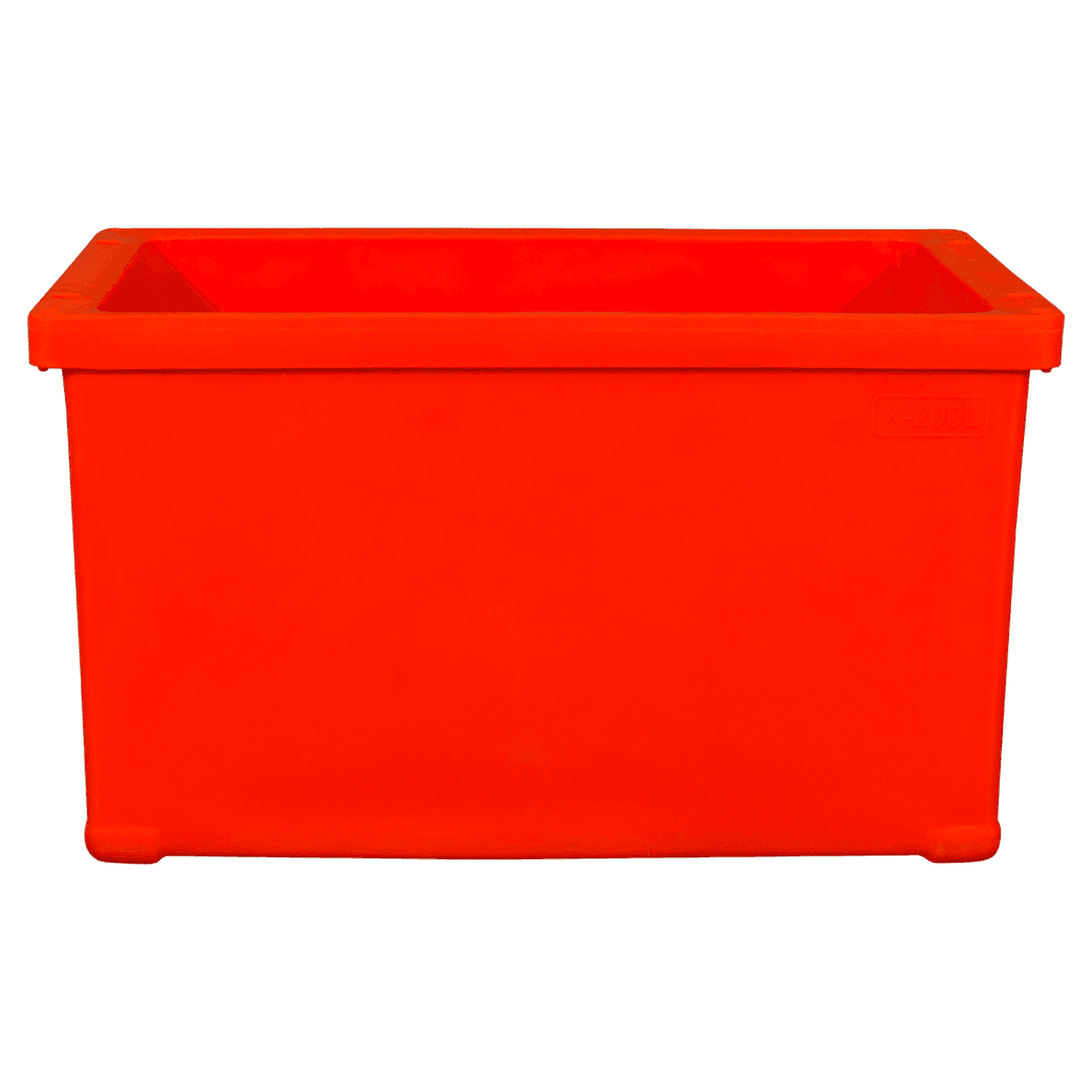
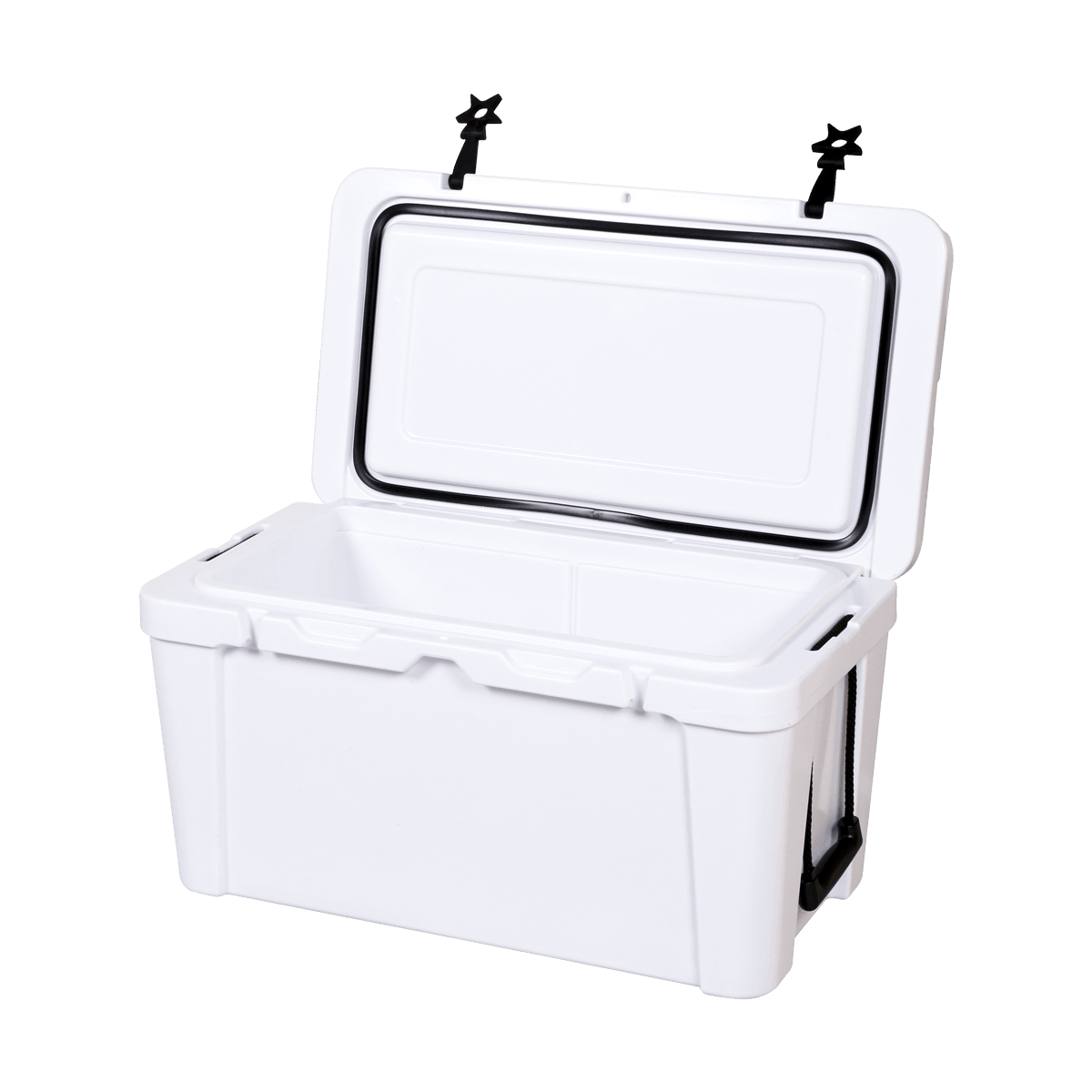
-4.png "X-120L Insulated Fish Bin Ice Cooler Box")
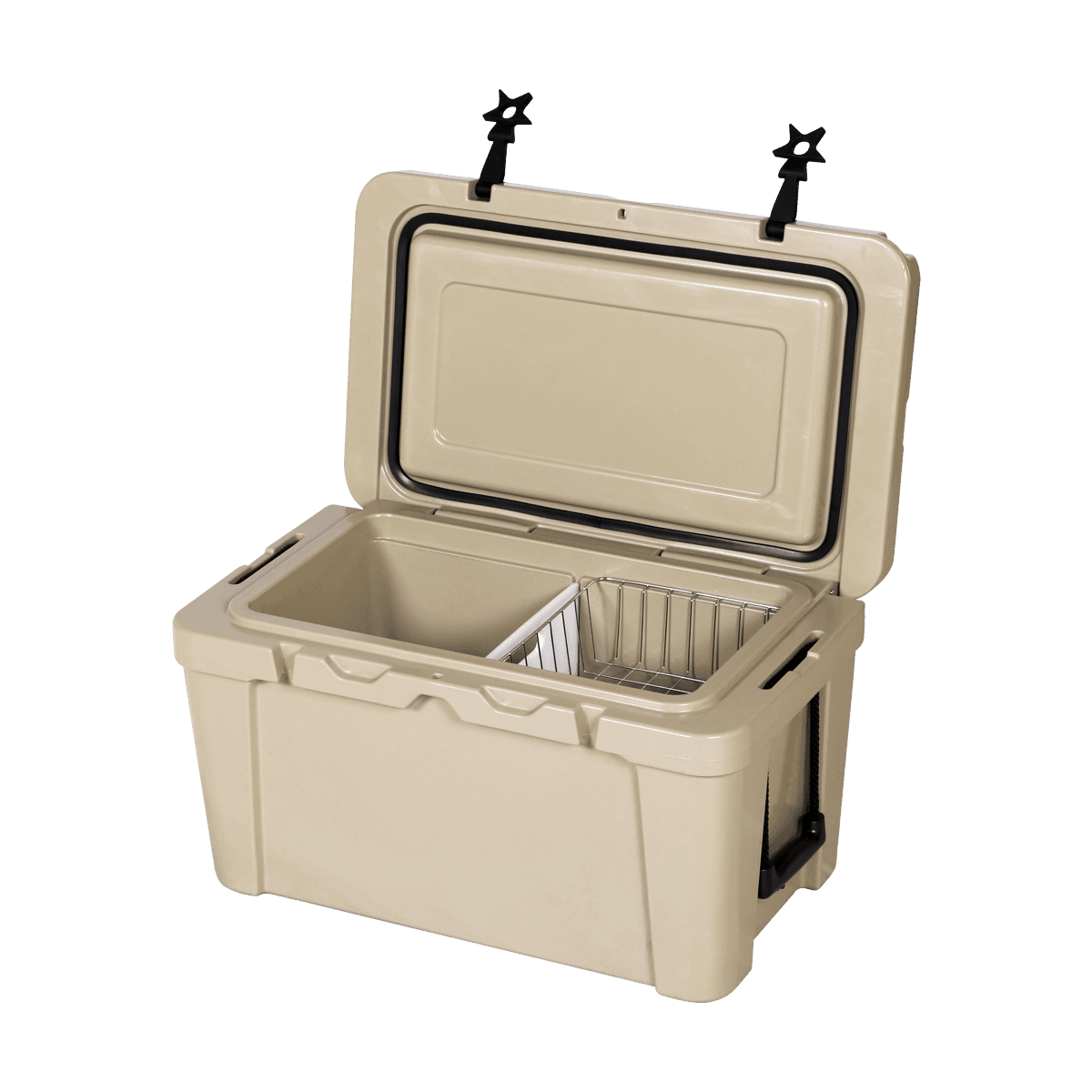
-4.png "X-70L Insulated Fishing Ice Cooler Box")
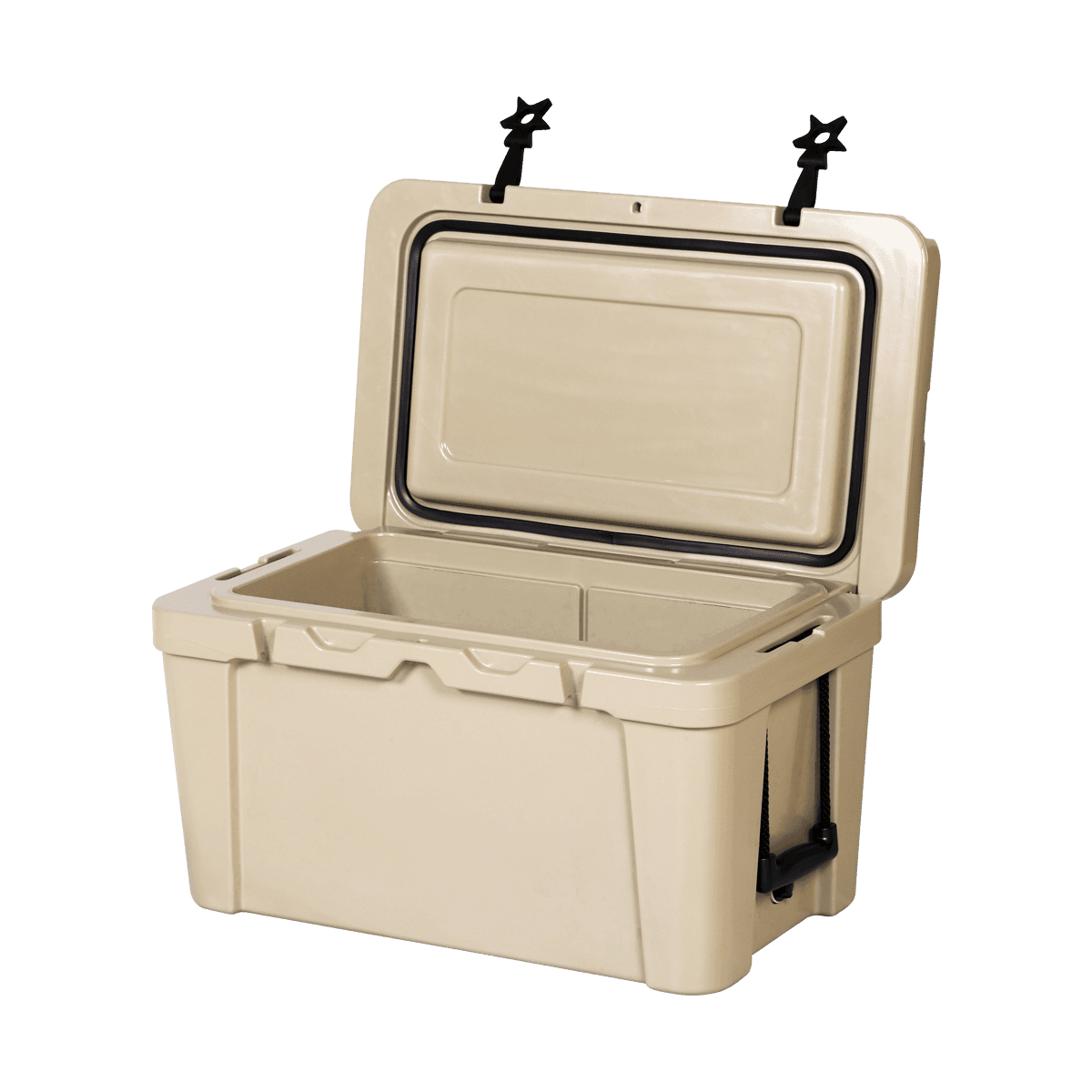
-2.png "X-68L Ice Cooler Box To Keep Food Cold And Fresh")
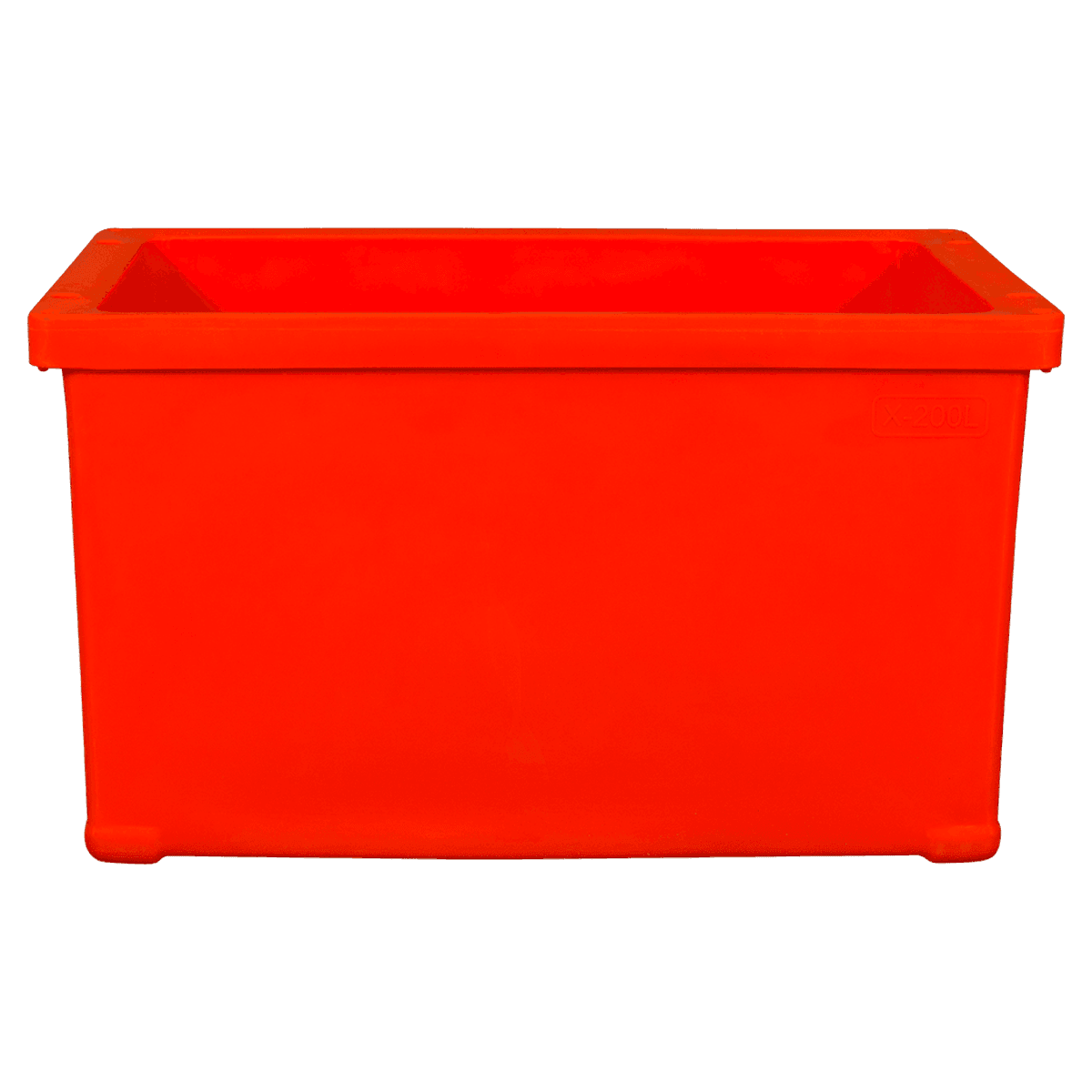
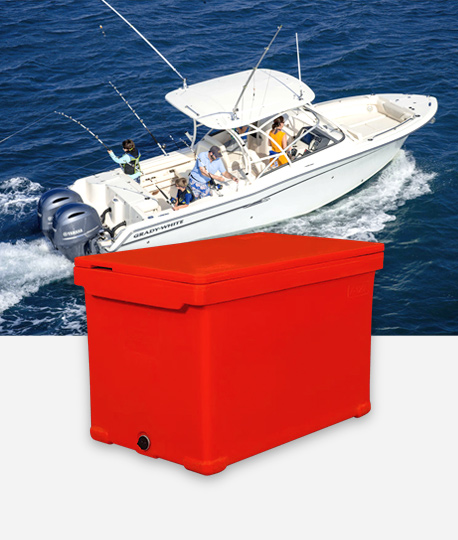
-2.png "X-120L Live Seafood Transportation Tanks")
-2.png "X-70L Live Seafood Transportation Tanks")