English
 Español
 عربى
عربى 中文简体
中文简体Content
- 1 Why Getting the Right Hard Cooler Matters More Than You Think
- 2 Hard Cooler Capacity Explained: What Do Quarts Actually Mean?
- 3 How to Calculate What Size Cooler You Need
- 4 Hard Cooler Insulation: The Science Behind Ice Retention
- 5 Hard Cooler Weight: Balancing Performance and Portability
- 6 Hard Cooler Construction: Rotomolded vs. Blow-Molded vs. Injection-Molded
- 7 Practical Tips to Maximize Your Cooler's Performance
- 8 Top Hard Cooler Recommendations by Use Case
- 9 Special Considerations: Bear Safety, Food Safety, and Cooler Certifications
- 10 The Two-Cooler Strategy: When One Isn't Enough
- 11 Hard Cooler Accessories That Actually Make a Difference
- 12 Final Checklist: How to Choose the Right Hard Cooler
Quick Answer: To choose the right hard cooler, match the quart capacity to your group size and trip length (roughly 20 qt per person per day as a baseline), balance the empty weight against how far you'll carry it, and prioritize insulation thickness if you need ice retention beyond 3 days.
Why Getting the Right Hard Cooler Matters More Than You Think
Most people buy a cooler based on brand recognition or whatever's on sale — and end up regretting it by day two of a camping trip. A cooler that's too small runs out of cold storage before the weekend is over. A Ice Cooler Box that's too large is heavy, awkward to transport, and thermally inefficient because excess air space accelerates ice melt. A cooler with inadequate insulation becomes an expensive ice bucket within 24 hours in summer heat.
The right hard cooler comes down to three variables: capacity (quarts), weight (empty and loaded), and insulation performance (days of ice retention). Once you understand how these interact, answering "what size cooler do I need?" becomes straightforward. This hard cooler capacity weight insulation guide gives you the frameworks, the numbers, and the comparisons to make a smart, informed purchase — whether you're a solo weekender or a large group planning an extended expedition.
Hard Cooler Capacity Explained: What Do Quarts Actually Mean?
Cooler capacity is measured in quarts (qt) — one quart equals roughly 0.95 liters. But quart ratings on product labels can be misleading. Manufacturers measure total internal volume, which includes the space taken up by ice, food, drinks, and any dead air. In real-world use, you can expect to fill only about 60–70% of stated capacity with actual contents, because ice itself consumes roughly 30–40% of the usable space.
For example, a 65-quart cooler sounds spacious, but once you pack 20 lbs of ice (approximately 20 qt of space), you're left with around 45 quarts for food and drinks — enough for roughly 45 standard 12 oz cans or a combination of canned drinks and food containers.
The Cooler Sizes Chart: From Personal to Expedition
Here is a practical cooler sizes chart to help you visualize where common capacity ranges fall and what they're best suited for:
| Capacity Range | Typical Quart Sizes | Best For | Approximate Can Capacity (with ice) |
|---|---|---|---|
| Personal / Day Use | 16–25 qt | Solo day trips, beach days, fishing | 12–18 cans |
| Weekend / Small Group | 35–50 qt | 2–3 people, 2–3 day camping | 30–45 cans |
| Family / Medium Group | 55–75 qt | 4–6 people, 3–5 day trips | 55–75 cans |
| Large Group / Extended | 100–150 qt | 6+ people, 5–7+ day expeditions | 100–160 cans |
These ranges are guidelines, not rules. How you pack your cooler — loose ice vs. ice packs, whole bottles vs. cans, full meal ingredients vs. snacks — affects usable space significantly. A 45-quart cooler packed efficiently with block ice can outperform a poorly packed 65-quart cooler in both ice retention and usable storage.
How to Calculate What Size Cooler You Need
If you've ever asked yourself "how big a cooler do I need?" or "what size cooler should I get?", the answer starts with a simple formula. Use these three inputs: number of people, number of days, and the type of contents (drinks only, food and drinks, or raw ingredients for cooking).
The Baseline Formula
A practical rule of thumb used by experienced campers and outdoor guides is:
- Drinks-focused trip: 12–15 qt per person per day
- Mixed food and drinks: 20 qt per person per day
- Full meal cooking ingredients: 25–30 qt per person per day
Then add 20–30% to the total for ice volume. For example: a family of 4 on a 3-day mixed food and drinks camping trip needs approximately 4 × 3 × 20 = 240 qt of food space, plus ~25% for ice = roughly 60–65 qt total. A YETI Tundra 65 or a RTIC 65 would be a natural fit.
What Size Cooler for Weekend Camping?
Weekend camping is the most common use case, and the question "what size cooler for weekend camping" is one of the most searched. For a standard Friday-to-Sunday trip (2 nights, 3 days), here are concrete recommendations by group size:
| Group Size | Recommended Size (qt) | Example Models | Notes |
|---|---|---|---|
| Solo (1 person) | 20–35 qt | YETI Roadie 24, Pelican 35QT | Compact and portable |
| Couple (2 people) | 35–45 qt | RTIC 45, Igloo BMX 52 | Good balance of size and weight |
| Small Family (3–4) | 55–65 qt | YETI Tundra 65, Orca 58 | Most versatile family size |
| Group (5–6) | 75–100 qt | Coleman Xtreme 100, RTIC 110 | Consider two-cooler strategy |
One strategic tip many experienced campers use: run two coolers instead of one large cooler. Use one dedicated to drinks (opened frequently, losing cold fast) and one for food (opened only at mealtimes, retaining cold much longer). This approach dramatically extends ice life and keeps food safer.
Cooler Size for Camping: Extended Trips Beyond the Weekend
For trips of 4–7 days, the calculus shifts significantly. The question isn't just "what size cooler for camping" — it's also how often you can access ice resupply. If you're car camping near a town, a 65 qt cooler with resupply every 2 days may suffice for 4 people. If you're off-grid without resupply options, you need either a larger cooler (100 qt+) or a premium insulated model that retains ice for 5–7 days.
For 5-day trips with 4 people and no ice resupply, the calculation looks like this: 4 people × 5 days × 20 qt = 400 qt of net storage needed, plus 30% for ice = 520 qt theoretical need. This is obviously impractical as a single cooler. The real solution is reducing daily ice consumption through better insulation — which brings us to the next critical factor.
Hard Cooler Insulation: The Science Behind Ice Retention
Insulation is the single biggest differentiator between a $30 budget cooler and a $400 rotomolded premium cooler. Understanding how insulation works — and what specs actually matter — is central to any hard cooler capacity weight insulation guide.
How Cooler Insulation Works
Hard coolers use polyurethane (PU) foam injected between an outer shell and an inner liner. The foam creates millions of tiny air pockets that slow the transfer of heat from the outside environment into the cooler's interior. The key performance metrics are:
- Wall thickness: Budget coolers typically have 1–1.5 inches of foam. Premium coolers use 2–3 inches. More foam means slower heat transfer.
- Foam density: Higher-density foam has fewer air gaps and better thermal resistance. Cheaper coolers use lower-density foam that degrades faster over time.
- Lid seal quality: Even the best foam is undermined by a poor lid gasket. Premium coolers use thick rubber freezer-style gaskets that form an airtight seal.
- Drain plug and hinge design: Thermal bridges — areas where heat conducts through metal or thin plastic — reduce overall insulation efficiency.
Ice Retention Performance by Cooler Tier
Ice retention claims should always be viewed with skepticism, as manufacturers test under ideal conditions (pre-chilled cooler, block ice, shade, cool ambient temperature). Real-world performance is typically 30–40% lower than advertised specs in summer conditions. Here's a realistic breakdown:
| Cooler Tier | Wall Thickness | Claimed Ice Retention | Real-World Performance | Price Range |
|---|---|---|---|---|
| Budget | ~1 inch | 1–2 days | 12–24 hours | $20–$60 |
| Mid-Range | ~1.5–2 inches | 3–5 days | 2–3 days | $80–$180 |
| Premium | ~2–2.5 inches | 5–7 days | 4–5 days | $250–$450 |
| Expedition-Grade | ~3 inches | 7–10+ days | 6–8 days | $400–$700+ |
Block Ice vs. Cubed Ice: A Critical Insulation Factor
The type of ice you use has a dramatic impact on how long your cooler stays cold — sometimes more than the cooler itself. Block ice melts approximately 2–3 times more slowly than cubed ice of the same weight, because it has far less surface area exposed to warm air. For a 3-day camping trip, using a single 10 lb block alongside bagged cubed ice for chilling drinks can extend your cold retention by an entire day compared to using only cubed ice.
Dry ice is another option for extreme cold retention — it maintains temperatures far below freezing and can last 3–5 days in a premium cooler. However, not all hard coolers are rated for dry ice use, and handling requires insulated gloves. Always check manufacturer guidelines before using dry ice in any cooler.
Hard Cooler Weight: Balancing Performance and Portability
Weight is the most overlooked factor when people ask "how much cooler do I really need?" The irony of premium hard coolers is that the features that make them excellent at keeping things cold — thick foam walls, heavy-duty rotomolded shells, robust hardware — also make them significantly heavier than budget alternatives. And weight compounds quickly once you add ice and food.
Empty Weight vs. Loaded Weight
A common mistake is evaluating a cooler by its empty weight alone. Consider the full picture: a 65-quart premium cooler might weigh 30 lbs empty. Add 20 lbs of ice and 30 lbs of food and drinks, and you're lifting an 80 lb cooler. That's a two-person job for most adults. Here's a weight breakdown across popular size categories:
| Cooler Size (qt) | Budget Empty Weight | Premium Empty Weight | Estimated Loaded Weight | Portability |
|---|---|---|---|---|
| 20–25 qt | 5–7 lbs | 10–14 lbs | 25–35 lbs | One person, easy carry |
| 35–45 qt | 10–14 lbs | 18–24 lbs | 45–65 lbs | One person (strong) or two |
| 55–75 qt | 15–20 lbs | 28–36 lbs | 70–95 lbs | Two-person carry recommended |
| 100–150 qt | 25–35 lbs | 40–55 lbs | 120–180 lbs | Wheels required or base camp only |
Weight-Saving Features to Look For
If weight is a concern — especially for hiking-adjacent camping, kayak trips, or any carry-in scenario — look for these features that can shave pounds without sacrificing too much cold performance:
- Blow-molded vs. rotomolded construction: Blow-molded coolers (like Coleman Xtreme) are significantly lighter — a 54-qt Coleman Xtreme weighs just 10.5 lbs empty vs. a similar rotomolded premium at 26+ lbs. The trade-off is reduced insulation and durability.
- Integrated handles vs. rope handles: Rope or rubber handles add minimal weight and are easier on hands under heavy loads than rigid plastic handles.
- Wheeled bases: For 75 qt and above, wheeled coolers eliminate carrying entirely. The YETI Tundra Haul and Pelican Elite Wheeled add only 2–3 lbs over their non-wheeled counterparts.
- Reusable ice packs vs. loose ice: Replacing half your ice with high-quality reusable gel packs saves 5–10 lbs on a medium-sized cooler while maintaining cold retention, since they don't add water weight as they melt.
Hard Cooler Construction: Rotomolded vs. Blow-Molded vs. Injection-Molded
The manufacturing method determines the structural integrity, weight, insulation quality, and price of a hard cooler. Understanding these three construction types is essential to making a smart purchase decision and forms a key part of this hard cooler capacity weight insulation guide.
Rotomolded Coolers
Rotational molding creates a seamless, one-piece shell by rotating molten plastic in a mold. The result is an incredibly strong, uniform-walled construction with no weak seams. Polyurethane foam is then injected between the outer and inner layers at high pressure, filling every cavity and creating exceptional insulation continuity.
Best for: demanding outdoor use, extended trips without ice resupply, bear-resistant certification, long-term investment. Representative brands include YETI, RTIC Pro series, Orca, Pelican Elite, and Canyon Coolers.
Blow-Molded Coolers
Blow molding inflates hot plastic into a mold, creating a lighter shell with thinner walls. Insulation foam is injected afterward, but the seal between layers is less uniform than rotomolded construction. Blow-molded coolers are significantly cheaper and lighter but have shorter lifespans and lower ice retention.
Best for: casual use, budget buyers, short trips with easy ice resupply, tailgating, and beach days. Representative brands include Coleman Xtreme, Igloo BMX, and entry-level AO Coolers hard-sided models.
Injection-Molded Coolers
Injection molding forces plastic into a two-part mold under high pressure, creating precise shapes at lower cost than rotomolding. Most mid-range coolers use this method with good results. The wall thickness can rival rotomolded coolers, but seam integrity and long-term durability are typically lower.
Best for: intermediate users who want better performance than budget coolers without rotomolded pricing. Representative brands include Lifetime, Igloo Trailmate, and Coleman Convoy.
Construction Method Comparison at a Glance
| Method | Insulation Quality | Durability | Weight | Cost |
|---|---|---|---|---|
| Rotomolded | Excellent | Excellent | Heavy | $$$$ |
| Injection-Molded | Good | Good | Medium | $$$ |
| Blow-Molded | Fair | Fair | Light | $ |
Practical Tips to Maximize Your Cooler's Performance
Even the best cooler underperforms when used incorrectly. The following techniques can extend ice life by 30–50% regardless of what size cooler you choose — and are especially important when you're working with a smaller cooler than the ideal size for your trip.
Pre-Chill Before You Pack
A warm cooler shell acts like a heat battery — it absorbs cold from your ice immediately, accelerating melt. Pre-chill your cooler for 12–24 hours before departure by filling it with a sacrificial bag of ice or frozen water bottles the night before. Drain that meltwater and then pack with your actual ice and contents. This single step can add an extra 12–18 hours of cold retention on a 3-day trip.
Pack in the Right Order
Packing order matters more than most people realize. Follow this layering sequence for best cold retention:
- Bottom layer: block ice or frozen items (cold air sinks, so starting cold at the bottom is thermodynamically optimal)
- Middle layer: food and beverages, packed tightly to minimize dead air gaps
- Top layer: cubed or crushed ice to fill gaps and provide secondary chilling from above
- Optional final layer: a folded sheet of newspaper or a dedicated cooler liner on top to add extra insulation just under the lid
Minimize Open Time and Keep It Shaded
Every second the lid is open, warm air rushes in and cold air escapes. Designate a single person on group trips whose job is to open and close the cooler efficiently. Keep the cooler in shade whenever possible — a cooler sitting in direct summer sun at 95°F (35°C) can lose ice twice as fast as the same cooler under a tree. In a vehicle, place it on the floor rather than in a hot trunk. If you must leave it in the sun, cover it with a reflective emergency blanket or a light-colored towel.
Don't Drain the Meltwater
This is counterintuitive but backed by thermodynamics: cold meltwater at 32–35°F is an effective chilling medium. Draining it and replacing with air actually accelerates remaining ice melt. Only drain when the water is lukewarm or when access is needed for another reason. Keep beverages submerged in the cold water for maximum chilling efficiency throughout the trip.
Use Ice-to-Content Ratio as Your Guide
A ratio of approximately 2:1 ice to content by volume is the sweet spot for most camping coolers. Less ice than that leaves warm spots; more ice wastes capacity. For example, a 65 qt cooler should contain around 20 qt of ice (roughly 20 lbs) and 45 qt of food and drinks for optimal performance. Packing the cooler fully — leaving minimal air space — also helps maintain temperature by reducing the volume of warm air that must be cooled each time the lid opens.
Top Hard Cooler Recommendations by Use Case
Rather than generic rankings, here are targeted recommendations based on specific use cases — each pairing the right capacity, weight, and insulation tier to match what you actually need. This is the practical payoff of a thorough hard cooler capacity weight insulation guide: knowing exactly which cooler fits your specific scenario.
Best for Solo Weekend Camping: YETI Roadie 24
At 24 qt, the Roadie 24 holds approximately 18 cans with ice — enough for 1–2 people over a weekend. It weighs just 9.9 lbs empty and has a carry handle sized for one hand. Ice retention reaches 3+ days in moderate conditions. The flip-top lid is a particularly convenient design for quick access. Price: approximately $250.
Best Budget Option for Families: Coleman Xtreme 54 qt
The Coleman Xtreme series offers remarkable value. The 54 qt model holds up to 85 cans, weighs 10.5 lbs empty, and delivers up to 5 days of ice retention under ideal conditions (approximately 3 days real-world). For families who camp near campgrounds with easy ice access, this is exceptional value at around $60–$80. It's also the top answer to "what size cooler for camping on a budget" for groups of 3–4 people on 2–3 day trips.
Best Mid-Range for 3–5 Day Trips: RTIC 65 Hard Cooler
RTIC offers near-YETI insulation quality at roughly half the price. The 65 qt model holds 104 cans with ice, weighs 27 lbs empty, and retains ice for up to 6 days (claimed) — approximately 4 days in real-world summer conditions. Rotomolded construction gives it YETI-comparable durability. Price: approximately $200–$220. This directly competes with the YETI Tundra 65 at less than half the cost per quart of storage.
Best for Extended Expeditions: Pelican Elite 95 qt
The Pelican Elite line is IGBC bear-certified, rated for dry ice, and claims up to 10 days of ice retention — with real-world performance around 7–8 days under good packing practices. The 95 qt model weighs 34 lbs empty and is designed for 6–8 person groups on 5–7 day wilderness trips. Molded-in tie-down slots make it truck and boat-compatible. Price: approximately $400–$450.
Best Wheeled Option for Large Groups: YETI Tundra Haul
At roughly 55 qt of usable space on wheels, the Tundra Haul answers the heavy-load dilemma perfectly. Its never-flat wheels and extendable NeverFlat Haul handle let one person move a fully loaded cooler across sand, gravel, or grass without assistance. Empty weight is 37 lbs — which sounds heavy, but loaded to 90 lbs you'd never want to carry it without wheels. Price: approximately $400.
Special Considerations: Bear Safety, Food Safety, and Cooler Certifications
Beyond capacity, weight, and insulation, certain camping contexts introduce additional requirements that should directly influence which cooler you buy. This section covers three practical areas that any complete hard cooler capacity weight insulation guide would be remiss to skip.
Bear-Resistant Coolers (IGBC Certification)
In national parks and wilderness areas with active bear populations — including Yellowstone, Yosemite, and most Rocky Mountain wilderness areas — IGBC-certified bear-resistant coolers are required by law in many designated zones. The Interagency Grizzly Bear Committee (IGBC) tests coolers by placing them with trained captive grizzly bears for 60 minutes. Certified models include the Pelican Elite series, YETI Tundra (all sizes), Orca Coolers, and Canyon Coolers. Budget and most mid-range coolers are not bear-certified.
Food Safety Temperature Guidelines
The USDA defines the food danger zone as 40°F to 140°F (4°C to 60°C). Perishable food left in this temperature range for more than 2 cumulative hours should be discarded. For camping food safety, keep your cooler at or below 40°F (4°C) throughout the trip — a small internal thermometer costing under $10 eliminates all guesswork on this front.
- Pack raw meat in sealed containers or double-bagged to prevent cross-contamination with other foods.
- Store raw meat at the very bottom of the cooler so any meltwater drips do not contaminate ready-to-eat foods above.
- Pre-cook as many ingredients as possible before departure to reduce the volume of raw perishables requiring constant cold.
- Never re-freeze thawed meat in the field. Once it reaches danger-zone temperatures, cook it immediately or discard it.
NSF/FDA Compliance for Commercial Use
If you're using a hard cooler for a food business, catering operation, or selling food at events, you may require NSF (National Sanitation Foundation) or FDA-compliant coolers. These have interior liners made from food-safe, non-porous materials that can be sanitized to commercial standards. Always verify certification labels before purchasing for commercial food handling use.
The Two-Cooler Strategy: When One Isn't Enough
For groups of 4 or more on trips longer than 3 days, the two-cooler strategy consistently outperforms using a single large cooler — and helps resolve the "how much cooler do I actually need?" dilemma without buying an oversized single unit that's difficult to transport and equally difficult to keep cold.
The principle is simple: separate your drink cooler from your food cooler. Drinks are accessed 10–20 times per day. Every time the lid opens, warm air enters and cold escapes. Your food cooler, opened only 2–3 times daily at mealtimes, maintains dramatically colder temperatures and slower ice melt as a result. Independent testing consistently shows a food-only cooler opened 2–3 times daily retains ice 40–60% longer than a mixed cooler opened 15+ times daily under identical conditions.
Recommended Two-Cooler Setup by Group Size
- 2–3 people, weekend trip: 20 qt drink cooler (budget is fine) + 35 qt food cooler (mid-range insulation)
- 4–5 people, 3–5 days: 35 qt drink cooler + 55–65 qt food cooler (premium insulation)
- 6–8 people, 5–7 days: 45 qt drink cooler + 95–110 qt food cooler (expedition-grade insulation)
The combined weight and cost of two appropriately sized coolers often matches or beats the single large cooler alternative — while delivering significantly better performance, more flexibility in vehicle placement, and easier loading by one person at a time.
Hard Cooler Accessories That Actually Make a Difference
The cooler itself is only part of the system. A few well-chosen accessories can meaningfully extend ice life, improve organization, and make your overall camping experience smoother — without adding significant cost or weight.
Cooler Dividers and Baskets
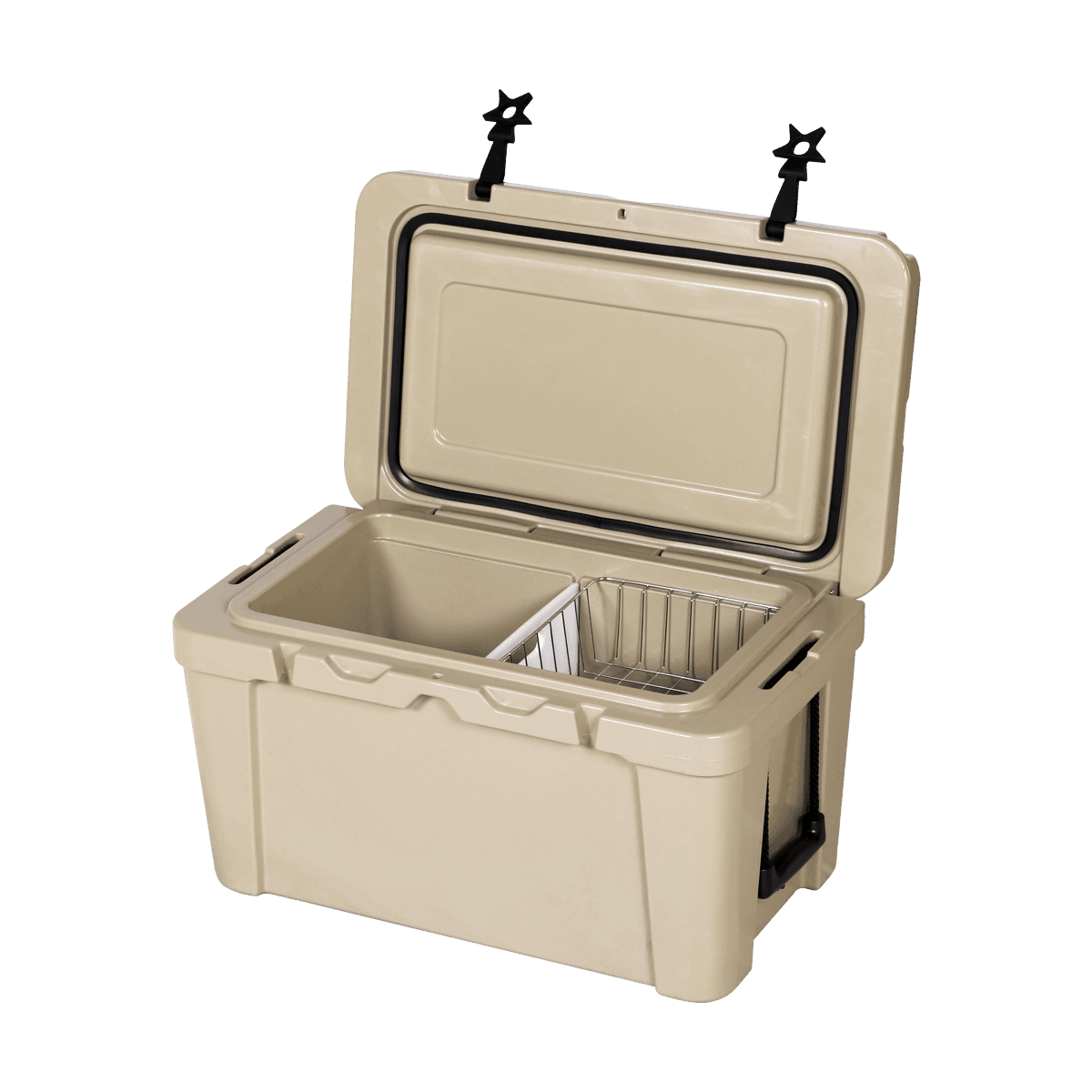
Wire or plastic divider baskets allow you to separate raw meats from ready-to-eat foods, keep drinks at the top for easy access without digging through ice, and organize contents by meal day so you never have to excavate the entire cooler to find breakfast ingredients. Most premium brands sell proprietary basket inserts for their coolers, but universal wire baskets work with any model.
Cooler Pads and Exterior Covers
Placing your cooler on a pad or wooden platform isolates it from hot ground surfaces — particularly important at campsites where asphalt or sun-baked soil can raise the cooler's base temperature significantly. Exterior covers made of reflective mylar or insulated fabric can reduce solar heat gain by up to 50% when full shade is unavailable, which is a substantial performance gain for free.
Thermometers and Probe Monitors
A digital probe thermometer left inside the cooler gives you real-time data on internal temperature without opening the lid. Models with external displays or Bluetooth connectivity (such as the ThermoPro TP20 or similar) let you check temperature from outside the cooler entirely, eliminating the small but cumulative thermal loss of opening just to check. For multi-day trips with perishable meats or dairy, this is genuinely worth the $15–$30 investment.
Final Checklist: How to Choose the Right Hard Cooler
Use this checklist to consolidate everything covered in this hard cooler capacity weight insulation guide into a clear decision framework. Work through each question before making a purchase to avoid the most common mistakes:
- How many people? → Determines baseline capacity requirement (20 qt per person per day for mixed use)
- How many days? → Multiplies capacity need and determines the insulation tier required
- Ice resupply available? → Yes = budget or mid-range insulation acceptable. No = premium insulation required
- How will you transport it? → Car camping = weight is less critical. Carry-in camping = lighter blow-molded or smaller rotomolded preferred
- Bear country? → Yes = IGBC-certified required; budget coolers are not an option
- What is your budget? → Under $80: Coleman Xtreme. $150–$250: RTIC or Igloo Yukon. $300+: YETI, Pelican, Orca
- Drinks + food together, or separate coolers? → Two coolers for 4+ people on 3+ day trips is the optimal strategy in almost all cases
The single most common mistake in cooler buying is prioritizing brand prestige over practical fit. A mid-range 45 qt cooler that perfectly matches your trip length and group size will always outperform an oversized premium cooler packed half-full with excess air space. Right-sizing beats over-buying every time.
Whether you came to this guide asking what size cooler for weekend camping, how big a cooler do I need for a week in the wilderness, what size cooler for camping with a group of six, or what size cooler should I get for my first outdoor trip — the answer always starts with capacity math, gets refined by your weight tolerance, and gets sealed by the insulation performance your trip genuinely demands. Apply the frameworks in this hard cooler capacity weight insulation guide, and you'll make a purchase you won't regret the first time you open your cooler on day three and find everything still cold.
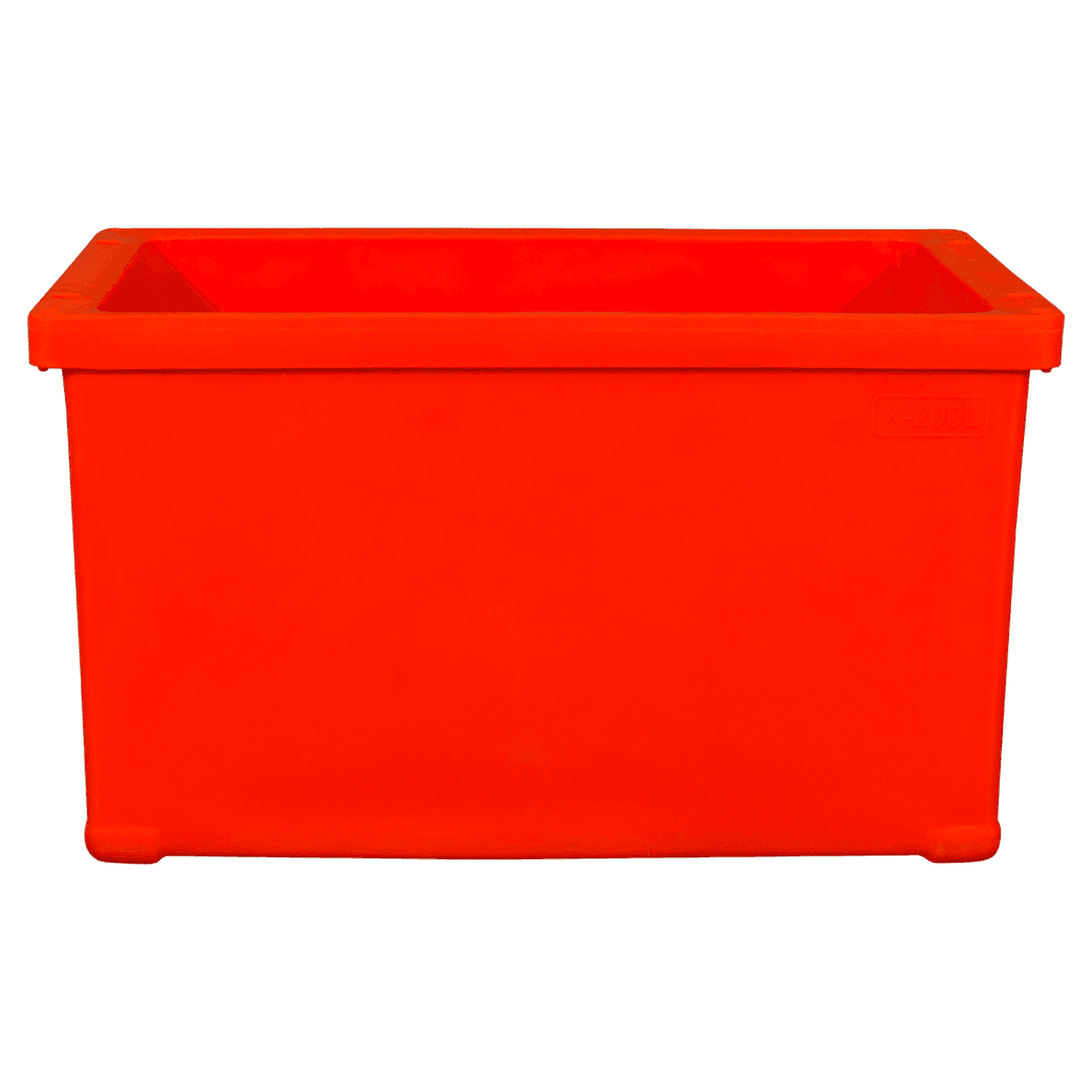
-4.png "X-120L Insulated Fish Bin Ice Cooler Box")
-4.png "X-70L Insulated Fishing Ice Cooler Box")
-2.png "X-68L Ice Cooler Box To Keep Food Cold And Fresh")
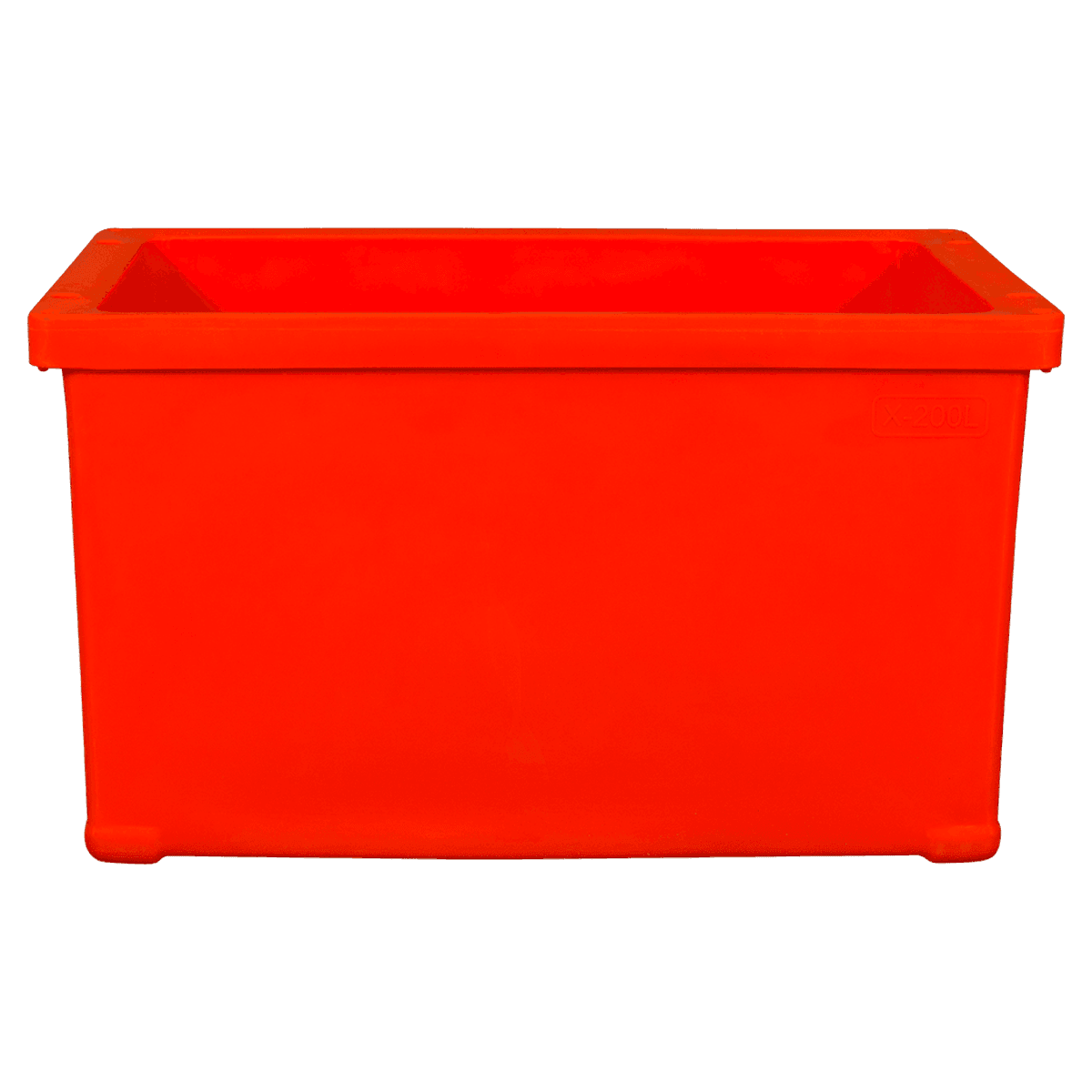
-2.png "X-120L Live Seafood Transportation Tanks")
-2.png "X-70L Live Seafood Transportation Tanks")