English
 Español
 عربى
عربى 中文简体
中文简体Content
- 1 What Are Insulated Plastic Containers and Why Do They Matter in Ocean Freight?
- 2 The Role of Insulated Plastic Containers Within the Broader Refrigerated Ocean Freight System
- 3 Key Specifications of Insulated Plastic Containers for Ocean Transport
- 4 How Insulated Plastic Containers Are Loaded and Secured Inside Ocean Freight Containers
- 5 Passive vs. Active Refrigeration: When Insulated Plastic Containers Are Sufficient
- 6 Industry Applications: Who Relies on Insulated Plastic Containers in Ocean Freight?
- 7 How Many Containers Can a Container Ship Hold — and What Does That Mean for Reefer Slots?
- 8 Regulatory and Compliance Requirements for Insulated Plastic Containers in International Shipping
- 9 Comparing Insulated Plastic Containers to Alternative Refrigerated Freight Solutions
- 10 Innovations Driving Insulated Plastic Container Performance in Ocean Freight
- 11 Practical Considerations for Logistics Managers: Choosing the Right Insulated Plastic Container for Ocean Freight
- 12 The Future of Insulated Plastic Containers in Ocean Freight
- 13 Conclusion
Insulated plastic containers are the backbone of temperature-sensitive ocean freight — they maintain product integrity across thousands of nautical miles where conventional steel containers fall short. Whether shipping pharmaceuticals from Shanghai to Los Angeles or exporting fresh produce across the Atlantic, the right container insulation solution determines whether cargo arrives viable or spoiled. This guide breaks down exactly how insulated plastic containers work within the refrigerated ocean freight ecosystem, what specifications matter, and how to choose the right solution for your cold-chain needs.
What Are Insulated Plastic Containers and Why Do They Matter in Ocean Freight?
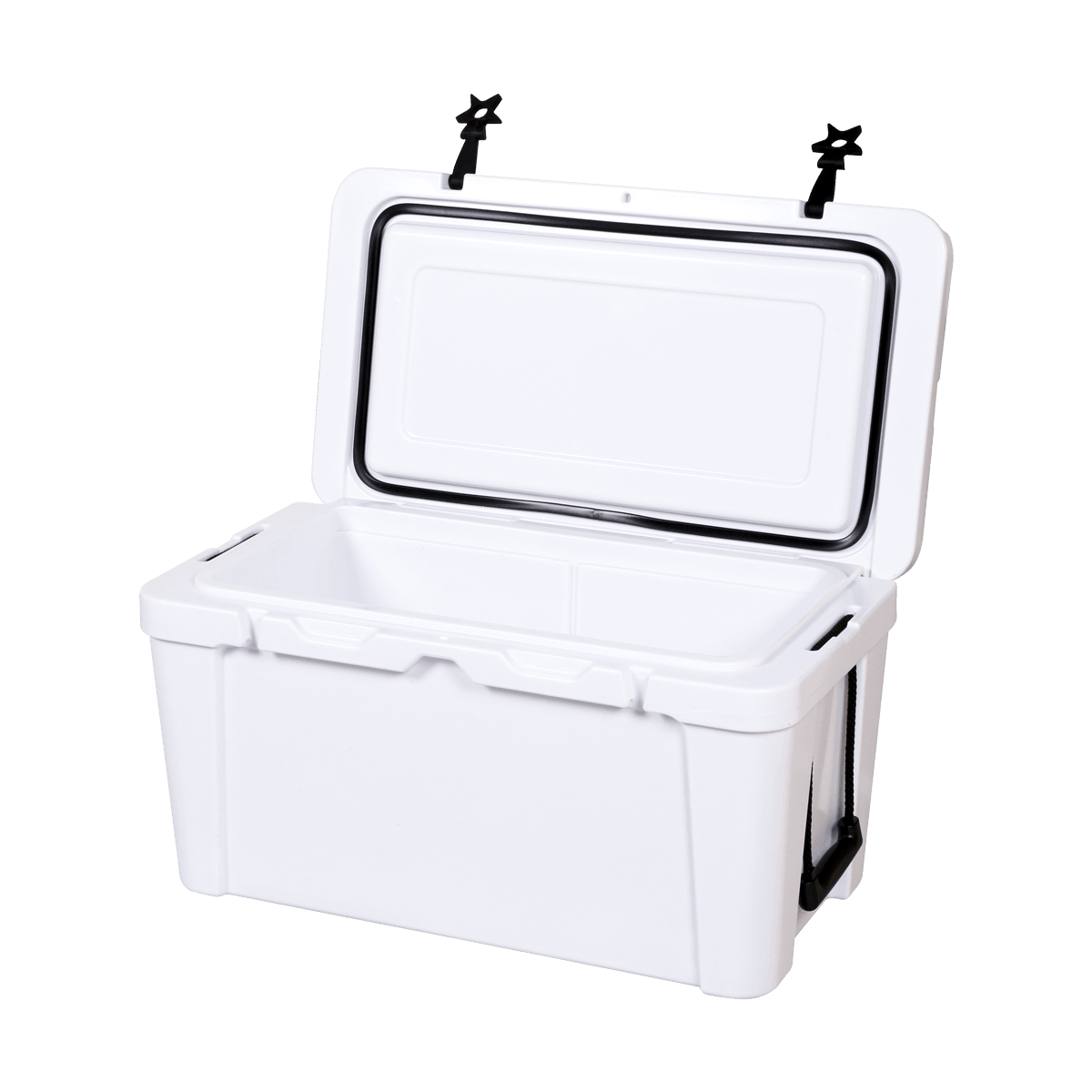
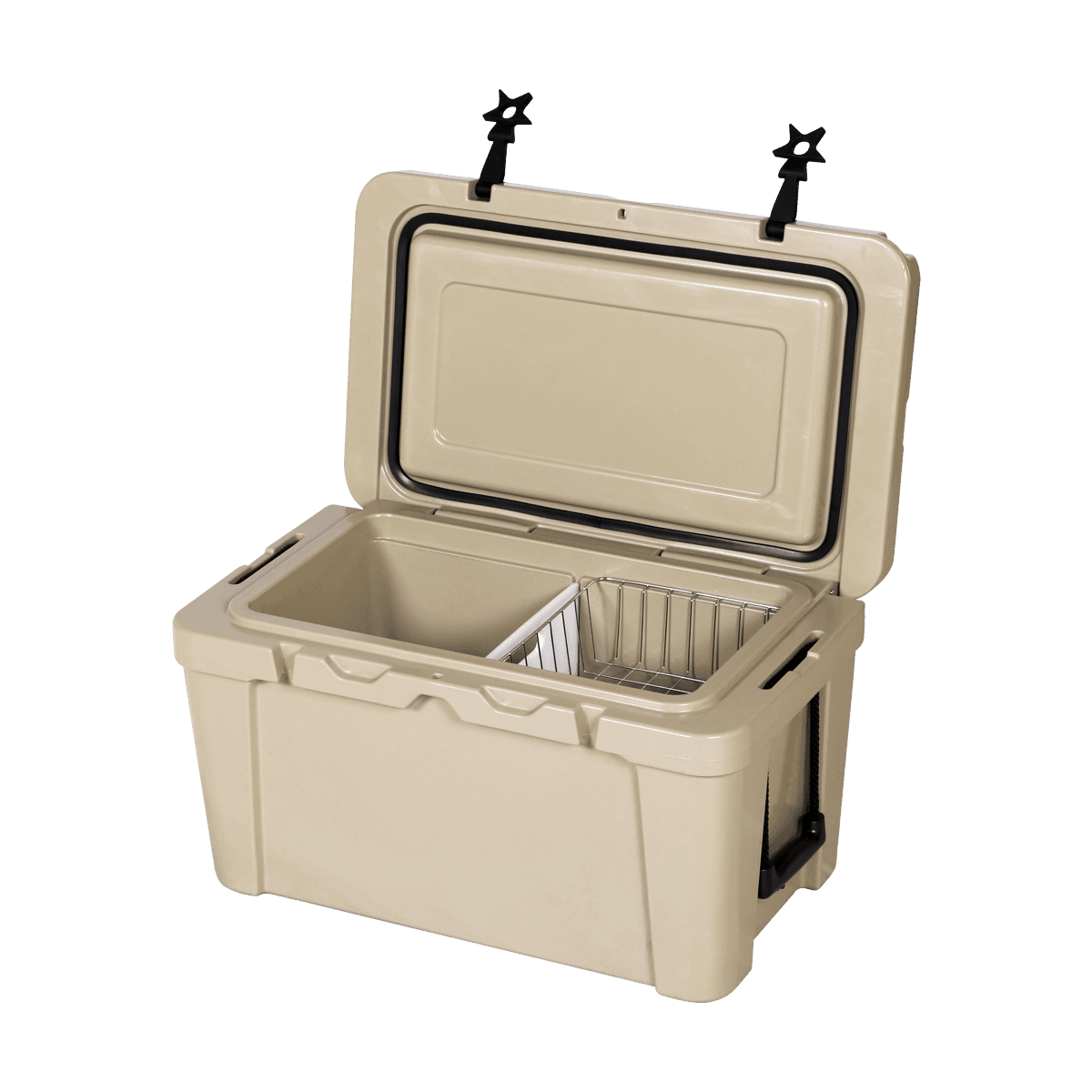
Insulated plastic containers — often abbreviated as IPCs — are purpose-built enclosures made from high-density polyethylene (HDPE) or polypropylene shells, filled with closed-cell polyurethane foam or expanded polystyrene (EPS) insulation. Unlike bare steel shipping containers, which conduct heat rapidly and offer zero passive thermal protection, insulated plastic containers create a thermal barrier that resists both ambient heat gain and cold loss.
In the context of ocean transport, where a voyage from Asia to North America can take 14 to 22 days and cargo may pass through multiple climate zones, maintaining a stable internal temperature is non-negotiable for perishables, biologics, and temperature-sensitive industrial goods. The global cold-chain logistics market was valued at approximately $271 billion in 2023 and is projected to exceed $450 billion by 2030 — a trajectory driven largely by pharmaceutical exports, fresh produce trade, and the explosive growth of direct-to-consumer frozen food delivery.
Insulated plastic containers serve as either standalone passive solutions (relying entirely on insulation and refrigerant packs) or as inner liners within standard or refrigerated (reefer) steel containers. Their lightweight construction also matters significantly: understanding how much weight a shipping container can hold is critical for route planning and port compliance. A standard 20-foot container has a maximum gross weight of roughly 30,480 kg (67,196 lbs), while a 40-foot container can handle up to 32,500 kg (71,650 lbs). Insulated plastic containers, which typically weigh between 15 kg and 80 kg empty (compared to over 2,200 kg for a standard 20-foot steel box), preserve more of that payload capacity for actual cargo.
The Role of Insulated Plastic Containers Within the Broader Refrigerated Ocean Freight System
To understand where insulated plastic containers fit, it helps to map the entire refrigerated freight workflow across ocean transport. Refrigerated ocean freight — also known as reefer shipping — operates on several interconnected layers.
Layer 1: The Reefer Container
Standard reefer containers are steel boxes integrated with a refrigeration unit that connects to the ship's power supply. They maintain temperatures ranging from -30°C to +30°C with high precision. A typical 40-foot reefer container weighs approximately 4,800 kg (10,582 lbs) empty — knowing how much a 40-foot container weighs matters enormously for calculating net payload, port crane limits, and vessel stability calculations.
Layer 2: Internal Packaging — Where Insulated Plastic Containers Operate
Inside the reefer container, individual shipments are packed into insulated plastic containers. This secondary layer of thermal protection is critical because reefer units cycle on and off, door openings during transshipment cause temperature fluctuations, and not all routes offer continuous reefer connectivity at intermediate ports. Insulated plastic containers buffer these gaps, keeping product temperatures stable even when the outer refrigeration unit is temporarily offline.
Layer 3: Monitoring and Compliance
Modern cold-chain shipments layer digital temperature loggers inside insulated plastic containers to provide continuous data. Pharmaceutical shipments, for example, must comply with GDP (Good Distribution Practice) guidelines, which require documented temperature records for the entire transit duration.
| Freight Layer | Component | Temperature Range | Primary Function |
|---|---|---|---|
| Outer | Reefer Steel Container | -30°C to +30°C | Active refrigeration, structural protection |
| Middle | Insulated Plastic Container | 2°C to 25°C (passive) | Passive thermal buffering, product segregation |
| Inner | Refrigerant Packs / PCM | Varies by formulation | Active cold source within IPC |
| Data | Temperature Logger | N/A | Compliance documentation |
Key Specifications of Insulated Plastic Containers for Ocean Transport
Not all insulated plastic containers are created equal. Selecting the wrong specification for an ocean voyage can result in product loss, regulatory violations, and significant financial liability. The following specifications are the most critical for ocean freight applications.
Insulation Thickness and R-Value
The thermal resistance of an insulated plastic container is expressed as its R-value. For ocean freight lasting more than 72 hours, an R-value of at least R-10 to R-20 is recommended. Containers with 75mm to 100mm polyurethane foam walls typically achieve this range. For pharmaceutical-grade shipments requiring 2°C–8°C maintenance across a 20-day Pacific crossing, R-20 or higher is the industry standard.
Wall Material and Structural Integrity
Ocean freight subjects containers to stacking loads, humidity, salt spray, and mechanical vibration during vessel transit. High-density polyethylene (HDPE) shells resist moisture absorption and corrosion — unlike cardboard-based insulated packaging that degrades under maritime humidity. How to insulate a container for ocean use goes beyond simply choosing thick walls; the material must also resist the compressive loads imposed by stacking. A column of six 40-foot steel containers exerts enormous downward force, and insulated plastic containers stored inside must not collapse under the weight of cargo stacked on top of them.
Volume Efficiency and Container Weight Considerations
Since ocean freight pricing is calculated on either gross weight or volumetric weight (whichever is greater), the internal-to-external volume ratio of an insulated plastic container is commercially important. Thicker walls mean better insulation but less usable internal volume. A well-designed IPC achieves a wall efficiency ratio of 70–80% (internal volume relative to total container volume).
Weight considerations also cascade upward to vessel-level calculations. How much weight cargo ships can carry is expressed as deadweight tonnage (DWT). A modern large container vessel may have a DWT of 200,000 tonnes or more, but its practical cargo capacity is constrained by slot counts — how many shipping containers fit on a cargo ship — which for the largest ultra-large container vessels (ULCVs) currently exceeds 24,000 TEUs (twenty-foot equivalent units). Every kilogram saved in packaging weight translates to greater net cargo capacity.
Compatibility with Phase Change Materials (PCMs)
Modern insulated plastic containers designed for ocean freight are often used in conjunction with phase change materials — substances that absorb and release thermal energy at a defined transition temperature. PCMs tuned to 5°C, for example, maintain a stable internal environment for 2°C–8°C pharmaceutical products far more reliably than simple ice gel packs. The IPC must be designed with dedicated PCM panel slots or integrated pockets to maximize surface contact.
How Insulated Plastic Containers Are Loaded and Secured Inside Ocean Freight Containers
Proper loading technique is as important as the container specification itself. Even the best-insulated plastic container will fail if improperly positioned within a reefer unit.
Airflow Management Inside Reefer Containers
Reefer containers circulate cold air from the floor upward through a T-bar floor system and across the ceiling. Insulated plastic containers must never be positioned directly against the front wall (where the refrigeration unit sits) without adequate air clearance. Standard practice requires a minimum 15 cm clearance on all sides to allow airflow circulation. Blocking airflow causes hot spots and uneven cooling.
Weight Distribution and Stacking Rules
When multiple insulated plastic containers are loaded into a single reefer unit, weight must be distributed evenly from front to back and side to side. A 20-foot reefer container — understanding how much a 20-foot container weighs (approximately 2,200–2,400 kg empty) — has a maximum payload of roughly 21,600 kg. Overloading or unevenly distributing weight risks container tipping on rough seas and port handling damage.
Securing and Locking
The insulated plastic containers themselves must be secured against shifting during transit. Lashing points, foam dunnage, and airbag systems are all commonly used. The outer steel container must also be properly secured with twistlocks to the vessel's cell guide system — how to lock a shipping container to the ship is a critical safety procedure governed by the International Maritime Organization's CSS (Cargo Securing Manual) code. Improperly locked containers have contributed to catastrophic overboard losses — in 2020, an estimated 3,000 containers were lost at sea globally, many due to inadequate securing in rough weather.
Passive vs. Active Refrigeration: When Insulated Plastic Containers Are Sufficient
A key strategic question in refrigerated ocean freight is whether passive insulated plastic containers alone can maintain required temperatures, or whether active refrigeration (reefer containers) is necessary.
Passive IPC Performance Windows
High-quality insulated plastic containers with PCMs can maintain internal temperatures within ±2°C of target for 72 to 120 hours in ambient conditions up to 30°C. For short sea voyages — Mediterranean routes, intra-Caribbean, North Sea feeder services — this performance window is often sufficient. For transoceanic routes, passive IPCs are used as a secondary layer inside active reefer containers, not as the primary refrigeration solution.
When Active Reefer Containers Are Required
- Voyages exceeding 5–7 days in duration
- Cargoes requiring temperatures below -18°C (frozen goods)
- Regulatory requirements for continuous active monitoring (most pharmaceutical GDP-compliant shipments)
- High-value cargoes where any temperature excursion would result in total loss
The Hybrid Approach: Best of Both
The most sophisticated cold-chain ocean freight operations use a hybrid model: an active reefer container maintains the macro environment, while insulated plastic containers inside protect individual orders or product lines from temperature fluctuations during loading, transshipment port operations, and final-mile delivery. This approach is now standard in biopharmaceutical export lanes, where a single pallet of clinical trial material may be worth $500,000 or more.
Industry Applications: Who Relies on Insulated Plastic Containers in Ocean Freight?
The practical applications of insulated plastic containers in ocean transport span multiple industries, each with distinct requirements.
Pharmaceutical and Biotech Exports
The pharmaceutical cold chain is the most demanding application. Products like insulin, vaccines, and monoclonal antibodies require strict 2°C–8°C maintenance throughout transit. The WHO estimates that up to 25% of vaccines arrive degraded due to cold-chain failures — a problem insulated plastic containers with validated PCM systems directly address. Regulatory bodies including the FDA, EMA, and WHO-GDP require documented qualification data for all packaging systems used in international pharmaceutical distribution.
Fresh Produce and Seafood
Fresh produce accounts for a significant share of global reefer container traffic. Chilean grapes, South African citrus, Norwegian salmon, and Ecuadorian shrimp all rely on properly insulated containers within reefer units. The challenge is that different produce items have different optimal temperatures: bananas are shipped at 13°C–14°C, while salmon requires 0°C–2°C. Insulated plastic containers allow segregation of mixed-temperature cargo within a single reefer unit.
Chemicals and Industrial Products
Certain specialty chemicals, adhesives, and electronic components require temperature-controlled ocean transport. Lithium-ion battery shipments, for example, must avoid both extreme heat and freezing — typically maintaining 15°C–25°C. Insulated plastic containers protect these cargoes from the ambient temperature swings that can occur between tropical and northern ports.
Food Service and Consumer Goods
The direct-to-consumer food delivery market has accelerated demand for smaller, retail-compatible insulated plastic containers. While most consumer-facing IPCs are used in the last mile, their design must accommodate the ocean freight leg — meaning they must be stackable, moisture-resistant, and structurally compatible with pallet loading systems used in port warehouses.
How Many Containers Can a Container Ship Hold — and What Does That Mean for Reefer Slots?
Understanding vessel capacity helps explain why reefer slot availability — and therefore insulated plastic container strategy — is a genuine commercial constraint.
The largest container vessels currently operating, such as those in the Evergreen and MSC fleets, can carry more than 24,000 TEUs. However, only a fraction of those slots are reefer-equipped. On most large vessels, reefer-capable slots represent approximately 15–25% of total capacity — meaning a 20,000 TEU vessel might offer only 3,000–5,000 powered reefer slots. During peak seasons (Q3–Q4 for consumer goods, Q1 for Southern Hemisphere fresh produce), reefer slots are overbooked weeks in advance.
This scarcity creates a commercial case for passive insulated plastic container solutions — shippers who can extend their passive hold time through superior IPC technology gain access to more flexible booking options, including non-reefer slots on general cargo vessels for short-sea routes.
| Vessel Class | Total TEU Capacity | Typical Reefer Slots | Reefer % of Total |
|---|---|---|---|
| Feeder Vessel | 500–2,000 | 100–400 | ~20% |
| Panamax | 4,000–5,000 | 600–1,000 | ~18% |
| New Panamax | 10,000–14,500 | 1,500–2,500 | ~17% |
| Ultra Large (ULCV) | 18,000–24,000+ | 2,500–4,500 | ~15% |
Regulatory and Compliance Requirements for Insulated Plastic Containers in International Shipping
Ocean freight crosses multiple national jurisdictions, and insulated plastic containers used for regulated goods must meet a complex web of requirements.
IATA and IMDG Standards
While the International Air Transport Association (IATA) standards primarily govern air freight, their temperature packaging performance tests — including the ISTA 7E standard — are widely adopted as benchmarks for ocean freight IPC qualification. The International Maritime Dangerous Goods (IMDG) Code governs hazardous materials shipped by sea, including certain pharmaceuticals and chemicals, and specifies packaging integrity requirements that insulated plastic containers must meet.
GDP Compliance for Pharmaceutical Shipments
The WHO's Good Distribution Practice guidelines and the EU GDP Directive 2013/C 343/01 require that all temperature-controlled pharmaceutical shipments use packaging systems with documented validation data. This means insulated plastic containers must undergo formal qualification testing: a thermal performance study at defined ambient challenge temperatures (typically 25°C summer and 5°C winter profiles) demonstrating maintenance of the required temperature range for the full expected transit duration plus a defined safety buffer — usually an additional 20–30% of the nominal transit time.
Customs and Border Inspection
At destination ports, customs authorities may open and inspect insulated plastic containers, breaking the cold chain. Best practice is to design IPC loading configurations that allow partial inspection without full unpacking, and to include temperature loggers with real-time wireless transmission capability so that customs brokers can share temperature data digitally without requiring physical opening of containers.
Environmental and Sustainability Regulations
The IMO's 2050 decarbonization targets and the EU's Green Deal are driving pressure across the ocean freight supply chain. Insulated plastic containers made from 100% recyclable HDPE and using water-based PCMs (rather than dry ice, which releases CO₂) are gaining regulatory preference. Several major shipping lines now require environmental product declarations (EPDs) for insulated packaging used in their reefer services.
Comparing Insulated Plastic Containers to Alternative Refrigerated Freight Solutions
Insulated plastic containers compete with several alternative approaches in the ocean freight market. Understanding the trade-offs is essential for logistics decision-makers.
Insulated Plastic Containers vs. Reefer Container Alone
A reefer container without inner IPCs exposes all cargo uniformly to the refrigeration unit's temperature — which is suitable for homogeneous bulk cargo (a full container of one product at one temperature) but inadequate for mixed-temperature or high-sensitivity shipments. Adding IPCs inside a reefer container costs $50–$300 per shipment in packaging materials but can reduce cargo loss rates from temperature excursions by 60–80% in mixed-cargo environments.
Insulated Plastic Containers vs. Insulated Pallet Covers
Insulated pallet covers (reflective foil or quilted blanket systems) are lower-cost alternatives but offer significantly less thermal resistance — typically R-2 to R-5 versus R-10 to R-20 for rigid IPCs. They are appropriate for ambient-controlled products (15°C–25°C) on short voyages but are not adequate for cold-chain products requiring 2°C–8°C maintenance on transoceanic routes.
Insulated Plastic Containers vs. Dry Ice Shippers
Dry ice (solid CO₂) shippers maintain ultra-low temperatures (below -60°C in some configurations) and are used for frozen biological samples and certain frozen pharmaceuticals. However, dry ice sublimates at a rate of approximately 5–10 kg per day, making it impractical for voyages exceeding 10–14 days unless regularly replenished. Insulated plastic containers with PCMs offer longer passive hold times for products not requiring ultra-low temperatures.
| Solution | Passive Hold Time | Min. Temperature | Cost (relative) | Best For |
|---|---|---|---|---|
| Insulated Plastic Container + PCM | 72–120 hrs | 2°C | Medium | Pharma, fresh produce, biotech |
| Insulated Pallet Cover | 12–24 hrs | 15°C | Low | Ambient-sensitive goods, short routes |
| Dry Ice Shipper | 48–96 hrs | -60°C | High | Frozen biologics, ultra-low temp |
| Reefer Container Only | Active (unlimited) | -30°C | High | Frozen bulk cargo, large volumes |
Innovations Driving Insulated Plastic Container Performance in Ocean Freight
The technology behind insulated plastic containers is evolving rapidly, driven by pharmaceutical industry requirements and sustainability pressures.
Vacuum Insulation Panels (VIPs)
Vacuum insulation panels achieve R-values of R-25 to R-50 at a fraction of the wall thickness of traditional foam insulation. A VIP wall of just 25 mm can outperform a 100 mm polyurethane foam wall. This enables thinner-walled IPCs with significantly greater internal volume efficiency — a major advantage for high-value pharmaceutical cargo where volume efficiency and insulation performance are equally critical.
Smart Containers with IoT Integration
Next-generation insulated plastic containers integrate IoT sensors that transmit real-time temperature, humidity, shock, and location data via cellular or satellite networks. Platforms like Sensitech, Controlant, and Berlinger enable shippers to monitor IPC conditions at any point in the ocean freight journey. When a temperature excursion is detected, automated alerts trigger early intervention — such as pre-cooling replenishment at a transshipment port.
Reusable and Circular Economy Models
Single-use insulated plastic containers generate significant plastic waste. The industry is moving toward reusable IPC programs, where containers are returned, cleaned, and requalified for re-use. Companies like Softbox and Cryoport operate reusable IPC pool systems on major pharmaceutical ocean freight lanes. A well-managed reusable program can reduce per-shipment packaging costs by 40–60% over three to five years compared to single-use alternatives.
Bio-Based and Recycled Plastics
Bio-based HDPE derived from sugarcane ethanol and IPCs manufactured from post-consumer recycled (PCR) plastics are entering the market. These materials offer equivalent thermal and structural performance to virgin HDPE while significantly reducing the carbon footprint of the packaging itself — important for companies with Scope 3 emissions reduction commitments under frameworks like the Science Based Targets initiative (SBTi).
Practical Considerations for Logistics Managers: Choosing the Right Insulated Plastic Container for Ocean Freight
For logistics and supply chain managers navigating the insulated plastic container market, the following framework guides optimal product selection for ocean freight applications.
Step 1: Define the Temperature Requirement
Establish the required temperature range (e.g., 2°C–8°C, 15°C–25°C, -20°C) and acceptable excursion limits. Most pharmaceutical products have tightly defined specifications; food products may have more flexibility.
Step 2: Map the Transit Profile
Identify the full transit duration from packing to delivery, including all transshipment stops. Account for worst-case ambient temperatures along the route — a shipment from Europe to Southeast Asia via Suez will experience ambient temperatures of up to 40°C+ in the Red Sea and Indian Ocean.
Step 3: Determine Required Hold Time
Add a safety buffer of at least 20–30% to the nominal transit duration. If the nominal voyage is 20 days, the IPC system should be qualified for at least 24–26 days of passive hold time when used inside an active reefer container (accounting for door opening, transshipment delays, and customs holds).
Step 4: Calculate Volume and Weight Requirements
Determine the cargo volume and weight to be shipped in each IPC. Factor in PCM panel weight — a fully loaded pharmaceutical IPC may include 10–20 kg of PCM panels in addition to product weight. Ensure that the total loaded weight of IPCs within the reefer container does not approach the container's maximum payload limit. Understanding how much a sea container weighs empty (typically 2,200 kg for a 20-foot unit and 3,800–4,000 kg for a 40-foot unit) is essential for accurate cargo weight planning submitted to the carrier in the Verified Gross Mass (VGM) declaration.
Step 5: Verify Regulatory Requirements
Confirm whether the shipment requires GDP-compliant validated packaging, IMDG classification, or specific carrier approvals. Obtain IPC qualification study reports from the manufacturer to confirm performance at required challenge temperatures.
Step 6: Evaluate Total Cost of Ownership
Compare single-use versus reusable IPC options over the expected annual shipment volume. For routes with reliable return logistics, reusable programs almost universally offer lower total cost of ownership beyond 50–100 shipment cycles.
The Future of Insulated Plastic Containers in Ocean Freight
Several macro trends are reshaping the role of insulated plastic containers in global ocean transport over the next decade.
The ongoing growth of pharmaceutical trade — particularly biologics and gene therapies, which require ultra-sensitive cold-chain management — will drive demand for increasingly sophisticated IPC systems. The global biologics market is projected to exceed $900 billion by 2030, and virtually all biologics require refrigerated or frozen ocean transport for international distribution.
At the same time, the expansion of Southeast Asian manufacturing and the growth of e-commerce-driven food imports are creating new ocean freight cold-chain lanes that currently lack mature infrastructure. Insulated plastic containers — precisely because they do not require port-side reefer power infrastructure — are ideally positioned to serve these emerging routes where active refrigeration connectivity cannot be guaranteed at every port.
The decarbonization of ocean shipping itself will also reshape IPC requirements. As vessels shift toward alternative fuels (LNG, methanol, ammonia) and potentially battery-electric short-sea operations, the power dynamics for reefer containers may change, creating new windows of opportunity for high-performance passive IPC systems that can bridge power transition gaps.
Finally, as digital supply chain platforms mature, the integration of IPC-level sensor data with vessel tracking, port operations management, and customs pre-clearance systems will create end-to-end cold-chain visibility that was previously impossible — fundamentally changing how refrigerated ocean freight is planned, monitored, and audited.
Conclusion
Insulated plastic containers are not a peripheral accessory to refrigerated ocean freight — they are a core enabler of the global cold chain. By providing passive thermal protection, enabling mixed-temperature cargo consolidation, reducing dependency on reefer slot availability, and supporting regulatory compliance across pharmaceutical, food, and specialty chemical shipments, insulated plastic containers solve problems that active refrigeration alone cannot address.
As ocean freight volumes grow, routes diversify, and temperature-sensitive product categories expand, the strategic importance of selecting, qualifying, and optimizing insulated plastic container systems will only increase. Logistics managers, freight forwarders, and supply chain engineers who invest in understanding IPC technology today will be better positioned to protect cargo integrity, reduce loss rates, and build competitive cold-chain capabilities for tomorrow's global trade environment.
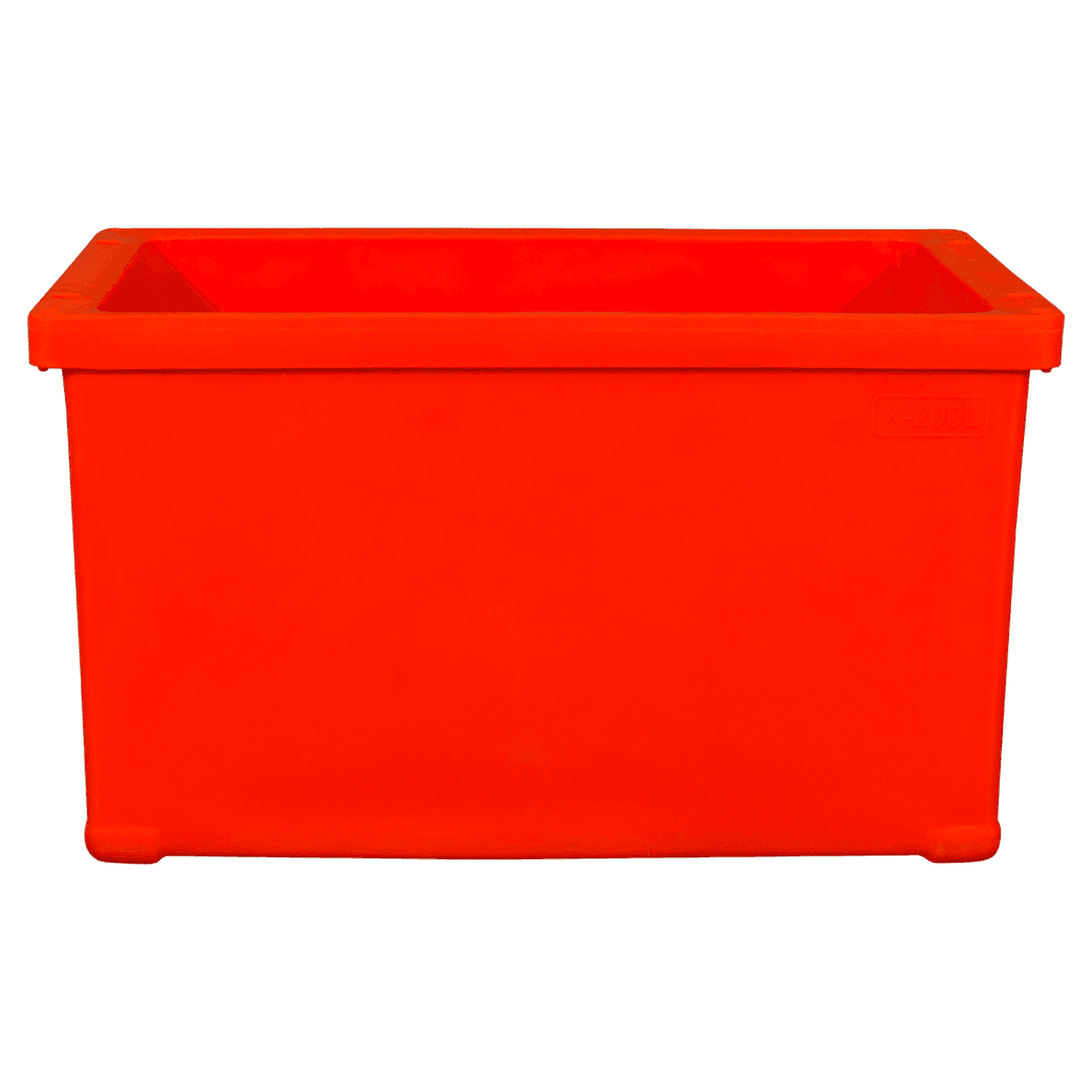
-4.png "X-120L Insulated Fish Bin Ice Cooler Box")
-4.png "X-70L Insulated Fishing Ice Cooler Box")
-2.png "X-68L Ice Cooler Box To Keep Food Cold And Fresh")
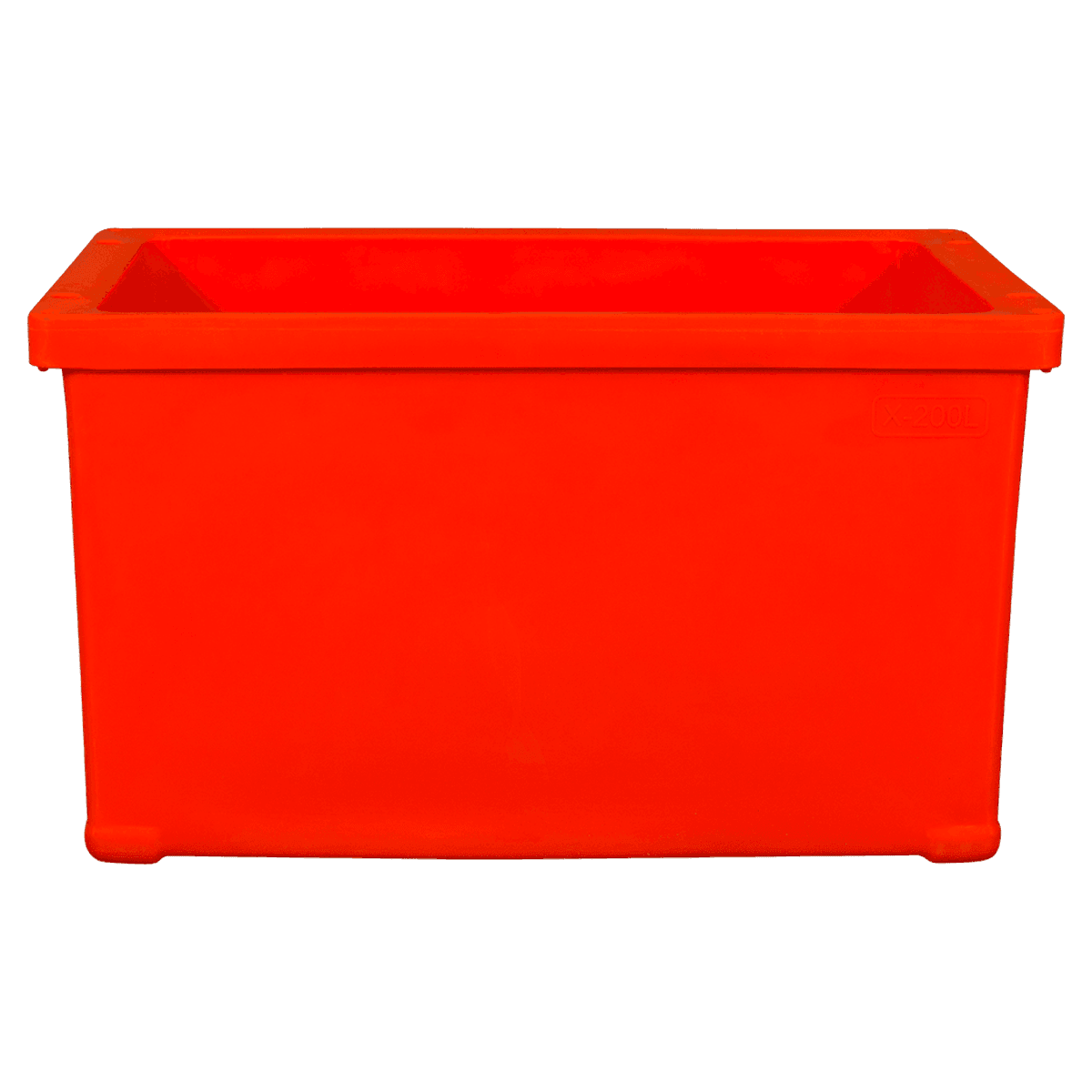
-2.png "X-120L Live Seafood Transportation Tanks")
-2.png "X-70L Live Seafood Transportation Tanks")